The Imperative of Omnichannel Sales: Unifying Customer Journeys for Enhanced Revenue and Retention.

Omnichannel sales represents a fundamental shift in how businesses engage with their clientele, moving beyond fragmented interactions to a cohesive, unified customer experience across all touchpoints. In a landscape where traditional sales teams often operate in silos—with email, phone, chat, and in-person conversations generating disconnected data and inconsistent follow-ups—revenue opportunities are frequently lost. This modern approach centralizes customer data and meticulously coordinates outreach, ensuring every interaction builds upon the last, fostering a continuous and personalized buyer journey.
The Evolving Sales Landscape: Why Omnichannel Now?
The transition to an omnichannel sales model is not merely a strategic option but a necessity driven by profound changes in buyer behavior and market dynamics. For decades, sales processes were largely seller-centric, relying on reps to guide prospects through a relatively linear funnel. However, the digital revolution has empowered buyers, transforming their journey into a complex, self-directed exploration across numerous platforms. Today’s customers, whether B2C or B2B, conduct extensive independent research, engage in peer conversations, and utilize digital self-service options long before engaging directly with a sales representative.
Recent data underscores this dramatic shift. According to Capital One Shopping, the proportion of omnichannel shoppers has surged to an impressive 91%. This figure highlights a pervasive customer expectation: interactions with a brand should be seamless and context-aware, regardless of the channel chosen. Businesses that fail to meet this expectation risk alienating potential customers and losing market share. Furthermore, Gartner’s 2025 B2B Buying Survey reveals that a significant 61% of B2B buyers now prefer a rep-free buying experience, and 73% actively avoid suppliers who deliver irrelevant outreach. These statistics paint a clear picture: generic, uncoordinated sales tactics are increasingly ineffective and can actively deter prospects. In this environment, an omnichannel strategy acknowledges this reality, building a coordinated presence across every touchpoint where buyers spend their time, transforming sales from a push-model to a responsive, value-driven engagement.
Distinguishing Omnichannel from Multichannel: A Fundamental Shift
While often conflated, omnichannel and multichannel sales represent distinct philosophies with vastly different outcomes. Understanding this difference is critical for businesses aiming to optimize their sales efforts.
Multichannel sales utilizes multiple channels—such as email, phone, social media, and live chat—to engage with buyers. However, in a multichannel environment, these channels typically operate in isolation. Each channel maintains its own data, performance metrics, and often, its own dedicated team, without a shared understanding of the customer’s journey or coordinated sequencing of interactions. This fragmentation leads to inconsistent messaging, repetitive information requests, and a disjointed experience for the buyer.
Omnichannel sales, conversely, demands a unified customer record. This record encompasses a prospect’s identity, comprehensive activity history, stated preferences, and consent across all interactions. This centralized data hub fundamentally alters the nature of subsequent engagements. Context continuity is paramount, eliminating the need for customers to repeatedly provide information and ensuring that messaging remains consistent across all revenue teams. The result is a buyer who feels "known" and understood, rather than merely "managed" through a series of disconnected transactions.
The structural differences between these approaches can be illustrated across several key dimensions:
| Dimension | Single-Channel | Multichannel | Omnichannel |
|---|---|---|---|
| Data Continuity | Siloed – no shared record | Partial – separate systems per channel | Unified – single customer record across all channels |
| Coordination/Orchestration | None | Minimal – each channel acts independently | Proactive – next best action triggered by buyer signals |
| Handoffs | Not applicable | Manual, prone to dropped context | Structured SLAs with full context transferred |
| Reporting Visibility | Single source, limited insights | Channel-by-channel, fragmented view | Cross-channel attribution and revenue impact |
| Customer Context | None retained across interactions | Inconsistent – depends on channel | Continuous – buyer history and preferences inform every touchpoint |
In essence, while multichannel strategies add coverage by expanding the number of touchpoints, omnichannel strategies add coordination and cohesion. Businesses that fail to grasp this distinction risk investing in additional channels without addressing the underlying problem of fragmented data and inconsistent buyer experiences, which ultimately erodes trust and prolongs deal cycles.
Foundational Pillars of an Effective Omnichannel Sales Strategy
The success of an omnichannel sales strategy hinges on a set of core operating principles that fundamentally transform how revenue teams interact with buyers.
1. Unified Customer Identity
At the heart of every successful omnichannel interaction is a unified customer record. This comprehensive data profile must include more than just basic contact information; it should encompass purchase history, browsing behavior, product preferences, interaction logs across all channels (email, phone, social, chat, in-person), and membership tiers. Without this consolidated identity layer, effective channel coordination is impossible, as teams would be attempting to orchestrate a journey they cannot fully visualize. In practice, this means every system, from the CRM to marketing automation and customer service platforms, must draw from and contribute to a single, authoritative customer record. Platforms like HubSpot’s Data Hub are engineered to support this, combining disparate data sources, automatically enhancing data quality, and activating customer intelligence across the entire platform with AI-powered ease.
2. Intelligent Journey Orchestration
Journey orchestration moves beyond static sales sequences to a dynamic, responsive approach. It involves selecting the optimal channel, crafting the most relevant message, and triggering the most appropriate action based on the buyer’s current stage and real-time engagement signals. For example, if a prospect opens an email multiple times but does not click a link, the orchestrated response might be a personalized LinkedIn message or a targeted ad campaign, rather than a generic follow-up email. Effective orchestration requires clearly defined buyer stages, precise signal definitions (identifying which actions indicate readiness to advance), and automated rules that trigger the right channel engagement at precisely the right moment. Sales sequences in platforms like HubSpot Sales Hub enable teams to build and manage these sophisticated, orchestrated flows from a unified platform, complete with task automation and pipeline visibility.
3. Robust Sales SLAs and Handoff Protocols
Service-level agreements (SLAs) are critical for defining accountability and ensuring smooth transitions between different sales functions. These agreements specify who is responsible for follow-up, through which channel, and within what timeframe after a specific trigger event. Without explicit SLAs, handoffs—such as those between Sales Development Representatives (SDRs) and Account Executives (AEs), or between marketing and sales—become notorious points for dropped context and lost deals. A prospect who has just filled out a detailed demo request form should not receive a generic introductory email from an AE who lacks visibility into their prior engagement history. Well-designed SLAs specify response times, the content to be shared, the channels to be used, and the data to be transferred, transforming potential points of failure into competitive advantages.
4. Seamless Context Continuity Across Revenue Teams
Context continuity ensures that the buyer’s experience remains consistent and coherent as they move through different stages of their journey and interact with various team members. When a prospect transitions from an SDR to an AE, or from an AE to customer success, this handoff should feel invisible to the buyer. The same discovery insights, stated priorities, and objections should inform every subsequent interaction, regardless of who is leading the conversation. This not only significantly improves the buyer’s experience by reducing repetitive questions but also boosts internal efficiency. AEs, for instance, can begin their conversations by validating solutions rather than re-discovering pain points already identified by the SDR, thereby accelerating deal cycles.
5. Channel Complementarity, Not Competition
In a truly omnichannel model, channels are designed to reinforce each other, rather than competing for credit or resources. An email sequence might effectively warm a prospect for a subsequent phone call, or a specific LinkedIn engagement could trigger a highly personalized follow-up. Each channel serves a distinct, complementary purpose within the broader buyer’s journey. Attribution reporting, therefore, must reflect the collective contribution of all channels to a closed deal, moving beyond simplistic first-touch or last-touch models. Marketers and sales leaders should review their current pipeline attribution models to ensure they capture the full, multi-touch picture of what drives deals forward. HubSpot’s Smart CRM, for example, connects activity across every channel, allowing revenue teams to identify which touchpoints contribute most effectively to conversion and optimize their strategies accordingly.
Leading Examples of Omnichannel Excellence
The theoretical principles of omnichannel sales come to life through practical implementation by leading organizations.
Nike: A Masterclass in B2C Unified Commerce
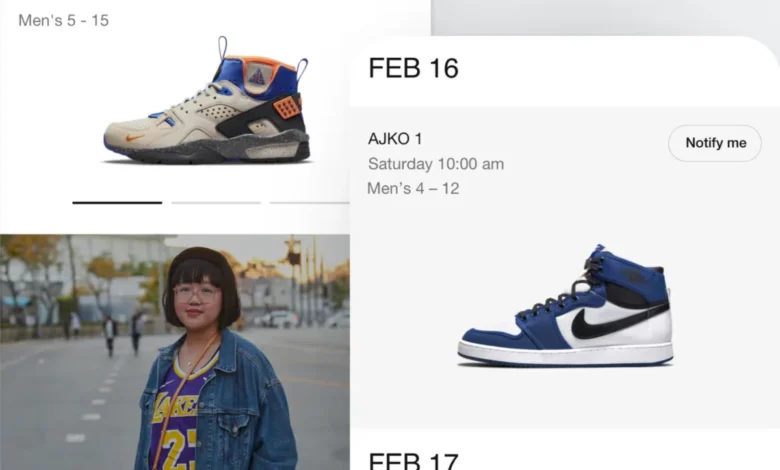
Nike stands as a prominent case study in omnichannel retail. Their ecosystem—comprising the Nike app, Nike.com, and physical Nike retail stores—operates from a shared customer identity layer. This layer meticulously tracks purchase history, browsing behavior, product preferences, and membership tiers. For instance, if a customer adds a product to their cart via the app but doesn’t complete the purchase, in-store staff can access this cart context, enabling a seamless "pick up in store" experience or a personalized sales assistant interaction. The Nike SNKRS app further exemplifies this by using engagement signals—such as which product drops a member has viewed or which launches they’ve entered—to personalize every subsequent touchpoint, ensuring a consistent and engaging customer experience regardless of the channel.
Zoom: Product-Led Growth Meets Coordinated B2B Sales
Zoom’s remarkable growth model illustrates omnichannel B2B sales at scale, particularly for product-led growth (PLG) companies. Zoom’s free tier generates invaluable usage data—including meeting frequency, participant counts, and feature adoption—which directly feeds into its CRM. This data informs the timing, channel selection, and messaging of sales outreach. An account consistently hitting free-tier limits, for example, receives targeted outreach that directly references their usage pattern, offering a relevant upsell pitch rather than a generic one. Zoom’s sales team operates with clear SLAs: specific product signals trigger a defined outreach window, and the channel sequence (e.g., email, then phone, then in-product message) is standardized. This results in human outreach arriving precisely when a buyer is experiencing friction, with context that makes the conversation highly relevant and non-intrusive.
Apple: Orchestrating Complex Buyer Journeys Across Segments
Apple’s omnichannel model seamlessly integrates three distinct buyer journeys: consumer self-service via Apple.com, retail experiences with Genius Bar support, and enterprise sales through Apple Business. Critically, this is achieved without fragmenting the customer experience. An enterprise IT leader managing a consumer Apple ID will have a separate but intelligently connected enterprise profile, allowing Apple’s account teams to reference both when discussing device procurement and support. What distinguishes Apple’s approach is the role of its physical stores. Beyond mere points of sale, Apple Stores function as comprehensive service touchpoints, discovery environments, and post-sale support channels. Each of these roles contributes to a unified customer journey, significantly increasing lifetime value beyond the initial transaction by reinforcing brand loyalty and providing continuous support.
A Strategic Framework for Implementing Omnichannel Sales
Implementing an omnichannel sales strategy requires a methodical approach, encompassing aligned data architecture, refined processes, and the right technological stack.
1. Audit Your Current Channel Activity and Data Architecture
Before embarking on an omnichannel transformation, a thorough audit of existing channel coverage and data quality is essential. This audit should address:
- Which channels are currently in use for sales engagement?
- How consistently is data captured and logged across these channels?
- Where are the significant data gaps or inconsistencies in customer records?
- What is the current level of coordination (or lack thereof) between channels?
Experience shows that this audit frequently uncovers a common challenge: CRMs often capture email and deal-stage data reasonably well, but phone calls, LinkedIn activity, and in-person meetings are logged inconsistently or entirely missed. Such gaps render the customer record incomplete, undermining any subsequent orchestration efforts. A crucial step here is to run a data quality report, deduplicate records, standardize properties, and identify fields with low fill rates. Orchestration built on incomplete data will only amplify noise rather than signal.
2. Define Your Unified Customer Record
A unified customer record is not just a collection of fields; it’s a structured data model that comprehensively captures identity, engagement history, preferences, and intent signals necessary for coordinated omnichannel execution. Sales and RevOps teams must collaboratively define the minimum required fields for a record to be considered actionable, then build workflow automations to flag and enrich incomplete records. Key fields for an omnichannel-ready contact record include: full identity (name, company, role), complete activity history across all channels, stated and inferred preferences, current deal stage, comprehensive marketing engagement history, and explicit consent status for each communication channel. Platforms like HubSpot CRM store this information in a single, unified contact record, with AI tools like Breeze AI automatically enriching records with company data, recent news, and engagement signals.
3. Map Your Buyer Journey by Stage and Channel
Effective journey orchestration necessitates a clear, detailed map outlining which channels serve which buyer stages. For each stage, define the primary channel(s), secondary channel(s), and escalation paths if the primary channel does not elicit a response. This mapping process should specify:
- What are the key milestones or decision points in the buyer’s journey?
- Which channels are most effective for engaging buyers at each specific stage?
- What content or message types are most appropriate for each channel and stage?
Sales teams should trace recent closed-won deals backward to identify every touchpoint that contributed to the outcome. This exercise often reveals that winning teams consistently utilized more channels in a coordinated manner, demonstrating that strategic breadth, not just volume, drives success.
4. Build Coordinated Sequences with Clear SLAs
Once the buyer journey map is established, the next step involves building coordinated sequences within the CRM that enforce the correct channel, message, and timing for each stage. Every touchpoint must be automatically logged against the contact record. SLAs should clearly define:
- The maximum response time for each type of inbound lead or buyer signal.
- The specific channels to be used for outreach at different stages.
- The required content and context to be transferred during handoffs.
- The frequency and cadence of outreach across all channels to avoid over-messaging.
HubSpot Sales Hub facilitates the creation of such sales sequences, task automation, meeting scheduling, and pipeline visibility, all interconnected to the same contact record. This ensures that a sequence starting with an automated email and progressing to a manually assigned call task maintains full context without any manual data transfer. A critical best practice is to set an SLA for inbound leads, mandating a personalized response within four business hours, via the channel the prospect used to engage. Response time is a strong predictor of connection rates.
5. Connect Your Sales Intelligence Stack
Omnichannel execution relies heavily on the quality of signals fed into the CRM from every channel. Integrating a robust sales intelligence stack is therefore crucial. These integrations connect intent data, news alerts, social engagement signals, and firmographic enrichment directly to the contact record, providing reps with a real-time view of buying intent before they initiate outreach. HubSpot’s App Marketplace offers hundreds of sales intelligence integrations, including LinkedIn Sales Navigator, ZoomInfo, and Bombora, which feed critical signals directly into HubSpot CRM. The richer the signal data within the CRM, the more precisely journey orchestration can identify the optimal moment and channel for each outreach, transforming reactive sales into proactive engagement.
6. Implement AI-Powered Prospecting and Automation
Artificial intelligence fundamentally alters the economics of omnichannel execution by automating the research, personalization, and timing decisions that previously required extensive manual effort. Teams that implement AI-powered prospecting can execute true omnichannel outreach at scale without proportional increases in headcount. HubSpot’s Breeze AI system operates across the full HubSpot platform, automating tasks and surfacing insights from customer data at scale. The Breeze Prospecting Agent, for instance, automatically researches accounts against an ideal customer profile, drafts personalized outreach, and recommends the best time and channel for each touchpoint. This intelligent automation does not replace human judgment but rather focuses it on the opportunities most likely to close, maximizing efficiency and effectiveness.
7. Streamline Quoting, Payment, and Deal Closure
The final stage of the omnichannel journey—quoting, invoicing, and payment—is often where otherwise well-designed processes falter. When sales representatives must leave the CRM to generate a quote in a separate system, deal context is lost, approval cycles slow down, and the buyer experience degrades at the very moment when momentum should be highest. Platforms like Commerce Hub are designed to address this by enabling teams to generate quotes, send invoices, and collect payments directly within the CRM record. Quotes, invoices, and payment links are generated from deal data, sent through the buyer’s preferred channel, and automatically logged upon buyer engagement. Enabling payment links directly within the quote workflow can significantly accelerate deal closure, as buyers who can pay immediately tend to close faster than those routed through a separate payment portal.
Omnichannel Sales Success Metrics to Track

Measuring the effectiveness of an omnichannel strategy requires a robust framework of key performance indicators that assess both process efficiency and revenue impact.
1. Cross-Channel Engagement Rate
This metric quantifies the percentage of prospects who interact with two or more distinct channels before advancing to the next deal stage. A rising cross-channel engagement rate indicates that the orchestration model is successfully fostering meaningful multi-touchpoint relationships, rather than simply adding channels without synergy. Tracking this rate by deal stage can pinpoint areas where channel diversity is weakest and needs optimization.
2. Handoff-to-Opportunity Conversion Rate
This measures the percentage of leads that successfully transition into active opportunities after a handoff, such as from an SDR to an AE, or from marketing to sales. A low conversion rate often signals a context gap, meaning the receiving representative lacks sufficient information to effectively continue the conversation. Monitoring this metric before and after implementing structured handoff protocols provides clear evidence of improvement.
3. Deal Velocity by Channel Mix
Deal velocity tracks the speed at which deals progress through each stage of the pipeline. Segmenting this velocity by different channel mixes (e.g., deals that involved two channels versus four) reveals whether expanded channel coverage genuinely accelerates deal progression. Experience suggests that simply adding channels without coordination often yields no improvement in velocity; true omnichannel execution should demonstrably shorten sales cycles.
4. Channel Attribution Contribution
Moving beyond simplistic first-touch or last-touch models, channel attribution contribution uses multi-touch attribution to allocate revenue credit across all channels that played a role in a closed deal. This metric provides a holistic view of which channel combinations are most effective in driving conversions, informing where teams should strategically invest their orchestration resources for maximum impact.
5. CRM Data Completeness Score
This is a critical leading indicator, measuring the percentage of active contact and deal records that meet the minimum required field thresholds for effective omnichannel orchestration. Teams with higher completeness scores are better equipped to execute precise sequences, generate relevant AI insights, and maintain strong context continuity. A target of at least 80% completeness on required fields should be established before scaling automation.
6. Customer Retention and Expansion Rate
Ultimately, the long-term efficacy of an omnichannel strategy is reflected in customer retention and expansion metrics. According to McKinsey’s 2024 B2B Pulse Survey, B2B decision-makers now utilize an average of 10 channels during their purchase journey, a significant increase from just five in 2016. The survey also found that over half (54%) would switch suppliers after a poor omnichannel experience. This highlights that a coordinated presence across every touchpoint is no longer a "nice-to-have" but a critical differentiator that directly impacts customer loyalty and recurring revenue. Tracking net revenue retention by cohort and correlating it with omnichannel engagement scores can build a compelling business case for continued investment.
Addressing Common Implementation Challenges
As with any significant strategic shift, adopting omnichannel sales presents common challenges that can be proactively addressed.
Which channels should my sales team prioritize first?
Prioritization should begin with the channels where your buyers are most active and where your CRM tracking is most reliable. For many B2B teams, this means mastering email and phone coordination first, followed by platforms like LinkedIn, once consistent data capture is established. The most effective guide is your own closed-won data: analyze deals from the past 12 months to map the touchpoints that preceded each stage advance, revealing your most impactful channels.
How do we avoid over-messaging across channels?
Over-messaging is typically a symptom of disconnected channel execution rather than excessive outreach volume. The solution lies in managing channel frequency at the contact record level within the CRM, rather than at the individual channel level. Establish a total weekly outreach cap per contact, typically three to five touches across all channels, and implement automation to pause other channels once a response is received through any single channel.
What data do we need in our CRM to enable omnichannel sales?
Omnichannel sales demands a unified customer record that includes comprehensive identity details, a complete activity history across all channels, explicit channel preferences, current deal stage, detailed marketing engagement history, and consent status for each communication channel. The most common data gap arises from inconsistent logging of phone calls and in-person meetings. Establishing and enforcing a non-negotiable logging standard, supported by required fields in the CRM, is the highest-impact data hygiene action most teams can take to ensure a complete and actionable record.
How do we roll this out without disrupting reps?
A phased rollout is crucial. Begin with a pilot cohort of five to eight reps who are already consistent CRM users. Implement the new omnichannel sequences for one quarter within this group, using the pilot to identify process gaps, refine SLAs, and gather valuable rep feedback. This controlled approach generates early evidence of positive results without disrupting the broader team, making wider adoption much more likely.
How can AI help without losing our brand voice?
AI enhances omnichannel execution most effectively when it handles the heavy lifting of research, timing optimization, and initial personalization, while human judgment shapes the final message. Teams should deploy AI to draft outreach messages and then have reps review and edit these drafts. This approach maintains brand voice and consistency while significantly reducing the time required per touchpoint. Platforms like HubSpot’s Breeze AI assist with automation across various hubs, and the Breeze Assistant helps reps draft, summarize, and update records in real-time, always allowing the team to set brand voice guidelines and human review checkpoints.
Build a Sales Motion Buyers Actually Experience as One
Omnichannel sales is fundamentally about intelligently connecting existing channels so that every touchpoint contributes to a coherent, evolving narrative. Buyers who experience this continuity throughout their journey are more likely to convert faster, engage more deeply, and expand their relationship with the brand more consistently. The organizations that excel at this share a common foundation: a unified CRM as their central nervous system, AI that surfaces the right signals at the opportune moment, and human sales professionals who apply their judgment where it matters most. HubSpot’s Smart CRM, by integrating all its hubs into a single platform, provides the architectural backbone necessary for revenue teams to achieve precisely this.
After nearly two decades in B2B sales, the defining difference between teams that merely cover multiple channels and those that truly coordinate them boils down to this architectural integrity. Modern buyers conduct their due diligence across a myriad of touchpoints before ever speaking to a representative. When a sales rep arrives equipped with context that reflects this entire journey, trust is accelerated, and deals are closed with greater efficiency and higher conversion rates. This seamless, informed, and continuous experience is the ultimate promise and product of omnichannel sales.
Related posts: