The Path to Seven Figures: A Retired Project Manager’s Blueprint for Long-Term Wealth Accumulation


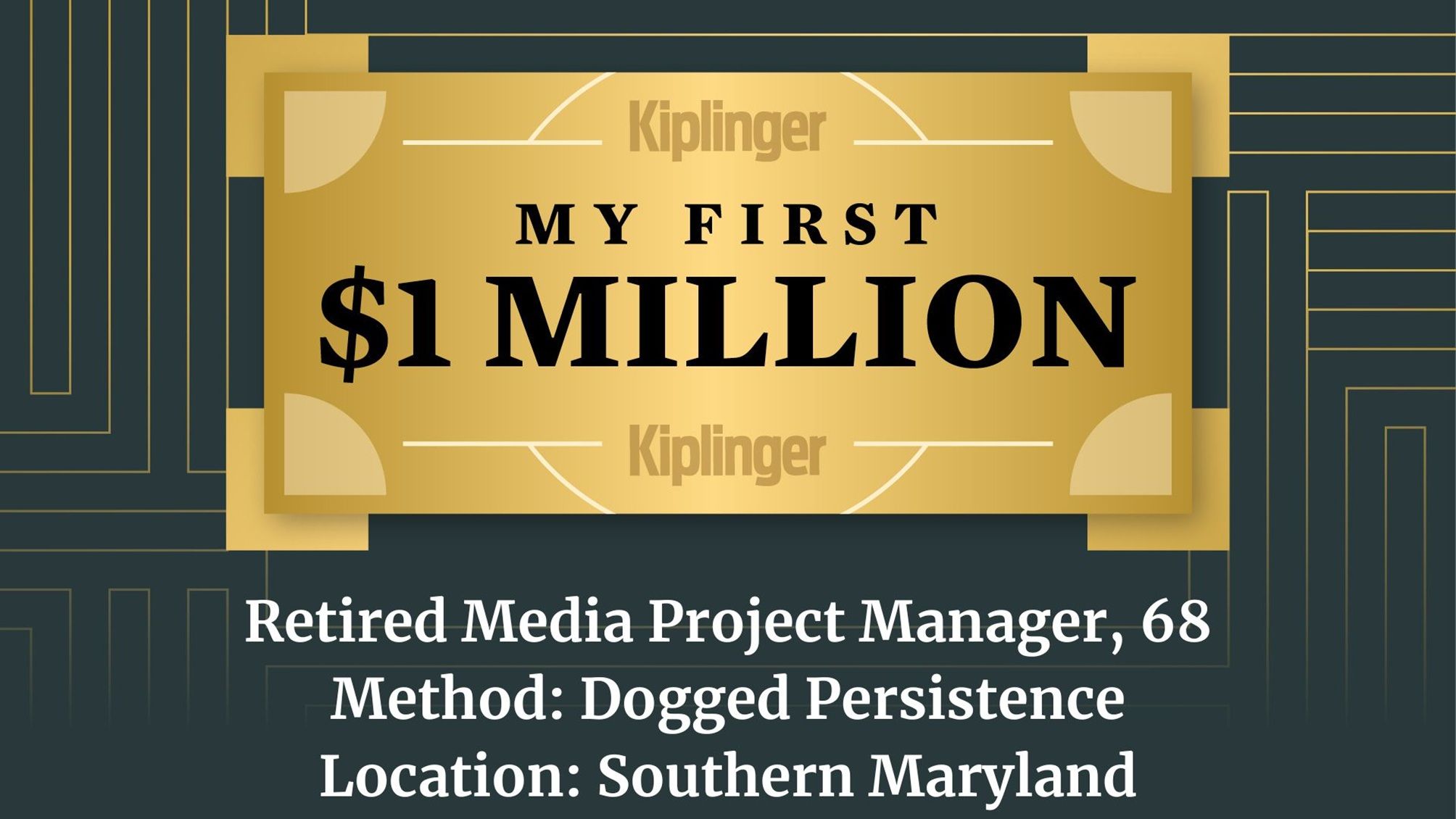
The journey toward a seven-figure net worth is rarely the result of a single windfall or a lucky market gamble; rather, it is typically the product of decades of disciplined saving, strategic investment, and rigorous recordkeeping. This reality is underscored by the experience of a 68-year-old retired media project manager from Southern Maryland. With a career-ending salary of $98,950, this individual successfully crossed the $1 million net worth threshold in his early 40s—a milestone achieved not through high-income windfalls, but through the consistent application of time-tested personal finance principles.
The Foundation of Financial Independence
For the subject of this profile, the strategy was rooted in three fundamental tenets: spending less than he earned, maximizing tax-advantaged retirement accounts, and maintaining "dogged persistence" in his investment habits. Unlike many modern investors who seek rapid growth through volatile trends, this retiree prioritized long-term stability.
Early in his career, when his income was modest, he faced the common hurdle of cash-flow limitations. During a period of job transition in his youth, he and his spouse even took out a $1,500 loan specifically to fund their Individual Retirement Accounts (IRAs), ensuring that their contribution streak remained unbroken. This commitment to maximizing contributions—initially into bank certificates of deposit (CDs) and later into equity-based vehicles—formed the bedrock of his portfolio.
A Strategic Evolution: From CDs to Equities
The evolution of his investment philosophy mirrors the broader shift in American retirement planning over the last four decades. In his early years, capital preservation was paramount, leading to a heavy reliance on CDs. As he moved into his 50s, his risk tolerance and horizon shifted, prompting a transition into high-growth equity holdings.
The subject’s transition into more aggressive asset allocation was marked by a pivotal moment during his career: a corporate layoff that provided him with a lump-sum pension option. Faced with a dozen choices, he opted to roll the funds into a self-directed IRA at Charles Schwab. This decision allowed him to transition his capital into major technology stocks, including Apple, Google, and Amazon, effectively leveraging the explosive growth of the tech sector over the last two decades.

Real Estate as a Wealth Multiplier
Beyond traditional retirement accounts, the subject utilized single-family dwelling (SFD) rentals to create a secondary stream of passive income. He began these investments while his children were still in elementary school, initially viewing the properties as a potential funding source for future college tuition.
The strategy, however, evolved into a more powerful engine of wealth. By the time his children were college-aged, the rental portfolio had matured sufficiently to provide robust free cash flow. This success meant that he never had to liquidate his properties to fund his children’s education, allowing his equity in those assets to continue compounding. To protect these assets and streamline his estate planning, he consolidated these holdings into a Limited Liability Company (LLC), gifting shares to his children’s trusts annually.
The Discipline of Documentation
A distinguishing feature of this investor’s methodology is his fanatical approach to recordkeeping. Since his teenage years, he has meticulously tracked every financial variable—savings, expenditures, tax liabilities, and investment returns—on everything from paper accounting pads to modern spreadsheet software.
This level of detail has allowed him to model various financial scenarios with high precision. By his own calculation, his total lifetime earnings are roughly equivalent to his current net worth, a realization that provided the psychological security necessary to retire at age 63. This data-driven approach also allowed him to navigate the economic uncertainty of the COVID-19 pandemic. Despite a paper loss of nearly $1 million during the 2020 market downturn, his historical data provided the confidence that his long-term strategy remained sound, allowing him to stay the course rather than panic-selling.

Market Volatility and Tax Efficiency
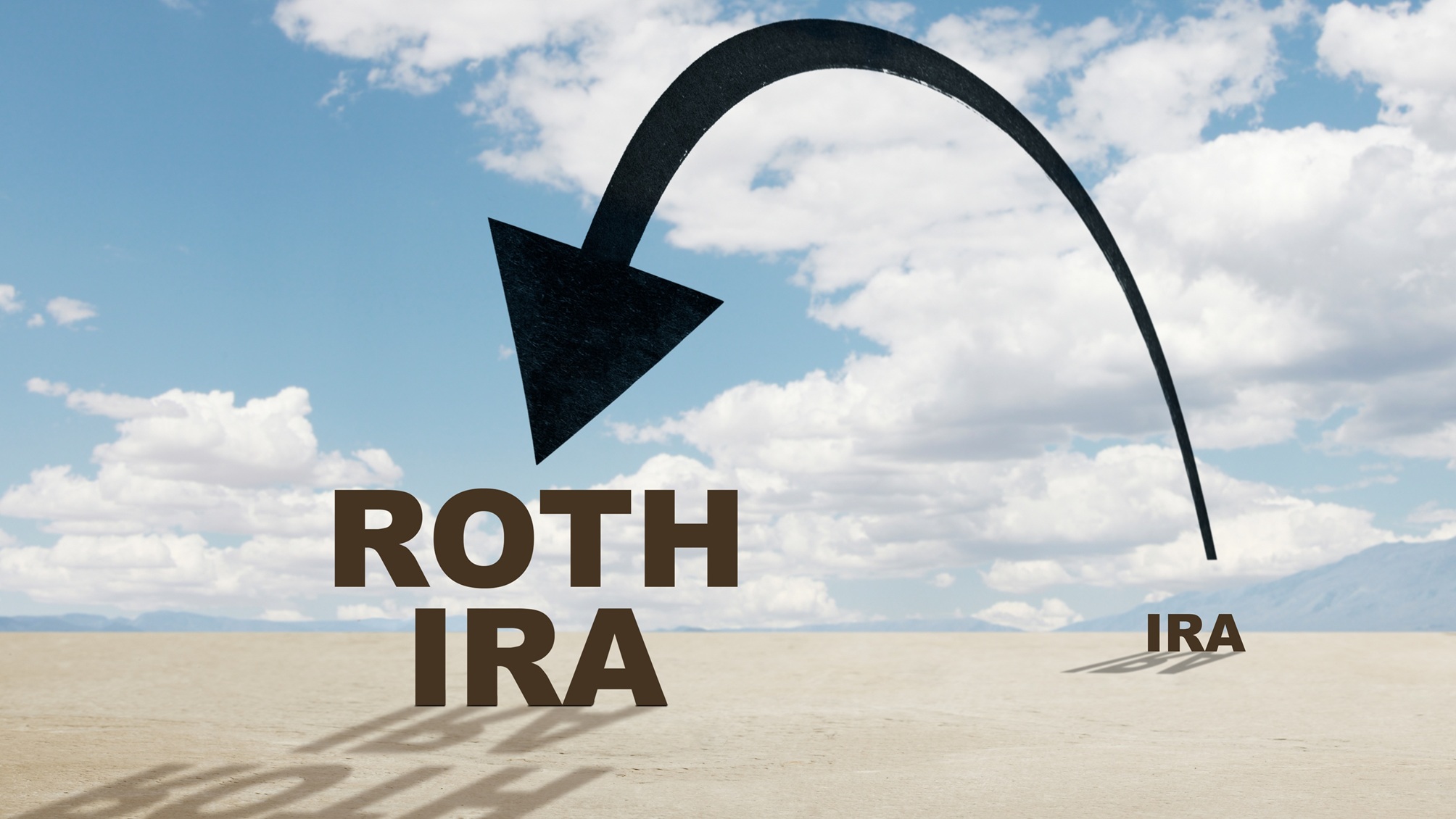
The subject employs a sophisticated view of market downturns, characterizing them not as threats but as tactical opportunities. He utilizes periods of market weakness to execute Roth conversions, effectively repositioning his assets for tax-free growth when the market eventually recovers. He has been a long-time advocate for "backdoor" Roth conversions, a strategy he utilized even during years when his income levels technically disqualified him from standard contributions.
Furthermore, he maintains a skeptical outlook on the permanence of government programs, specifically Social Security. By excluding projected Social Security benefits from his retirement forecasting, he built a margin of safety that ensures his lifestyle remains insulated from legislative changes or potential funding shortfalls in federal programs.

Expert Validation and Self-Reliance
Despite his preference for self-direction, the subject sought a third-party audit of his finances a few years before his retirement. He engaged a professional firm, Edelman Financial Engines, to stress-test his plans. The consultant’s conclusion—that no changes were recommended and the couple had already achieved full funding for their retirement—served as a crucial psychological milestone, confirming that his self-taught strategy was as robust as any professional alternative.
Implications for the Aspiring Investor
The subject’s narrative offers a clear lesson for those currently working toward their first $1 million: financial success is rarely about timing the market, but about time in the market combined with extreme consistency. His advice to "up it"—referring to the incremental increase of retirement contributions by as little as 1% annually until the maximum is reached—is a practical, actionable strategy for workers at any stage of their career.

Furthermore, his insistence on doing one’s own taxes provides an unexpected insight: the process of tax preparation is an education in one’s own financial reality. While he utilizes a CPA for complex estate, LLC, and trust matters, he manages his own personal filings, arguing that the intimacy with one’s own numbers is essential for long-term wealth management.
The Legacy of Long-Term Planning
The subject’s estate plan is as meticulous as his investment history. Through the use of life estates and trusts for his children, he has ensured that his primary residence and assets remain within the family structure long after his passing. By pairing these structures with "perpetual insurance" policies—a one-time premium payment that secures coverage for the life of the home—he has effectively removed recurring costs from his balance sheet.

As this retiree enters his later years, he remains a proponent of the "slow and steady" philosophy. His story is a testament to the fact that while $1 million may be "just a number," the behaviors required to reach that number—discipline, documentation, and a long-term perspective—are the true pillars of a secure and independent retirement. In a financial landscape often dominated by high-frequency trading and speculative investment, this case study serves as a reminder that fundamental, boring, and persistent habits remain the most reliable path to achieving significant personal wealth.
Related posts: