In an era defined by rapid economic shifts, supply chain volatility, and an escalating demand for specialized technical expertise, financial literacy has transitioned from a supplementary resume asset to an absolute operational necessity. Addressing this critical competency gap, the Corporate Finance Institute (CFI)—a globally recognized provider of financial and banking education—officially launched its ambitious educational initiative, the Finance Fundamentals Challenge. Announced on January 9, 2023, the program was meticulously engineered to democratize access to high-level financial training, enabling working professionals, university students, and career pivoters to master essential corporate finance concepts in a streamlined, time-efficient format.
The structured professional development program arrives at a crucial juncture for the global labor market. Modern enterprises across all sectors, from traditional manufacturing to high-growth technology, increasingly demand data-driven decision-making, rigorous financial modeling, and precise asset management from their personnel. Yet, structural barriers—including exorbitant tuition costs for executive education, inflexible scheduling, and a lack of structured guidance—have historically hindered aspiring finance professionals from acquiring these vital skills. The CFI initiative seeks to dismantle these obstacles by offering a tuition-free, highly structured 14-day upskilling curriculum designed to fit seamlessly into the demanding schedules of modern professionals.
Main Facts of the Finance Fundamentals Challenge
The CFI Finance Fundamentals Challenge is structured as a two-week, self-paced virtual learning regimen. Participants commit approximately 30 minutes per day over the course of 14 days to engage with curated instructional content, practical exercises, and targeted skill-building modules. The curriculum is deliberately crafted to bridge the chasm between theoretical academic finance and the pragmatic, fast-paced demands of the contemporary corporate environment.
Key structural pillars of the initiative include:
- Accessibility: The program is offered entirely free of charge, removing financial barriers to entry for global learners.
- Time Efficiency: Requiring only a 30-minute daily commitment, the challenge accommodates full-time schedules, allowing working professionals to upskill without career disruption.
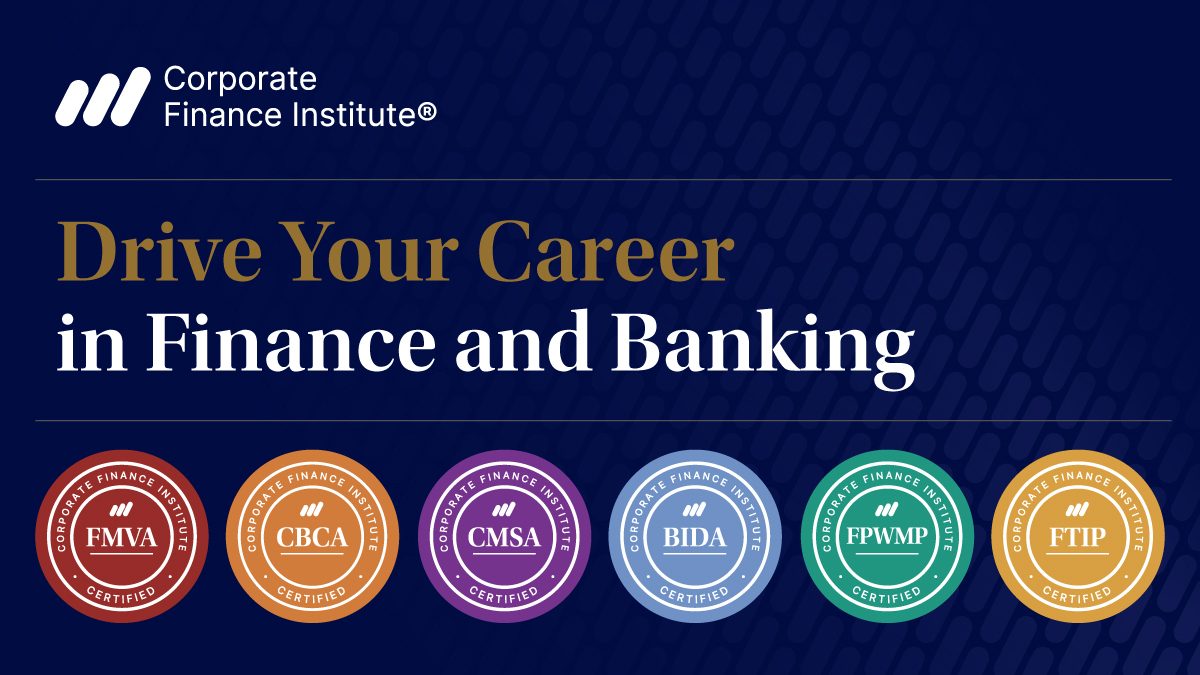
- Credentialing: Participants earn professional certificates upon successful completion of daily modules, providing tangible proof of acquired competencies to prospective employers.
- Community Engagement: Learners are encouraged to document their progress publicly on professional networking platforms such as LinkedIn utilizing the dedicated hashtag #CFIFinanceChallenge, fostering a global community of accountability and peer-to-peer networking.
The curriculum covers a comprehensive spectrum of foundational financial disciplines. While modules vary in depth, core competencies traditionally emphasized by CFI include corporate valuation, financial statement analysis, operational metrics such as Days Sales in Inventory (DSI) and working capital management, and essential Excel modeling techniques utilized daily by institutional analysts and corporate treasurers.
Background Context and Industry Evolution
To fully understand the impetus behind the CFI challenge, one must examine the broader transformation of the global financial education sector over the past decade. Historically, elite financial training was tightly gatekept by Ivy League business schools, prestigious charter programs like the CFA (Chartered Financial Analyst), and expensive internal training programs at bulge-bracket investment banks. While these traditional pathways remain the gold standard for institutional finance careers, they are frequently inaccessible to mid-career professionals looking to pivot industries, entrepreneurs attempting to decode their own balance sheets, or administrative personnel seeking to elevate their corporate utility.
Simultaneously, the COVID-19 pandemic and subsequent macroeconomic turbulence fundamentally altered corporate operations. Supply chain disruptions forced executives to re-examine inventory management, leading to heightened scrutiny on metrics like Days Sales in Inventory (DSI). Inflationary pressures, rising interest rates, and tightening venture capital markets placed unprecedented emphasis on cash flow preservation, burn-rate reduction, and efficient working capital allocation. Consequently, corporate employers increasingly report a deficit in workforce financial literacy. Financial departments are no longer operating in silos; sales, marketing, and operations teams are increasingly expected to understand P&L statements, gross margins, and capital expenditure budgets.
Recognizing this market shift, online educational technology platforms and professional certification bodies have rushed to fill the void. CFI, established as an industry leader in financial modeling and valuation credentials, designed the Finance Fundamentals Challenge to capture this burgeoning demand for micro-credentialing—short-form, high-impact educational modules that signal immediate competency to the marketplace.
Timeline and Chronology of the Initiative
The rollout of the Finance Fundamentals Challenge followed a strategic timeline designed to capitalize on the psychological momentum of the New Year—a traditional period when professionals establish career development goals and pursue continuing education.
- Early January 2023: Corporate Finance Institute conceptualizes and structures the 14-day curriculum, focusing on core financial metrics, foundational accounting principles, and practical corporate applications.
- January 9, 2023: Official launch of the program. CFI releases introductory registration materials, outlining the 30-minute-per-day commitment and detailing the professional certificate incentives for successful completers.
- Mid-January 2023: Enrolled participants begin receiving daily instructional exercises directly via their registered email inboxes. Concurrently, early adopters initiate professional sharing across LinkedIn, generating organic momentum and visibility under the #CFIFinanceChallenge banner.
- Late January 2023: The inaugural cohort concludes the 14-day regimen. Participating professionals upload their newly earned completion certificates to their digital resumes and professional profiles, initiating measurable career mobility outcomes.
- Post-Challenge Phase: Driven by overwhelmingly positive user engagement and strong completion rates, CFI evaluates the program for broader institutional integration and potential recurring cohorts to sustain ongoing professional upskilling.
Supporting Data and Educational Market Dynamics
The demand for accessible, high-ROI professional development is supported by robust labor market data. According to industry analyses from workforce development coalitions, professionals who engage in targeted upskilling report higher job satisfaction, increased earning potential, and accelerated promotion timelines compared to peers who rely solely on traditional tenure.
Furthermore, data from online professional networks indicates that profiles displaying verified micro-credentials and specialized analytical skills receive significantly higher recruiter engagement. In the specific domain of finance and accounting, the Bureau of Labor Statistics (BLS) has consistently projected steady growth for financial analysts, budget analysts, and accountants over the decade, driven by increasingly complex regulatory environments and the proliferation of big data in corporate decision-making.
By focusing on bite-sized, 30-minute daily modules, CFI capitalized on established cognitive science principles regarding microlearning. Academic research consistently demonstrates that learners retain complex information more effectively when delivered in short, focused increments rather than extended, exhaustive study sessions. This pedagogical approach not only maximizes knowledge retention but also minimizes cognitive fatigue among working adults balancing professional and personal responsibilities.
Official Perspectives and Industry Reception
While specific executive soundbites from the January 2023 launch reflect standard corporate communications, the broader leadership philosophy underpinning CFI’s educational strategy centers on the democratization of finance. Industry observers, corporate trainers, and career counselors have widely praised the initiative’s structural design.
Labor market analysts note that programs like the Finance Fundamentals Challenge serve as vital economic shock absorbers. When macroeconomic conditions tighten and organizations face budgetary constraints for employee training, free or low-cost external upskilling initiatives allow ambitious workers to take charge of their own professional trajectories. Furthermore, corporate human resources departments increasingly view self-directed certifications—such as those validated by CFI—as concrete evidence of a candidate’s intrinsic motivation, discipline, and commitment to continuous improvement.
Educational technologists have also highlighted the clever integration of social proof within the challenge’s framework. By directing participants to share their milestones on LinkedIn using a centralized hashtag, CFI achieved two critical objectives: it transformed an isolated digital learning experience into a collective community journey, and it provided organic, peer-driven marketing that amplified the program’s reach far beyond traditional advertising channels.
Broader Impact and Long-Term Implications
The launch of structured, micro-credentialed upskilling challenges by established institutions like the Corporate Finance Institute signals a permanent shift in how professional competence is acquired, validated, and valued in the global economy. As artificial intelligence, automation, and advanced data analytics continue to reshape white-collar professions, routine administrative tasks are increasingly automated, leaving human workers to focus on strategic analysis, interpretation, and high-level decision-making.
In this transformed landscape, foundational financial literacy is no longer the exclusive domain of certified public accountants or investment bankers. Sales teams must evaluate client financial health to assess credit risk; project managers must forecast budgetary burn rates; and entrepreneurs must understand liquidity metrics like Days Sales in Inventory to ensure business survival. Initiatives that successfully lower the barrier to entry for these critical concepts play an indispensable role in preparing the global workforce for future economic realities.
Ultimately, the Corporate Finance Institute’s Finance Fundamentals Challenge transcends a simple marketing campaign or promotional course; it represents a scalable blueprint for modern professional education. By prioritizing accessibility, time efficiency, practical application, and verifiable credentialing, CFI has established a benchmark for how educational institutions can empower individuals to adapt, compete, and thrive in an increasingly complex and demanding global marketplace.