Is Migrating from Shopify to WooCommerce the Right Strategic Move for Your Scaling Ecommerce Business


The decision to migrate an ecommerce platform is rarely a reactive impulse; rather, it is the result of a long-term assessment of operational efficiency, profit margins, and technical scalability. As digital storefronts evolve, many enterprise-level businesses find that the rigid, subscription-based architecture of hosted platforms like Shopify begins to impose constraints that hinder growth. For high-volume retailers, the transition to open-source solutions like WooCommerce—built on the WordPress ecosystem—has become a significant trend as companies seek to reclaim ownership over their data, payment structures, and customer experience.
The Anatomy of Platform Frustration
For a business generating annual revenues in the multi-million dollar range, the cost of an ecommerce platform is rarely limited to a monthly subscription fee. When a brand reaches a certain scale—often characterized by complex product catalogs, international shipping requirements, and multifaceted B2B pricing models—the "all-in-one" nature of hosted solutions can become a liability.

The limitations typically manifest in three distinct areas: technical debt, escalating operational costs, and restrictive third-party dependencies. When a business must install dozens of independent applications to facilitate basic functions like bundle management, pre-orders, or localized checkout, it creates a fragmented tech stack. Each app introduces potential points of failure, security risks, and additional recurring monthly costs that can silently erode profit margins.
Quantitative Analysis of the Migration Decision
To determine if a migration is financially sound, stakeholders must conduct a comprehensive Total Cost of Ownership (TCO) audit. A business generating $12 million in annual revenue, for example, often faces a complex web of costs. Beyond the Shopify Plus subscription, which serves as the baseline, companies must aggregate the following:
- Transaction Fees: Many platforms impose a penalty (often between 0.5% and 2%) for using external payment gateways, effectively taxing a business for its choice of financial partners.
- App Ecosystem Costs: The cumulative expense of subscriptions for bundle tools, inventory management, and marketing automation frequently exceeds the cost of the platform itself.
- Custom Development and Maintenance: Because proprietary platforms restrict access to core code, businesses must pay for specialized developer hours to "hack" workarounds into the system, increasing the long-term maintenance burden.
By mapping these expenditures into a standardized table—categorizing costs by plan, processing fees, integrations, and manual labor hours—companies can identify exactly where the "hidden" costs of their current platform are impacting the bottom line.

Case Studies in Architectural Autonomy
The shift toward open-source platforms is supported by high-profile examples of brands that have reclaimed control over their digital infrastructure.
Take the case of the skincare brand grūum. Operating at a scale of 80,000 monthly orders across 300 SKUs, the brand required a level of granularity in its subscription and bundling logic that proved incompatible with the limitations of their previous hosted environment. By transitioning to WooCommerce, grūum was able to integrate their specific operational model into the software architecture, rather than forcing their business processes to conform to the platform’s native constraints.
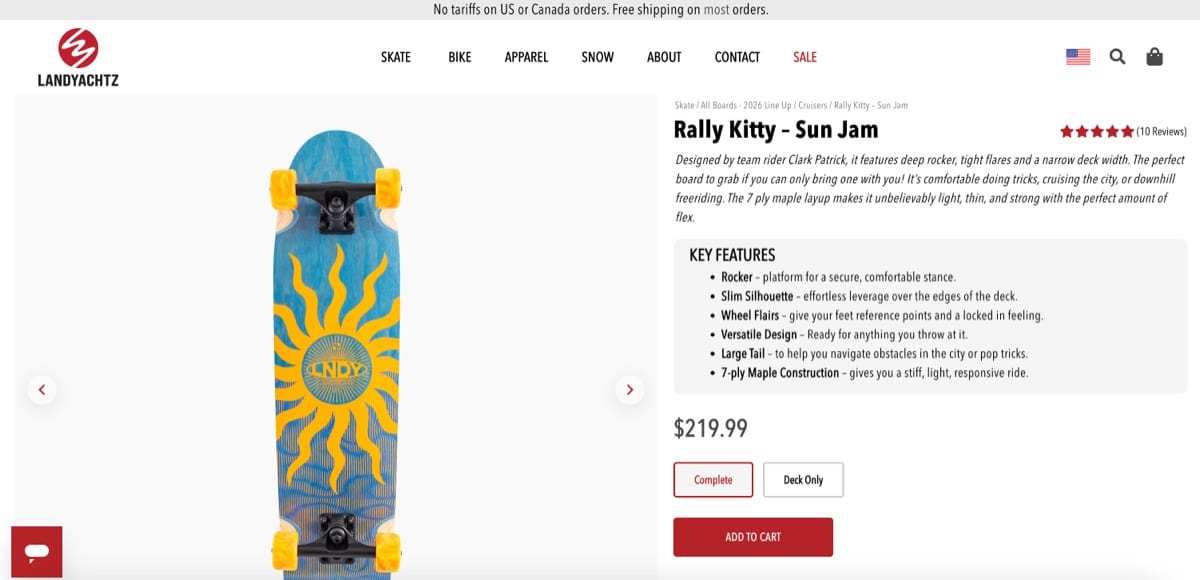
Similarly, the skate brand Landyachtz achieved significant cost-efficiency by consolidating its North American operations onto a single, unified WooCommerce instance. By managing complex currency, tax, and regional pricing rules internally, the company was able to reduce its annual ecommerce operational costs from approximately $45,000 to under $10,000. This shift underscores a broader trend: as businesses mature, they move from seeking "ease of use" to seeking "operational sovereignty."

The Strategic Value of Ownership
The primary advantage of transitioning to an open-source platform is the shift from a "tenant" relationship to an "owner" relationship. In the current ecommerce landscape, where customer data is the most valuable asset, the ability to control exactly how that data is stored, processed, and utilized is paramount.
When a store is built on WooCommerce, the business retains complete ownership of its code, data, and integrations. This allows for:
- Custom Workflow Integration: Connecting seamlessly with ERP (Enterprise Resource Planning) and CRM (Customer Relationship Management) systems without relying on generic, "off-the-shelf" connectors that may not meet specific security or performance requirements.
- Payment Flexibility: The ability to negotiate rates directly with payment processors and deploy region-specific payment methods, removing the platform-imposed transaction penalties.
- Rapid Iteration: The ability to push custom features to the store without waiting for third-party developers or platform-wide updates.
Evaluating the Readiness for Migration
A migration project is a significant undertaking that requires a structured timeline and a clear understanding of the project’s scope. Before committing to a move, management teams should evaluate their readiness based on four critical criteria:
- Strategic Necessity: Does the current platform actively prevent the launch of a new product line, service, or customer experience?
- Operational Efficiency: Is the current staff spending more time managing technical workarounds than focusing on sales and growth?
- Financial Impact: Have the cumulative costs of apps and transaction fees surpassed the projected cost of a professional migration and ongoing maintenance?
- Technical Readiness: Is there a dedicated team or partner capable of managing the transition of product data, customer accounts, and order history?
If these questions reveal that the current platform is a bottleneck, the migration process becomes a strategic investment rather than an expense. The process generally involves a multi-stage approach: strategy and design, secure data migration, custom integration development, rigorous Quality Assurance (QA) testing, and a phased, low-risk launch.
The Broader Implications for Ecommerce
The market for ecommerce platforms is currently bifurcating. On one side are the simplified, "plug-and-play" platforms designed for small-to-medium businesses that prioritize speed-to-market over technical flexibility. On the other are enterprise-grade, open-source environments that prioritize long-term scalability and autonomy.
As more businesses move into the mid-to-large market segment, the limitations of hosted platforms are becoming more pronounced. The move toward WooCommerce is reflective of a wider realization: as a brand grows, its digital storefront must be as unique as its product catalog. The ability to customize every aspect of the checkout, user experience, and backend logistics is no longer a luxury—it is a competitive necessity.
For companies considering this transition, the path forward requires diligent planning. Utilizing resources such as a Total Cost of Ownership calculator, engaging with migration specialists, and auditing current technical dependencies are essential first steps. While the transition requires an upfront investment of time and resources, the long-term benefits—lower transaction costs, reduced app dependency, and total control over the brand’s digital ecosystem—position growing businesses to outpace competitors who remain tethered to the constraints of proprietary, hosted environments.
Ultimately, the choice of platform is a reflection of a business’s maturity. Moving to a system that allows for infinite customization is the hallmark of a company that has moved past the experimental phase and is fully committed to long-term, scalable, and independent digital growth. By analyzing the data, understanding the cost structures, and planning for a future of autonomy, ecommerce leaders can ensure their platform supports their ambitions rather than dictating them.