
Ecommerce growth is often celebrated as the ultimate indicator of business health, yet industry analysts increasingly distinguish between simple volume expansion and the more complex, sustainable practice of scaling. While growth signifies an increase in revenue and order volume, scaling implies that a business has evolved its operational processes to ensure that revenue outpaces the incremental costs associated with that growth. For many online retailers, the transition from a small-scale operation to a high-volume enterprise is where the "pain of growth" manifests, as manual workflows and static systems fail to accommodate the rising complexity of order fulfillment, customer service, and inventory management.
The core challenge for any growing digital storefront lies in the relationship between order volume and operational expenditure. When a business moves from 100 to 500 daily orders, simple growth is achieved; however, if that transition requires a linear five-fold increase in staffing or administrative hours, the business has failed to scale. True scaling is characterized by an economic decoupling: revenue and order volume rise significantly faster than the resources required to support them.

Analyzing the Cost-Per-Order Metric
The most effective diagnostic tool for evaluating this efficiency is the Cost-Per-Order (CPO) metric. By calculating the total monthly ecommerce expenses—including platform licensing, hosting fees, third-party application subscriptions, and payment processing—and dividing that figure by the total number of orders processed, retailers can establish a clear baseline of their operational efficiency.
Industry benchmarks suggest that while CPO varies by sector, the trendline is more important than the absolute number. A stable or declining CPO in the face of rising order volumes indicates a healthy, scalable infrastructure. Conversely, if CPO rises alongside volume, it serves as a leading indicator of underlying process inefficiencies, suggesting that the current technology stack or manual workflows are no longer fit for purpose.
The Anatomy of Operational Costs
To manage CPO effectively, businesses must categorize costs by how they behave during periods of growth. These costs generally fall into four distinct categories:

- Fixed Subscriptions: Costs such as platform licensing or software-as-a-service (SaaS) fees that remain static until a volume-based threshold is triggered.
- Variable Percentage-Based Fees: Costs like payment gateway commissions (e.g., 2.9% + $0.30) that inherently rise in direct proportion to gross merchandise value (GMV).
- Fixed Per-Transaction Fees: Costs that increase linearly with every individual order, regardless of order value.
- Stepped Infrastructure Costs: Expenses like hosting or managed service tiers that remain flat until a specific traffic or storage limit is hit, at which point the cost jumps to the next tier.
Understanding these cost behaviors allows merchants to anticipate where their margins will be squeezed. For instance, as a business scales, it must evaluate whether its current hosting provider offers a smooth transition between tiers or if it will face abrupt overage charges that could erode profitability.
Addressing the Labor Bottleneck
As organizations expand, administrative "busywork" often becomes the primary obstacle to profitability. Manual tasks—such as updating stock levels across multiple channels, reconciling failed payments, or copy-pasting customer data between disconnected systems—are manageable at low volumes. At high volumes, these tasks become a significant labor drain.
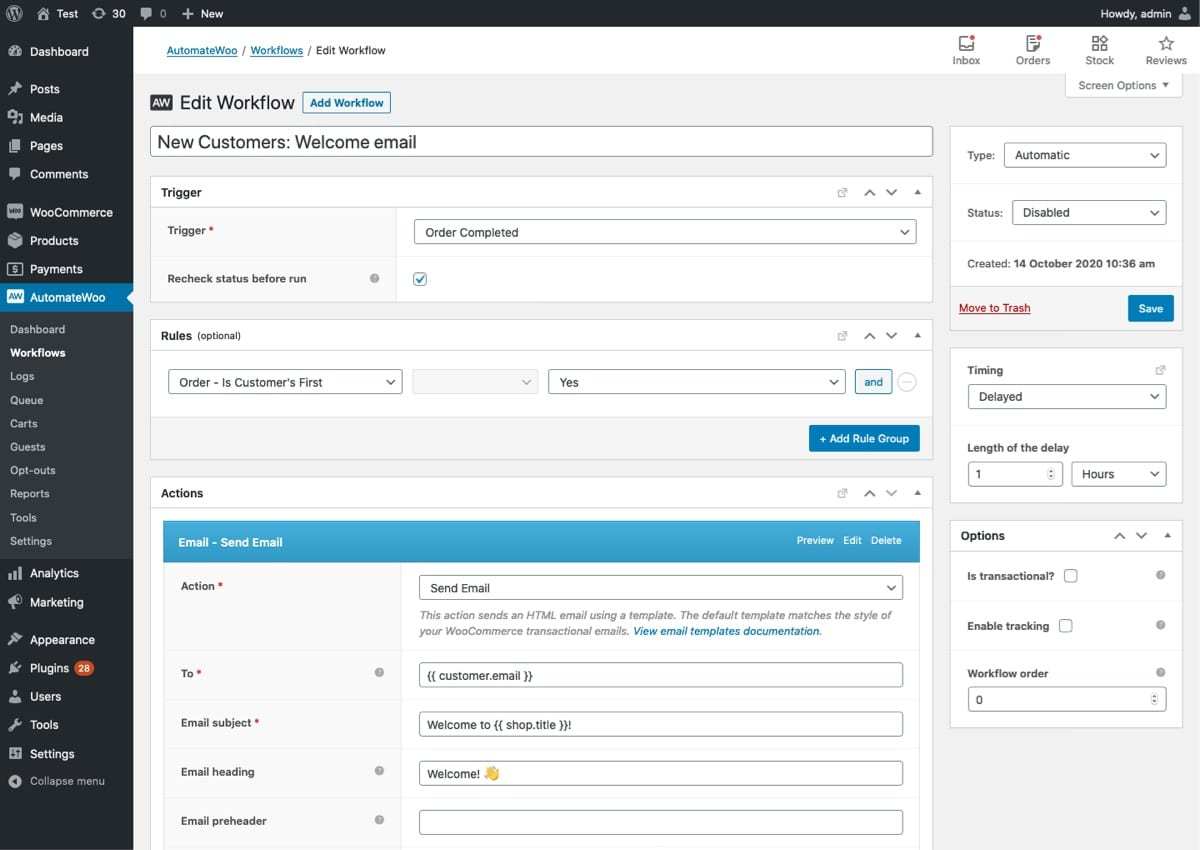
The industry shift toward automation is not merely a convenience but a necessity for modern scaling. Retailers are increasingly adopting platforms like WooCommerce and specialized tools such as AutomateWoo to handle routine, rule-based operations. By automating the "first-order" customer journey, status notifications, and inventory synchronization, businesses can maintain their service levels without the need for proportional headcount growth. This "automation payoff" directly benefits the bottom line by keeping fixed labor costs flat even as order throughput accelerates.
Fulfillment and Inventory Logistics
The complexity of fulfillment represents the most significant physical barrier to scaling. Inaccuracies in inventory management, which might cause only minor frustration at low volumes, can lead to catastrophic operational failure at scale, including split shipments, frequent overselling, and damaged brand reputation.
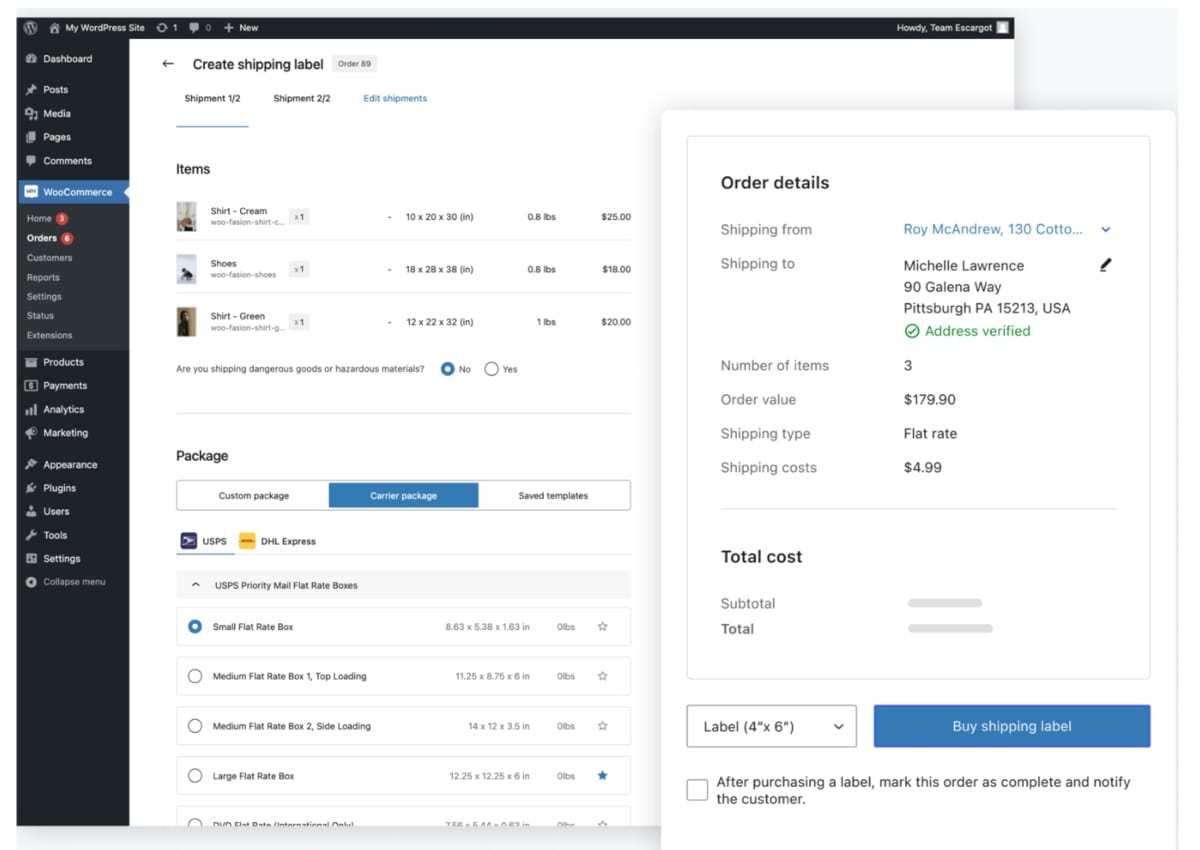
Leading retailers are moving toward centralized inventory management systems that synchronize stock changes in real-time across all sales channels. Furthermore, the optimization of shipping processes—utilizing batch label printing, negotiated carrier rates, and integrated fulfillment services like ShipStation—has become a standard requirement for high-growth firms. Even minor improvements in fulfillment efficiency are magnified as volume increases, turning small, incremental savings into significant annual capital preservation.
Strategic Considerations for New Markets and Models
Expansion into new geographical markets or the introduction of new business models, such as subscription-based services or B2B channels, introduces a new set of economic variables. Each new channel carries its own cost structure, from currency conversion fees to unique tax compliance requirements and recurring billing maintenance.
Before launching a new initiative, businesses are advised to conduct a rigorous "economic stress test." For example, a shift toward subscription models requires a deep analysis of the impact of recurring transaction fees on long-term margins. Similarly, entering a B2B space requires evaluating the potential for lower-margin, higher-volume orders compared to the standard B2C model. Successful scaling requires that these costs be modeled and understood before the operational overhead is incurred.
Infrastructure and Total Cost of Ownership
Infrastructure stability is the foundation of scale. As traffic increases, the reliance on robust hosting environments becomes paramount. A common pitfall for growing retailers is the "sudden capacity wall," where a store experiences a surge in traffic during peak seasons—such as Black Friday or the holiday period—only to find that their current hosting plan cannot support the concurrent load.
Experts advocate for a thorough understanding of hosting "overages." Knowing the precise point at which a hosting plan triggers a cost increase—and planning for the next tier of service in advance—is essential for financial predictability.

Furthermore, the industry standard for Total Cost of Ownership (TCO) serves as a vital North Star for growing businesses. A widely accepted benchmark is to keep the total platform TCO—including development, integrations, and ongoing maintenance—below 1% of total GMV. While this is not a rigid rule, it provides a consistent metric to monitor. If the cost of maintaining the ecommerce stack rises faster than the revenue generated, it signals that the business is investing too heavily in technical debt rather than strategic growth.
Implications for Future Growth
The path to successful scaling is defined by the intentional removal of friction. As ecommerce environments become increasingly competitive, the ability to process more transactions with fewer resources provides a distinct market advantage. Businesses that prioritize the automation of routine tasks, the optimization of logistics, and the rigorous monitoring of TCO are better positioned to survive market volatility.
Ultimately, scaling is a process of constant iteration. It requires an objective view of the business, a willingness to replace manual processes with robust technical solutions, and a commitment to data-driven decision-making. By treating cost-per-order as a fundamental performance indicator, retailers can ensure that as their business grows in size, it also grows in strength, efficiency, and long-term viability. The transition from growth to scaling is the final hurdle in becoming a sustainable, enterprise-level digital operation.