TreeSize’s Policy Shift Sparks Debate on Perpetual Licenses and the Subscription Economy

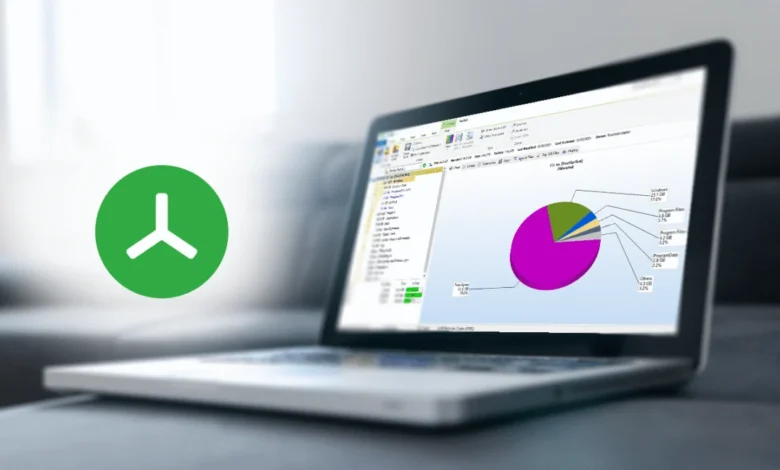
The long-standing debate surrounding software licensing models has been reignited by a recent policy change from JAM Software, the developers of the popular disk space analysis tool TreeSize. While the company asserts its decision to discontinue indefinite, unrestricted availability of older software versions and their associated license keys is a long-standing practice driven by security and support considerations, the move has generated significant backlash from users who feel it contradicts the spirit of perpetual licensing. This situation highlights a broader trend within the software industry, where a shift towards subscription-based revenue models is increasingly impacting customer expectations and the perceived value of one-time purchases.
At the heart of the controversy is JAM Software’s stance that providing unlimited, unrestricted access to older software versions indefinitely poses a significant risk, particularly to business environments. According to a statement attributed to a company representative, Christ, "Making these available for download indefinitely and without restriction is something we consider a risk to our customers, particularly in business environments. There’s also the technical and organizational overhead of maintaining and supporting old versions and their associated keys indefinitely." This rationale points to the practical challenges and potential vulnerabilities associated with supporting legacy software, which can include unpatched security flaws, compatibility issues with newer operating systems, and the burden of managing outdated licensing mechanisms.
The backlash from users, however, underscores a fundamental disconnect between the traditional understanding of a perpetual license – often interpreted as a "buy it once, own it forever" proposition – and the evolving business strategies of software vendors. For many customers, particularly those who purchased TreeSize in the past with the expectation of ongoing access to the version they acquired, this policy shift feels like a devaluation of their initial investment. This sentiment is amplified by the growing prevalence of subscription models, which have become the dominant paradigm for software delivery and revenue generation over the past decade.
A History of Perpetual Licenses and Evolving Expectations
Historically, software was predominantly sold through a perpetual license model. This meant customers paid a one-time fee and received the right to use a specific version of the software indefinitely. Updates and major version upgrades often required additional purchases, but the core license remained valid. This model fostered a sense of ownership and long-term commitment between users and software providers.
The advent of the internet and the rise of cloud computing, however, paved the way for subscription-based services. This shift, championed by major players like Microsoft with its Office 365 suite and Adobe with its Creative Cloud, offered several perceived advantages to vendors: predictable recurring revenue streams, easier deployment of updates and new features, and a more direct ongoing relationship with customers. While many businesses and individuals have embraced subscriptions for their flexibility and access to the latest software, it has also created friction for those who prefer the traditional ownership model.
JAM Software’s TreeSize, a tool designed to analyze and visualize disk space usage on hard drives, has a history of offering perpetual licenses. The company’s assertion that its current policy is "long-standing" suggests an ongoing internal approach to version management, even if it wasn’t always as prominently communicated or as strictly enforced as it might be now. However, the current wave of customer dissatisfaction indicates that the practical implications of this policy are only now being fully realized by a significant portion of its user base.
The Notification Process: Proactive Measures and Customer Understanding
In an effort to mitigate the impact of this policy, JAM Software claims to have a proactive notification process in place. According to Christ, customers are informed via email well in advance of their maintenance period ending. This notification is intended to prompt users to back up their installation files and license keys themselves, thereby ensuring they retain access to the software version they have purchased. "To make sure customers aren’t caught off guard, we proactively notify them by email, well before their maintenance ends, to back up their installation file and license key themselves," Christ stated. "This is meant to ensure no one loses access to software they’ve already purchased."
This communication strategy, while well-intentioned, appears to be insufficient for some users who may not fully grasp the long-term implications of losing access to download links or license key validation servers for older versions. The reliance on users to independently archive software and keys can be a point of failure, especially for less tech-savvy individuals or in organizations with less robust IT management practices.
The Subscription Question: Value Proposition and Alternatives
The TreeSize situation also raises broader questions about the inherent value of subscribing to a utility software like a disk space analyzer. Critics argue that for many users, the functionality offered by such tools is relatively static, and the need for continuous, feature-rich updates may be limited. This is particularly true when compared to complex applications like professional design suites or enterprise resource planning systems, where ongoing innovation is crucial.
The existence of free, open-source alternatives like WinDirStat further complicates the subscription argument for TreeSize. WinDirStat offers core disk space analysis functionalities without any cost, though it may lack the polish, advanced features, or dedicated business support that a commercial product provides. This creates a benchmark against which users can evaluate the necessity of a paid subscription for TreeSize.
Financial Implications and Refund Requests
When confronted with online requests for refunds, JAM Software’s position, as articulated by Christ, is that refunds are not warranted because customers do receive what was originally agreed upon: indefinite use of the software version they purchased. "Since our customers do receive what was agreed, namely indefinite use of the software version they purchased, we don’t consider a refund to be warranted," Christ explained. This stance emphasizes the legal and contractual interpretation of the purchase, focusing on the perpetual right to use the specific version acquired, rather than the ongoing accessibility of download links or the ability to re-download or re-activate the software indefinitely.
The Free Tier and Feature Differentiation
JAM Software does offer a free version of TreeSize, but it is explicitly not intended for business use and comes with limitations. Key features absent from the free version include the ability to search for duplicate files, deduplicate redundant files, and compare disk space usage over time. These advanced functionalities are likely what attract business users and justify the cost of the paid versions, including those that may eventually transition to or be influenced by a subscription model. The tiered approach, with a limited free version and paid tiers, is a common strategy to cater to different user needs and budgets while driving revenue.
The Broader Trend: The Software Industry’s Embrace of Recurring Revenue
TreeSize’s evolution is a microcosm of a much larger phenomenon: the software industry’s pervasive embrace of the subscription economy and its relentless pursuit of recurring revenue. Over the last decade, a significant number of software vendors have transitioned from perpetual licensing to subscription-based models. This strategic pivot is driven by the desire for more predictable and stable income streams, which are less susceptible to the cyclical nature of one-time software sales.
This shift has been observed across various software categories, from operating systems and productivity suites to creative tools and specialized business applications. The benefits for vendors are clear: a consistent revenue flow allows for more consistent investment in research and development, ongoing support, and marketing efforts. It also enables companies to offer software as a service (SaaS), which can simplify deployment and management for end-users, especially in enterprise environments.
However, for consumers, this transition can mean a shift from outright ownership to ongoing rental. While subscriptions often provide access to the latest features and updates, they also mean that once a subscription is no longer paid, access to the software and its features is terminated. This can be particularly concerning for users who rely on specific software for critical business functions and prefer the certainty of owning a license outright.
JAM Software’s Rationale: Long-Term Viability and Product Relevance
According to Christ, JAM Software’s decision to emphasize predictability in development and support is a strategic imperative for long-term viability. "The broader economic environment is more challenging today than it was a few years ago, and we feel that too as a software vendor," he stated. "To continue meeting our own standards and our responsibility to business customers who rely on high-quality software, we are placing greater emphasis on predictability in development and support. A subscription model gives us that predictability in a way one-time purchases do not."
This statement suggests that the company views a subscription model as essential for its ability to continue developing and supporting a high-quality product over the long haul. The unpredictable nature of one-time purchases can make it difficult for software companies to forecast revenue, plan for future development, and invest in the resources needed to maintain and improve their offerings. In a competitive market, consistent investment in innovation and robust support is crucial for retaining customers and attracting new ones.
The Implications for Consumers and the Future of Software Licensing
The TreeSize case, while specific to a single software product, reflects a broader tension between customer expectations and industry trends. For consumers, it highlights the importance of carefully understanding software licensing terms, especially when purchasing perpetual licenses. It also underscores the need to proactively manage software installations and license keys, as vendors increasingly move towards models that may not guarantee indefinite access to download archives.
The ongoing shift towards subscriptions raises questions about the future of software ownership. Will perpetual licenses become a relic of the past, or will there always be a market for them? The response from TreeSize users suggests that there is still a significant segment of the market that values the traditional ownership model. However, the economic realities and strategic advantages of subscriptions for software vendors are undeniable, making it likely that this trend will continue to shape the software landscape for years to come.
Ultimately, the debate over TreeSize’s policy is not just about a single software tool but about the evolving relationship between software creators and consumers in an era of subscription-driven economies. It forces a re-evaluation of what "perpetual" truly means in the digital age and prompts a broader conversation about value, ownership, and the long-term sustainability of software development. The industry’s continued push towards recurring revenue will undoubtedly lead to more such discussions and potential friction points as businesses and individuals navigate this changing landscape.