The Corporate Finance Institute (CFI) has launched a new course, "Power Query Fundamentals," designed to equip individuals with essential data extraction and transformation skills. This program aims to empower both Excel-focused analysts and Business Intelligence (BI) professionals to streamline data preparation processes, enabling them to dedicate more time to deriving impactful insights rather than wrestling with data manipulation. The course emphasizes practical application, guiding learners through common techniques for cleaning, restructuring, and integrating data from diverse sources.
The Growing Importance of Data Preparation in the Modern Economy
In today’s data-driven world, the ability to efficiently manage and prepare data is paramount. Organizations across all sectors are increasingly reliant on accurate and accessible data for strategic decision-making, operational efficiency, and competitive advantage. However, the sheer volume and variety of data available often present significant challenges. Data often exists in disparate formats, across multiple systems, and may require extensive cleaning and transformation before it can be effectively analyzed. This bottleneck in the data pipeline can significantly delay critical insights and hinder an organization’s ability to react swiftly to market changes.
Power Query, a feature integrated into Microsoft Excel and Power BI, has emerged as a powerful solution to address these challenges. It provides a user-friendly interface and robust capabilities for connecting to various data sources, transforming raw data into a usable format, and automating repetitive data preparation tasks. The demand for professionals proficient in tools like Power Query has surged, reflecting the critical role of data preparation in the success of modern businesses. According to a report by Burning Glass Technologies, job postings requiring data preparation skills have seen a significant increase, underscoring the market’s need for these capabilities.
Course Overview: Empowering Data Professionals with Power Query
The "Power Query Fundamentals" course offers a comprehensive introduction to this vital tool. It delves into the core principles of data extraction and transformation, providing learners with the foundational knowledge to seamlessly integrate data from multiple sources. The curriculum is structured to impart practical skills, covering common techniques for cleaning and restructuring datasets to ensure they are analysis-ready. By mastering these techniques, participants can transform what was once a time-consuming and often manual process into an efficient and automated workflow.
The course highlights the practical applications of Power Query in real-world scenarios. Key learning modules include the automation of data connections, the consolidation of data from multiple files, and the effective troubleshooting of common issues encountered during data preparation. This practical approach ensures that learners are not only theoretically sound but also capable of applying their knowledge to solve immediate business challenges.
Target Audience and Career Pathways
This Power Query course is specifically designed for individuals seeking to enhance their understanding of Business Intelligence and data analysis. It is an ideal starting point for those aspiring to build a career in data analysis, quantitative analysis, business intelligence, or various finance-related fields. The fundamental knowledge imparted by this course serves as a crucial stepping stone for these demanding and rapidly growing professions.
The skills acquired through this program are directly applicable to roles such as:
- Data Analyst: Responsible for collecting, cleaning, and analyzing data to provide insights and support decision-making.
- Business Intelligence Analyst: Focuses on using data to help organizations make better business decisions, often involving the creation of dashboards and reports.
- Financial Analyst: Utilizes data for financial planning, forecasting, and investment analysis.
- Operations Analyst: Analyzes operational data to identify inefficiencies and recommend improvements.
By mastering Power Query, individuals can significantly enhance their employability and open doors to a wide range of career opportunities.
Software Requirements and Accessibility
Power Query is readily accessible within most contemporary versions of Microsoft Excel and Power BI. This broad availability ensures that a significant number of users can engage with the course material without requiring specialized or expensive software. For individuals unsure about the compatibility of their current software, CFI provides a direct link to Microsoft’s official documentation: https://learn.microsoft.com/en-us/power-query/power-query-what-is-power-query#where-can-you-use-power-query. This resource allows users to verify if Power Query is available in their specific Excel or Power BI version.
The course emphasizes practical, hands-on learning, and participants will benefit from having access to a PC or Mac, Microsoft Office Suite (version 2016 or newer), and a stable internet connection. These are standard requirements for most professional environments, making the course accessible to a broad audience.
Course Structure and Learning Objectives
The "Power Query Fundamentals" course is structured to provide a progressive learning experience, covering essential aspects of data manipulation. The key learning objectives include:
- Getting Started with Power Query: Understanding the interface, basic concepts, and how to connect to various data sources.
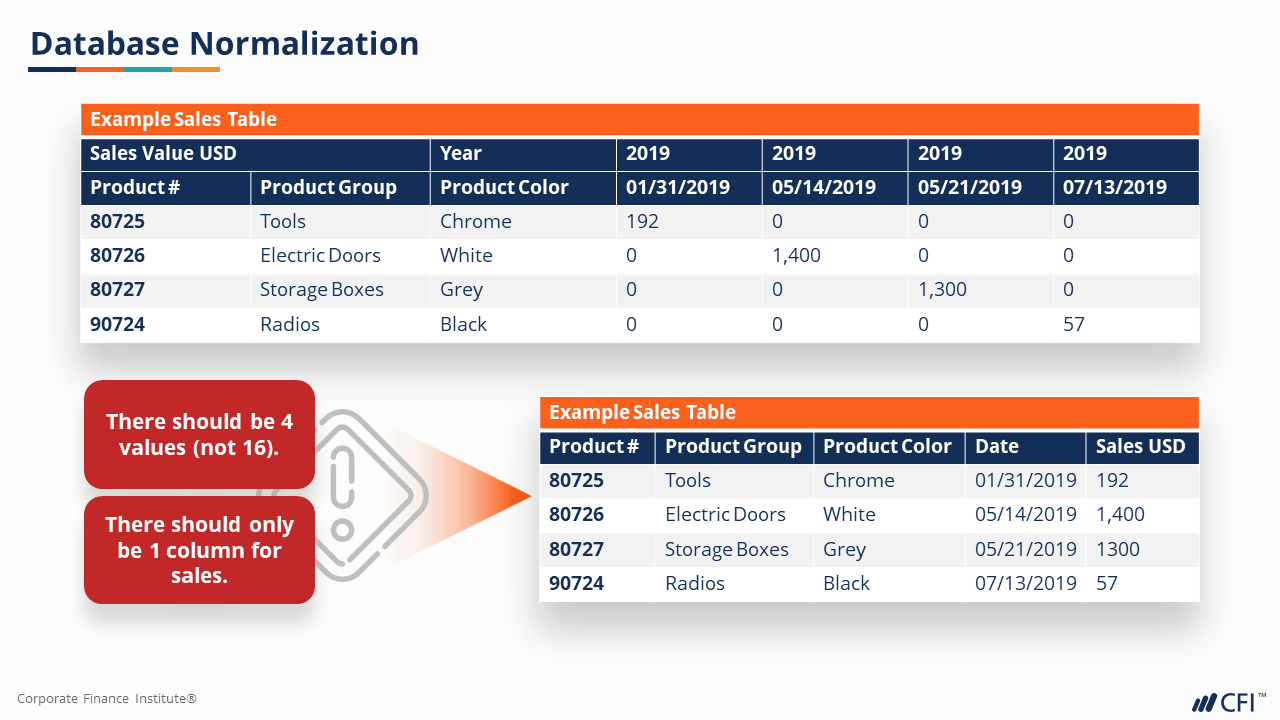
- Basic Transformations: Learning fundamental data cleaning and reshaping techniques, such as filtering, sorting, changing data types, and renaming columns.
- Extracting Information: Developing skills to extract specific data points and insights from datasets.
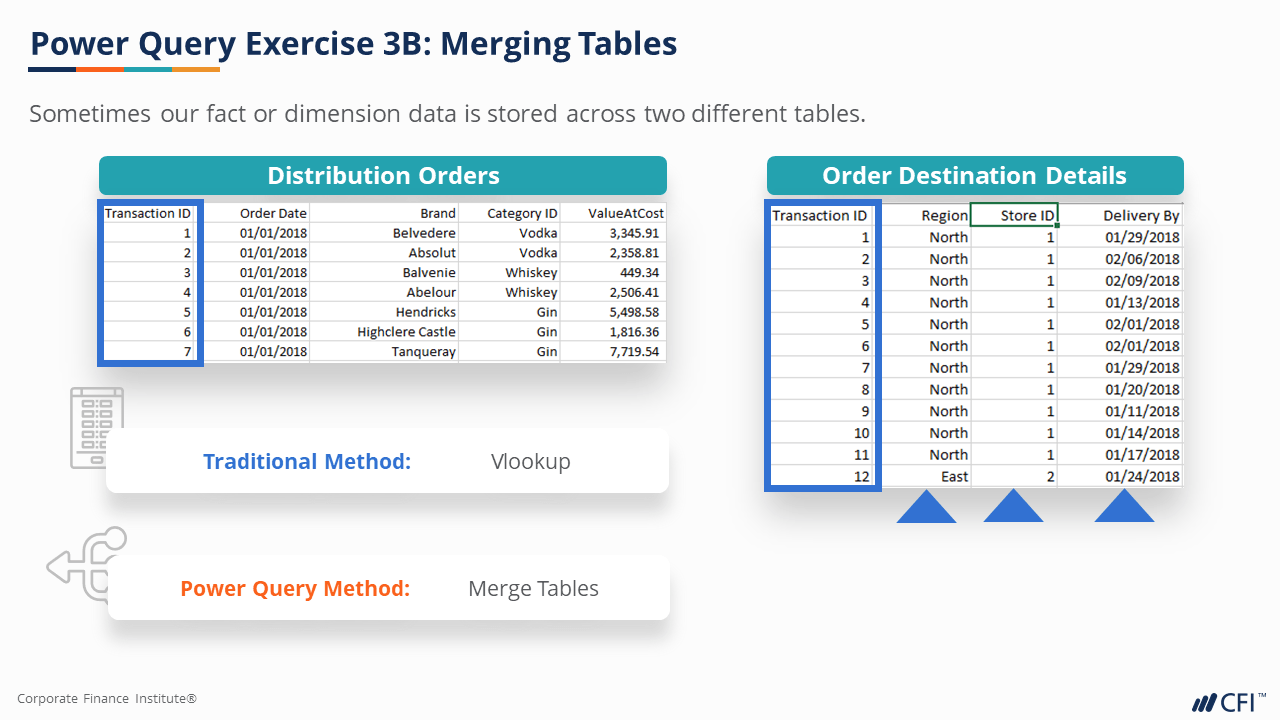
- Consolidating Data: Mastering the techniques for combining data from multiple files and sources into a single, unified dataset.
- Dealing with Errors: Learning strategies for identifying, understanding, and resolving common data errors.
- Course Summary and Assessment: Consolidating learned concepts and undergoing a qualified assessment to demonstrate mastery.
Prerequisite Skills
While the course is designed to be fundamental, a basic understanding of data concepts and familiarity with Microsoft Excel is recommended. This includes an understanding of spreadsheets, basic formulas, and data organization principles. While not strictly mandatory, prior exposure to these areas will allow learners to grasp the Power Query concepts more rapidly and effectively.
What You’ll Learn: A Module-by-Module Breakdown
The "Power Query Fundamentals" course is divided into several key modules, each designed to build upon the previous one:
- Getting Started: This initial module introduces learners to the Power Query environment, explaining its purpose and how to access it within Excel and Power BI. Participants will learn to establish connections to various data sources, including Excel files, CSV files, databases, and web pages.
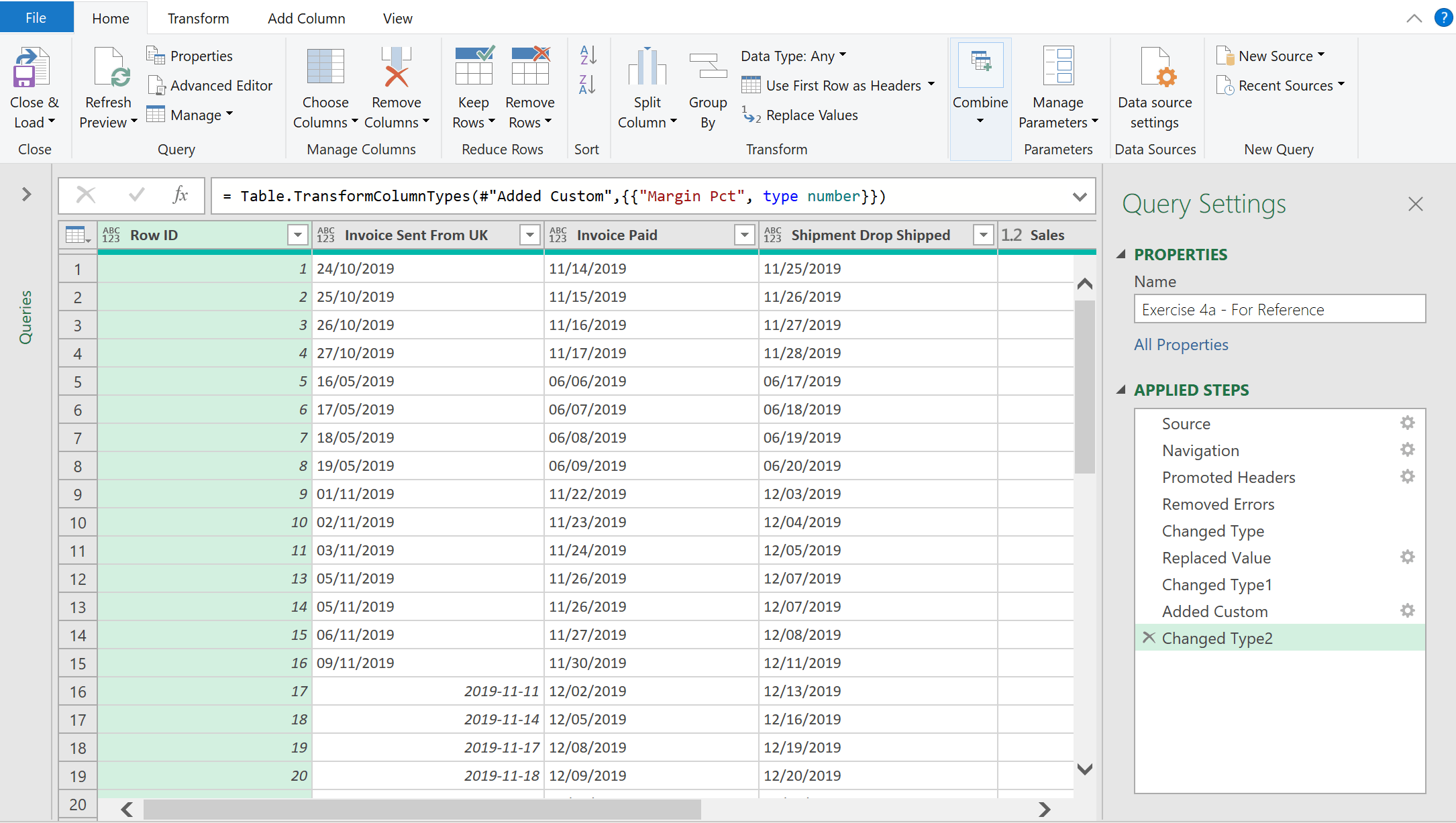
- Basic Transformations: This section focuses on the core data cleaning and manipulation techniques. Learners will master operations such as removing unnecessary rows and columns, filtering data based on specific criteria, sorting data in ascending or descending order, changing data types (e.g., from text to number or date), and renaming columns for clarity.
- Extracting Information: This module delves into more advanced extraction techniques. Participants will learn how to split columns, merge columns, use conditional columns to create new data based on existing values, and perform text transformations like trimming whitespace or changing case.
- Consolidating Data: A critical skill for many data professionals, this module teaches learners how to combine data from multiple files, such as merging multiple Excel sheets or appending tables from different sources. This is invaluable for creating comprehensive datasets from fragmented information.
- Dealing with Errors: Data preparation often involves encountering and resolving errors. This module equips learners with strategies for identifying common data issues, such as incorrect formats, missing values, or inconsistent entries. It will cover methods for handling and correcting these errors to ensure data integrity.
- Course Summary: This module provides a recap of the key concepts and techniques covered throughout the course, reinforcing learning and preparing participants for the final assessment.
- Qualified Assessment: A comprehensive assessment designed to evaluate the learner’s understanding and practical application of Power Query skills. Successful completion of this assessment leads to a certificate of completion, validating their newfound expertise.
Integration with Broader Professional Development Programs
The "Power Query Fundamentals" course is not an isolated offering but is strategically integrated into several of CFI’s comprehensive professional development programs. This integration underscores the foundational importance of Power Query in a wider array of finance and data-focused specializations.
This course is a key component of:
- Business Essentials Certificate: This certificate program provides a broad understanding of core business principles, and data proficiency is a critical element for success in today’s business environment.
- Data Analysis in Excel Specialization: For those focusing on leveraging Excel for in-depth data analysis, Power Query is an indispensable tool for preparing data for complex modeling and reporting.
- Business Intelligence Analyst Specialization: As the name suggests, this specialization heavily relies on the ability to extract, transform, and load data efficiently, making Power Query a central pillar of the curriculum.
- Financial Planning & Analysis (FP&A) Professional: FP&A professionals require robust data handling skills to perform forecasting, budgeting, and variance analysis. Power Query significantly enhances their ability to source and prepare the necessary data.
By participating in the "Power Query Fundamentals" course, individuals not only gain a valuable standalone skill but also contribute towards achieving these broader professional certifications, enhancing their career prospects and demonstrating a well-rounded skillset.
Testimonials: Learner Experiences with CFI Courses
The impact of CFI’s educational offerings is often best illustrated by the experiences of its students. Feedback from individuals who have engaged with CFI courses highlights the practical value and effectiveness of the learning content.
Emmanuel Kwame Okyere provided an "Excellent work. Keep it up" testimonial, reflecting general satisfaction with the quality of instruction. Ayodeji Paul Owoeye specifically praised the "Power Query best explained" course, noting that it provided a "clearer and fundamental understanding." He added, "The examples used will prepare you for real-life scenarios and with further practices, you will be an expert. Thanks a lot Mr. Taylor." This highlights the course’s effectiveness in translating theoretical knowledge into practical, real-world applicability.
Emanuele Ghidoni found the course "Useful!" stating, "Clear and practical lessons, very useful course for daily work!" This sentiment is echoed by Victor Joshua Adeoye, who described the experience as "Easy to use" and "very awesome" due to the "ease of interacting with the platform and able to write notes and very smooth teaching." These testimonials collectively emphasize the clarity of instruction, the practical relevance of the content, and the user-friendly nature of CFI’s learning platform.
Frequently Asked Questions: Addressing Learner Inquiries
CFI addresses common learner concerns through a comprehensive FAQ section, ensuring clarity on program logistics and expectations.
- Technical Requirements: To participate in CFI courses, students require a PC or Mac, Microsoft Suite (2016 or newer), and a stable internet connection. CFI provides detailed technical requirements for users.
- Downloadable Files: All necessary Excel files and financial modeling templates are available for download within the course dashboard, usually marked as "Downloadable Files."
- Course Completion Time: Courses offer yearly access with a subscription and are self-paced, allowing learners to progress at their own speed without strict deadlines.
- Accreditation and CPE Credits: CFI is accredited by the Better Business Bureau® (BBB) and recognized by accounting bodies like the CPA Institutions in Canada and NASBA in the USA. Many courses qualify for verifiable CPE credits.
- Pricing Currency: All online courses are priced in USD and payments are accepted via major credit and debit cards.
- Exam Format: Online assessments, including multiple-choice questions, fill-in-the-blanks, and Excel-based tasks, are conducted at the end of each course. A minimum of 80% is required to pass, and exams can be retaken.
- Instructor Communication: While courses are primarily self-study, general and technical support is available via email. "Full Immersion" bundles offer premium email support for direct communication with in-house experts on course content.
- Career Advancement: CFI courses are designed to be highly practical and simulate professional training, aiming to significantly aid career advancement in finance and data analysis. A free career resources library is also available.
- Refund Policy: CFI operates under a non-refundable policy for all payments, as required by law. Subscription cancellations do not result in refunds; access continues until the end of the current billing cycle.
- Further Assistance: For additional questions, users are encouraged to consult the CFI Help Center or contact them via email.
Conclusion: Investing in Data Proficiency
The "Power Query Fundamentals" course represents a strategic investment for any professional looking to enhance their data handling capabilities. In an era where data is a critical organizational asset, the ability to efficiently extract, transform, and prepare data is no longer a niche skill but a fundamental requirement for success. CFI’s program offers a structured, practical, and accessible pathway to mastering this essential tool, empowering individuals to contribute more effectively to their organizations and advance their careers in the increasingly data-centric business landscape.
Related posts: