The Comprehensive Guide to Facebook Advertising Dimensions and Design Specifications for Global Digital Marketing Success


Digital marketers and social media managers operate in an environment where visual precision is not merely a preference but a fundamental requirement for campaign viability. The complexity of the Meta advertising ecosystem, which encompasses Facebook, Instagram, Messenger, and the Audience Network, necessitates a rigorous adherence to specific dimensions and technical guidelines to ensure that brand assets are rendered correctly across a diverse array of devices. Uploading a low-resolution video or an incorrectly cropped image is an error that extends beyond aesthetics; it directly impacts the algorithm’s delivery efficiency and the advertiser’s return on investment (ROI). Because Meta frequently updates its interface and ad delivery mechanics, staying current with the latest specifications is a prerequisite for any successful performance marketing strategy.

The Strategic Importance of Precise Ad Specifications
In the contemporary digital landscape, the "thumb-stop" effect is the primary goal of any visual asset. When an image is improperly sized, it may appear blurry, truncated, or "letterboxed" with black bars, all of which signal a lack of professionalism to the consumer. Data from industry benchmarks suggest that ads adhering to platform-native aspect ratios see significantly higher engagement rates compared to repurposed content that does not fit the frame. Furthermore, Facebook’s ad auction system favors high-quality creative. Assets that meet or exceed resolution recommendations are often rewarded with lower Cost Per Mille (CPM) rates because they provide a better user experience, which is a core metric for Meta’s delivery algorithm.
Historically, the evolution of Facebook’s ad specs reflects a broader shift toward mobile-first consumption. In the early 2010s, desktop-centric landscape images were the standard. However, with over 98% of Facebook’s active user base now accessing the platform via mobile devices, the transition toward square (1:1) and vertical (4:5 or 9:16) formats has become absolute. This shift requires designers to rethink composition, ensuring that the focal point of an image or video remains central and unobstructed by platform overlays such as Call-to-Action (CTA) buttons or profile icons.
Facebook In-Feed Advertisements: The Core of Engagement
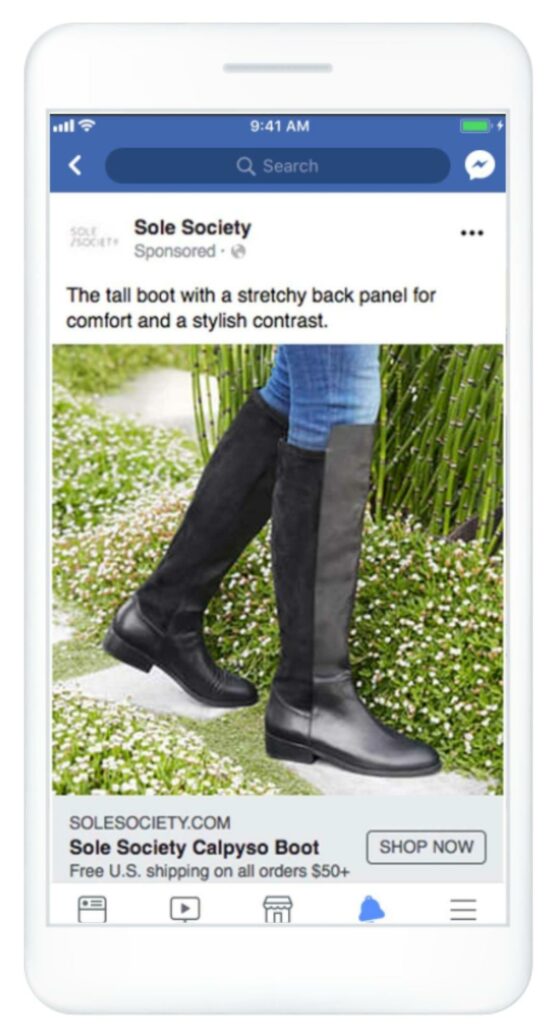
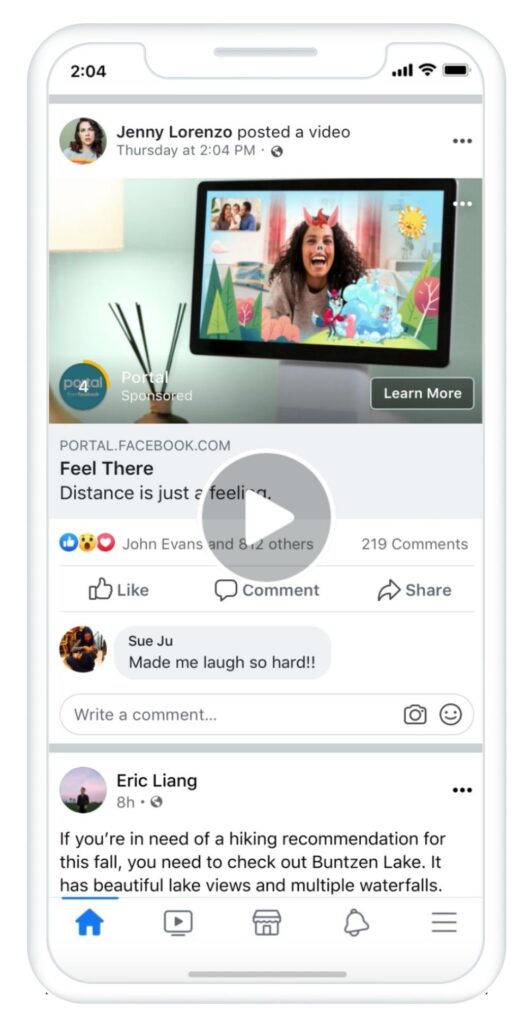
The Facebook News Feed remains the most coveted real estate for digital advertisers. These ads appear seamlessly between organic posts from friends, family, and followed groups, making them highly effective for both brand awareness and direct response campaigns. Because in-feed ads are native to the scrolling experience, they must maintain a high standard of visual fidelity to avoid being dismissed as intrusive "spam."
Technical Specifications for In-Feed Images
For static imagery within the feed, Facebook supports JPG and PNG file types. While the minimum required size is 600 x 600 pixels, industry experts recommend a resolution of at least 1080 x 1080 pixels to ensure clarity on high-density Retina displays. The supported image ratios range from 1.91:1 to 1:1. However, the 1:1 square ratio is widely considered the gold standard for cross-platform compatibility between Facebook and Instagram.
- Maximum File Size: 30 MB
- Primary Text: 125 characters (recommended to avoid truncation)
- Headline: 27 characters
- Description: 27 characters
Technical Specifications for In-Feed Videos
Video content continues to outperform static images in terms of dwell time and conversion. Meta’s current recommendations for feed video suggest a 1:1 ratio for desktop and mobile, though a 4:5 vertical ratio is permissible for mobile-only targeting to maximize screen real estate.
- File Types: MP4, MOV, or GIF
- Resolution: Minimum 1080 x 1080 pixels
- Video Length: 1 second to 241 minutes
- Maximum File Size: 4 GB
Immersive Video: Facebook In-Stream and Stories
As users spend more time consuming long-form video and ephemeral content, in-stream and story placements have become vital for reaching younger demographics. In-stream video ads are unique because they appear during the playback of other video content, essentially acting as "commercial breaks" within the Facebook Watch environment or during Live broadcasts.

In-Stream Video Dynamics
In-stream ads are specifically designed for mobile users and appear only after a user has been engaged with a video for at least 60 seconds. This placement boasts high completion rates because the audience is already in a "lean-back" viewing mode.
- Ratio: 16:9 (Landscape) or 1:1 (Square)
- Duration: 5 seconds to 10 minutes (though 15-30 seconds is optimal for retention)
- Resolution: At least 1080 x 1080 pixels
Facebook Stories: The Vertical Frontier
Following the success of Instagram Stories, Facebook Stories have become a primary destination for vertical, full-screen creative. These assets expire after 24 hours, but the ads interspersed between them provide an uninterrupted, immersive experience.

- Image/Video Ratio: 9:16
- Safe Zones: Marketers must leave approximately 14% (250 pixels) at the top and bottom of the creative free from text or logos. This prevents essential branding from being obscured by the user’s profile icon or the "Swipe Up" CTA.
- Resolution: 1080 x 1080 pixels minimum; 1080 x 1920 pixels recommended.
High-Conversion Formats: Carousel and Collection Ads
For e-commerce brands, single-asset ads are often insufficient to showcase a full product line. Carousel and Collection ads provide a multi-faceted approach to storytelling, allowing users to interact with multiple products within a single ad unit.
Carousel Ads
The Carousel format allows for 2 to 10 "cards," each with its own unique link. This is ideal for highlighting different features of a single product or displaying a variety of items in a collection.

- Image/Video Ratio: 1:1
- Resolution: 1080 x 1080 pixels
- Text: Primary text of 125 characters, with headlines capped at 32 characters for optimal mobile display.
Collection Ads
Collection ads are a mobile-only format that pairs a primary "hero" video or image with four smaller product images. When a user clicks, they are transported to an "Instant Experience"—a lightning-fast, full-screen landing page within the Facebook app. This eliminates the friction of slow-loading external websites, which is a major cause of cart abandonment.
- Hero Asset Ratio: 1:1
- Resolution: 1080 x 1080 pixels
- Impact: Brands using Collection ads frequently report a 20-30% increase in conversion rates compared to standard feed ads, particularly in the retail and travel sectors.
Specialized Placements: Marketplace, Right Column, and Audience Network
Beyond the main feed, Meta offers niche placements that cater to specific user intents.

Facebook Marketplace
Marketplace is a high-intent environment where users are actively looking to purchase. Ads here function similarly to feed ads but are tailored to local discovery.
- Specs: 1:1 ratio, 1080 x 1080 pixels.
- Strategic Note: Creative for Marketplace should feel "at home" in a classifieds environment—often, less polished, more authentic photography performs better here than high-fashion studio shots.
Facebook Right Column
The Right Column is a desktop-exclusive placement. While it has smaller reach due to the dominance of mobile, it remains a cost-effective retargeting tool for B2B marketers who know their audience is browsing on work computers.

- Image Ratio: 1:1 (previously 16:9)
- Minimum Width: 254 pixels
- Minimum Height: 133 pixels
Audience Network
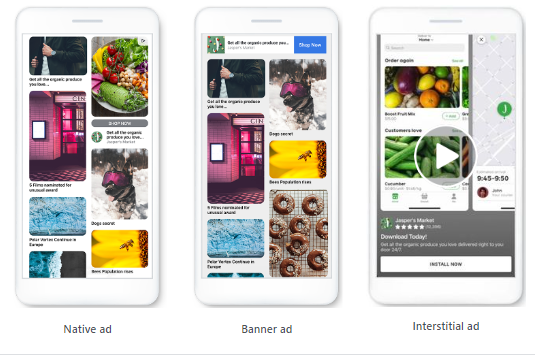
The Audience Network extends Facebook’s targeting power to thousands of high-quality third-party apps and websites. This placement is essential for scaling campaigns that have exhausted their reach within Facebook’s native borders.
- Formats: Supports native, banner, and interstitial ads.
- Video Specs: Primarily 1:1 or 4:5 ratios to match the variety of third-party app interfaces.
Data-Driven Optimization and Industry Implications
The transition of Facebook’s advertising platform into an AI-driven "black box" (via tools like Advantage+ Shopping Campaigns) has changed the role of the marketer. As the algorithm takes over more of the targeting and bidding, the "creative" becomes the primary lever for performance. If the creative assets do not meet the technical specifications, the AI cannot effectively test them across different placements, leading to a "creative fatigue" that can tank a campaign’s performance in days.

Industry analysts note that as privacy regulations like Apple’s App Tracking Transparency (ATT) limit data signals, the quality of the ad itself must work harder to signal relevance. High-resolution, correctly formatted ads are more likely to be engaged with, providing the platform with the "positive signals" it needs to find more customers.
Furthermore, accessibility is a growing concern. Using the correct ad sizes ensures that text is legible and that videos are viewable for users with varying degrees of visual impairment. Adding captions to videos—a recommendation for all Facebook video ads—is not only an accessibility requirement but a performance one, as up to 85% of social media videos are watched without sound.
Conclusion: The Path Forward for Marketers
Mastering Facebook ad sizes and design specifications is an ongoing process of adaptation. As Meta continues to experiment with augmented reality (AR) ads and metaverse-adjacent placements, the technical requirements will only become more complex. However, the core principles remain the same: prioritize high resolution, respect the safe zones of the mobile screen, and choose the aspect ratio that best serves the user’s current viewing context.
By adhering to these 2024 standards, marketers can ensure their message is delivered with clarity and impact. The difference between a campaign that scales and one that stalls often comes down to the pixels. In a world of infinite scrolling, ensuring your brand occupies its space perfectly is the first step toward capturing the consumer’s mindshare and driving long-term growth.