5th Circuit Revives Hostile Work Environment Claim Against Corpus Christi Medical Center Citing Insufficient Investigation

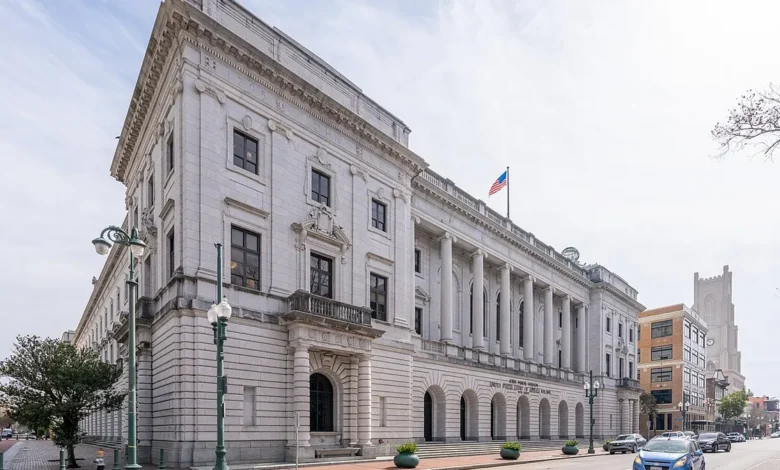
The 5th U.S. Circuit Court of Appeals has overturned a lower court’s summary judgment, reviving a lawsuit brought by a Black healthcare professional against Corpus Christi Medical Center and Bay Area Healthcare Group. In a significant ruling for employment law, the appellate court determined that a reasonable jury could find the employer’s internal investigation into allegations of racial harassment was "insufficiently prompt and thorough," thereby exposing the organization to liability under Title VII of the Civil Rights Act of 1964. The decision, handed down in mid-2026, serves as a stark reminder to human resources departments and corporate legal teams that the mere existence of an investigation is not a "get out of jail free" card; the quality, speed, and documentation of that investigation are what ultimately provide legal protection.
The Foundation of the Allegations: A Culture of Exclusion
The plaintiff, a nurse at the Corpus Christi Medical Center (CCMC), alleged that her tenure was marked by a pervasive atmosphere of racial hostility. According to court documents and deposition testimony, the plaintiff was subjected to a series of racially charged incidents that she claimed were fostered by a "clique" of white employees. These experiences were not isolated events but rather a pattern of conduct that left the plaintiff feeling "less than human" and questioning her ability to function in the workplace.
To support her claims of a hostile work environment, the plaintiff provided a robust evidentiary record. This included her own detailed deposition, testimony from a Black co-worker who witnessed and experienced similar treatment, and a series of emails documenting specific harassing incidents as they occurred. Furthermore, the plaintiff introduced medical and counseling records into the discovery process. These records illustrated a significant psychological toll, showing that she suffered from distress, trauma, and a persistent fear of harm. She argued that this mental state led to a tangible decline in her work performance, creating a cycle where the hostile environment directly impacted her professional standing.
Central to the 5th Circuit’s deliberation was the concept of "secondhand harassment." The court noted that the plaintiff had witnessed her Black colleagues being targeted with similar vitriol. Citing prior legal precedent, the court reaffirmed that witnessing the harassment of others in one’s protected class "weighs in the plaintiff’s favor when assessing the totality of the circumstances." This holistic view of the workplace environment suggests that an employer cannot isolate incidents to diminish their severity; rather, the cumulative effect of the atmosphere must be considered.
Chronology of the Dispute and Internal Failures
The timeline of the case reveals a breakdown in communication and procedural rigor between the plaintiff and the hospital’s management. When the plaintiff first reported the harassment, she expected a corrective response that would dismantle the exclusionary "cliques" she identified.
- Initial Reporting: The plaintiff utilized internal channels to report racial slurs and exclusionary behavior by her peers.
- The Employer’s Response: Corpus Christi Medical Center asserted that it took immediate action. The defense argued that management conducted interviews with the accused parties and provided "coaching" to the nurses involved. Additionally, the hospital offered to transfer the plaintiff to a different unit—a move the employer characterized as a proactive solution.
- Discovery Discrepancies: As the case moved into the litigation phase, the employer’s defense began to fracture. During discovery, CCMC was unable to produce a formal investigation file or contemporaneous notes from the interviews it claimed to have conducted.
- Managerial Indifference: Most damaging to the defense was testimony regarding the managers’ attitudes. The plaintiff alleged that when she sought help, managers told her that "the cliques were not going anywhere," effectively signaling that the status quo of exclusion would be tolerated.
- Continued Harassment: Following the purported "coaching" sessions, the plaintiff provided evidence that the harassment did not cease. This suggested that the employer’s corrective measures were either purely performative or fundamentally ineffective.
The 5th Circuit took particular issue with the discrepancies between the staff’s verbal testimony and the lack of physical records. The court’s decision emphasized that an investigation cannot be deemed "thorough" if it lacks documentation and fails to produce a lasting change in the workplace culture.
Legal Analysis: The "Prompt and Thorough" Standard
Under Title VII of the Civil Rights Act, employers are held to a specific standard of care regarding workplace harassment. An employer is liable for the harassing conduct of non-supervisory employees if it "knew or should have known" of the harassment and failed to take "prompt and effective remedial action."
In this case, the 5th Circuit’s reversal of the district court’s summary judgment hinges on the definition of "effective." The hospital’s offer to transfer the plaintiff was scrutinized as a potential evasion of the problem rather than a resolution. Courts have increasingly viewed transferring the victim—rather than disciplining the harasser—as an inadequate response that may even constitute a form of retaliation or further isolation of the complainant.
Furthermore, the 5th Circuit’s decision aligns with a broader judicial trend of scrutinizing the "totality of the circumstances." By including the plaintiff’s counseling records and her observations of peer harassment, the court signaled that the subjective experience of the victim is a critical component of the legal test. If a workplace is so toxic that it causes clinical distress and a fear of physical harm, the threshold for a "hostile work environment" is likely met, regardless of whether the employer claims to have "coached" the offenders.

Comparative Precedents: A National Shift
The 5th Circuit’s ruling does not exist in a vacuum. It follows a series of recent decisions across other U.S. appellate courts that have lowered the bar for what constitutes a "severely offensive" environment.
- The 9th Circuit (2019): This court previously held that a manager’s use of just four racial slurs over the course of a single year could be sufficient to establish an abusive work environment. This moved the needle away from the idea that harassment must be "constant" to be actionable.
- The 10th Circuit (2026): Just one week prior to the CCMC ruling, the 10th Circuit revived a case against Walmart involving anti-gay harassment. The court there similarly held that multiple discriminatory acts, even if spread out, plausibly alleged a hostile environment.
These cases collectively suggest that the judiciary is becoming less tolerant of summary judgments in harassment cases. Judges are increasingly leaving it to juries to decide if an employer’s response was truly "thorough," especially when the employer fails to maintain a clear paper trail of its disciplinary actions.
Supporting Data: The Rising Cost of Workplace Toxicity
The implications of the CCMC case are underscored by data regarding workplace discrimination. According to the Equal Employment Opportunity Commission (EEOC), harassment remains one of the most frequently cited bases in discrimination charges.
- Financial Impact: In recent years, the EEOC has recovered hundreds of millions of dollars annually for victims of harassment through administrative enforcement and litigation. This does not include the billions spent by private corporations on settlements and legal fees.
- Retention and Productivity: Research by the Society for Human Resource Management (SHRM) indicates that workplace culture is a primary driver of turnover. Organizations with "toxic" cultures see a 20% higher turnover rate than those with inclusive environments. For a healthcare facility like CCMC, where nursing shortages are a perennial crisis, the cost of losing staff due to unaddressed "cliques" is both a legal and an operational liability.
- Mental Health: A 2025 study on workplace wellness found that employees who perceive their environment as hostile are 3.5 times more likely to report symptoms of clinical depression and anxiety, correlating directly with the evidence presented by the plaintiff in this case.
Official Responses and Broader Implications
While Corpus Christi Medical Center and Bay Area Healthcare Group have not issued a formal public statement regarding the ongoing litigation, their legal strategy remains focused on the assertion that they acted in good faith. Their defense continues to lean on the "Faragher-Ellerth" affirmative defense, which allows an employer to avoid liability if they can prove they exercised reasonable care to prevent and correct harassment and that the employee failed to take advantage of those opportunities.
However, the 5th Circuit’s ruling effectively neutralized this defense for the summary judgment stage. By pointing to the "insufficiently prompt" nature of the investigation, the court has forced the hospital to defend its actions in front of a jury.

For HR professionals, the "Dive Insight" from this case is clear: documentation is the only shield. The failure of CCMC to produce an investigation file or notes during discovery was a fatal blow to their attempt to dismiss the case early. In the modern legal landscape, if an investigation is not documented, it effectively did not happen in the eyes of the court.
Moreover, the "clique" comment made by managers highlights a dangerous trend of "cultural normalization." When management dismisses exclusionary behavior as "just the way things are," they are essentially admitting to a lack of control over the workplace environment. This admission can be used by plaintiffs to demonstrate that the employer’s remedial actions were never intended to be effective.
Conclusion: A Warning to the Healthcare Industry
The 5th Circuit’s decision to revive the hostile work environment claim against Corpus Christi Medical Center marks a pivotal moment in employment litigation for the region. It reinforces the necessity for organizations to move beyond "check-the-box" HR practices. A truly "thorough" investigation requires impartial interviews, detailed record-keeping, and, most importantly, corrective actions that actually stop the harassment.
As the case moves toward trial, the healthcare industry will be watching closely. The outcome will likely influence how hospitals and large-scale employers handle internal complaints of racial bias. In an era where "clique" culture can lead to million-dollar lawsuits and a breakdown in patient care quality due to staff distress, the mandate for a professional, inclusive, and legally compliant workplace has never been more urgent. The 5th Circuit has made it clear: the standard for protecting employees is rising, and employers who fail to keep pace will find themselves facing the full weight of federal civil rights law.