Gap Inc. reports mixed Q3 2026 fiscal results as namesake brand turnaround offsets portfolio headwinds

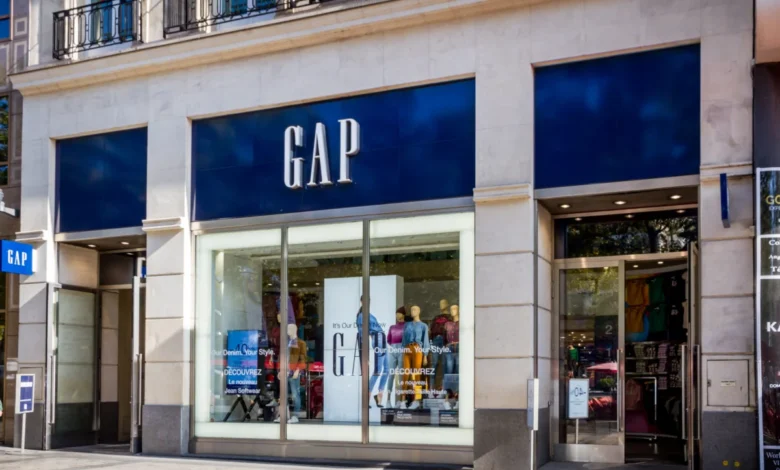
Gap Inc. reported a complex fiscal third quarter for 2026, characterized by a distinct divergence in performance across its four core banners. While the namesake Gap brand continued a streak of robust growth that has now spanned twelve consecutive quarters, other segments of the retail conglomerate struggled under the weight of unseasonably warm autumn weather and evolving consumer preferences. The company posted net sales of $4.01 billion, a modest 2% increase year over year, yet the underlying volatility within its portfolio prompted leadership to lower its full-year outlook.
The quarterly performance underscores the challenges inherent in managing a diversified retail portfolio in an era of rapid digital transformation and shifting macroeconomic conditions. Ecommerce remains a critical engine for the company, contributing 40% of total quarterly revenue—a figure that has remained consistent over the past year. Online sales grew by 3%, successfully outpacing the 1% growth recorded in physical store locations. Despite these digital gains, the broader retail environment has proven difficult to navigate, particularly for legacy brands attempting to modernize their aesthetic and operational efficiency.
A Chronology of Brand Performance and Leadership Shifts
The fiscal third quarter, ending October 31, was marked by significant leadership transitions intended to stabilize underperforming assets. The most notable shift involves the activewear brand Athleta, which reported a 14% year-over-year decline in net sales, totaling $220 million, with comparable sales dropping by 15%. In response, Gap Inc. announced that Ashley Kechter, the former global president of the fitness brand Vuori, will assume the role of president and CEO of Athleta effective December 14. Kechter brings deep institutional knowledge to the role, having previously held senior positions across the Gap, Old Navy, and Banana Republic banners.
The stabilization of Old Navy, the company’s largest revenue driver, served as a primary point of focus for CEO Richard Dickson. Following a 4% decline in comparable sales during the second quarter, Old Navy managed to reach a point of equilibrium in Q3, with net sales increasing 1% to $2.27 billion. This recovery was bolstered by the appointment of Michael Francis, who transitioned into the role of Old Navy president and CEO in November after serving as the brand’s chief customer officer. Dickson noted that the integration of Francis’s marketing and merchandising strategies had been instrumental in improving the brand’s positioning during the crucial back-to-school and early fall periods.
Financial Health and the Impact of External Factors
Gap Inc.’s reported net income reached $311 million for the third quarter, a substantial improvement over the $236 million reported during the same period in 2025. Furthermore, adjusted earnings per share (EPS) surged by 32% to $0.82. These figures reflect the company’s ongoing efforts to streamline costs and optimize inventory management. By the end of Q3, Gap Inc. held $2.3 billion in inventory, a 6% reduction from the previous year, suggesting improved operational discipline.
External regulatory factors also played a significant role in the company’s financial narrative. Gap Inc. expects a favorable shift in U.S. tariff rates to contribute approximately $46 million to its operating profit for the full year. Beyond this, the company has managed a significant recovery related to tariffs imposed under the International Emergency Economic Powers Act (IEEPA), recording a $420 million year-to-date adjustment to the cost of goods sold. While these non-operating financial adjustments provide a buffer, they highlight the sensitivity of global apparel retailers to geopolitical trade policy and legislative fluctuations.
Challenges in Fashion and Seasonal Demand
The struggle to align inventory with weather patterns and consumer fashion trends was most evident in the performance of Banana Republic. The brand reported a 3% decline in both net sales and comparable sales. CEO Richard Dickson admitted that the brand’s assortment was overly concentrated in cold-weather categories, such as heavy outerwear and sweaters, which failed to move as temperatures remained warmer than historical averages throughout October. Furthermore, the company acknowledged a lack of precision in its color and design strategy for its women’s apparel offerings, signaling a need for a more agile design cycle.
Athleta’s decline, meanwhile, points to a structural shift in the activewear market. Dickson noted that new entrants are rapidly reshaping the competitive landscape, raising the bar for innovation and brand relevance. The current comprehensive review of the Athleta business is expected to address these competitive pressures, though investors remain cautious about the timeline for a potential turnaround.
Digital Innovation and AI Integration
Gap Inc. continues to leverage its status as one of North America’s largest specialty apparel ecommerce businesses to maintain market relevance. With approximately 1.6 billion digital visits over the past year, the company is prioritizing "agentic commerce" and the expansion of its mobile app capabilities. In October, the retailer introduced conversational AI shopping tools for Old Navy and Banana Republic, designed to facilitate product discovery and provide personalized styling advice.
The company is also utilizing strategic partnerships to drive digital engagement. The collaboration with the styling app Alta Daily, which incorporates Gap merchandise into AI-generated outfit recommendations, represents a shift toward integrated digital ecosystems. Additionally, marketing campaigns featuring high-profile influencers like MrBeast and Cardi B have proven effective; the MrBeast campaign for Old Navy reportedly generated 1.4 billion impressions, contributing to a 20% increase in traffic to the brand’s children’s online assortment.
Physical Footprint and Diversification Strategies
Despite the focus on digital, the company is not abandoning its physical retail presence. Gap is in the midst of a strategic remodel of 35 locations, aiming to transition roughly a quarter of its North American specialty-store fleet into a new, more efficient format. Early data from these remodels shows promising trends in both foot traffic and average unit retail (AUR).
Growth is also being sought through product diversification beyond traditional apparel. The nationwide rollout of a beauty assortment at Old Navy has shown early success, with consumers who purchase beauty products tending to have larger shopping baskets and higher transaction values. Similarly, the Gap brand’s entry into the handbag market has seen high demand, with specific styles like the "Five Pocket Tote" selling out shortly after launch. While these accessory categories are not projected to contribute meaningfully to the bottom line in 2026, they are viewed as essential components of the company’s long-term strategy to increase customer lifetime value and drive incremental revenue.
Future Outlook and Strategic Implications
Gap Inc. has officially lowered its full-year fiscal 2026 revenue forecast to "roughly flat," down from its previous guidance of 1% to 1.5% growth. This adjustment reflects a cautious outlook for the remainder of the holiday season, with management noting a slower-than-anticipated start to Q4. To combat this, Old Navy has intensified its promotional activity, and Athleta has increased discounting to clear inventory.
The broader implications for Gap Inc. are clear: while the namesake Gap brand has successfully completed its pivot back toward core competencies—namely denim and fleece—the remainder of the portfolio remains in a state of flux. The reliance on promotional activity to drive volume in a competitive retail market poses a risk to margins, though the company’s focus on AI-driven personalization and a more disciplined inventory strategy may help mitigate these pressures.
As the company looks toward 2027, the focus will remain on the efficacy of its management shakeups at Athleta and Old Navy, the continued expansion of its accessories and beauty categories, and the ability of its digital platforms to convert high traffic volumes into consistent revenue growth. For investors and industry analysts, the success of these initiatives will be the primary indicator of whether Gap Inc. can sustain its momentum in an increasingly fragmented retail sector. The company’s ability to balance the agility required by the digital age with the operational rigor needed to manage a massive physical footprint will likely define its trajectory in the coming fiscal years.