Redefining the HR Legacy: Insights from Joan Peterson at the SPARK Talent Conference on Building Lasting Organizational Impact

Human Resources has long operated at the intersection of empathy and administration, often shouldering the invisible weight of corporate stability without the immediate acclaim afforded to revenue-generating departments. Behind every successful organizational pivot, compliance audit, employee engagement initiative, and conflict resolution session lies hours of meticulous labor conducted by HR professionals. Yet, despite the occasional lack of fanfare, the profession remains the anchor of the modern enterprise. When uncertainty strikes, organizations inevitably look to human resources for guidance, reassurance, and strategic direction.
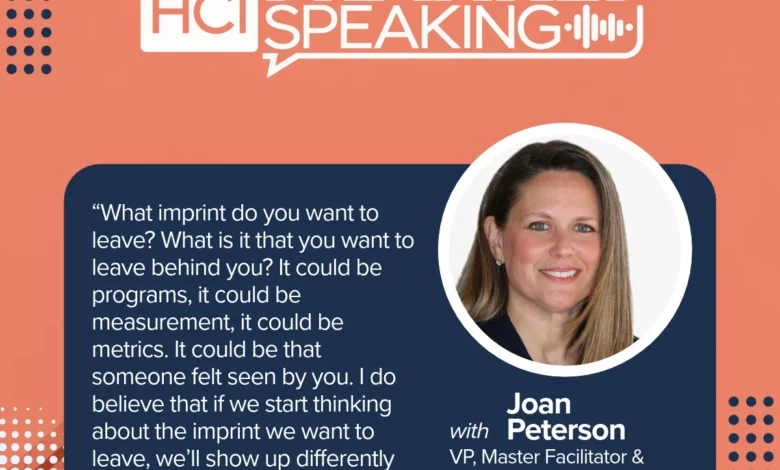
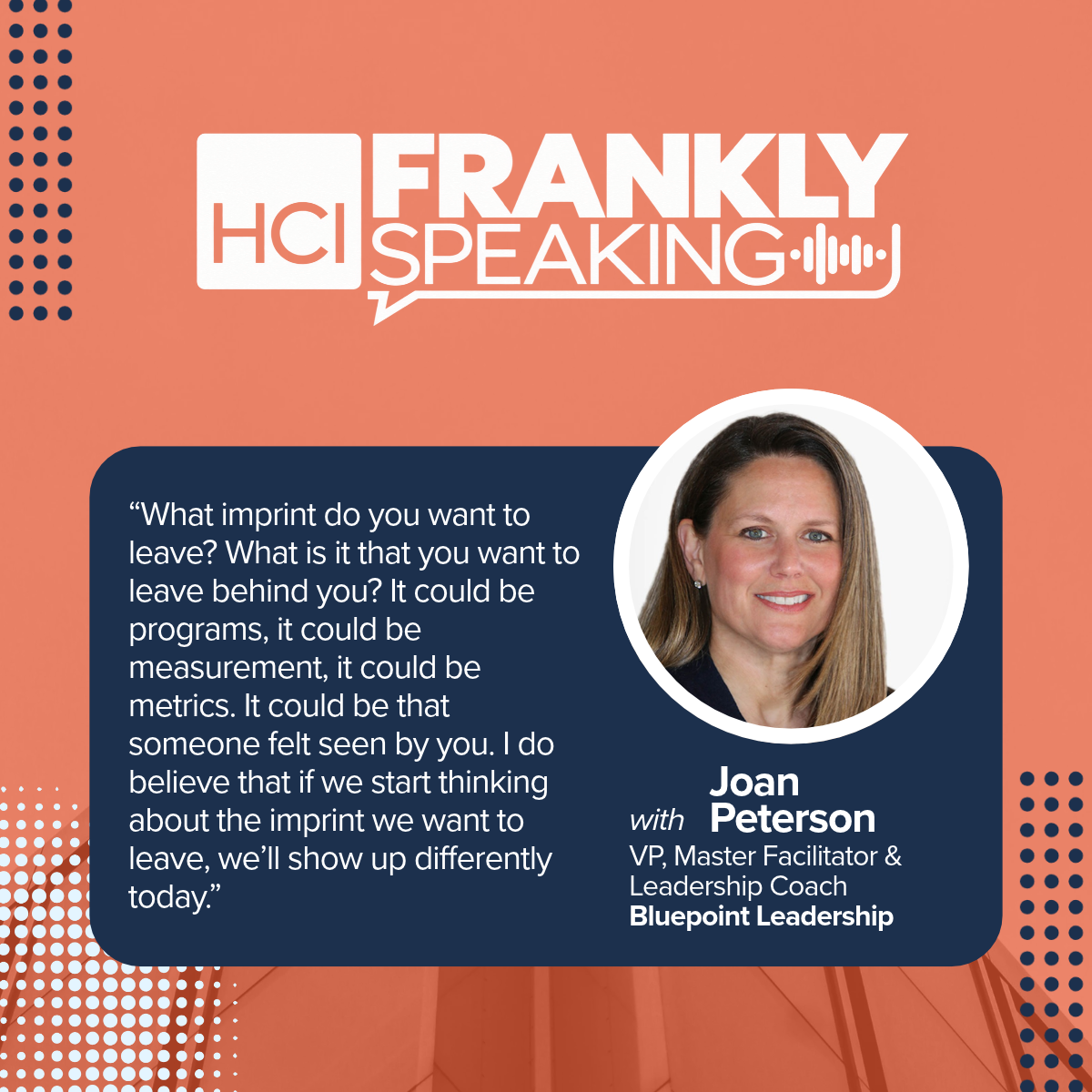
This profound dynamic took center stage during a compelling presentation at the SPARK Talent conference, where Joan Peterson, Vice President, Master Facilitator, and Leadership Coach at Bluepoint Leadership, delivered an address that challenged practitioners to rethink the long-term value of their daily operations. Peterson’s session explored the emotional and structural realities of working in human resources, urging attendees to recognize that the policies they draft, the cultures they nurture, and the crises they navigate today will forge the definitive legacy of tomorrow’s businesses.
The Invisible Engine of Corporate Success
To understand the modern HR landscape is to understand a paradigm of continuous friction and adaptation. Professionals in the field routinely juggle employee relations, talent acquisition, performance management, legal compliance, and compensation benchmarking. According to recent workplace analytics from the Society for Human Resource Management (SHRM), nearly 60% of HR practitioners report feeling chronic stress or burnout due to the competing demands of employee advocacy and executive-level compliance.
Despite these operational pressures, the strategic importance of human resources has accelerated exponentially over the past half-decade. The disruptions of the post-pandemic workforce—marked by remote work transitions, economic volatility, shifting employee expectations, and rapid technological integrations—have thrust HR into the C-suite spotlight. Peterson’s address at SPARK Talent directly addressed this evolution, framing HR not merely as a departmental function, but as the foundational architecture of corporate resilience.
Peterson noted that while daily administrative tasks can feel thankless, the true measure of an HR professional’s worth is revealed during moments of organizational vulnerability. Whether guiding a workforce through a sudden economic downturn, restructuring operations to meet new market demands, or counseling an anxious employee through a personal crisis, HR professionals act as the steady hand guiding the enterprise.
Chronology of an Evolving Profession: How HR Reached the Strategic Forefront
The trajectory of human resources has undergone a radical transformation over the past century, evolving from a rudimentary administrative function into a vital pillar of executive strategy. Tracing this chronology provides critical context for the challenges and opportunities highlighted during the SPARK Talent conference:
- Early to Mid-20th Century (Personnel Management): Originating primarily as "personnel" or "industrial welfare" departments, the role was largely transactional. Responsibilities were confined to hiring, maintaining personnel files, managing basic payroll, and enforcing factory safety regulations.
- Late 20th Century (The Rise of Human Resources): As labor laws expanded and organizational structures grew more complex in the 1970s and 1980s, personnel management matured into human resources. The focus shifted toward legal compliance, structured benefits administration, and formal performance appraisals.
- Early 2000s (The Strategic Partner Model): Popularized by thought leaders like Dave Ulrich, the modern HR business partner model emerged. Practitioners were encouraged to step out of back-office silos and align talent strategies directly with business goals, though many organizations still relegated HR to an administrative support role.
- 2020 to Present (The Resilience Architect): The global disruptions of the 2020s redefined the profession entirely. Issues surrounding employee mental health, workplace flexibility, diversity, equity, and inclusion (DEI), and crisis management forced executive leadership to rely on HR as an indispensable strategic advisor.
Peterson’s presentation at SPARK Talent serves as a reflection point for this latest era, acknowledging the immense psychological toll this rapid evolution has taken on practitioners while simultaneously elevating the nobility of the calling.
Data-Driven Insights: The Weight and Worth of Modern HR
To contextualize Peterson’s message, one must examine the empirical data surrounding the contemporary HR profession. Recent studies underscore both the high stakes and the systemic strains experienced by human resources departments globally:
- Strategic Alignment: According to LinkedIn’s Future of Recruiting and Talent reports, over 75% of executives now view HR as a critical partner in driving long-term business strategy, a significant increase from previous decades.
- Burnout and Attrition: Data compiled by workplace wellness organizations indicate that HR burnout rates have hovered near historic highs, driven by the constant arbitration between cost-cutting executive directives and employee demands for greater support and flexibility.
- Retention Impact: Research from Gallup demonstrates that organizations with highly engaged workforces—largely cultivated through targeted HR engagement and development programs—experience 59% lower staff turnover and 21% higher profitability.
These figures illustrate a central thesis of Peterson’s SPARK Talent address: the work may be arduous, but its multiplier effect on organizational health is undeniable. Every structural framework implemented, and every empathetic interaction completed, compounds over time to build a resilient corporate culture.
Perspectives from Industry Leaders and Practitioners
Reactions to Peterson’s address among SPARK Talent attendees highlighted a collective resonance with her themes. Many practitioners expressed relief at having their daily emotional and operational labor validated by a seasoned leadership coach.
"It is very easy to get bogged down in the minutenia of compliance forms, employee grievances, and scheduling conflicts," remarked one mid-sized enterprise CHR director attending the conference. "Joan reminded us that we are not just paper-pushers; we are the cultural architects of our companies. When employees look back at how their organization handled adversity, they remember how HR showed up for them."
Management consultants and organizational psychologists have long supported this viewpoint. Dr. Elena Vance, a workplace culture researcher who was not affiliated with the conference, noted that long-term business legacy is inextricably linked to how an organization treats its people during critical inflection points.
"Companies do not remember quarterly earnings reports the way they remember institutional empathy," Vance stated. "The policies established by HR during times of stress create psychological safety. That safety becomes part of the company’s brand identity and dictates whether top-tier talent will choose to remain or depart."
Broader Implications and Future Outlook for Human Resources
As businesses look toward an increasingly complex future defined by artificial intelligence integration, shifting generational expectations, and macroeconomic uncertainties, the lessons imparted by Joan Peterson carry profound implications.
First, executive leadership teams must recognize the necessity of supporting their HR departments. Organizations that fail to invest in the mental health, tools, and professional development of their HR personnel risk systemic failure at the management level. If the department responsible for organizational well-being is chronically depleted, the entire enterprise becomes vulnerable.
Second, human resources professionals themselves must adopt a legacy-minded approach to their careers. By reframing daily administrative friction as stepping stones toward long-term cultural transformation, practitioners can inoculate themselves against burnout. Understanding that current decisions—ranging from transparent communication policies to equitable compensation structures—will echo through the organization for years provides a renewed sense of purpose.
Ultimately, Peterson’s presentation at the SPARK Talent conference serves as both a mirror and a compass for the industry. It reflects the quiet struggles of a demanding profession while pointing the way toward an empowered future. For HR practitioners navigating the complexities of the modern workplace, the message is clear: the fanfare may not always be immediate, but the legacy is permanent. The work done today lays the foundation upon which tomorrow’s successful businesses will stand.