Tractor Supply Co. expands its last-mile delivery reach through a strategic nationwide partnership with Uber.

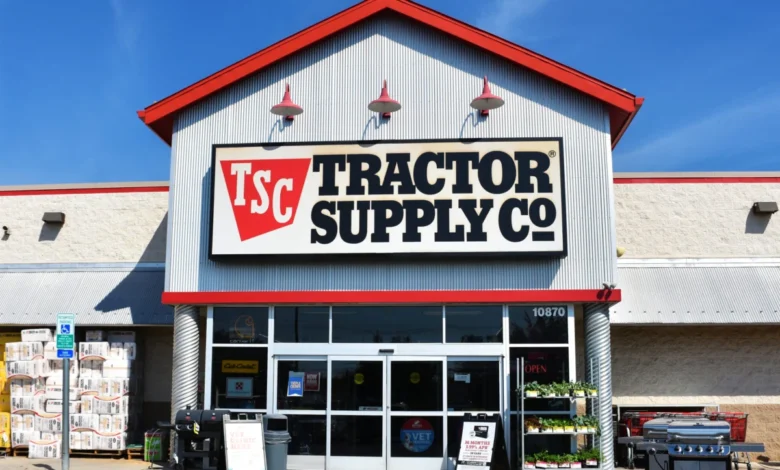
Tractor Supply Co., the prominent rural lifestyle retailer, has officially entered into a strategic partnership with Uber, integrating its product catalog into the Uber, Uber Eats, and Postmates platforms. Announced on November 12, this collaboration represents a significant shift in the retailer’s digital fulfillment strategy, aiming to leverage Uber’s expansive gig-economy infrastructure to bring on-demand delivery services to markets that have historically been underserved by major third-party delivery aggregators.
The partnership encompasses a vast array of the retailer’s inventory, including pet nutrition, livestock and animal care products, lawn and garden supplies, power tools, and outdoor equipment. With a footprint of 2,486 stores across 49 states as of September 26, the retail chain is positioning this move as a critical enhancement to its "Life Out Here" brand promise, prioritizing convenience for customers in suburban, exurban, and rural environments.
The Strategic Rationale for Geographic Expansion
Uber’s interest in Tractor Supply is rooted in a fundamental difference between traditional urban-focused delivery and the needs of rural retail. While many delivery apps have historically prioritized high-density metropolitan areas, the partnership allows Uber to tap into the unique geographic footprint of Tractor Supply. By aligning with a retailer that specializes in the needs of farmers, pet owners, and outdoor enthusiasts, Uber is effectively extending its delivery ecosystem into regions where traditional on-demand grocery or retail services are often nonexistent.
"The need for convenience doesn’t stop at the city limits," stated Nathan Bernheim, Uber’s head of retail partnerships. This sentiment underscores a broader trend in the retail industry: the push to make "instant" delivery a standard expectation regardless of a customer’s zip code. For Tractor Supply, this initiative serves as a powerful customer acquisition tool. Matthew Rubin, senior vice president and president of digital and ecommerce at Tractor Supply, noted that the platform integration introduces the retailer to millions of Uber users who may not have interacted with the brand previously, thereby bridging the gap between digital convenience and the practical needs of a rural-leaning customer base.
Chronology of Digital Fulfillment Evolution
The integration with Uber follows a deliberate and accelerated effort by Tractor Supply to modernize its logistics and digital infrastructure. The retailer’s journey toward robust on-demand delivery can be tracked through several key milestones:
- 2022: Tractor Supply establishes its initial on-demand delivery partnership with DoorDash, testing the viability of outsourcing last-mile logistics to third-party platforms.
- July 2026: The retailer expands its delivery reach by joining the Instacart Marketplace, signaling a multi-platform strategy to capture different segments of the delivery-app user base.
- September 2026: CEO Hal Lawton reports that the company’s internal "Final Mile" delivery network has reached a state of maturity, with store-based delivery volume in the first half of 2026 equaling the entirety of 2025.
- November 2026: The formal announcement of the partnership with Uber, marking the third major delivery aggregator to integrate with the retailer’s systems within a four-year window.
Market Consolidation and the DoorDash-Instacart Nexus
The landscape in which this partnership unfolds is currently experiencing significant turbulence due to major industry consolidation. On October 29, DoorDash announced a definitive agreement to acquire Instacart in a transaction valued at approximately $17 billion. This acquisition is currently pending regulatory approval and a vote by Instacart shareholders.
Industry analysts suggest that the pending merger creates a complex environment for retailers like Tractor Supply, which currently utilizes both platforms. However, under the proposed terms, the companies expect the deal to close by late 2027 or the first half of 2028, with Instacart continuing to operate independently during the interim. The inclusion of Uber provides Tractor Supply with a critical hedge against potential market volatility or service disruptions that might arise from the post-merger integration of its other two partners. By maintaining a relationship with Uber, Tractor Supply ensures that its delivery operations remain diversified and resilient.
Supply Chain Infrastructure and Internal Capabilities
While third-party partnerships are a hallmark of the company’s recent growth, they are supported by a massive internal investment in physical supply chain assets. Tractor Supply is not merely relying on gig workers to move goods; it is simultaneously optimizing its proprietary hub-and-spoke distribution model.
The company’s "Final Mile" system is designed to maximize efficiency by linking clusters of three to four stores, where one primary location acts as a hub to support the delivery needs of the surrounding cluster. This store-based delivery model has been a primary driver of the company’s digital sales growth. In the second quarter of 2026, even as the company navigated a challenging retail environment that saw comparable store sales dip by 1.5%, its digital delivery initiatives posted double-digit growth.
Furthermore, the opening of the 11th distribution center in Nampa, Idaho, in September 2026, serves as the backbone for this expansion. The 865,000-square-foot facility is designed to support 123 stores across nine states, with the capacity to scale to over 200 stores. This infrastructure investment ensures that inventory levels at the store level remain high, which is a prerequisite for successful on-demand delivery. If a store is out of stock, the on-demand delivery promise fails; therefore, the distribution center network acts as the quiet, essential partner to the high-visibility Uber integration.
Economic and Operational Implications
The financial impact of these delivery partnerships is multifaceted. For the customer, the transition to app-based shopping is incentivized through aggressive promotions, such as the current $20 discount on orders of $60 or more. While such promotions are designed to drive initial adoption, the long-term success of the program will depend on the sustainability of delivery fees and the speed of service.
The announcement notably omitted specific details regarding delivery fees and expected turnaround times, likely because these variables are subject to local market conditions and the fluctuating costs of labor within the gig economy. However, the move is a clear indicator that Tractor Supply is prioritizing "share of wallet" over the margins associated with last-mile delivery. By increasing the frequency of touchpoints with the customer—whether for a bag of premium pet food or an emergency hardware purchase—the company is building a defensive moat against generalist retailers and online marketplaces.
Analytical Perspective on Retail Trends
The shift toward on-demand delivery for "heavy" or "essential" goods—categories that traditionally required a trip to a physical warehouse-style store—marks a maturing phase of the e-commerce lifecycle. For years, digital retail was dominated by small-parcel shipping of lightweight goods. Tractor Supply is effectively challenging this paradigm by proving that bulkier items, such as large bags of animal feed, can be effectively integrated into the on-demand economy.
This strategy positions the company as a hybrid entity: a traditional brick-and-mortar retailer with the digital agility of a pure-play tech platform. As the retailer continues to refine its AI-commerce capabilities—currently ranking No. 225 in Digital Commerce 360 and ReFiBuy’s AI Commerce Rankings—the data harvested from these delivery partnerships will likely be used to further optimize inventory placement.
By analyzing the data patterns of where and when customers are requesting delivery, Tractor Supply can refine its "hub-and-spoke" store distribution, ensuring that the right inventory is located in the right stores before the order is even placed. This integration of human-led gig delivery and AI-driven supply chain management suggests that the company is preparing for a future where the distinction between "online shopping" and "store-based shopping" is entirely erased.
Conclusion
The partnership with Uber is not an isolated event but rather the latest manifestation of a long-term strategic pivot. By leveraging the scale of one of the world’s largest delivery platforms, Tractor Supply is effectively digitizing the rural retail experience. As the company navigates a changing macroeconomic landscape and a consolidating delivery sector, its dual-pronged approach—investing heavily in its own distribution infrastructure while outsourcing the final, most expensive mile to partners like Uber—appears to be a calculated effort to maintain its dominance in the niche but highly loyal rural consumer market.
For the average consumer in a suburban or exurban area, the addition of Tractor Supply to the Uber app means that the tools and supplies required to maintain their "Life Out Here" are now as accessible as a restaurant meal or a grocery delivery. This represents a significant milestone in the evolution of retail, signaling that even the most traditional, physical-heavy industries are finding ways to participate in the on-demand digital revolution.