Meta Strategic Evolution and Ecosystem Advancements: A Comprehensive Report on 2022 Developments and 2023 Projections for Global Digital Marketing

Meta Platforms, Inc. entered 2023 following a high-velocity fourth quarter in 2022, characterized by a fundamental shift toward automated advertising solutions, enhanced short-form video integration, and rigorous brand safety milestones. Throughout the final months of 2022, the parent company of Facebook and Instagram introduced a suite of features designed to streamline the advertiser experience and maximize return on investment (ROI) amid a shifting macroeconomic landscape and increased competition in the short-form video sector. As marketers transition into the current fiscal year, the focus remains on leveraging artificial intelligence (AI), machine learning, and the burgeoning infrastructure of the Metaverse to maintain platform dominance.
The Shift Toward Automation: The Advantage+ Era
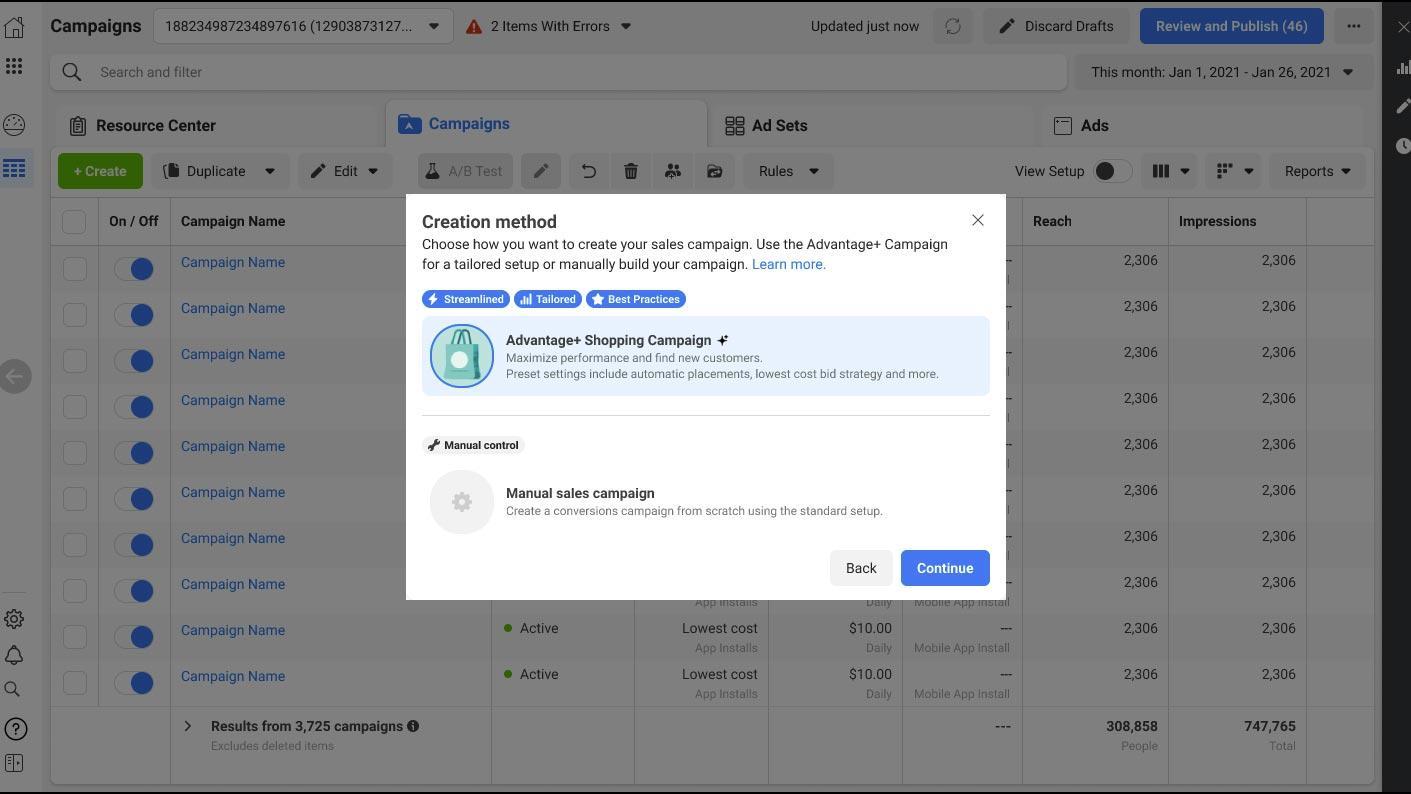
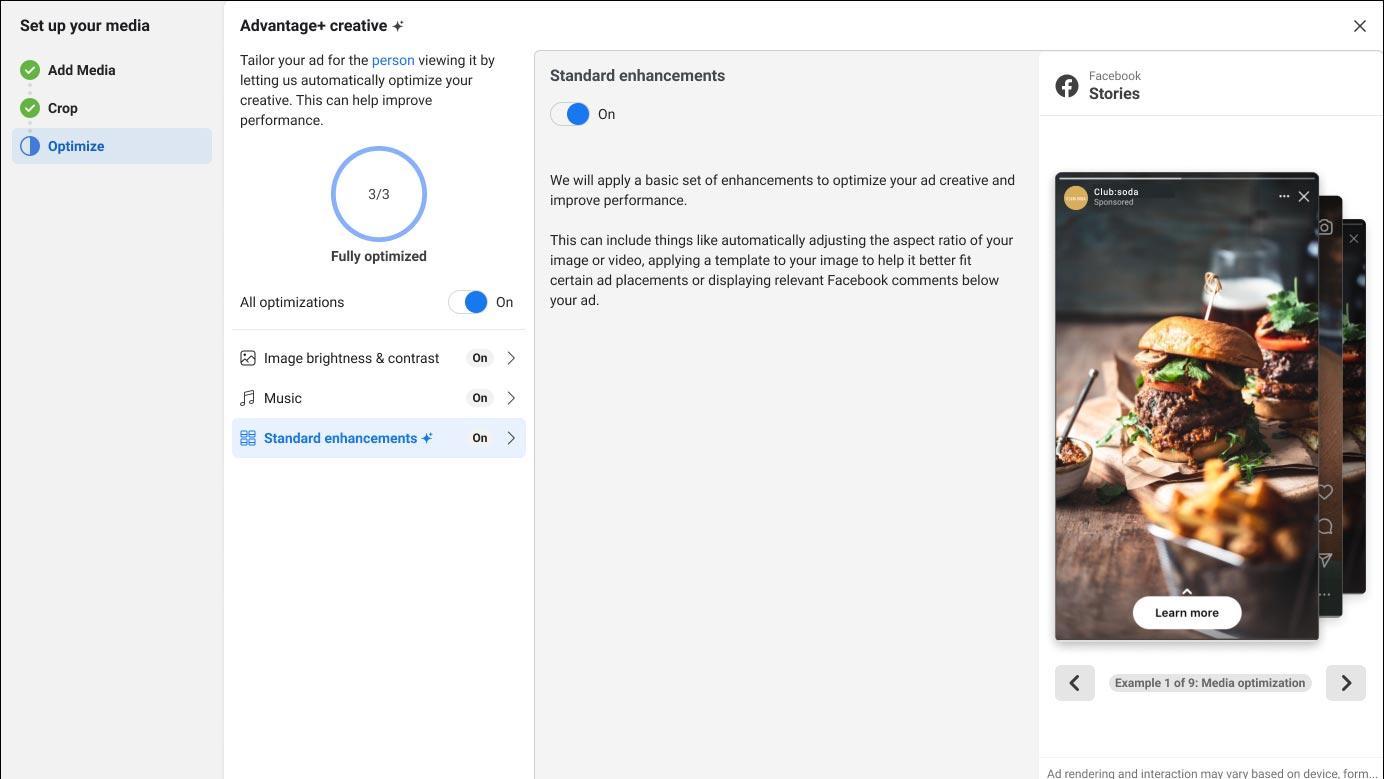
The most significant advancement in Meta’s advertising infrastructure over the past year is the expansion of the Meta Advantage suite. This transition represents a pivot from manual campaign management to AI-driven optimization. Advantage+ campaigns leverage Meta’s sophisticated machine learning capabilities to automate creative testing, audience targeting, and placement.
Data released by Meta in late 2022 indicated that Advantage+ Shopping campaigns yielded a 12% lower cost-per-purchase conversion compared to traditional manual ads. This efficiency is achieved by allowing the system to split-test up to 150 creative variations simultaneously. For small and medium-sized businesses (SMBs), these tools lower the barrier to entry by automating complex targeting decisions, effectively creating a "personalized audience" based on specific Page interactions and conversion data.
The push for automation is not merely a convenience but a strategic necessity. Following Apple’s App Tracking Transparency (ATT) framework, which significantly limited the data available via third-party tracking, Meta has had to rely more heavily on first-party data and predictive modeling. The Advantage+ suite is the technological answer to these privacy-centric shifts, allowing for high-performance targeting without relying on the granular cross-app tracking of the past.
Short-Form Video Dominance: The Reels Integration
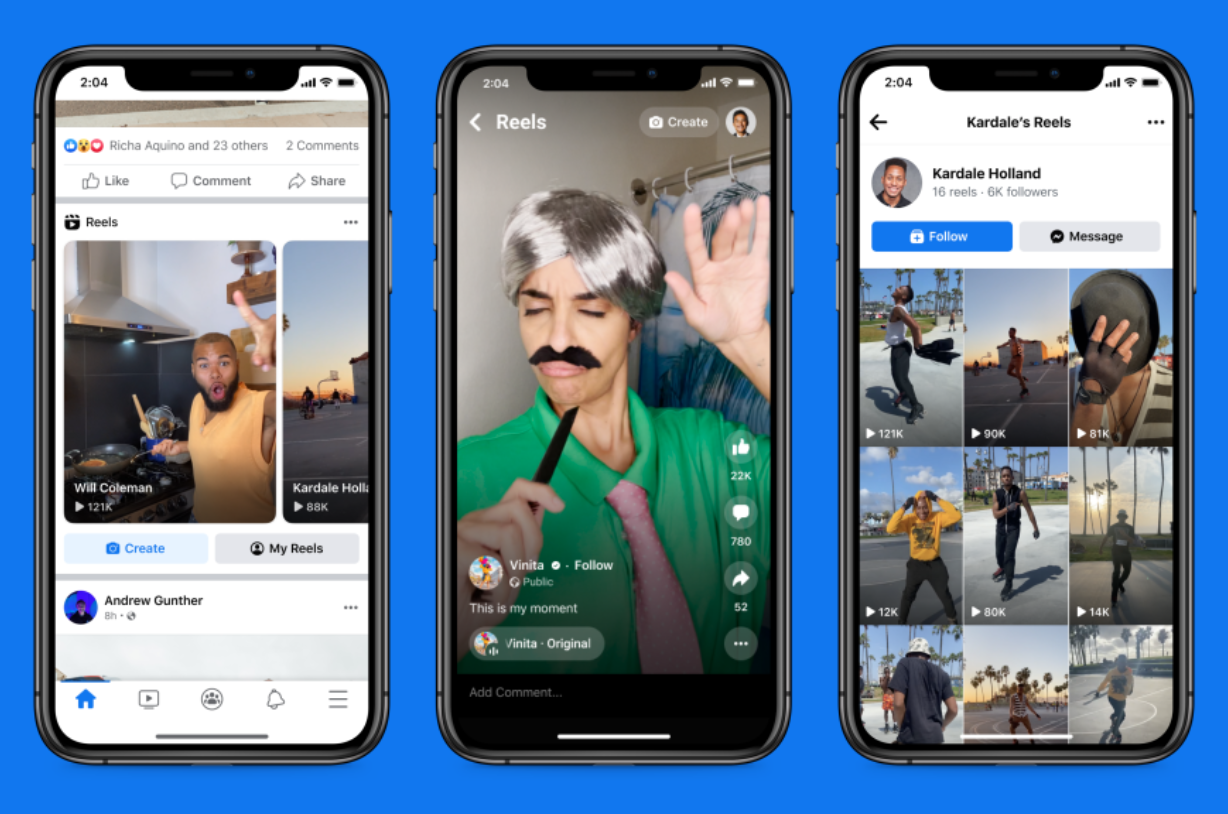
The year 2022 marked the definitive transition of Reels from an experimental feature to the core of Meta’s content ecosystem. In a strategic move to compete with TikTok, Meta integrated Reels across both Facebook and Instagram, making it the fastest-growing content format on both platforms.
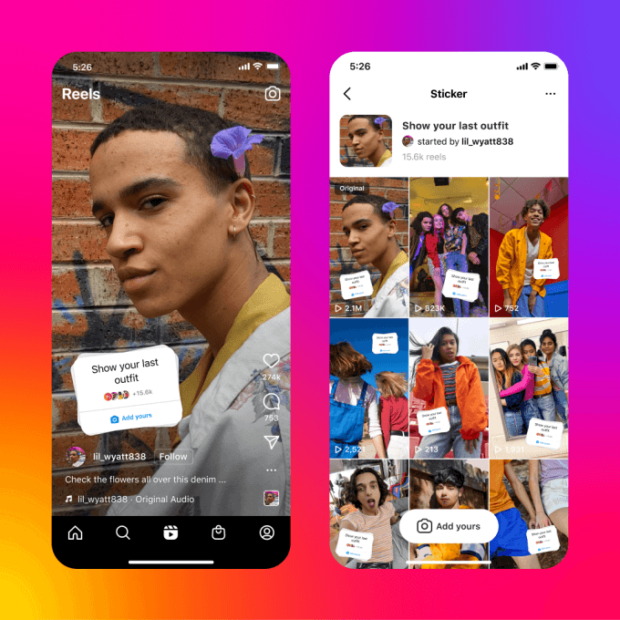
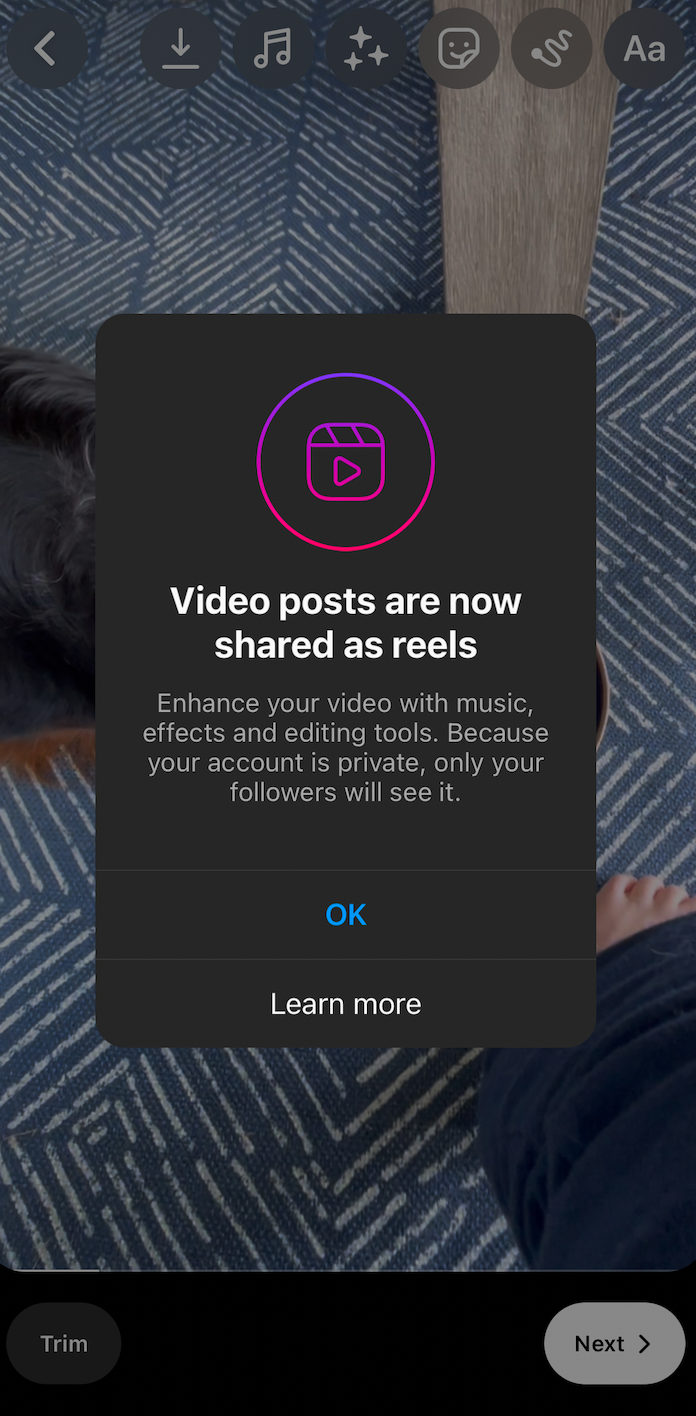
By mid-2022, Meta implemented a policy where all new video posts under 15 minutes were automatically shared as Reels. This consolidation unified the video experience and allowed advertisers to access a broader range of full-screen vertical placements. Supporting data suggests that the pivot has been successful; for instance, certain high-profile accounts reported a 67% increase in engagement on Reels compared to standard video content.
To support this format, Meta introduced native content scheduling for Reels directly within the Instagram mobile app, allowing creators to plan content up to 75 days in advance. This was complemented by the introduction of "Reels Ads" and "Reels Overlay Ads," providing creators with new monetization avenues and advertisers with high-intent placements. The 2023 outlook suggests that Reels will become even more central to Meta’s e-commerce strategy, with expected features including live shopping integrations and seamless in-video product tagging.

Brand Safety and Intellectual Property Protection
A critical milestone in late 2022 was Meta’s achievement of content-level brand safety accreditation from the Media Rating Council (MRC). This accreditation followed independent audits of Meta’s policies and controls regarding Instant Articles and In-Stream video across mobile and desktop platforms.
In an era where advertisers are increasingly concerned about ad adjacency to controversial or harmful content, the MRC accreditation provides a necessary layer of institutional trust. Meta has continued to test content-based inventory filters for both Facebook and Instagram feeds, allowing brands to opt out of appearing near specific categories such as tragedy, conflict, or sensitive social issues.

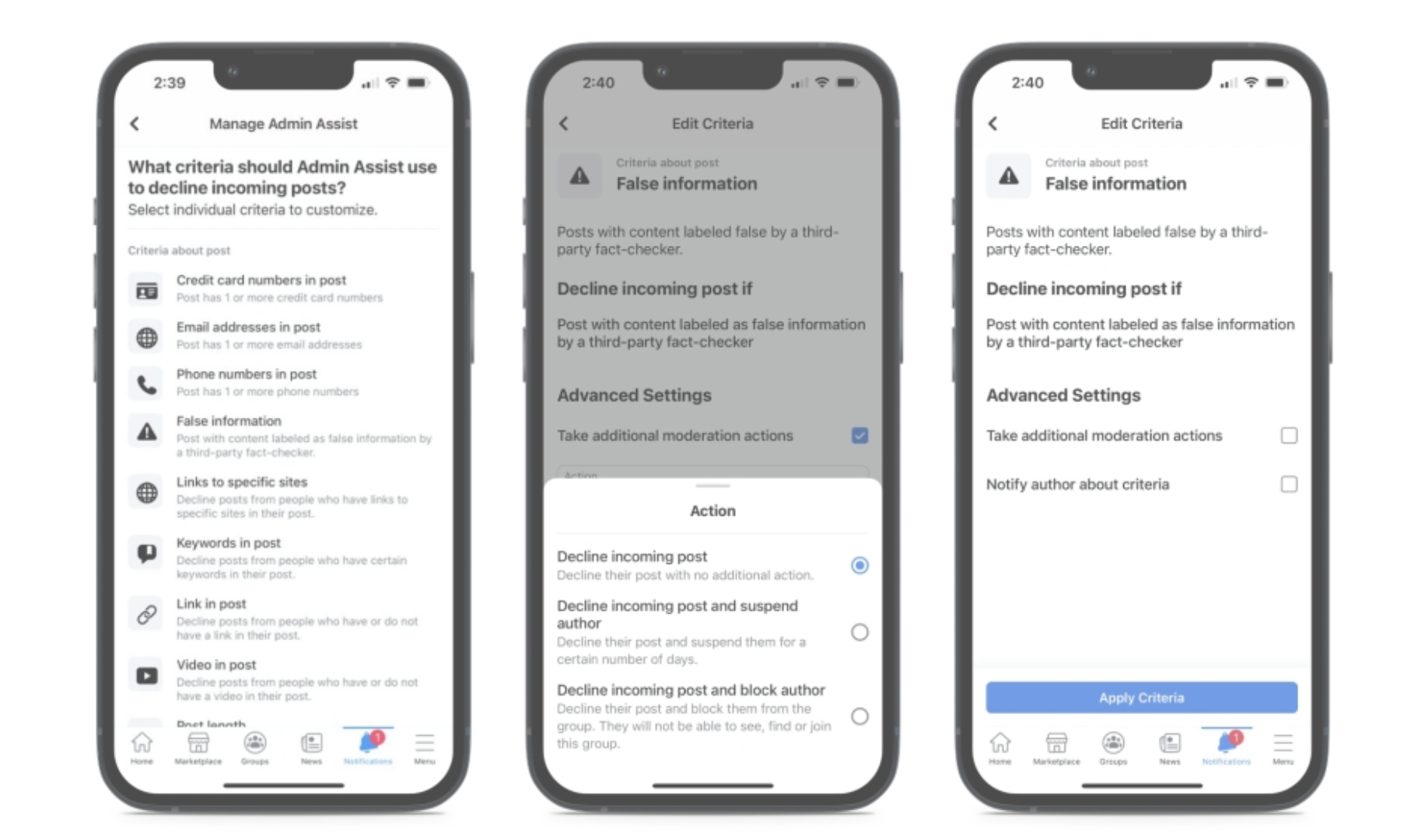
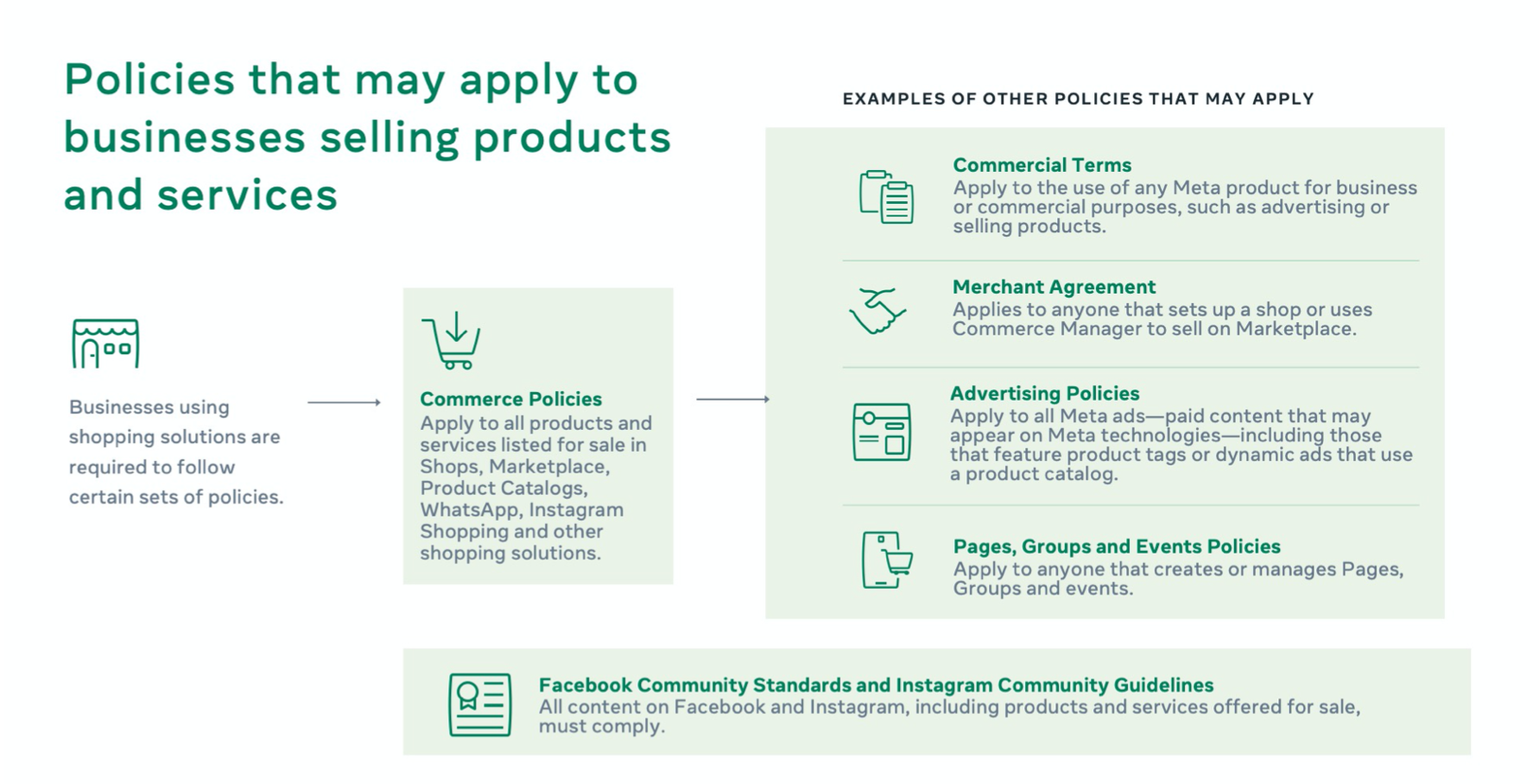
Parallel to brand safety, Meta addressed the growing need for intellectual property (IP) protection. The launch of the IP Reporting API provided rights holders with a streamlined method to report content that violates their copyrights or trademarks. By integrating with the Graph API, Meta has enabled larger brands to automate the monitoring and removal of counterfeit products and impersonation accounts, a move essential for the platform’s transition into a high-trust e-commerce environment.
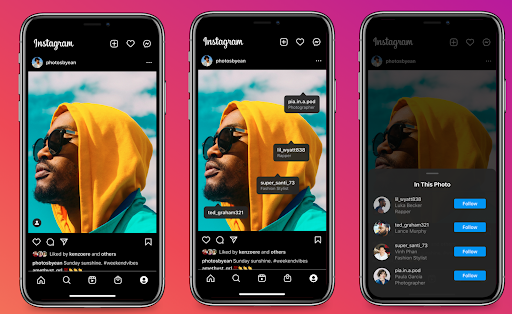
The Creator Economy and Native Monetization
Meta’s strategy to retain talent involves a multi-billion dollar investment in creator tools. The Instagram Creator Marketplace, launched as a pilot in mid-2022, became a central hub for brand-creator collaborations. The platform allows brands to filter creators by age, gender, and interests, and manage the entire lifecycle of a campaign—from initial outreach to payment—within the Meta ecosystem.
Monetization features also saw significant expansion. The introduction of "Subscriptions" on Instagram allowed creators to generate recurring monthly income by offering exclusive content, such as subscriber-only Lives and Stories. This model mirrors successful independent platforms like Patreon and Substack, keeping creators and their audiences within the Meta ecosystem.
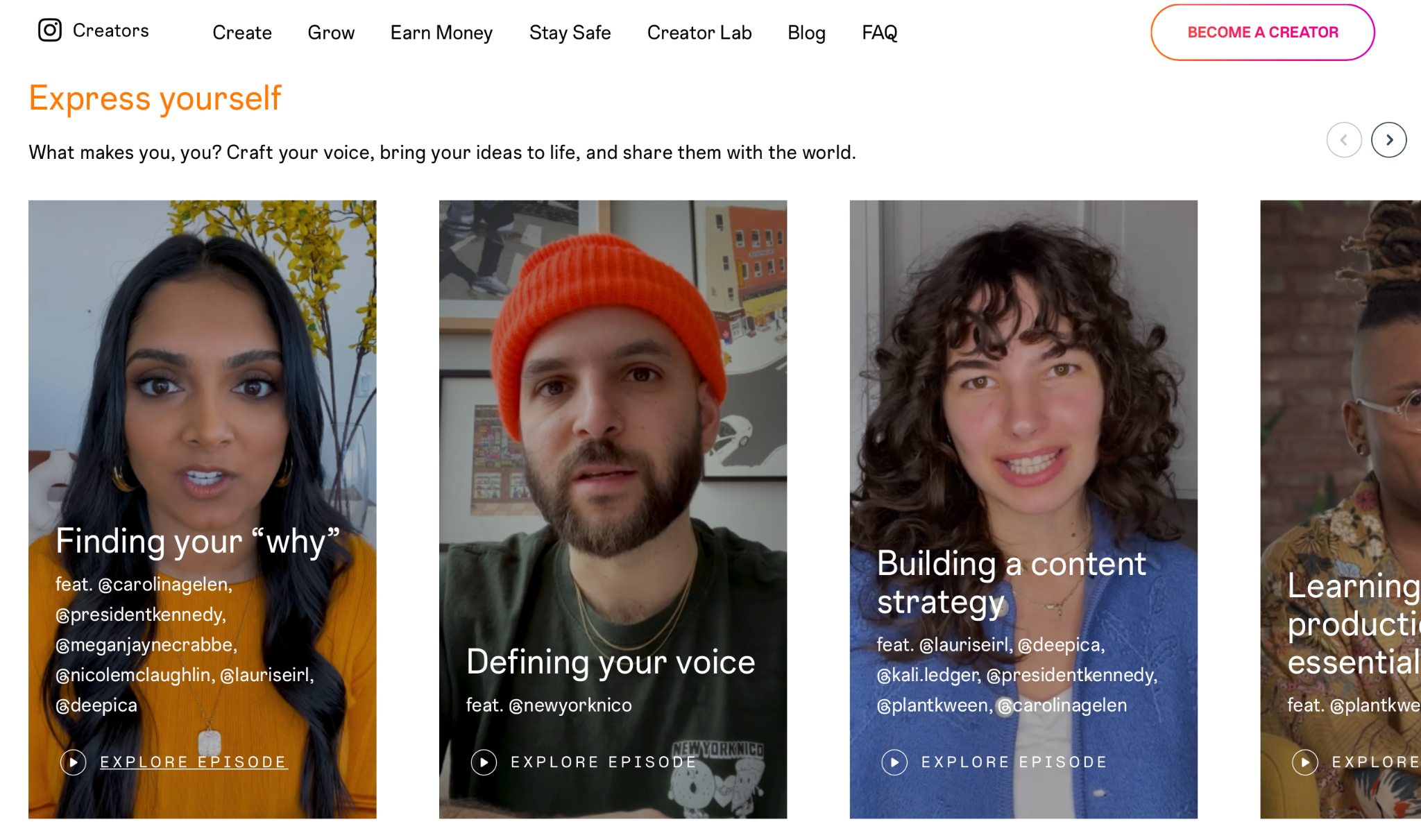
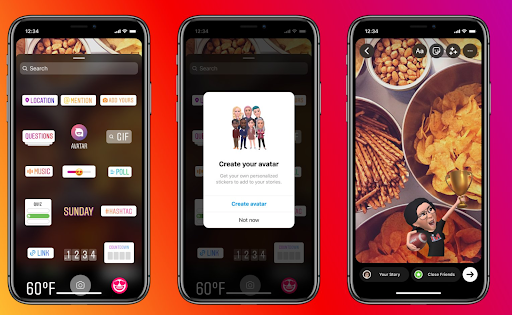
Furthermore, Meta introduced a 90-second limit for Reels and the ability to add music to static feed posts, expanding the creative toolkit for influencers. By offering these features, Meta aims to create a "full-funnel" environment where creators can build an audience, engage deeply, and monetize directly through the app.
Social Commerce and Messaging Integration
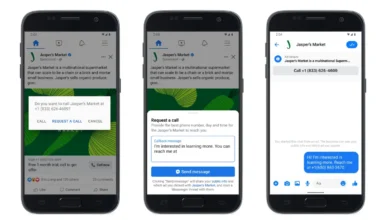
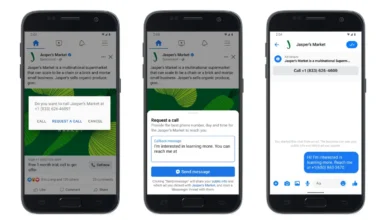
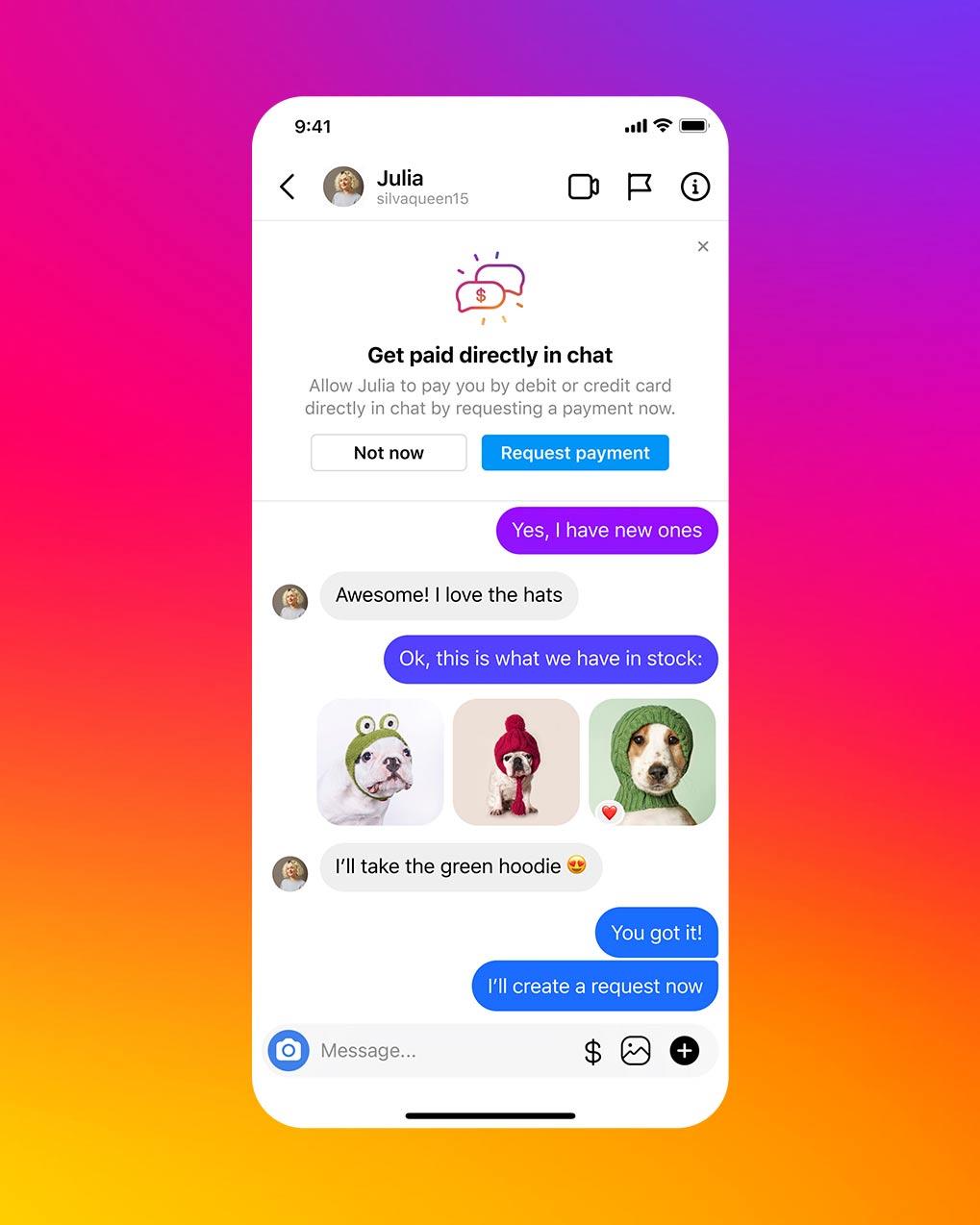
A notable trend at the end of 2022 was the integration of commerce directly into messaging. Meta expanded its WhatsApp and Instagram Direct Message (DM) capabilities, allowing users to make payments and track orders within a single chat thread. In select markets, users can now browse a business’s entire catalog and complete a purchase without navigating to an external website.
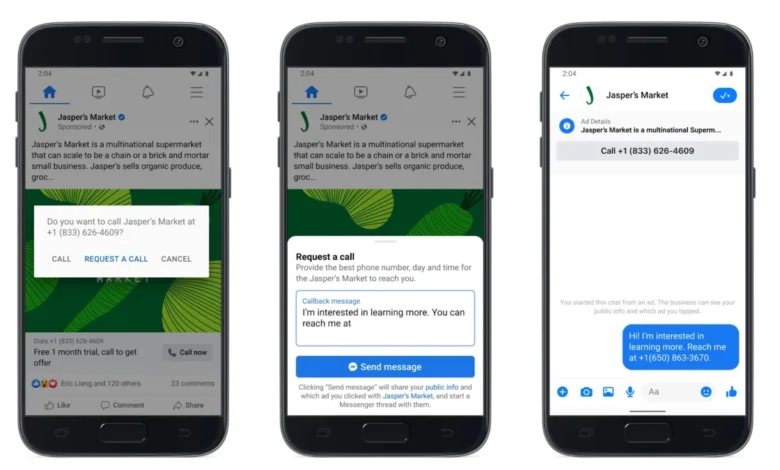
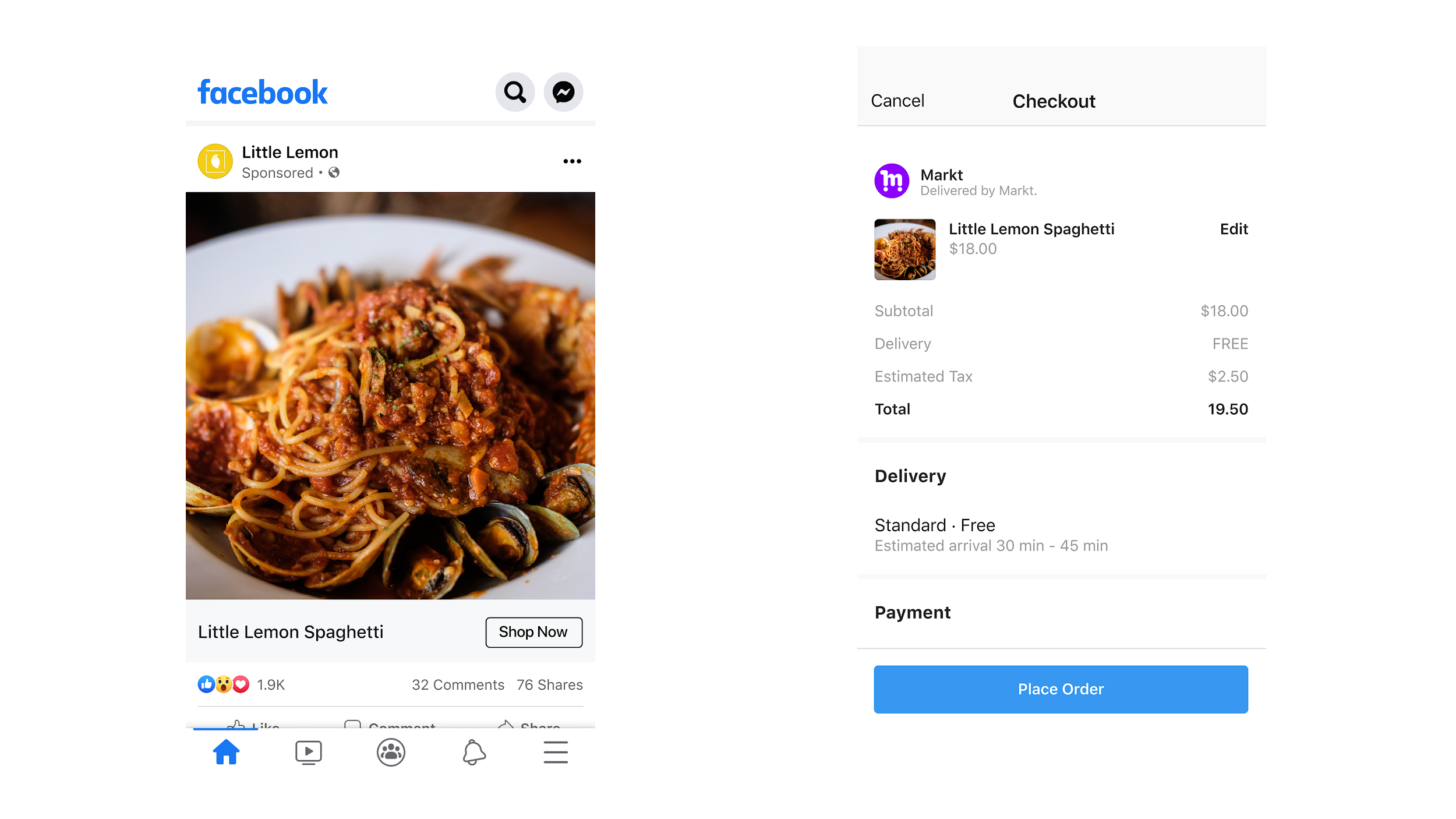
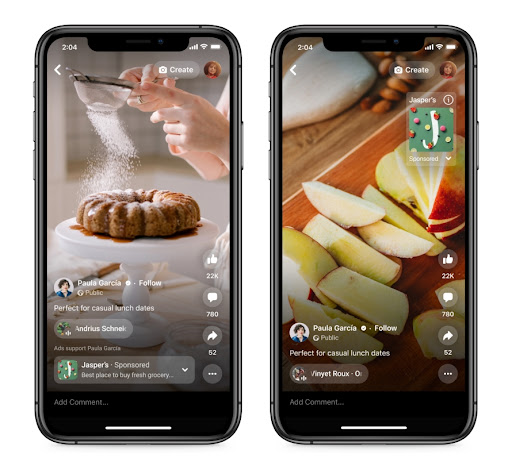
Collaborative Ads for local delivery also rolled out globally, specifically targeting the grocery and restaurant industries. These ads allow local businesses to show products that are in stock and offer immediate delivery options via local services. This move bridges the gap between digital discovery and physical fulfillment, positioning Meta as a direct competitor to localized search and delivery platforms.
The Metaverse and Long-Term Strategic Investment
Despite a challenging financial year in 2022, CEO Mark Zuckerberg maintained a steadfast commitment to the Metaverse. With over $36 billion invested in Reality Labs, Meta is focused on creating a virtual space that bridges the gap between digital and physical life.
The launch of Horizon Workrooms for Oculus demonstrated a professional application of the technology, allowing remote teams to collaborate in virtual reality. While commercial success remains in its early stages, Meta’s 2023 roadmap includes expanding augmented reality (AR) ad formats. Features like "AR Try-On" for beauty and home decor are expected to move into wider release, allowing users to visualize products in their physical space before making a purchase.
Chronology of Key Meta Developments (2020–2022)
To understand the current state of Meta, it is essential to view the trajectory of its updates over the past three years:
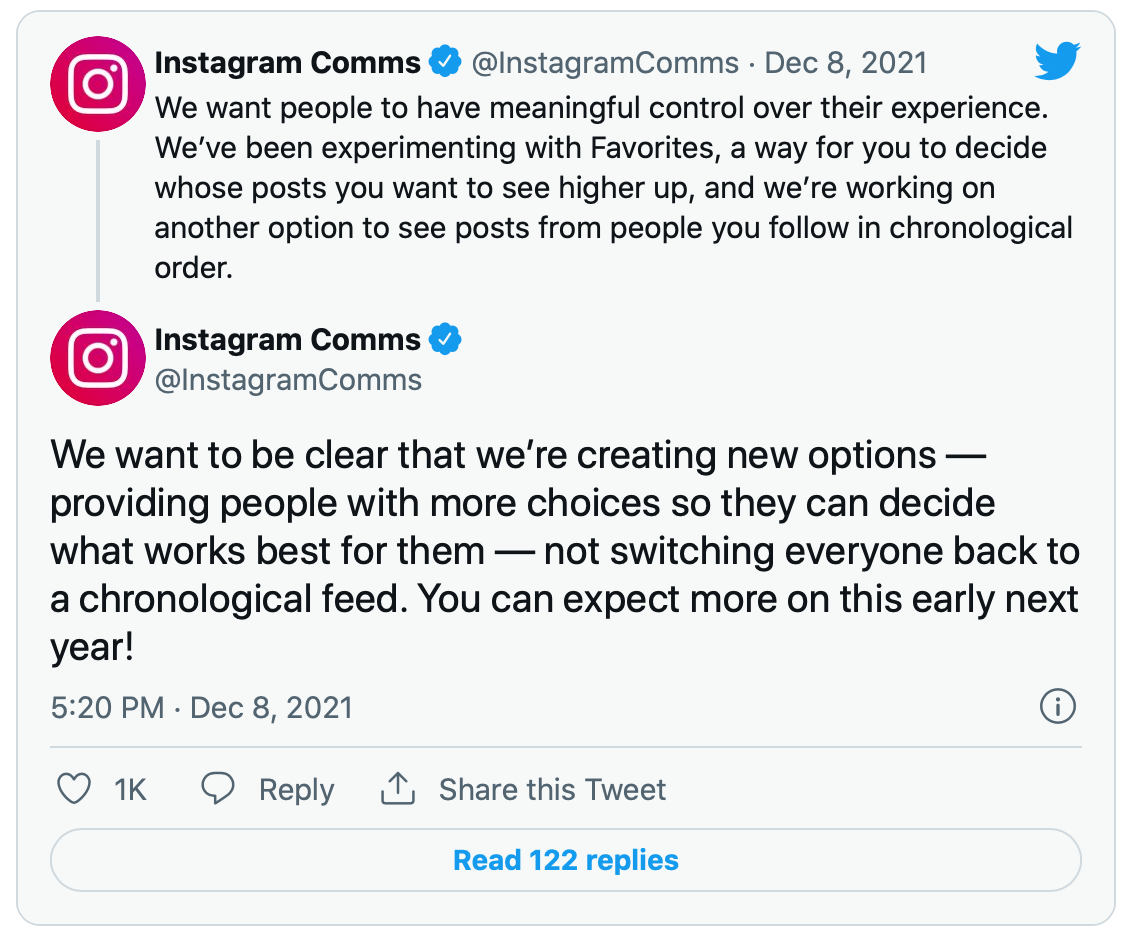
- 2020: The launch of Facebook Shops and Instagram Reels; heavy focus on supporting small businesses during initial pandemic lockdowns.
- 2021: The corporate rebrand from Facebook Inc. to Meta Platforms, Inc.; the shutdown of the facial recognition system amid privacy concerns; the rollout of the Professional Dashboard on Instagram.
- 2022: The global rollout of Facebook Reels; the merger of IGTV and feed videos into a single "Instagram Video" format; the achievement of MRC brand safety accreditation; the launch of Advantage+ automation tools.
Implications for the 2023 Marketing Landscape
The cumulative impact of these updates suggests a 2023 defined by three pillars: automation, immersion, and integration. Marketers who rely on manual targeting and static content may find themselves at a disadvantage as Meta’s algorithms prioritize Reels and Advantage+ campaigns.
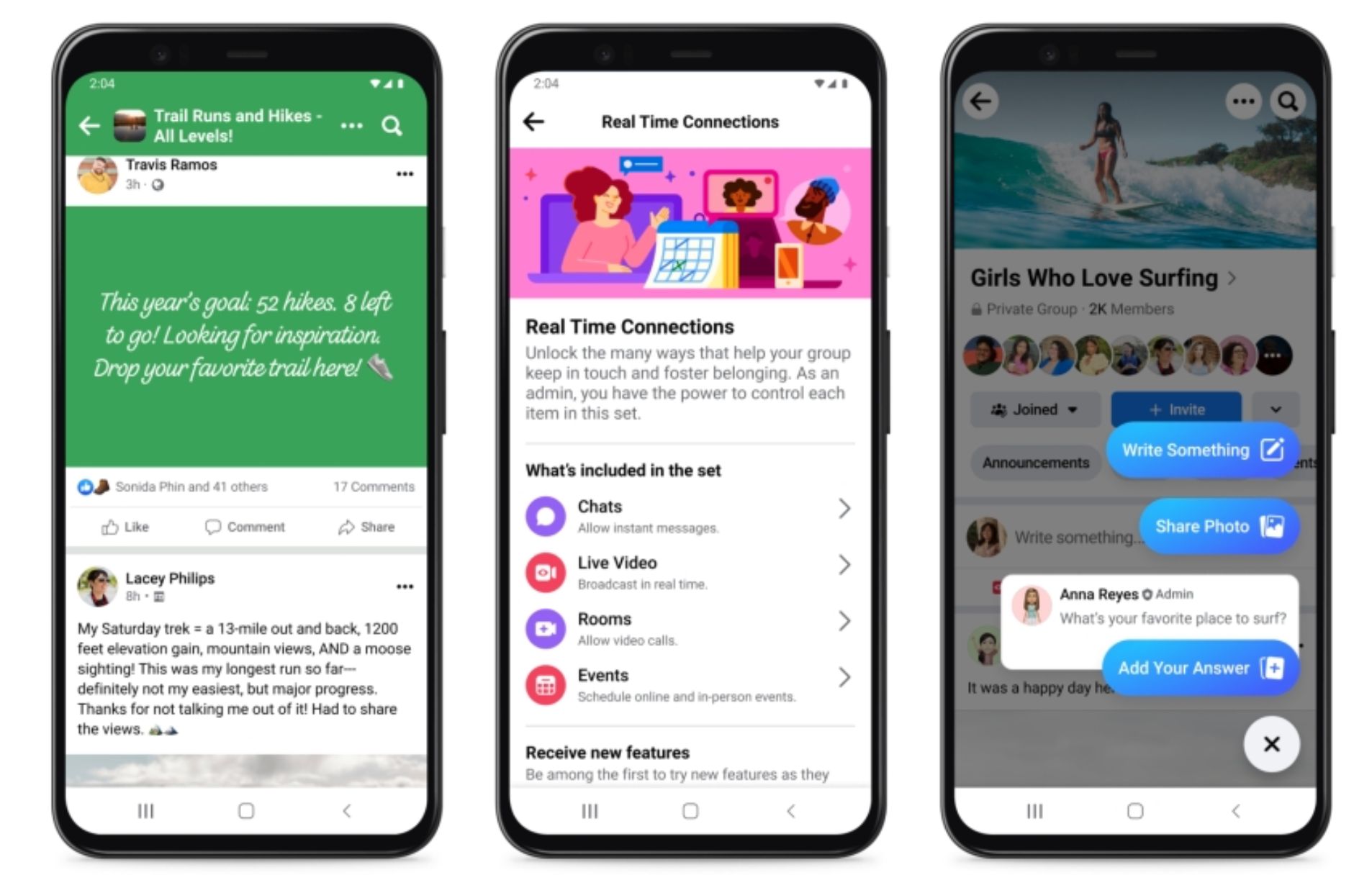
The removal of traditional targeting options—over 1,000 sensitive categories were removed in late 2022—means that "broad targeting" supported by high-quality creative is now the industry standard. The machine learning system is now more capable of finding a brand’s audience through creative cues than an advertiser is through manual interest selections.
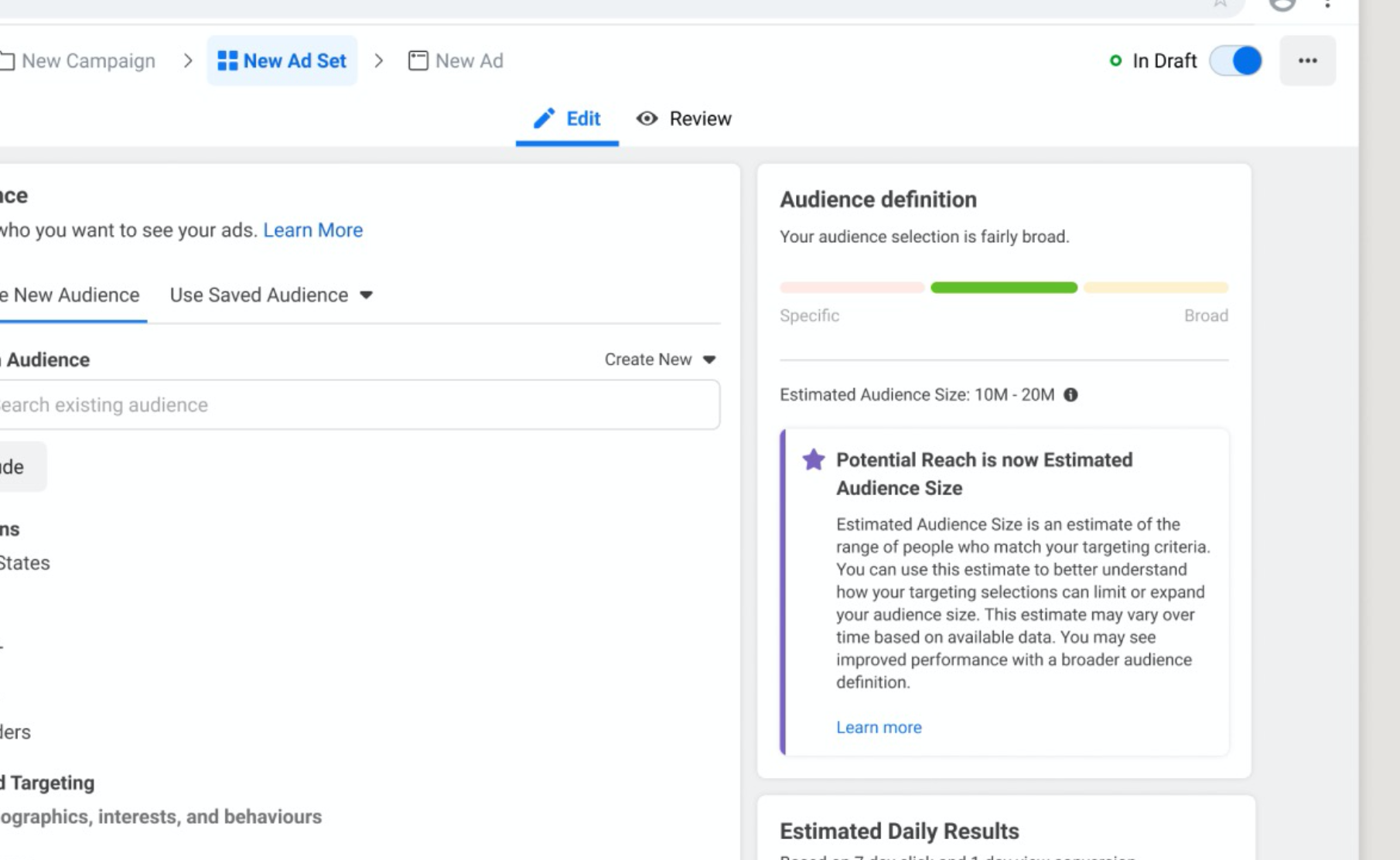
Furthermore, the integration of WhatsApp into the Meta Business Suite suggests that messaging will become the primary customer service and conversion channel. For 2023, the successful marketer will be one who adopts a "messaging-first" mindset, utilizing automated ads to drive users into conversational threads where AI or human agents can finalize sales.
In conclusion, Meta’s evolution over the last quarter of 2022 has set the stage for a more automated and video-centric 2023. By addressing brand safety, improving ROI through AI, and doubling down on the creator economy, Meta is attempting to fortify its position as the indispensable hub for global digital commerce and social interaction.