The migration of critical IT infrastructure from VMware has become a defining challenge for enterprises globally, driven by significant shifts in licensing models and vendor strategy. StorMagic, a company traditionally known for its solutions in the small- to medium-sized business (SMB) and edge computing sectors, is increasingly positioning itself as a key enabler for larger enterprises looking to divest from VMware, particularly those with extensive, distributed environments. This strategic pivot is highlighted by its involvement in complex migrations, such as that undertaken by a major retail chain, where automation and specialized tools were paramount to success.
The retail sector, characterized by its 24/7/365 operational demands, faces immense pressure to minimize any disruption during IT transitions. For one prominent retailer, the move away from VMware was not merely a technical undertaking but a strategic imperative to maintain seamless store operations. The success of this migration, as articulated by those involved, hinged on a robust combination of meticulous planning and heavy automation. The SvHCI VM Import Utility, a component of StorMagic’s offerings, played a “vital” role in scaling the migration process. This utility’s maturity, particularly its API capabilities, significantly reduced the complexity and effort required for the transition, transforming what could have been an overwhelming task into a manageable project. The primary hurdle, according to internal accounts, was not the technical execution of the import itself, but the sheer logistical challenge of finding sufficient available time within a demanding operational schedule to simultaneously plan, develop, and implement the changes across a vast environment.
The broader landscape of VMware customers is in flux. Since Broadcom’s acquisition of VMware in late 2023, many organizations have expressed concerns about escalating costs and altered support models. This has spurred a widespread interest in exploring alternatives, with a significant portion of VMware’s user base actively seeking to reduce their reliance on the platform. Industry analysts have projected a substantial migration trend, with Gartner estimating that 35 percent of VMware workloads could move to other platforms by 2028. This forecast underscores the magnitude of the ongoing shift and the opportunities it presents for alternative technology providers.
StorMagic’s Enhanced Focus on Enterprise and Distributed Environments
While StorMagic has a long-standing reputation for serving SMBs, its recent announcements and client engagements signal a deliberate expansion of its enterprise ambitions. The company is now actively targeting larger firms that are particularly impacted by Broadcom’s strategic direction for VMware. This includes enterprises that manage numerous geographically dispersed locations, often resembling a network of individual SMBs in their IT requirements.
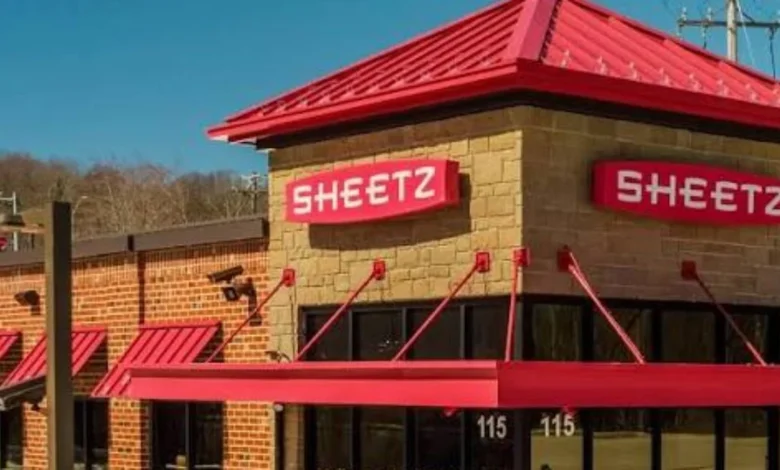
Scott Mann, StorMagic’s SVP of Global Sales, elaborated on this strategic focus. "In reality, we have always focused heavily on two distinct markets: SMB/mid-market datacenters and the ‘edge’ environments of large, highly distributed enterprises, like Sheetz," Mann stated in a recent communication. He further explained that organizations with hundreds or thousands of retail, grocery, or branch locations encounter IT challenges at each site that are remarkably similar to those faced by local SMBs. These shared challenges often include limited physical space, constrained power availability, a scarcity of on-site technical staff, and tight budgetary limitations. StorMagic’s solutions are designed to address these specific edge computing constraints, making them attractive for distributed enterprises seeking to consolidate and simplify their IT infrastructure.
The "VMware Tax" and the Enterprise Dilemma
Mann also highlighted the growing discontent among existing enterprise VMware clients who have historically tolerated the platform’s costs, often referred to as the "VMware tax." This tolerance was largely due to VMware being the established industry standard. However, the recent industry shifts, particularly Broadcom’s acquisition and subsequent changes to VMware’s pricing and licensing structure, have led to substantial budget increases for many enterprises simply to maintain their existing remote site operations. This financial pressure is a significant catalyst for exploring alternatives.
The trend of major enterprises migrating away from VMware is gaining momentum. High-profile examples include Allstate, T-Mobile, and the UK grocery chain Tesco. Allstate has publicly accused Broadcom of retaliatory auditing after its decision to move away from VMware. T-Mobile is reportedly migrating tens of thousands of virtual machines, and Tesco is in the process of moving 40,000 server workloads. These large-scale migrations underscore the systemic nature of the exodus and the significant impact of Broadcom’s strategic decisions on its customer base.
Broadcom’s Response and Market Dynamics
Broadcom, for its part, has defended its licensing model changes, asserting that they align with industry norms and that its acquisition of VMware has been a financial success. The company’s executives have argued that complaints regarding pricing and subscription models are unwarranted, framing the adjustments as a necessary evolution of the product portfolio to better serve the market. Despite these assertions, the visible trend of major clients departing the platform suggests a disconnect between Broadcom’s perspective and the realities faced by a significant segment of its customer base.
The Implications for the IT Infrastructure Market
The ongoing migration from VMware has profound implications for the broader IT infrastructure market. It creates significant opportunities for competitors, including hyperconverged infrastructure (HCI) providers like StorMagic, as well as public cloud providers and other virtualization platforms. Companies are not only seeking cost savings but also greater flexibility, enhanced performance, and more predictable licensing models.
For organizations like the aforementioned retailer, the successful migration demonstrates that large-scale transitions are achievable, even within highly demanding operational environments. The key lies in leveraging the right tools and strategic planning. The SvHCI VM Import Utility, by abstracting much of the complexity associated with VM conversion and migration, allows IT teams to focus on higher-level strategic objectives rather than getting bogged down in intricate technical details.
The Challenges of Large-Scale Migrations
The article’s initial quote from the retail migration project provides a crucial insight into the operational realities. "Operating in a 24/7/365 retail environment meant that minimizing business disruption was critical," the source stated. This underscores the need for solutions that can be implemented with minimal downtime. The ability to import VMs without extensive reconfigurations or manual intervention is a significant advantage.
Furthermore, the statement, "It required meticulous planning and heavy automation to ensure our store operations ran as smoothly as possible throughout the entire transition," highlights a universal truth in IT project management: the more automated a process, the more predictable and less error-prone it becomes. In a retail context, even minor disruptions can translate into lost sales and customer dissatisfaction. Therefore, the reliance on automation for VM imports is not just about efficiency; it’s about business continuity.
The "small amount of extra work" mentioned in relation to SvHCI’s API maturity is a testament to well-designed integration capabilities. When a product’s APIs are robust and well-documented, they allow for seamless integration with other systems and automation workflows. This contrasts with legacy systems or those with poorly defined APIs, where significant custom development or workarounds are often necessary, dramatically increasing project timelines and costs.
The challenge of "finding the time available to do it, for the scale of the environment" is a common refrain in large IT projects. In environments that are constantly operational, identifying windows for maintenance, upgrades, or migrations can be exceedingly difficult. This is where the efficiency gains from automation become most apparent. By reducing the manual effort and the time required for each individual task, automation allows for larger-scale operations to be completed within the limited available windows.
Looking Ahead: The Evolving IT Landscape
The ongoing migration away from VMware is reshaping the competitive landscape of enterprise IT. Companies that can offer robust, cost-effective, and easy-to-implement solutions for virtualization, cloud migration, and edge computing are well-positioned to capture market share. StorMagic’s strategic focus on the challenges faced by distributed enterprises, coupled with its proven ability to facilitate complex migrations, places it in a strong position to capitalize on this trend.
The experiences of major retailers and other large enterprises migrating off VMware serve as valuable case studies. They underscore the critical importance of automation, strategic partnerships, and a clear understanding of the unique operational constraints of different industries. As more organizations evaluate their IT strategies in light of the evolving VMware landscape, the demand for solutions that simplify complex transitions and deliver tangible business value will only continue to grow. The success of StorMagic’s VM Import Utility in a high-stakes retail environment is a strong indicator of its potential to support a wider array of enterprise clients facing similar challenges in their journey away from VMware. The coming years will likely see further consolidation and innovation in the IT infrastructure market as businesses adapt to these significant industry shifts.