The Evolution of Content Strategy in the Age of AI Search and Zero-Click Results: A Guide to Future-Proofing Marketing Engines


The digital marketing landscape is undergoing a fundamental transformation as traditional search engine optimization (SEO) models, once centered on driving website traffic, are being rendered obsolete by the rise of artificial intelligence and zero-click search results. For over two decades, the primary objective of digital content was to rank on Google’s first page, with the assumption that visibility would inevitably lead to a click, a visit, and eventually a conversion. However, recent data indicates that this linear journey is breaking down. With the introduction of AI Overviews, local packs, and generative AI tools like ChatGPT, a significant portion of user queries are now resolved directly on the search engine results page (SERP). This phenomenon, frequently categorized as "Google Zero," has forced a strategic pivot among businesses that previously relied on search-driven traffic as their primary growth engine.

The Shift from the Click Economy to the Answer Economy
The core of the current crisis in content marketing lies in a historical misunderstanding of SEO’s purpose. For years, content was built for the singular purpose of satisfying search algorithms. This content typically fulfilled a three-part requirement: identifying a high-volume keyword, matching the search intent with a structured article, and optimizing for technical ranking factors. As long as Google served as a conduit, delivering users to a website, the system remained profitable.
The arrival of AI-driven search has decoupled visibility from traffic. According to industry data from Ahrefs and WordStream, approximately 60% of Google searches now end without a click. Furthermore, the implementation of AI Overviews—summaries generated at the top of the search page—is estimated to reduce click-through rates by as much as 58% for certain informational queries. In this "Answer Economy," the user receives the necessary information without ever interacting with the source website. When content is designed solely to rank, it loses its utility the moment the click disappears. If the content cannot be reused in sales conversations, summarized accurately by AI, or shared in fragments across other channels, it becomes a stranded asset.
A Chronology of Search Evolution and the AI Disruption
To understand the current volatility, one must look at the timeline of search evolution, which has moved from simple indexing to complex reasoning.
- The Keyword Era (2000–2010): SEO was largely technical. Content was secondary to keyword density and backlink volume.
- The Quality Era (2011–2020): Google’s Panda and Penguin updates forced a shift toward "high-quality" content. This period saw the rise of the 2,000-word blog post as the standard for authority.
- The Semantic Era (2020–2022): Updates like BERT and MUM allowed Google to understand context and nuance, moving search closer to natural language processing.
- The Generative Era (2023–Present): The launch of ChatGPT in late 2022 and Google’s subsequent rollout of Search Generative Experience (SGE) in 2023 marked the beginning of the zero-click dominance. Search engines transitioned from being "librarians" who point to books to "tutors" who read the books and summarize the answers.
As of 2024, the impact is measurable. Gartner has predicted a 25% decline in search engine volume by 2026, driven by the migration of users to AI chatbots and "summarized" search results.
Strategic Refactoring: Designing Content for Reuse
The emerging consensus among content strategists is that traffic can no longer be the sole marker of success. A future-proof strategy requires content to work in multiple environments simultaneously. This approach, often called "modular content design," prioritizes clarity and portability over traditional narrative buildup.
Industry experts, including Stephanie Yoder, Director of Content at Rebrandly, argue that content which relies on a reader navigating from top to bottom is inherently fragile in the AI age. When AI tools or sales teams extract fragments of a page, the context must remain intact. This necessitates a "reuse-first" design, where every section of a core asset is capable of standing alone.
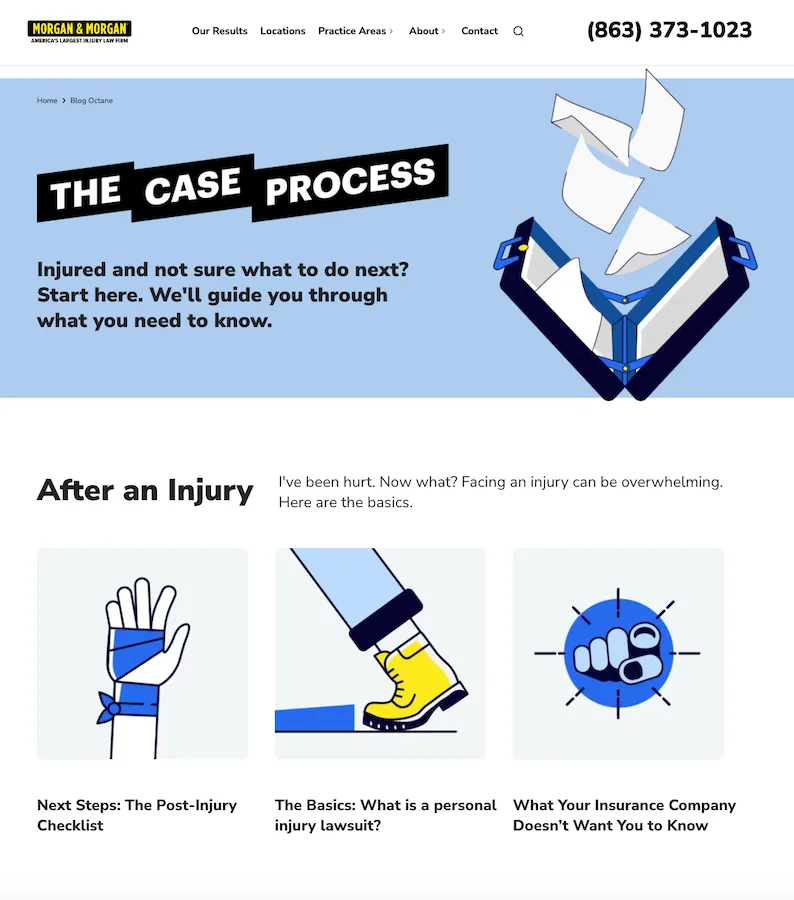
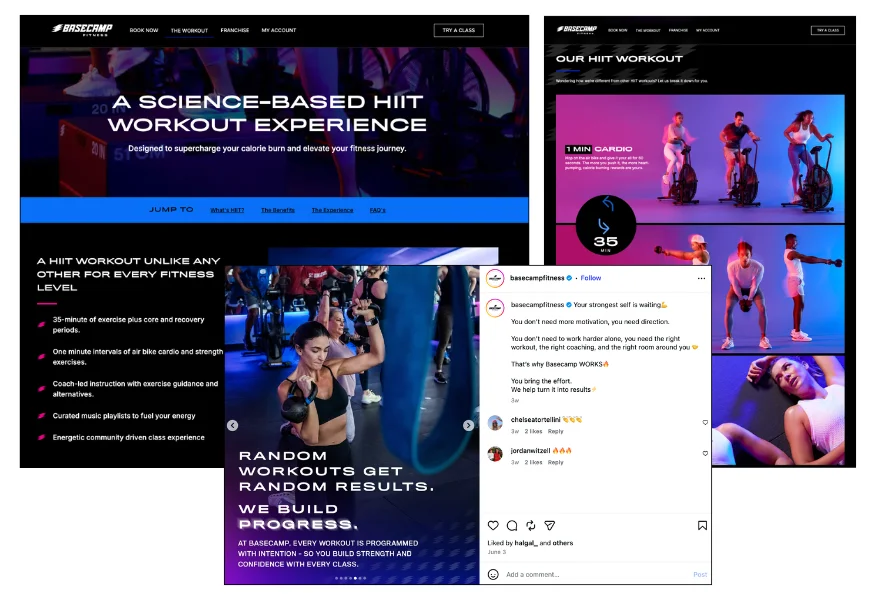
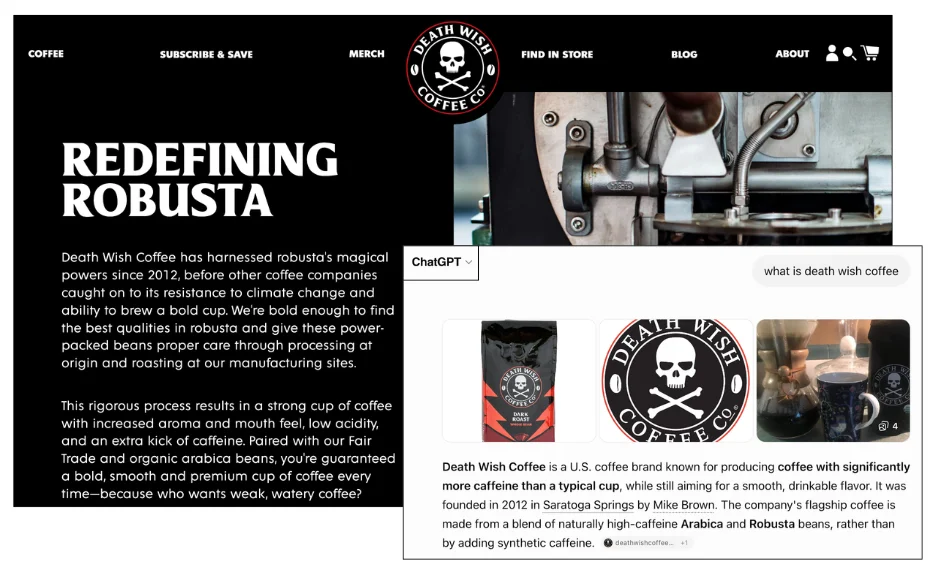
Examples of this shift can be seen in brands like Death Wish Coffee and Morgan & Morgan. These organizations have moved away from disposable blog posts that chase fleeting trends. Instead, they focus on "core assets"—comprehensive pages that explain essential business operations, service processes, or product differences. These assets are then utilized by internal sales teams in emails, shared as social media snippets, and structured so that AI tools can summarize them without distorting the brand’s message.
Multi-Channel Distribution as a Hedge Against Volatility
When search traffic becomes volatile, businesses must rely on channels they control. A robust distribution engine ensures that content continues to provide value even if its search ranking fluctuates.

Email: The Foundation of Direct Relationships
In a zero-click environment, email marketing serves as the primary safeguard. Unlike search, which is transactional, email is relational. Content repurposed for email must prioritize clarity. When a housing explainer from a site like Brick Underground is converted into a newsletter, its value is measured by engagement and forwards rather than raw hits. Clear, evergreen explanations can be reused in onboarding sequences and follow-up campaigns for years, providing a return on investment that far outlasts a temporary search ranking.
Social Media: The Testing Ground for Clarity
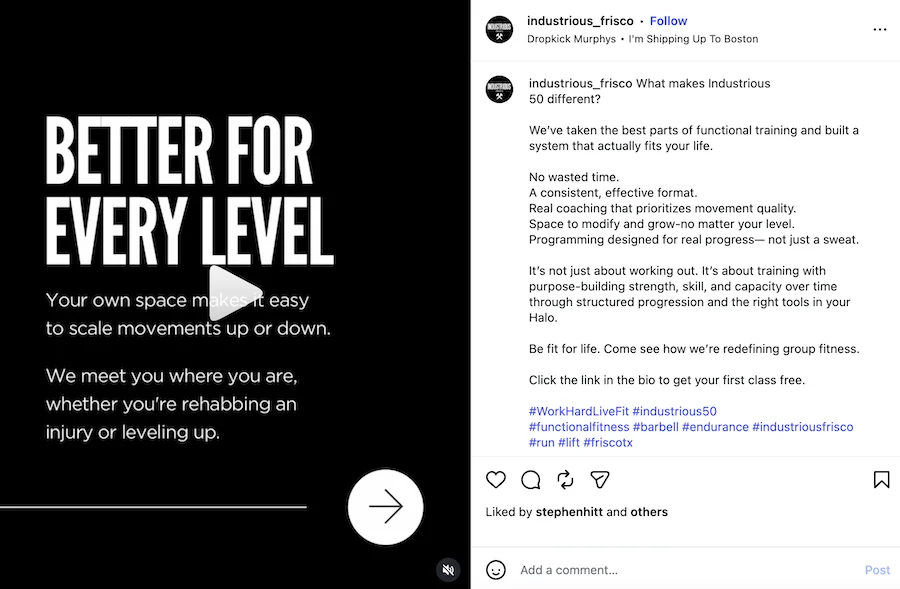
Social media platforms act as a filter for content quality. If a concept is too vague to be explained in a LinkedIn post or an Instagram carousel, it is unlikely to survive the fragmentation of AI search. Brands like Industrious Frisco utilize their website content as a repository for social media captions and short-form video scripts. This ensures that the brand’s core message reaches the audience regardless of whether they ever visit the main site.
Video: Building Trust Through Familiarity
Video content provides a level of trust that text alone cannot achieve. By converting core text assets into short, informative videos, businesses like Beardbrand Barbershop create "sticky" content. These videos can be embedded in blog posts, sent via text message to clients, or uploaded to YouTube, where they serve as a secondary search engine that is less affected by the "Google Zero" phenomenon.
Redefining Success: New Metrics for the AI Era
The traditional SEO scorecard—rankings, impressions, and clicks—is becoming an incomplete metric. To measure the effectiveness of a modern content strategy, organizations are shifting toward "assisted metrics" that reflect how content supports the entire customer journey.

- Assisted Conversions: This metric tracks whether a user interacted with a piece of content at any point before converting, even if that content was not the final click.
- Internal Sales Usage: One of the most significant indicators of content value is whether it is used by sales and support teams. If a "How it Works" page is frequently sent to prospective clients, it is performing its job, regardless of its organic traffic levels.
- Brand Search Growth: As users find answers via AI Overviews that cite a specific brand, they often return to search specifically for that brand name. An increase in branded search volume is a strong signal that the brand’s content is establishing authority in the AI ecosystem.
- AI Summary Accuracy: Organizations are now auditing how AI tools like Gemini and ChatGPT summarize their services. If the summaries are accurate and consistent with the brand’s mission, it indicates that the content is structured correctly for machine readability.
Industry Reactions and the Path Forward
The reaction from the publishing and marketing sectors has been a mix of apprehension and adaptation. Many large-scale publishers have entered into licensing agreements with AI firms, recognizing that their data is the "fuel" for these models. Conversely, small to medium-sized businesses are focusing on "Information Gain"—a concept where content must provide unique insights or data that cannot be easily replicated by an AI’s training set.
The broader implication of this shift is the end of SEO as a siloed discipline. In the future, "search optimization" will be indistinguishable from "brand communication." Content will be judged not by how many people it attracts to a URL, but by how effectively it explains a service across the entire digital ecosystem.

To transition without losing existing SEO value, businesses are encouraged to "refactor" their high-performing pages. This involves rewriting introductions to be explicit rather than atmospheric, adding clear headers and lists to support AI extraction, and ensuring that every piece of new content has a predefined distribution plan across email, social, and video channels.
Conclusion
Traffic volatility is not a temporary hurdle but a permanent feature of the new digital reality. The businesses that will thrive in the age of "Google Zero" are those that view content as a versatile business asset rather than a lure for search engines. By prioritizing clarity, reuse, and multi-channel distribution, companies can build a resilient marketing engine that remains effective even as the gatekeepers of the internet change the rules of engagement. The goal is no longer just to be found, but to be understood, remembered, and reused across the vast and fragmented landscape of AI-driven search.
Related posts: