Data analysts at the social media management platform Buffer have released a comprehensive study detailing the optimal windows for professional engagement on LinkedIn, revealing a significant shift in user behavior as the platform moves further into 2026. After analyzing a massive dataset of 4.8 million posts, the study, led by resident data scientist Julian Winternheimer, indicates that the traditional "business hours" model of LinkedIn usage is rapidly giving way to a late-afternoon and evening-heavy engagement cycle. This transition mirrors trends previously observed on entertainment-centric platforms like TikTok and Instagram, suggesting a fundamental change in how professionals consume industry-related content.
The 2026 report highlights a stark contrast to findings from 2025. Just one year ago, LinkedIn engagement was almost exclusively concentrated within the 9-to-5 workday, with activity dropping off sharply after 5 p.m. However, current data suggests that the peak windows have shifted toward the "after-hours" period, with the strongest engagement numbers now appearing between 3 p.m. and 8 p.m. on weekdays. Professionals are increasingly accessing the platform after closing their laptops, engaging with content during commutes or evening wind-down periods.
The 2026 Engagement Heatmap: A Quantitative Breakdown
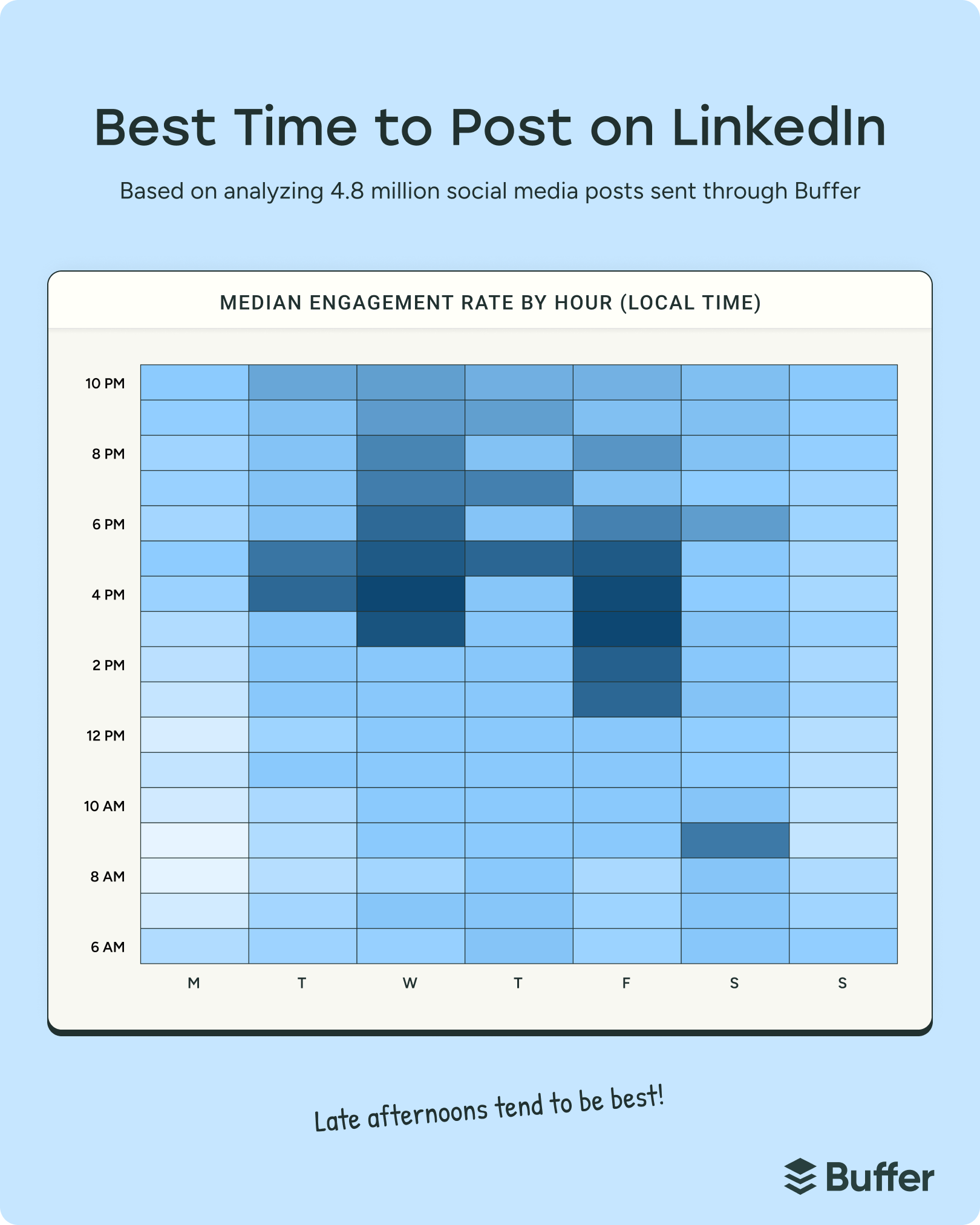
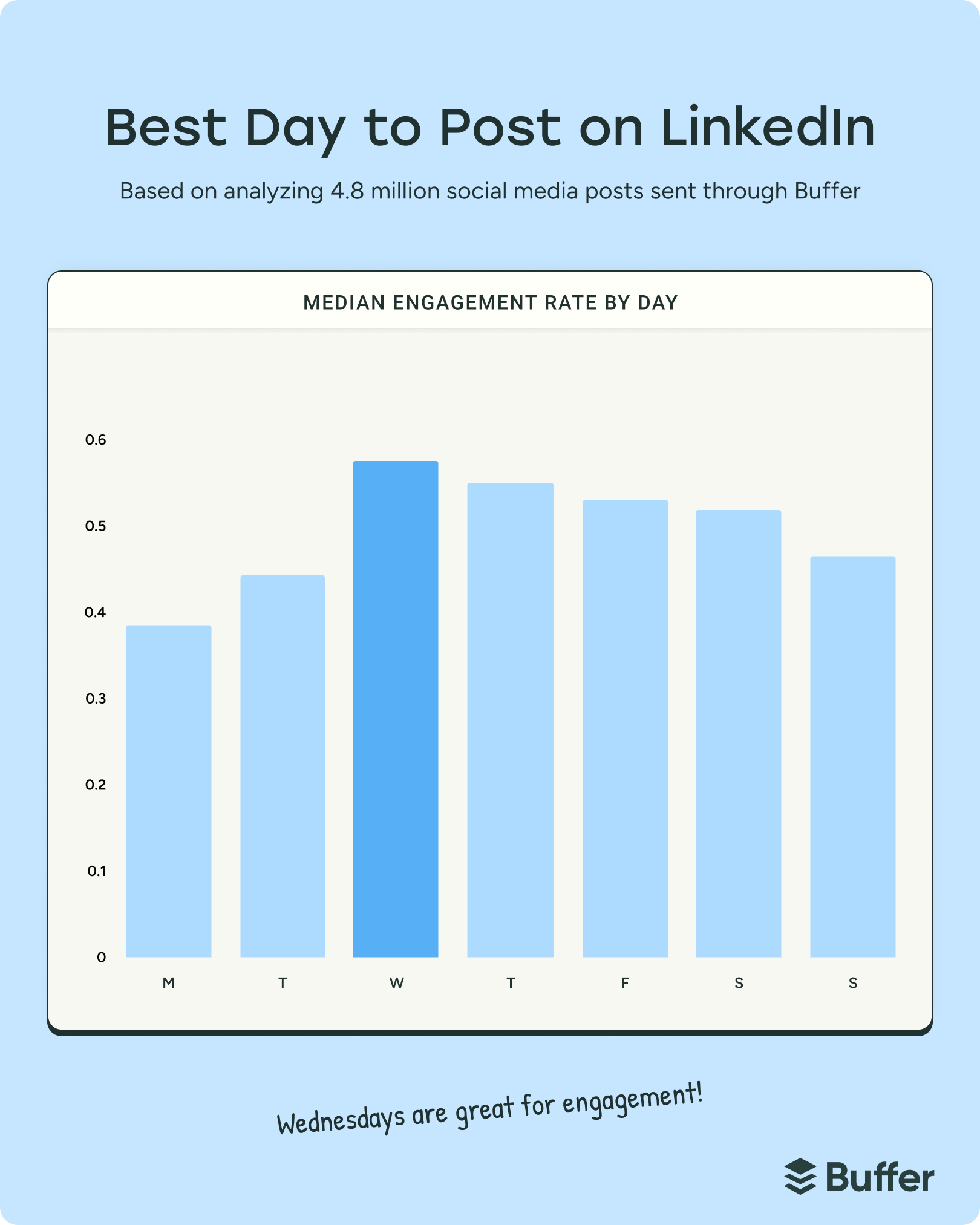
The core of the study is built upon the normalization of posting times across various time zones, ensuring that the data is applicable regardless of a user’s geographic location. The analysis identifies Wednesday as the premier day for LinkedIn activity, closely followed by Thursday and Friday. Conversely, the early part of the week—Monday and Tuesday—shows the lowest levels of interaction, likely due to professionals prioritizing internal meetings and task management at the start of the workweek.
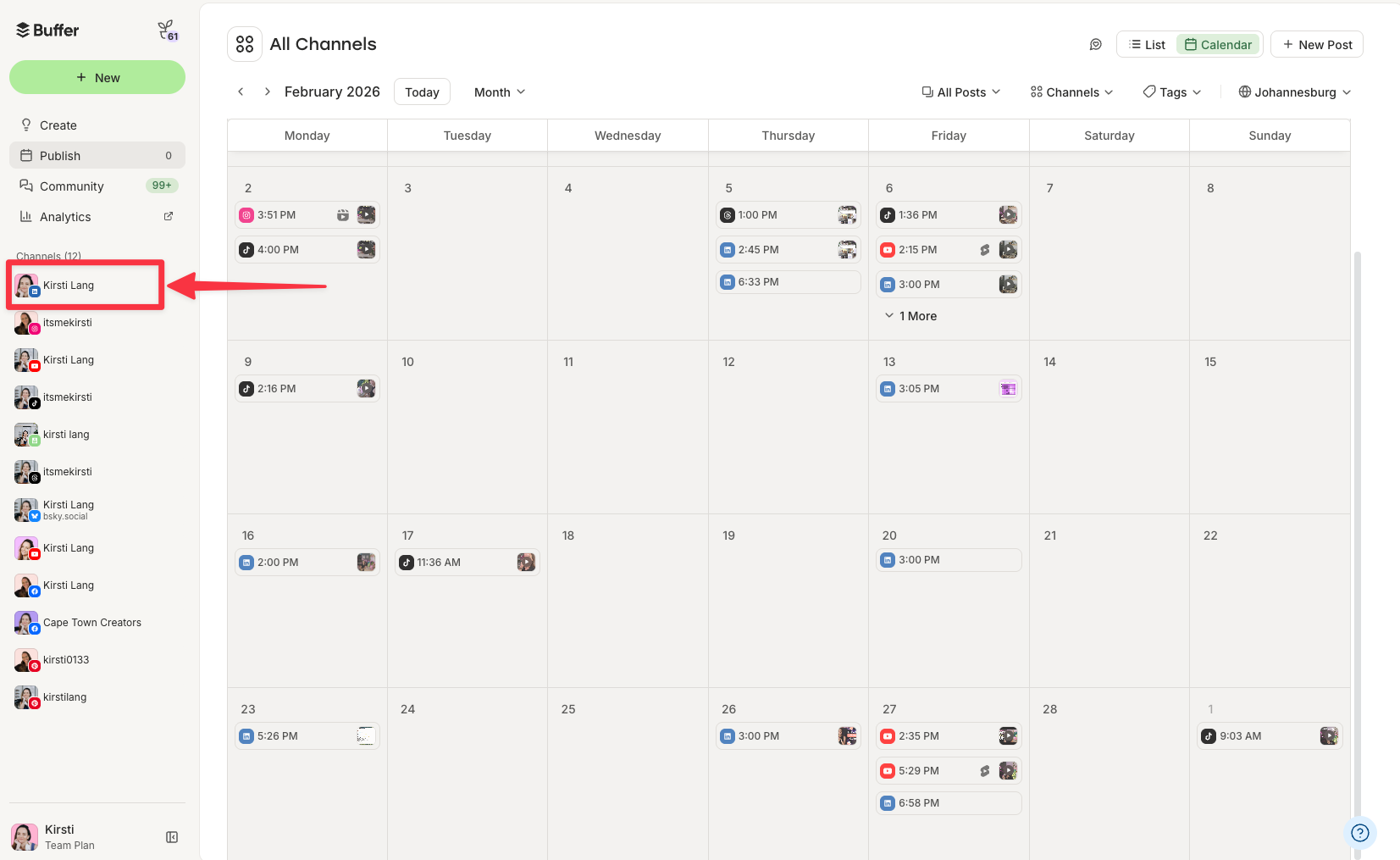
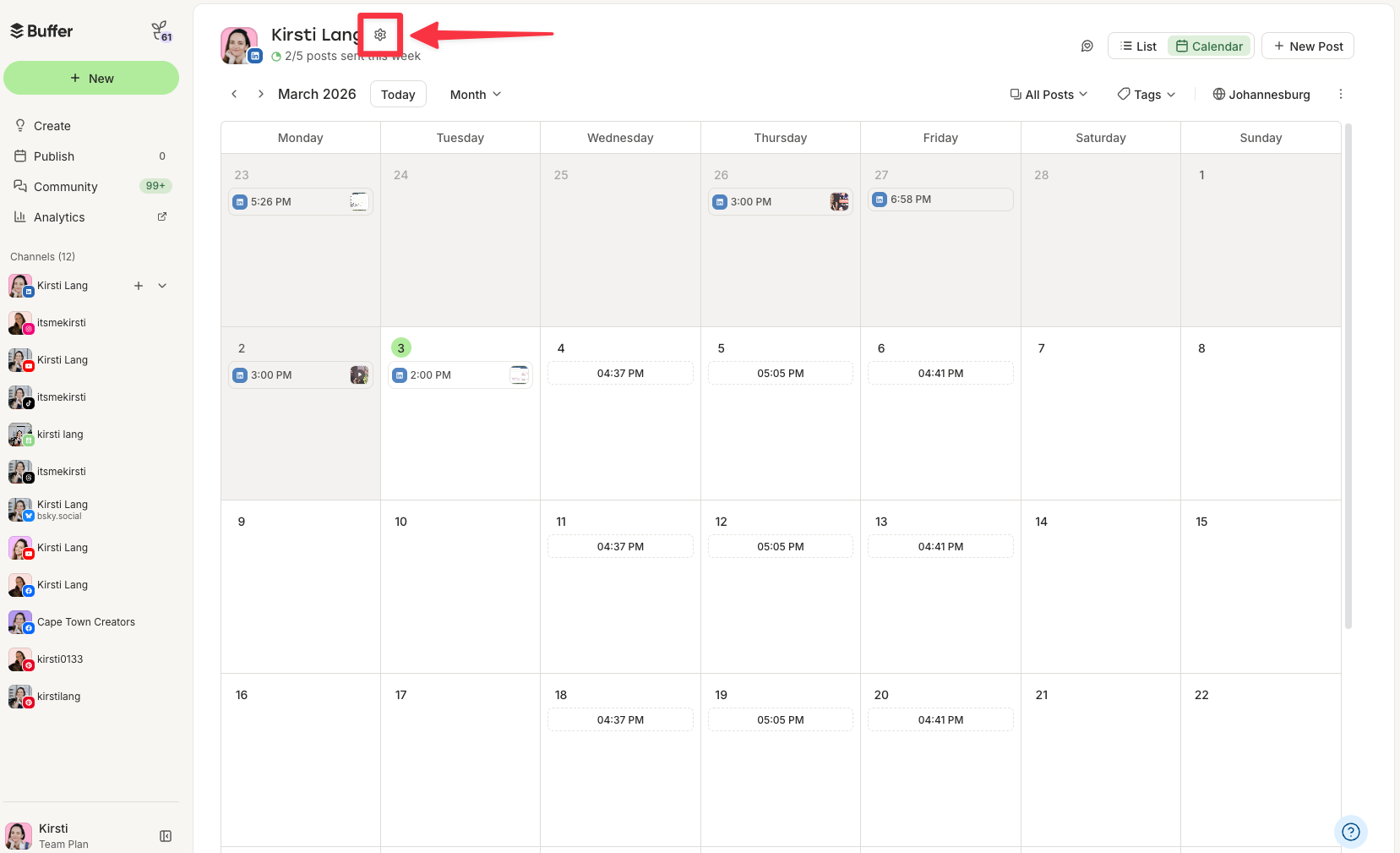
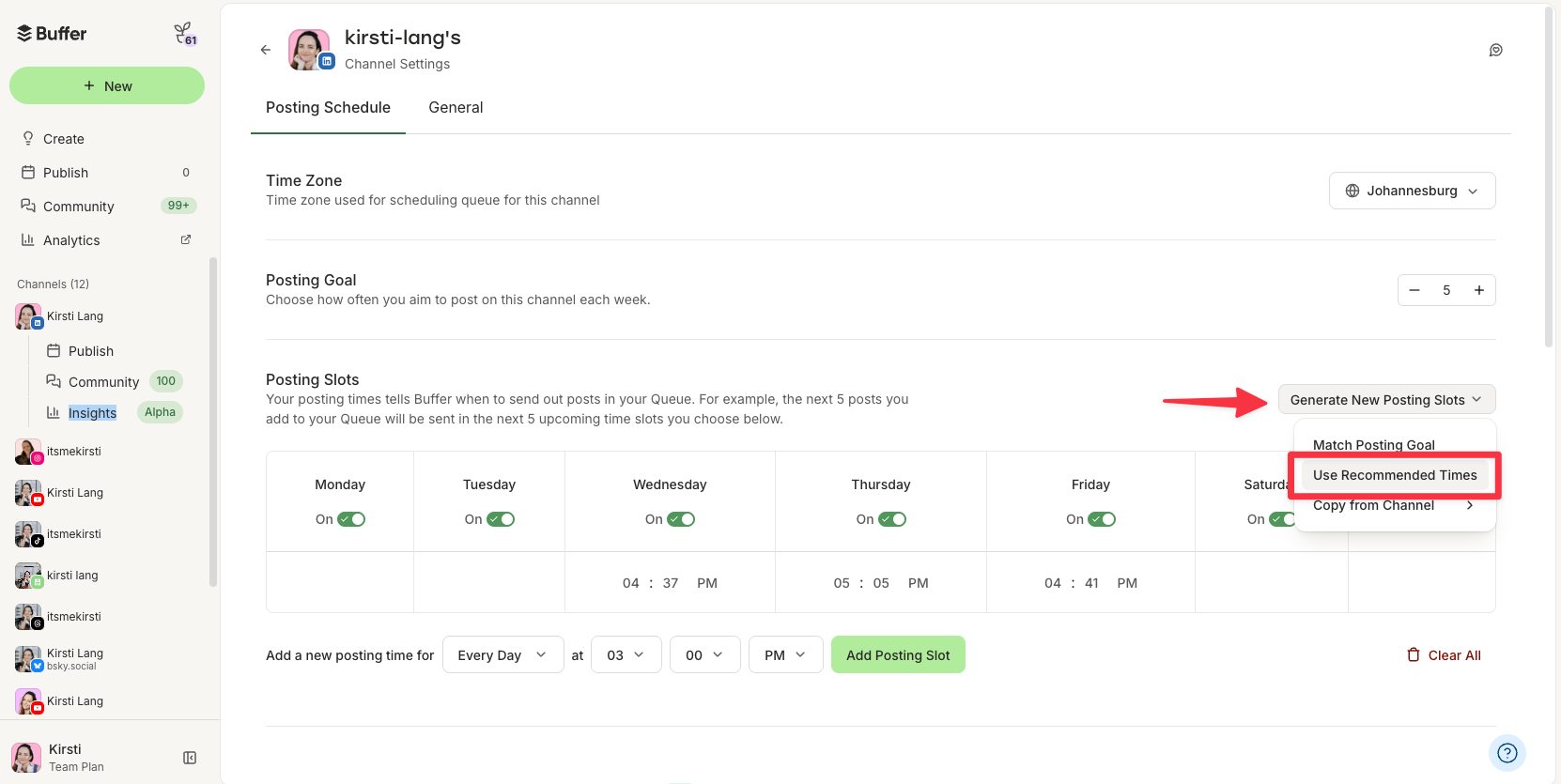
The daily breakdown of optimal posting times for 2026 is as follows:
- Monday: 10 p.m., 5 p.m., and 9 p.m.
- Tuesday: 4 p.m., 5 p.m., and 10 p.m.
- Wednesday: 4 p.m., 3 p.m., and 5 p.m.
- Thursday: 5 p.m., 7 p.m., and 9 p.m.
- Friday: 3 p.m., 4 p.m., and 5 p.m.
- Saturday: 9 a.m., 6 p.m., and 10 p.m.
- Sunday: 10 p.m., 9 p.m., and 6 a.m.
The data reveals that Wednesday at 4 p.m. is one of the highest-engagement slots of the entire week. Friday afternoon also remains a powerhouse window, particularly between 3 p.m. and 5 p.m., as users begin to transition away from focused work tasks and toward professional networking and industry news consumption.
Chronology of Usage Patterns: From 2024 to 2026
The evolution of LinkedIn usage patterns over the last three years provides a necessary context for these findings. In 2024, the platform was still heavily influenced by the return-to-office mandates and traditional corporate structures, where LinkedIn was viewed primarily as a "work-time" utility. In 2025, Buffer’s data scientist noted that engagement was "almost entirely confined to working hours."
The shift seen in 2026 represents a maturation of the platform’s mobile experience and a blurring of the lines between professional development and personal scrolling time. Industry analysts suggest that as LinkedIn has integrated more "creator-led" content and visual formats like carousels and video, it has successfully occupied the "leisure-professional" niche. Users no longer feel the need to be at a desk to interact with their professional network; instead, they are using the app as a primary source of information during their personal time.
Algorithmic Mechanics and the "Golden Hour"
The study also addresses the mechanics of the LinkedIn algorithm, which remains a primary driver of reach. While the "best time to post" provides a statistical advantage, the platform’s algorithm prioritizes signals such as reactions, comments, and reposts to determine the value of a post.
A common industry term, the "Golden Hour," refers to the period immediately following a post’s publication. While LinkedIn has never officially confirmed a specific 60-minute window for determining a post’s viral potential, the Buffer data confirms that early engagement is a critical signal. By posting when the highest number of followers are active—such as the 4 p.m. Wednesday window—creators increase the probability of generating the initial interactions required to trigger wider distribution across the network.
Content Format and Frequency: The Multipliers of Success
Beyond the timing of a post, the 2026 report emphasizes the importance of content format and frequency. A separate analysis of 2 million posts within the Buffer ecosystem found that carousel (document) posts are currently the most effective format on the platform, generating up to 596% more engagement than text-only posts. This is attributed to higher "dwell time," as users spend more time clicking through pages of a document, which the algorithm interprets as high-quality engagement.
Frequency also plays a vital role in 2026 LinkedIn strategies. The data suggests:
- Baseline Consistency: Posting 2 to 5 times per week results in approximately 1,182 more impressions per post compared to posting once a week.
- High-Activity Growth: Posting 6 to 10 times per week increases impressions by an average of 5,001 per post.
- Maximum Reach: Creators posting 11 or more times per week see a dramatic surge, gaining nearly 17,000 more impressions per post and triple the engagement of lower-frequency accounts.
These gains appear consistent regardless of audience size, indicating that the LinkedIn algorithm in 2026 rewards active participants over passive accounts.
Professional Reactions and Market Implications
Digital marketing experts have reacted to the 2026 shift with a mix of surprise and strategic pivot. "The move toward evening engagement suggests that LinkedIn is no longer just a digital resume or a job-hunting site; it has become a professional social network in the truest sense," says one social media strategist. "Marketing teams that are still shutting down their social efforts at 5 p.m. are missing the most active window of their target audience."
This shift has broader implications for B2B (Business-to-Business) marketing. Traditionally, B2B brands avoided late-night or weekend posting, fearing it would appear intrusive or unprofessional. The 2026 data invalidates this concern, showing that the professional audience is not only active during these times but is actively seeking out professional value-add content when they are away from the pressures of the office.
Fact-Based Analysis: Why the Evening Shift?
Several factors likely contribute to the later engagement peaks observed in 2026:
- Mobile-First Consumption: The LinkedIn mobile app has undergone significant UX improvements, making it more conducive to casual browsing.
- Content Saturation: During midday hours (11 a.m. to 2 p.m.), the platform is often saturated with corporate announcements and automated posts, leading to "scroll fatigue." Evening posts may face less competition for space in the feed.
- The "Second Screen" Phenomenon: Professionals often browse LinkedIn while watching industry webinars, news, or even television in the evening, treating the platform as a secondary stream of information.
- Global Workforce Synchronization: In an increasingly globalized economy, late-afternoon posts in one time zone (e.g., Eastern Standard Time) often align with the start of the day or midday peaks in other major economic hubs, creating a "rolling wave" of engagement.
Conclusion and Strategic Recommendations
While the 4.8 million posts analyzed by Buffer provide a robust baseline, the report concludes with a reminder that individual audience behavior may vary by niche. For instance, the best time to post for a medical professional may differ from that of a software developer or a creative freelancer.
For brands and personal brands looking to optimize their 2026 LinkedIn presence, the evidence points toward a three-pronged strategy:
- Prioritize the Mid-to-Late Week: Focus high-value content on Wednesdays, Thursdays, and Fridays.
- Embrace the Late Afternoon: Transition primary posting schedules from the 9 a.m. "morning rush" to the 3 p.m.–5 p.m. "wind-down" window.
- Utilize Visual Documents: Leverage the 596% engagement boost provided by carousel posts to maximize the impact of the chosen posting time.
As the platform continues to evolve, the 2026 data underscores a definitive trend: the professional world is no longer bound by the office clock, and successful communication now requires meeting the audience where they are—even if that is on a mobile device at 10 p.m. on a Monday night.