WooCommerce Launches iPhone Point of Sale System for United Kingdom Merchants to Streamline Omnichannel Commerce

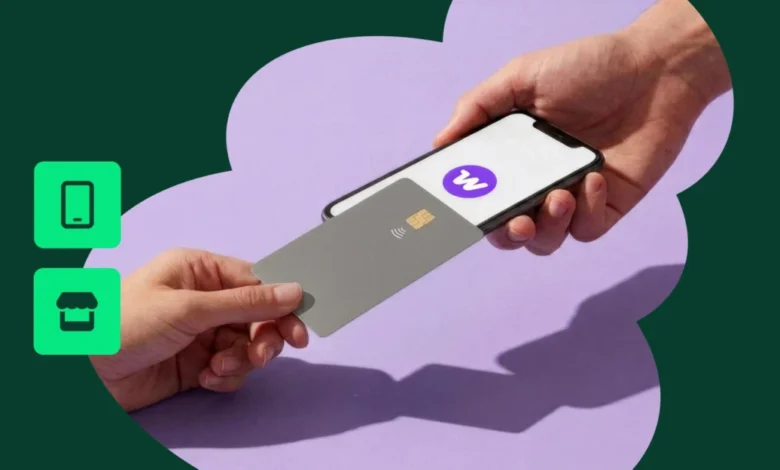
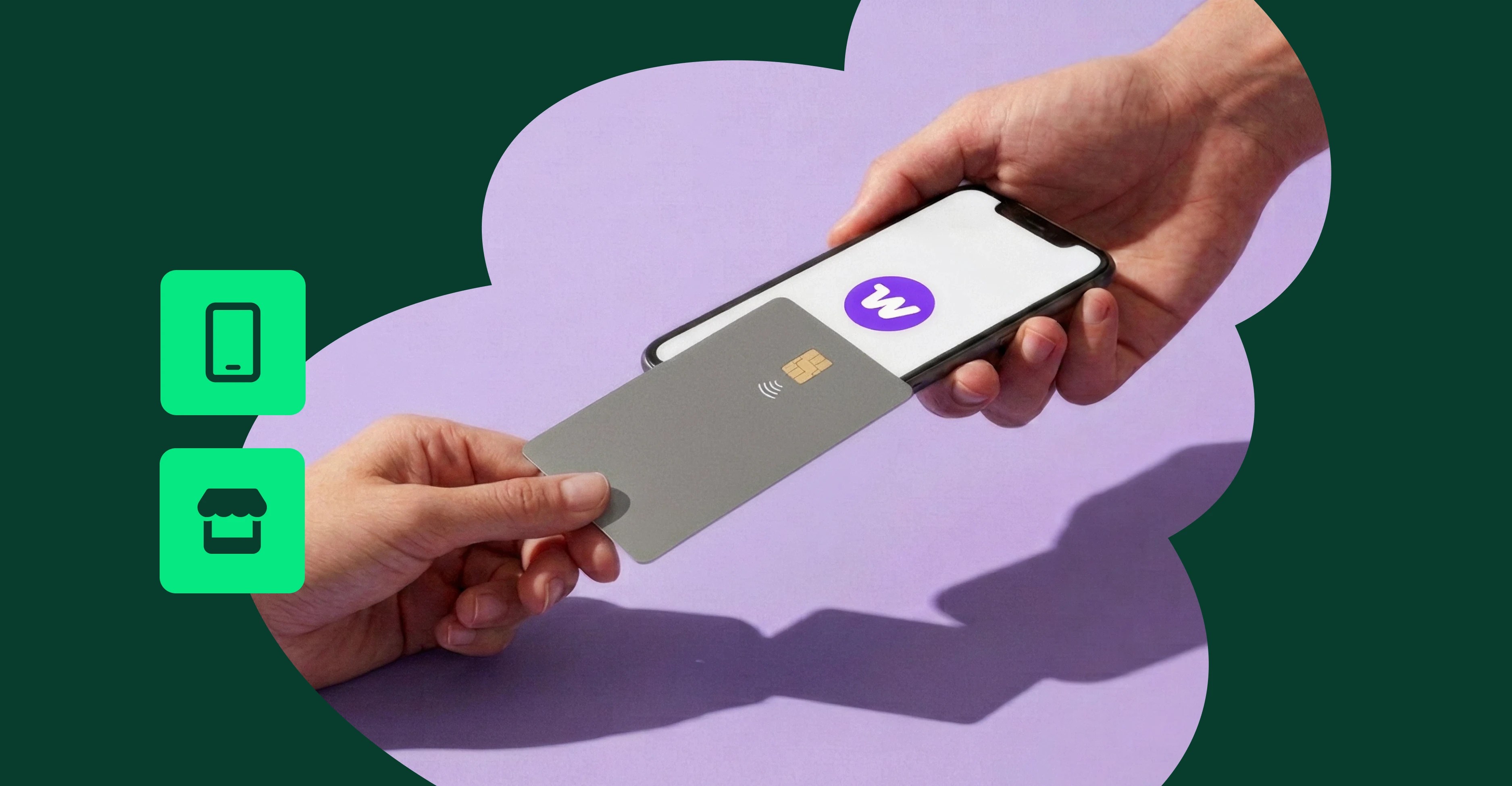
The global e-commerce landscape has reached a pivotal juncture where the boundaries between digital storefronts and physical retail spaces are increasingly blurred. In a strategic move to capture the growing demand for flexible, "everywhere" commerce, WooCommerce has officially announced the launch of its iPhone-based Point of Sale (POS) system for merchants operating within the United Kingdom. This development allows UK-based business owners to transform their standard smartphones into fully functional payment terminals, enabling them to browse catalogs, manage carts, and process transactions through Tap to Pay, physical card readers, or cash. By integrating these mobile capabilities directly with the existing WooCommerce ecosystem, the company aims to provide a seamless synchronization of sales data, inventory management, and customer insights.
The Evolution of Mobile Commerce in the British Market
The introduction of WooCommerce POS for iPhone in the UK is not merely a technical update; it is a response to the shifting economic habits of British consumers. The United Kingdom has long been a leader in the adoption of contactless payment technology. According to data from UK Finance, contactless payments accounted for nearly 40% of all credit card transactions and over 50% of debit card transactions in recent years. For small and medium-sized enterprises (SMEs) across the UK—from boutique shops in London’s Soho to pop-up stalls in Manchester’s Northern Quarter—the ability to accept payments without the overhead of traditional, bulky POS hardware is a significant competitive advantage.
Previously, merchants were often tethered to stationary checkout counters or required expensive, proprietary hardware provided by traditional banks. The WooCommerce POS application disrupts this model by leveraging the hardware most entrepreneurs already own: the iPhone. This "Bring Your Own Device" (BYOD) approach reduces the barrier to entry for new businesses and offers established retailers a secondary, mobile checkout option to reduce queue times during peak trading periods.
Technical Specifications and the Power of Tap to Pay
At the heart of this release is the integration of "Tap to Pay on iPhone." This technology utilizes the Near Field Communication (NFC) chip embedded in Apple’s hardware to securely read encrypted payment data from a customer’s contactless card or digital wallet (such as Apple Pay or Google Pay). For the merchant, this means no additional dongles or Bluetooth-connected peripherals are strictly necessary to begin taking card payments.
However, acknowledging the diverse needs of the retail sector, WooCommerce has maintained compatibility with dedicated hardware. For merchants who prefer a more traditional tactile experience or need to process "chip and PIN" transactions for higher-value sales, the system supports the WisePad 3 card reader. Furthermore, the app includes a manual entry mode for cash transactions, ensuring that all revenue streams—regardless of the medium—are recorded in a single, unified digital ledger.
To utilize these features, UK merchants must be operating on iPhones running the latest iterations of iOS. The software architecture is designed to load product catalogs automatically from the cloud, ensuring that any changes made to a web store—such as price adjustments or stock updates—are reflected on the mobile POS interface in real-time. This bi-directional sync is critical for preventing overselling, a common pain point for businesses that manage both an online presence and a physical "bricks-and-mortar" location.
Seamless Integration with WooPayments and Stripe
A Point of Sale system is only as effective as its underlying financial infrastructure. To facilitate this launch, WooCommerce has deepened its integration with WooPayments and Stripe. These gateways serve as the engine for transaction processing, offering merchants a transparent view of their cash flow. By using these integrated services, business owners can manage their payouts, refunds, and chargebacks directly from the WooCommerce dashboard.
From a security perspective, the system adheres to the highest industry standards. Tap to Pay on iPhone utilizes the same security and privacy features that make Apple Pay a trusted medium for millions. When a transaction is processed, Apple does not store card numbers on the device or on Apple servers. For UK merchants, this means compliance with Payment Card Industry (Data Security Standard) (PCI DSS) is simplified, as the sensitive data is handled through secure, encrypted channels managed by the payment gateway and the hardware’s "Secure Element."
Chronology of Development and Global Strategy
The rollout in the United Kingdom follows a period of intensive development and testing within the Automattic ecosystem, the parent company of WooCommerce. Gabriel Maldonado, an iOS developer at Automattic, noted that the focus of the development team has been on creating a tool that feels native to the Apple environment while remaining deeply rooted in the flexible architecture of WordPress and WooCommerce.
The journey toward this mobile-first POS began years ago with the realization that the "web-only" model of e-commerce was reaching its limit. As consumers returned to physical stores following the global pandemic, they brought with them the expectation of a digital-first experience. They wanted the convenience of online shopping combined with the immediacy of in-person fulfillment. This led to the development of initial POS tools for iPad and Android, eventually culminating in the refined, iPhone-specific version now available to the UK market.
Market Context: The Competitive Landscape of Omnichannel Retail
WooCommerce’s expansion into the UK mobile POS market places it in direct competition with established fintech giants such as Shopify, Square, and Zettle (owned by PayPal). However, WooCommerce holds a unique advantage: its open-source heritage. While competitors often lock merchants into closed ecosystems with monthly subscription fees and proprietary hardware, WooCommerce offers a level of customization that is highly valued by the developer community and independent retailers.
The UK market is particularly contested. Square has built a strong foothold among micro-merchants, while Shopify’s POS system is favored by larger brands that require complex multi-location inventory management. By bringing a native, iPhone-based solution to the UK, WooCommerce is positioning itself as the middle ground—offering the professional-grade features required by scaling businesses with the ease of use expected by sole traders.
Analysis of Economic Implications for UK Small Businesses
The timing of this launch is significant as UK businesses navigate a complex economic environment characterized by fluctuating inflation and changing consumer spending patterns. For many SMEs, the cost of technology can be a deterrent to modernization. By removing the need for a dedicated card terminal—which often comes with monthly rental fees or long-term contracts—WooCommerce is effectively lowering the operational costs of physical retail.

Furthermore, the "instant sync" feature provides business owners with better data for decision-making. In a traditional setup, reconciling daily sales from a physical terminal with online orders can take hours of manual labor. With the WooCommerce POS, the data is unified. This allows for more accurate reporting on "Cost of Goods Sold" (COGS) and profit margins, which is essential for survival in a high-interest-rate environment.
Official Responses and User Experience
Early feedback from the merchant community indicates that the simplicity of the setup is its most lauded feature. Merchants simply need to update their WooCommerce app, navigate to the POS tab, and their entire product library is ready for mobile sales. There is no need for manual CSV imports or complex API configurations.
Industry analysts suggest that this move by Automattic is part of a broader "Commerce Everywhere" strategy. By making the iPhone a central hub for business operations, WooCommerce is ensuring that its platform remains indispensable to the merchant, whether they are selling at a weekend craft fair or managing a high-volume warehouse.
Broader Impact and Future Outlook
Looking ahead, the launch of WooCommerce POS on iPhone in the UK is likely a precursor to further regional expansions. As Apple continues to roll out Tap to Pay capabilities in other European and Asian markets, WooCommerce is expected to follow suit, creating a global network of mobile-enabled merchants.
The implications for the "High Street" are also noteworthy. As traditional retail undergoes a transformation, the survival of physical stores may depend on their ability to offer "Phygital" (physical plus digital) experiences. Features like "Buy Online, Pick Up In-Store" (BOPIS) and "In-Store Returns for Online Purchases" become significantly easier to manage when the staff on the floor has a real-time view of the entire store’s ecosystem in the palm of their hand.
In conclusion, the arrival of WooCommerce POS for iPhone in the United Kingdom represents a significant milestone in the democratisation of retail technology. By turning a ubiquitous consumer device into a professional business tool, WooCommerce is empowering a new generation of British entrepreneurs to sell more effectively, manage more efficiently, and compete more aggressively in an increasingly digital world. As the boundaries of the storefront continue to expand, the focus remains on providing the merchant with the tools they need to meet their customers wherever they may be.