
The digital commerce ecosystem is currently undergoing a rapid transformation, driven by the dual imperatives of artificial intelligence integration and the demand for seamless, omnichannel operational efficiency. As retailers prepare for the high-stakes holiday shopping season, a wave of new service launches and platform updates is reshaping how brands discover audiences, fulfill orders, and secure customer trust. From the emergence of "agentic commerce"—where AI systems take proactive roles in operations—to sophisticated logistics expansions in global markets, the following developments represent the current trajectory of the online retail industry.
The Rise of Agentic Commerce and AI Discovery
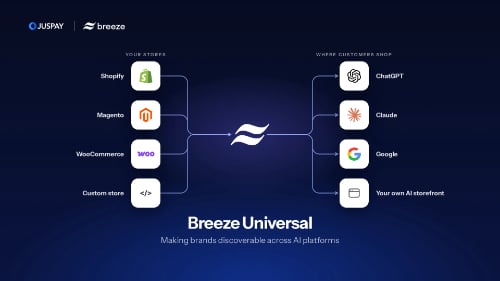
The most significant trend defining the current technological climate is the shift from passive AI assistance to active, agent-led commerce. Leading the charge is Juspay, which has officially launched "Breeze Universal," a discovery engine designed to make brand catalogs natively accessible across generative AI platforms like ChatGPT and Claude. By integrating directly with existing merchant backends—such as Shopify and WooCommerce—Breeze Universal eliminates the traditional friction of searching for specific products, effectively placing a merchant’s entire inventory at the fingertips of users interacting with AI interfaces.

Complementing this, Anthropic has released a suite of "AI Agent Blueprints" tailored specifically for retailers. These blueprints provide a standardized framework for merchants to build conversational shopping agents. Unlike basic chatbots, these agents are designed to handle complex, multi-step tasks, including suggesting inventory based on user preferences, calculating dynamic pricing, and managing the checkout flow. Industry analysts suggest that this marks the beginning of a broader trend where "agentic" systems—autonomous software that performs actions rather than just providing data—will become the standard for customer engagement.
Enhancing Customer Trust and Digital Security
As the reliance on AI for consumer interactions grows, so does the risk of impersonation and fraudulent activity. In response, Amazon has taken proactive measures by introducing verification features for its Alexa for Shopping platform. U.S. customers can now instruct Alexa to authenticate whether a specific communication—be it an email, phone call, or text message—originated from Amazon. This development follows a series of company-wide efforts, including the launch of dedicated email verification channels earlier this year, to mitigate the impact of phishing campaigns that exploit the trust consumers place in global retail giants.
Security is also a focal point for Okta, which has introduced its Auth0 Identity Conversion Suite. By focusing on the "agent-led" future, Okta’s new suite allows brands to manage identity verification across disparate commerce channels while simultaneously testing login flows. This is crucial for merchants aiming to provide a frictionless experience without compromising the security of user data as consumers move between web, mobile, and AI-driven platforms.
Omnichannel Fulfillment and Logistics Expansion
Logistics providers are similarly adapting to the demand for local, in-market fulfillment. Flexport has announced a strategic expansion, launching fulfillment services in Mississauga, Canada, and Manchester, U.K. By enabling merchants to store inventory locally, Flexport is effectively reducing the lead times and custom complexities that often hinder international growth. This model allows for simplified returns management, as goods remain within the host country, significantly lowering the carbon footprint and administrative overhead associated with cross-border logistics.
In a move to unify disparate sales channels, Lightspeed Commerce has integrated with ShipStation. This partnership is designed to bridge the gap between physical point-of-sale systems and digital order management. By embedding fulfillment capabilities directly into the POS, retailers can now handle automated tax calculations and shipping logistics from a single dashboard. This integration is a response to the growing necessity for small and mid-sized retailers to operate as true omnichannel entities, maintaining a consistent inventory view regardless of whether a sale occurs in-store or online.
Specialized Tools for Niche Retail Growth
Beyond the major platforms, specialized service providers are introducing granular tools to assist in niche market sectors. Sigmira has unveiled a product customizer for WooCommerce, addressing the growing demand for personalized goods. This cloud-based platform allows customers to visualize their design modifications in real-time before finalizing an order. By offloading the complex technical requirements of product customization to an external platform, Sigmira enables merchants to focus on their core product offerings while automating the production-ready design workflow.

Dropshipping, a business model historically plagued by high financial risk and low margins, is also seeing innovation. Crosslist has introduced a "micro-budget" testing method, which provides a structured framework for dropshippers to validate market demand with minimal capital investment. By guiding sellers to limit product selection and budget over a 14-to-30-day window, Crosslist is encouraging a more analytical, data-driven approach to market entry, reducing the likelihood of wasted advertising spend.
Feedback Loops and the Evolution of CRM
The management of customer feedback is also being transformed by AI-native platforms. Alchemer’s launch of "Iris" represents a pivot from data collection to automated action. Iris does not simply aggregate survey results; it proactively manages reputation by responding to reviews, triggering follow-up actions, and integrating these insights into existing team workflows. This "human-first" design ensures that AI operates within set parameters, allowing companies to scale their customer experience efforts without losing the nuance of brand voice.
Similarly, WizCommerce has debuted "WizCRM," a platform tailored for the B2B wholesale sector. Recognizing the unique needs of manufacturers and distributors, the tool provides AI-driven sales assistance via "WizPilot," which can handle routine inquiries and administrative tasks. This enables sales teams to focus on relationship management rather than manual data entry or quote generation.

Marketing and Content Engagement Strategies
Content discovery is increasingly being integrated directly into shopping apps to drive engagement. Flipkart has launched a "microdrama" vertical, partnering with content creators like Pratilipi and Terribly Tiny Tales to house short-form entertainment within its shopping app. This move reflects the broader "shoppertainment" trend, where platforms attempt to capture user attention through native content, thereby increasing the time spent on the app and facilitating discovery-led commerce.
On the traditional marketing front, Listrak is attempting to improve the baseline for email performance by releasing a free audit tool. By evaluating emails against 30 high-performing tactics—ranging from mobile optimization to accessibility and conversion setup—Listrak provides merchants with a tangible benchmark for their email marketing strategies. This initiative addresses a common industry frustration: the reliance on vanity metrics like open rates, which are increasingly unreliable due to privacy changes in email clients.
Payments and Financial Flexibility
Finally, the payments sector continues to evolve with a focus on convenience and flexibility. Ecommpay has introduced a versatile QR code payment system, allowing merchants to generate static codes for use on receipts, signage, or web pages. This facilitates seamless, contactless payments without the need for sophisticated hardware. Meanwhile, Shopline has partnered with Splitit to integrate card-linked installment payments. Unlike traditional Buy Now, Pay Later (BNPL) services that require new credit lines, Splitit leverages the consumer’s existing credit card, allowing merchants to offer installment options with lower barrier-to-entry and minimal implementation overhead.
Summary of Industry Implications
The convergence of these technologies suggests that the next phase of ecommerce will be defined by "invisible infrastructure"—systems that work autonomously to bridge the gaps between discovery, purchase, and fulfillment. As AI platforms become the primary interface for consumer search, the ability for brands to remain visible and actionable in these environments will be a critical differentiator.
The emphasis on "agentic" systems indicates a shift away from static software toward dynamic, responsive platforms that can learn from user behavior and execute tasks independently. While these advancements offer significant efficiency gains, they also require a heightened focus on security, data integrity, and the maintenance of human oversight. As retailers integrate these tools, the winners in the marketplace will be those who leverage these AI-driven capabilities to create more personalized, secure, and responsive customer journeys, ultimately setting the stage for a new standard in global retail operations.