Buffer vs Loomly: A Comprehensive Comparison of Leading Social Media Management Platforms


In the rapidly evolving landscape of digital marketing, the selection of a robust social media management tool has become a critical operational decision for creators, small businesses, and large-scale marketing agencies. As digital presence requirements grow, the choice between established platforms like Buffer and Loomly often hinges on specific organizational needs, ranging from budget constraints and team structure to the necessity for sophisticated automated workflows. Recent market shifts, including notable pricing adjustments within the industry in early 2025, have prompted many organizations to re-evaluate their software stacks, leading to a surge in demand for objective, data-driven comparisons between these two prominent competitors.
Evolution of the Social Media Management Market
The social media management software market has matured significantly over the past decade. Initially designed as simple scheduling interfaces, these platforms have transformed into comprehensive operational hubs. Buffer, founded in 2010, established itself as a pioneer in transparent, user-friendly social media scheduling. Conversely, Loomly emerged later with a focus on collaborative workflows, catering specifically to teams that require structured approval processes and brand-centric content management.
In early 2025, the sector experienced a period of volatility following significant pricing restructuring from several major players, including Loomly. Reports from user communities, such as those documented on Reddit, indicated that some legacy users faced subscription cost increases of up to 400%. This pricing correction forced a industry-wide reconsideration of the value proposition offered by SaaS (Software as a Service) social media tools, placing a renewed emphasis on cost-per-channel scalability and the necessity of features like AI-assisted content creation and deep analytics.
Structural Comparison: Pricing and Scalability
The fundamental difference between the two platforms lies in their underlying pricing philosophy. Buffer employs a flexible, per-channel pricing model that benefits both independent creators and large agencies by reducing the average cost per channel as the user scales. For instance, while a solo creator managing four channels might pay $24 monthly on Buffer’s Essentials plan, a larger agency managing 60 channels could see their average cost drop to under $5 per channel per month.
In contrast, Loomly utilizes a tiered, fixed-rate structure. Its Starter plan, priced at $65 per month, supports up to 12 channels and three users. While this provides a predictable cost for a small team, it introduces a significant "price wall." Once a team expands to a fourth user or a 13th channel, they are required to move to the "Beyond" plan, which carries a monthly cost of $332. This represents a substantial capital expenditure jump that can be prohibitive for growing businesses.
Chronology of Feature Integration and User Experience
Testing conducted on both platforms reveals distinct operational styles. Buffer’s interface emphasizes low-friction publishing. Its "Create" space serves as a central repository for ideas, allowing users to transition from brainstorming to scheduling within a single window. Furthermore, Buffer’s ability to backfill posts—syncing content published natively on social platforms—ensures that the user’s content calendar remains an accurate reflection of their total output.
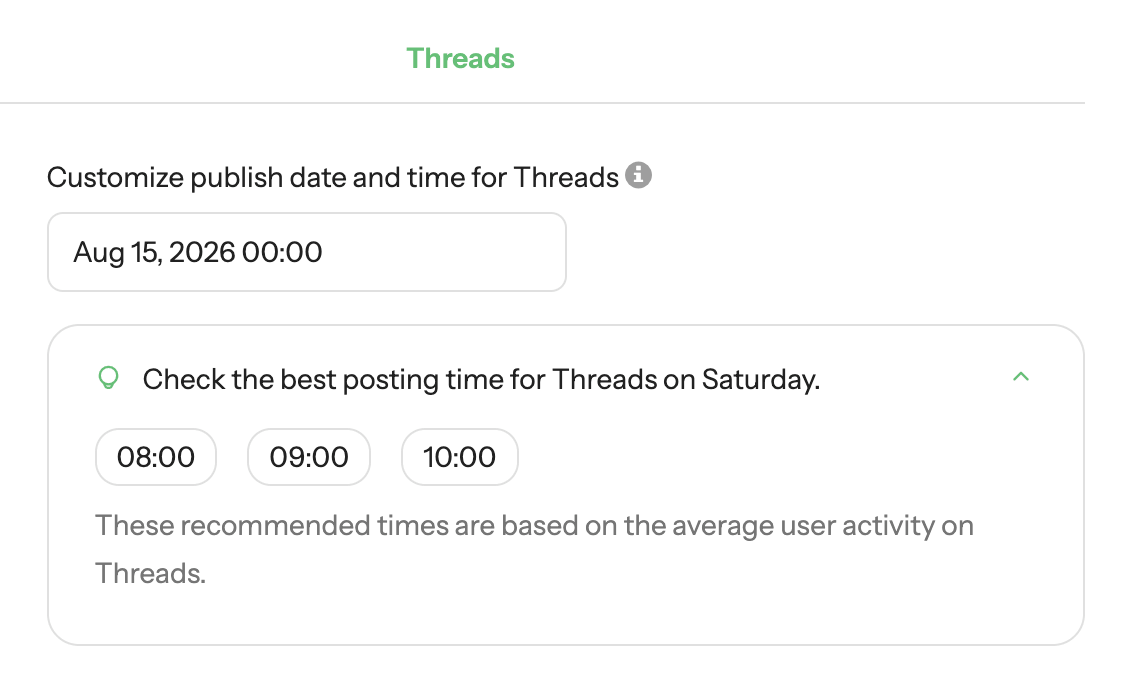
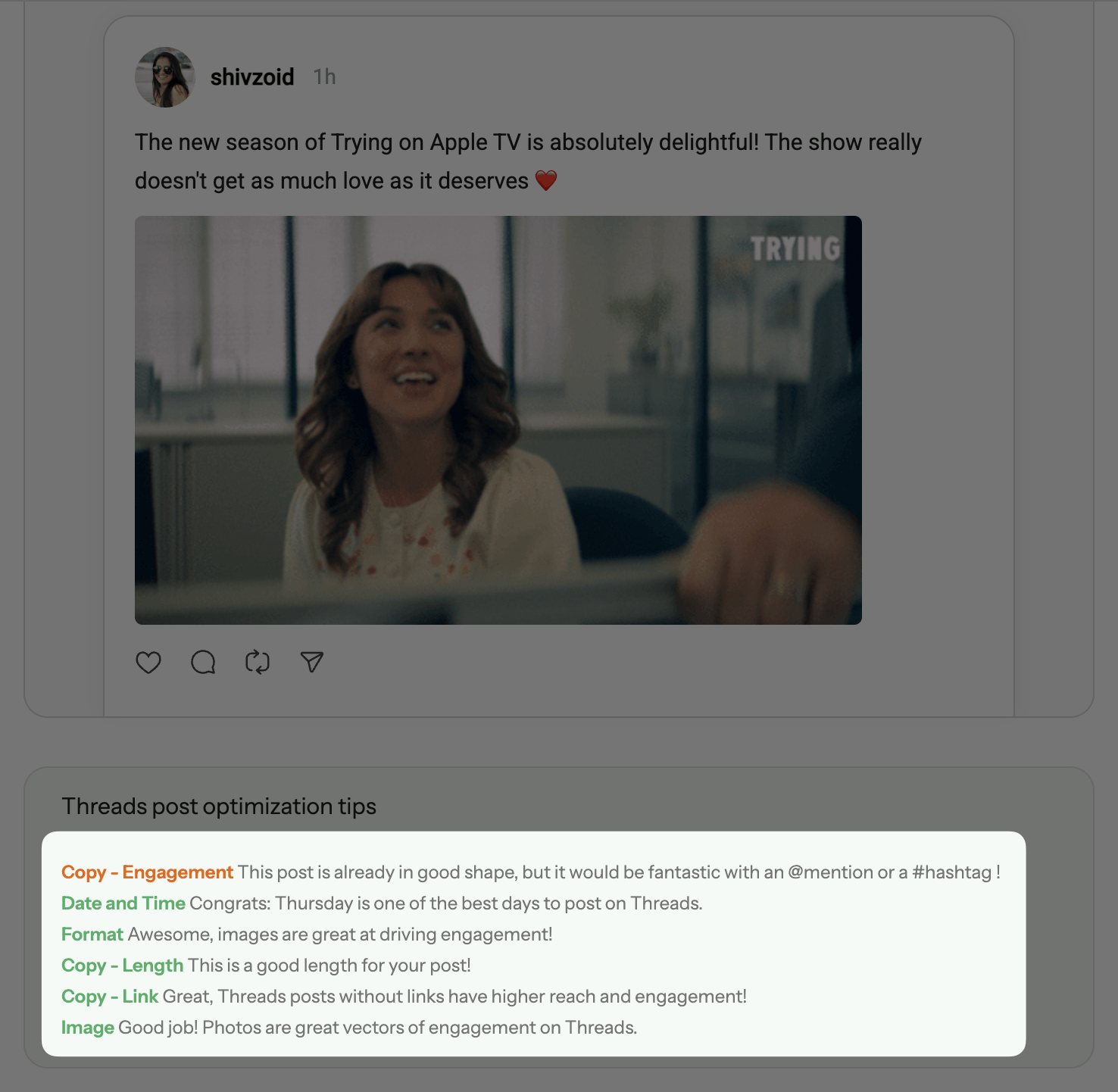
Loomly, meanwhile, prioritizes editorial structure. Its calendar-centric design forces a more deliberate approach to content, with features like live optimization tips that adjust based on the platform being used. For example, if a user drafts a post for Threads without an image, the system provides real-time feedback on expected performance, suggesting the inclusion of visual media. However, this structure can be rigid; users have noted that scheduling is performed at the calendar level rather than the channel level, meaning that different posting times cannot be easily assigned to different accounts within the same workspace.
Technical Capabilities: AI and API Access
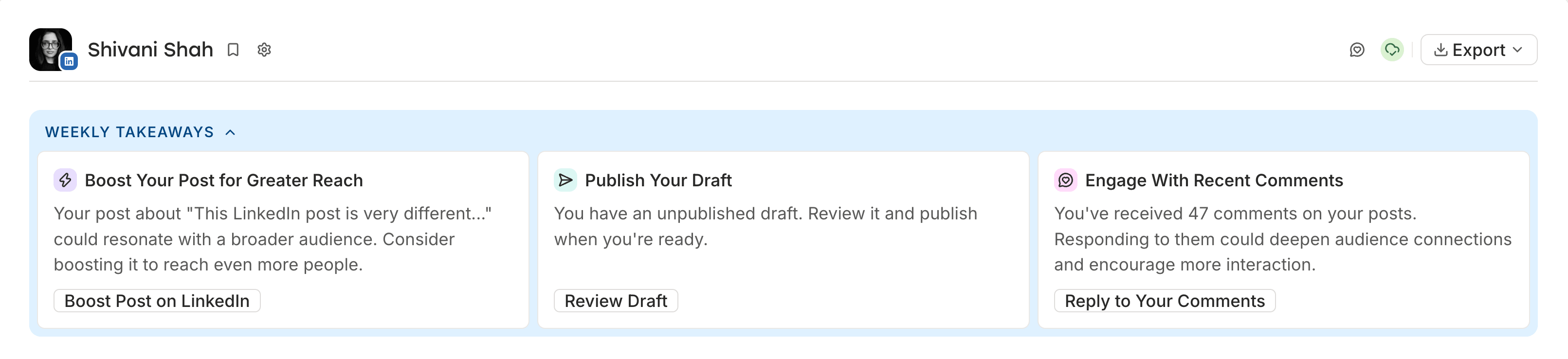
The integration of Artificial Intelligence (AI) has become a primary competitive frontier. Buffer provides an AI Assistant across all plans, including its free tier, with no usage caps for content generation. This is paired with weekly AI-powered analytical takeaways that suggest actionable optimizations based on historical performance.
Loomly’s AI approach is more expansive but gated by strict usage limits. During its initial setup, Loomly crawls a brand’s website to establish a "knowledge base," allowing the AI to generate content that aligns with the company’s specific voice and positioning. While highly effective for maintaining brand consistency, the system’s consumption of credits is rapid. For power users, this creates a reliance on paid credit top-ups.
Perhaps the most significant technical divergence is found in API accessibility. Buffer offers an open API and a Model Context Protocol (MCP) server, allowing developers and non-technical users alike to build custom automation workflows. Users have leveraged this to connect Buffer with tools like ChatGPT, Slack, and Notion, facilitating a bespoke social media ecosystem. Loomly, by contrast, restricts its API to a "status" function, which is limited to providing notifications regarding system maintenance or outages. This lack of integration depth limits the ability of agencies to build custom reporting tools or automated publishing pipelines.
Analytical Accuracy and Performance Tracking

Data integrity is the bedrock of digital marketing, yet testing highlights challenges in this area for certain platforms. Buffer’s analytics suite provides a unified view of post-level, channel-level, and follower growth data, with the ability to export reports in various formats for stakeholders.
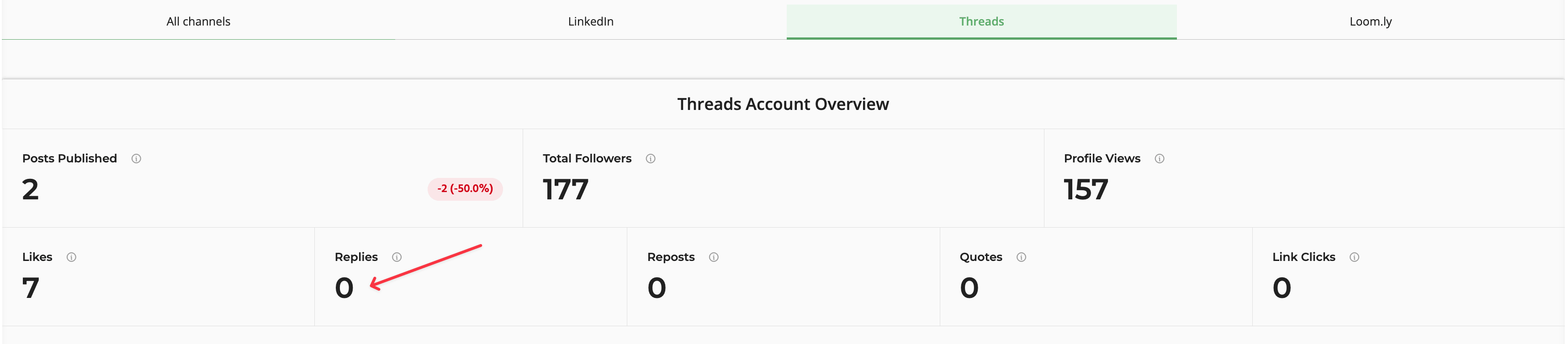
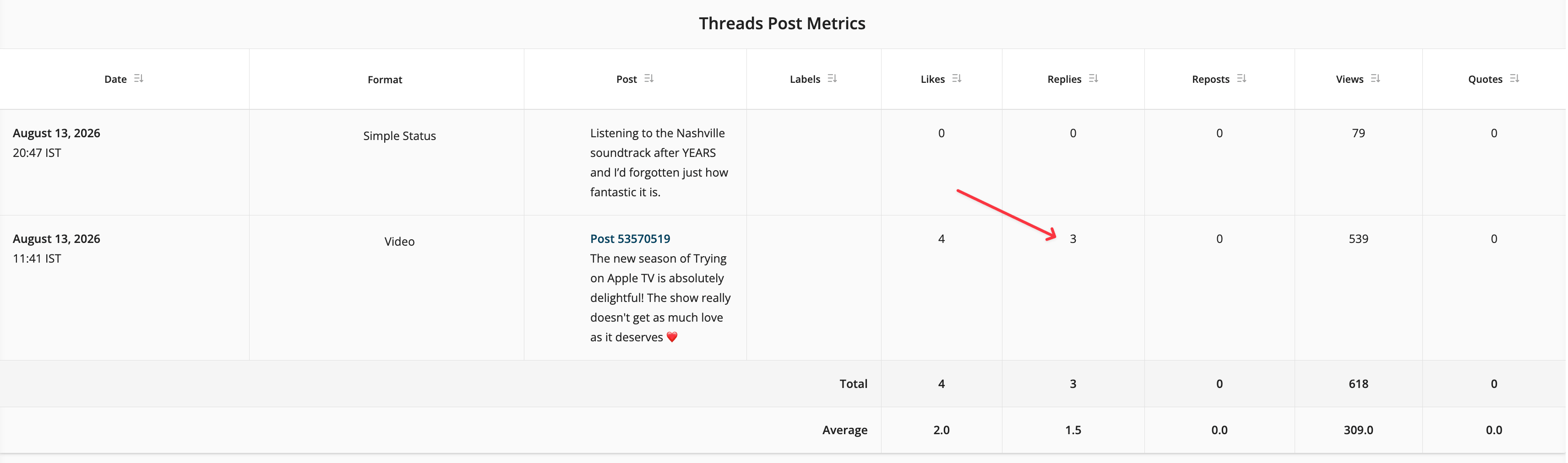
Loomly offers advanced analytics, but users have reported instances of latency and data discrepancies. In controlled tests, there were delays of several business days before advanced metrics were populated for certain channels. Furthermore, internal inconsistencies were observed, such as an account overview dashboard displaying zero replies for a post, while the granular post-level data correctly identified three replies. These discrepancies raise questions regarding the reliability of the platform for high-stakes reporting.

Implications for Specific User Segments
The choice between Buffer and Loomly is ultimately contingent upon the user’s specific profile:
- Solo Creators and Small Businesses: Buffer is generally the superior choice. Its more generous free plan, which allows for 10 posts per channel (refillable) and access to essential scheduling features, provides a clearer path to growth without the immediate overhead of a $65 monthly subscription.
- Small Teams: This is the only segment where Loomly presents a compelling case. A team of three users managing exactly 12 channels can utilize the Starter plan to achieve a stable, albeit fixed, workflow. However, this is a narrow "sweet spot" that leaves little room for expansion.
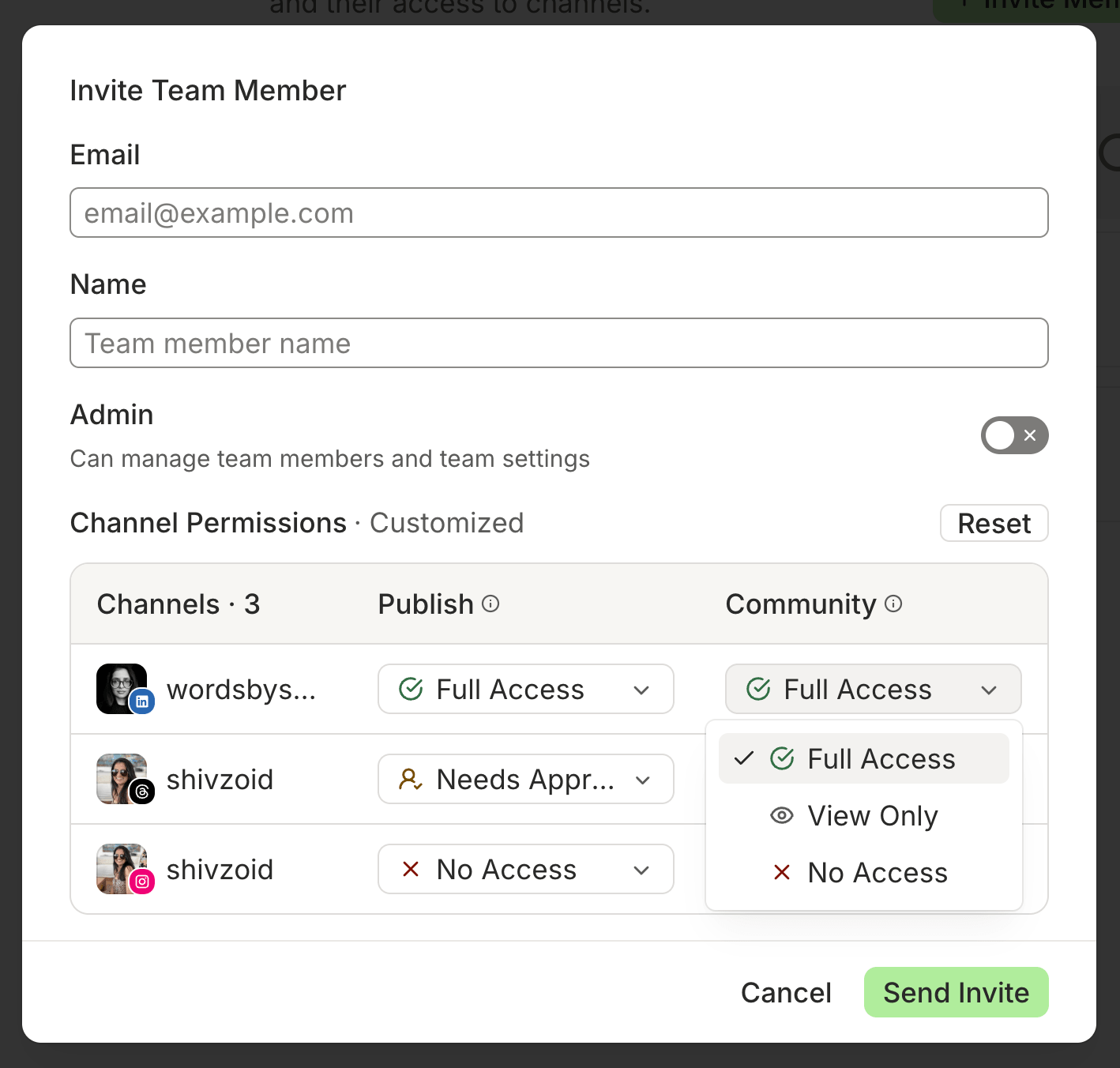
- Marketing Agencies: Buffer’s per-channel pricing model allows agencies to maintain a predictable margin as they add or remove clients. The ability to invite unlimited team members—including clients—without incurring additional per-user seat costs is a significant financial advantage. While Loomly offers sophisticated "state guard" approval workflows for regulated industries, the steep cost of its Beyond tier for larger teams often limits its adoption in scaling agencies.
- Enterprise Operations: Neither platform currently positions itself as a comprehensive enterprise solution. While Loomly includes features like social listening, independent testing suggests these tools require significant refinement to be considered reliable for professional, high-volume sentiment analysis. Organizations with complex enterprise needs are advised to evaluate larger, dedicated social media management suites.
Conclusion
The competition between Buffer and Loomly highlights a broader trend in the software industry: the move toward platform specialization. Buffer has cemented its position as the flexible, scalable, and integration-friendly choice for a wide spectrum of users. Its focus on open APIs and accessible pricing reflects a philosophy centered on user autonomy.
Loomly, conversely, offers a high-structure environment that excels in collaborative, approval-heavy scenarios. It provides a curated, "out-of-the-box" experience for teams that prefer to operate within a predefined, brand-guarded workflow. However, the costs associated with this structure, combined with limitations in API access and observed inconsistencies in data reporting, suggest that its appeal is most potent within a specific, mid-sized organizational framework. As the digital marketing landscape continues to evolve, the decision will ultimately rest on whether a team values the flexibility and openness of a modular tool or the rigid, workflow-centric discipline of a managed, enterprise-lite platform.