The Complete Guide to Social Commerce: How Brands Are Driving Billions in Sales Directly Through Social Media


Global ecommerce sales surpassed historic milestones, reaching an anticipated $5.5 trillion worldwide, according to industry forecasts by Insider Intelligence. As the digital marketplace continues its rapid expansion, traditional online storefronts and independent shopping platforms like Shopify and WooCommerce are no longer the exclusive domains of digital retail. A profound shift in consumer behavior has catalyzed the rise of social commerce—the practice of buying and services directly within social media applications without ever navigating to an external browser or dedicated corporate website. This fundamental evolution in retail technology transforms popular networking sites from mere channels of product discovery into closed-loop transactional ecosystems.

Understanding the mechanics of social commerce requires examining how consumer habits have matured over the past decade. Historically, social media functioned strictly at the top of the marketing funnel. Users would discover items through targeted advertisements or influencer endorsements, click a link, and migrate to an external landing page to complete a transaction. Each step in that transition introduced friction, leading to significant cart abandonment rates and lost revenue. Modern social commerce eliminates these operational drop-off points. When a user encounters a sponsored post for apparel or consumer goods on platforms such as Instagram or TikTok, interactive overlays enable immediate purchasing. A consumer can select a size, input payment credentials via secure in-app wallets, and confirm a transaction in seconds, all while remaining within the native application environment.
To fully grasp the scope of this phenomenon, industry analysts draw distinct lines between ecommerce, social selling, and social commerce. Ecommerce remains the overarching descriptor for digital retail transactions conducted via web browsers and dedicated brand applications. Social selling, conversely, focuses on interpersonal relationship building, networking, and lead generation conducted by sales representatives on social channels. Social commerce occupies a unique intersection, defined specifically by the ability to execute an end-to-end commercial transaction natively inside a social network’s user interface.

The commercial impetus behind adopting social commerce strategies is underscored by compelling demographic data and consumer psychology. According to market research compiled by Statista, approximately 62 percent of individuals belonging to the Millennial and Generation Z demographics—defined broadly as consumers aged 18 to 34—have completed a purchase directly influenced by branded social media posts or influencer content. For brands targeting these digital-first cohorts, establishing a native transactional presence on preferred social networks is no longer optional; it is a critical operational imperative.
Furthermore, social commerce fundamentally optimizes the customer feedback loop, serving as a dynamic, real-time focus group. Because products are displayed organically within conversational feeds, brands receive immediate, unfiltered consumer sentiment via comments, direct messages, and shared media. This direct line of communication allows product development teams to iterate rapidly, gauging consumer interest and adjusting inventory strategies based on authentic market demand before committing to large-scale manufacturing runs. Furthermore, the targeted data infrastructure underpinning major social platforms ensures that marketing expenditures are directed toward hyper-specific audiences actively signaling intent to purchase, maximizing return on ad spend in ways traditional digital advertising cannot always replicate.

Major technology conglomerates have responded to this demand by developing robust infrastructure to support native in-app retail. Platforms such as Meta (encompassing Facebook and Instagram), Pinterest, TikTok, and Snapchat have integrated specialized merchant suites designed to streamline digital storefront management.
Facebook Shops launched as a free, customizable tool allowing businesses to curate product catalogs, establish branded aesthetics, and integrate inventories seamlessly with existing ecommerce platforms. Merchants can import product data via spreadsheets or direct partner integrations, ensuring inventory lists remain synchronized across channels. Conversions can occur via native in-app checkout, traditional website redirection, or direct engagement through Facebook Messenger. To manage the resultant influx of consumer inquiries regarding shipping, pricing, and product availability, many high-volume brands have integrated conversational artificial intelligence tools, such as the AI chatbot Heyday by Hootsuite. These automated systems handle up to 80 percent of repetitive customer service interactions natively, escalating complex queries to human support representatives only when necessary.

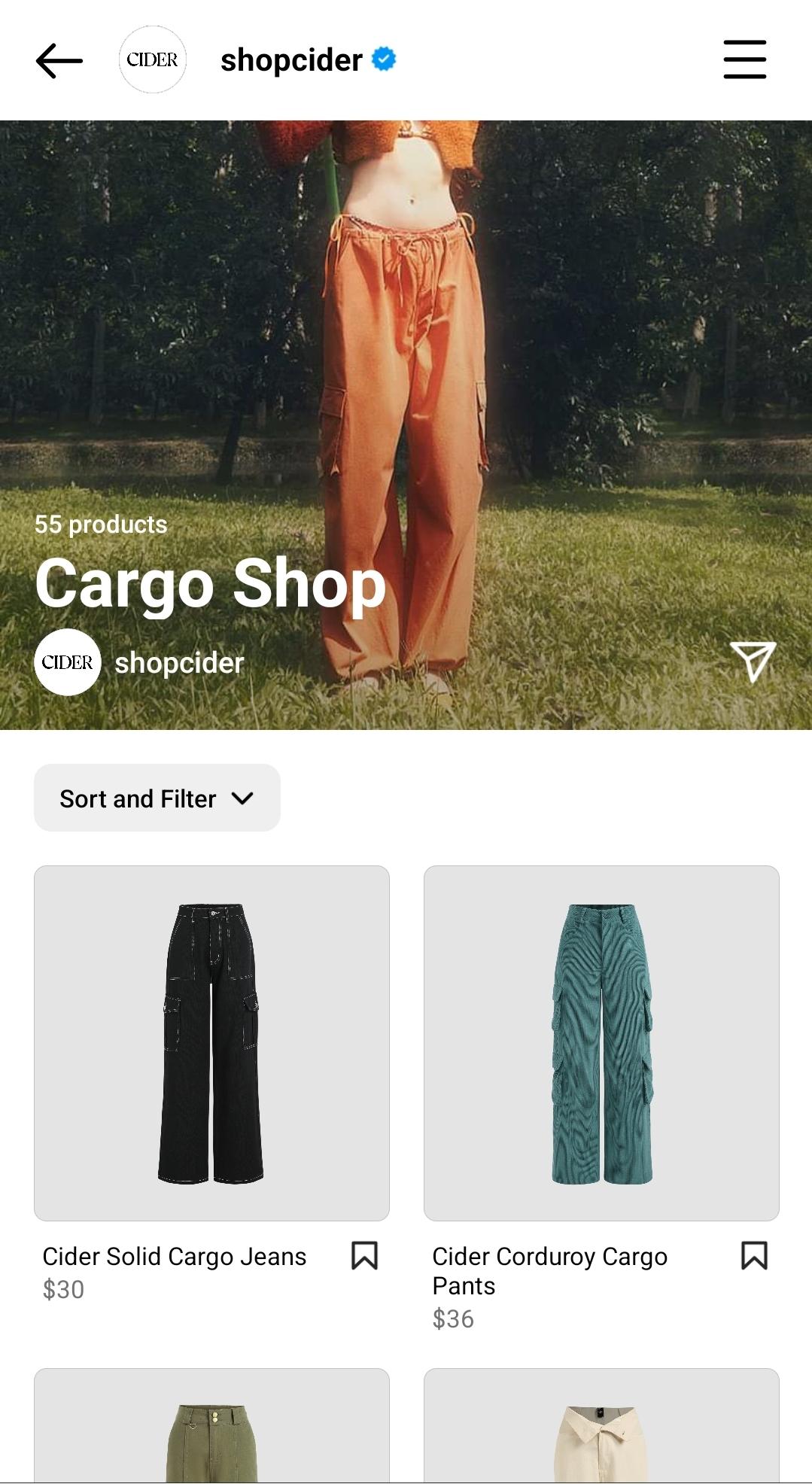
Instagram Shops operate similarly, leveraging the visual-first nature of the platform to embed product tags directly into static posts, Stories, Reels, and live broadcasts. Meta’s continued investment in conversational commerce features now allows consumers to negotiate purchases and finalize transactions entirely within Instagram Direct Messages.
Pinterest, a pioneer in visual search and discovery, approaches social commerce through Product Pins. While international implementations frequently redirect users to external web stores to finalize purchases, U.S.-based consumers can utilize in-app checkout functionalities. Given that nearly 89 percent of Pinterest users utilize the platform explicitly for purchase inspiration and planning, its utility as a search-driven commercial engine remains unparalleled.

TikTok has redefined viral retail culture through the ubiquitous hashtag #TikTokMadeMeBuyIt, which has accumulated billions of views globally. TikTok Shop enables merchants to sell products through in-feed videos, live-streamed shopping events, and a dedicated product showcase tab on user profiles. Although TikTok has experienced shifting regulatory landscapes and strategic pauses regarding its global shop expansions—notably scaling back certain North American rollout plans—its influence on consumer purchasing behavior remains a dominant force in modern retail.
Despite the automated efficiencies of modern social storefronts, executing an effective social commerce strategy requires active brand management and deliberate consumer engagement. Industry experts recommend several foundational practices to optimize revenue generation across social channels:
-
Prioritize Social Listening: Brands must continuously monitor audience sentiment, comments, and shares across all connected networks. Utilizing social listening software allows organizations to stay informed regarding customer feedback, emerging product trends, and macroeconomic shifts impacting consumer spending.
-
Cultivate Authentic Interaction: Social commerce demands genuine communication. Beyond simply publishing product catalogs, brands must offer educational content, answer consumer questions transparently, and humanize their corporate identity to foster brand loyalty.

-
Leverage Social Proof: The reliance on peer reviews in digital retail cannot be overstated. Research from consumer insights firms indicates that an overwhelming majority of online shoppers consult product reviews prior to completing a transaction. Brands should systematically request post-purchase feedback via automated emails or incentivized testimonial campaigns, prominently displaying user-generated content and positive reviews across social feeds.
-
Integrate Omnichannel Workflows: Utilizing management dashboards that bridge standard ecommerce platforms with social media posting tools ensures that marketing campaigns remain cohesive. Applications such as Hootsuite’s Shopview enable merchants to distribute products from Shopify, WooCommerce, and Magento directly into social content streams.

-
Implement Conversational AI: Deploying intelligent chatbots ensures that prospective buyers receive immediate, professional responses to time-sensitive inquiries, thereby reducing cart abandonment rates caused by delayed customer service responses. Features that automate back-in-stock alerts and price-drop notifications further recapture interested buyers.
As digital infrastructure continues to evolve, the distinction between browsing and buying on social media will continue to dissolve. Brands that successfully integrate native shopping experiences with data-driven advertising and responsive customer service will be best positioned to capture market share in an increasingly competitive global digital economy.