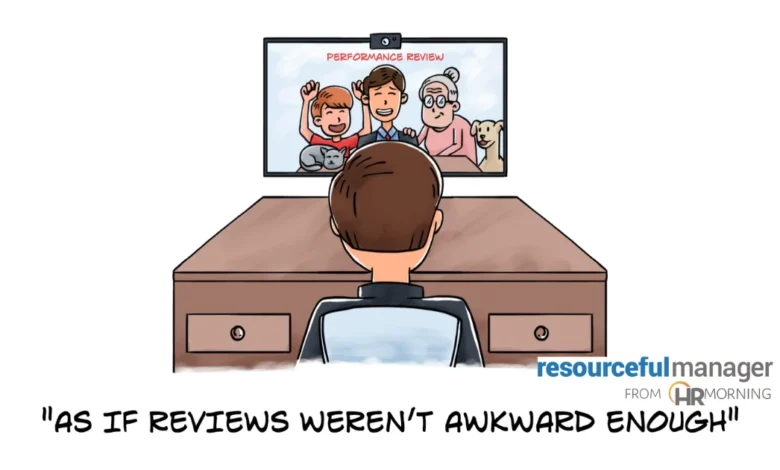
The rapid shift toward hybrid and remote work models has fundamentally altered the landscape of organizational management, leaving many leaders struggling to adapt traditional supervisory practices to a digital-first world. According to the Bureau of Labor Statistics, more than a third of the American workforce now performs some or all of their duties remotely. This structural change has introduced a significant management challenge: the decline of organic, face-to-face communication, which historically served as the primary venue for coaching, correction, and professional development. For managers, the necessity of providing constructive feedback to off-site employees has moved from a secondary task to a mission-critical skill. Without the benefit of "hallway conversations" or subtle body language cues, managers must now navigate the complexities of digital communication to ensure that performance standards remain high and employee engagement does not falter.
The Evolution of Workplace Communication
The transition to distributed teams has rendered many conventional management playbooks obsolete. Carolyn Stern, CEO of EI Experience and author of The Emotionally Strong Leader, notes that the lack of in-person interaction can make standard performance discussions feel uniquely strained. In an office setting, feedback often occurs spontaneously; in a remote environment, every interaction is scheduled, recorded, or documented, which can inadvertently increase the perceived weight and formality of a critique.
The historical timeline of this shift accelerated sharply during the 2020 global pandemic. Prior to 2020, remote work was often a peripheral perk; today, it is a core business strategy for global enterprises. As companies solidified hybrid policies throughout 2021 and 2022, the "annual review" model—already criticized for its infrequency—began to lose its efficacy. Modern human resources experts argue that the feedback loop must be continuous and immediate to be effective in a remote context, yet many managers still struggle to bridge the gap between intent and impact.
Measuring Performance in a Distributed Ecosystem
A primary concern for modern management is how to quantify performance when "presence" is no longer a proxy for productivity. Organizations are increasingly adopting outcome-based performance metrics. This shift requires managers to measure not just the completion of tasks, but the effectiveness of an employee’s remote work habits.
Effective remote management involves evaluating four key pillars: communication responsiveness, technical proficiency in digital collaboration tools, autonomous problem-solving capabilities, and the maintenance of a productive workspace. Managers are encouraged to facilitate open dialogues regarding the resources employees require to perform their roles efficiently. If an employee is struggling with remote performance, the conversation should shift from "why aren’t you working?" to "what obstacles are preventing you from reaching your output goals?" This nuance is critical for maintaining trust in a hybrid model.
The SBI Model: A Framework for Objective Correction
To mitigate the awkwardness often associated with remote feedback, organizational psychologists frequently point to the Situation-Behavior-Impact (SBI) model. This framework encourages managers to strip away subjective judgment and focus on objective realities.
- Situation: The manager identifies a specific moment or context. For example, "During the client briefing on Tuesday morning…"
- Behavior: The manager describes the observable action. "…you interrupted the client three times before they finished explaining the project requirements."
- Impact: The manager explains the consequence. "This caused the client to lose their train of thought, and we missed an opportunity to gather critical data regarding their budget constraints."
By utilizing this structure, the feedback session remains anchored in facts rather than personality clashes. It allows for a collaborative discussion where the employee can explain their perspective, fostering a culture of accountability rather than one of defensiveness.
Emotional Intelligence and the Intent of Feedback
Before initiating any feedback session, especially via video conferencing software like Zoom or Microsoft Teams, managers are advised to perform a self-assessment of their own emotional state. Research suggests that high-stakes feedback delivered while a manager is frustrated or disappointed often results in poor employee outcomes and decreased retention.
The "check your intent" principle is essential: Are you initiating this conversation to coach and support, or to vent and criticize? If the answer leans toward the latter, experts recommend delaying the meeting. The absence of physical presence makes it difficult to read a manager’s tone; therefore, clear, calm, and objective communication is the only way to ensure the message is received as intended. Furthermore, managers should avoid the "feedback sandwich"—the practice of burying a negative point between two positive ones. This technique often causes confusion, as the employee may prioritize the praise and ignore the constructive criticism entirely. Instead, positive and negative feedback should be clearly separated to ensure each has its intended impact.
Data-Driven Action and Follow-up
In a remote setting, where documentation is the bedrock of accountability, the conclusion of a feedback session is as important as the conversation itself. Once an agreement on improvement is reached, it must be codified. A follow-up email that outlines the "who, what, and when" of the agreed-upon actions creates a paper trail that protects both the manager and the employee.
This process should include:
- Specific Actionable Items: Defining exact steps the employee will take to improve performance.
- Timeline for Review: Setting a date for a follow-up conversation to assess progress.
- Expected Outcomes: Clearly articulating what "success" looks like for the next iteration of the project.
This level of detail is particularly important for remote staff who lack the daily, informal guidance of an office environment. By providing clear roadmaps, managers reduce the anxiety that often accompanies remote performance management.
Broader Implications for Organizational Culture
The long-term success of hybrid work depends on the ability of managers to cultivate psychological safety. Data indicates that when feedback is treated as a routine, helpful process rather than a punitive event, retention rates improve. Companies that invest in training their middle managers to handle these remote conversations effectively report higher levels of employee satisfaction and lower rates of burnout.
The implications for the broader labor market are significant. As competition for top-tier talent becomes global, companies that master the art of effective remote management will possess a competitive advantage. Prospective employees are increasingly prioritizing transparency and consistent, high-quality management as key factors in their career decisions. Conversely, organizations that fail to adapt their feedback loops will likely face higher turnover and a decline in institutional knowledge as remote workers feel disconnected from their leadership teams.
Ultimately, the future of feedback is not about replacing the human element; it is about leveraging technology to ensure that the human element remains the focus. Whether in person or through a screen, the goal of management remains consistent: to help individuals reach their potential through clear communication, objective assessment, and mutual respect. As the workforce continues to evolve, the leaders who can successfully translate these traditional values into the digital sphere will define the standard for organizational excellence in the years to come. By moving away from the rigid, infrequent review cycles of the past and embracing a fluid, document-heavy, and empathy-driven approach, managers can build resilient teams capable of thriving in any environment, regardless of geography.