With nearly two billion daily active users navigating the platform globally, Meta’s flagship social network remains an indispensable digital storefront for enterprises of all scales. Recent platform statistics indicate that over 200 million organizations actively utilize free foundational tools such as Facebook Business Pages to establish digital footprints, foster brand loyalty, and drive targeted consumer acquisition. In an increasingly competitive digital marketplace, establishing a fully optimized, professional business page is no longer merely an optional marketing tactic—it is a foundational prerequisite for sustained commercial viability.
The Strategic Value of a Dedicated Facebook Business Presence
A Facebook Business Page functions as a public-facing corporate identity, enabling brands, non-profit institutions, public figures, and independent creators to communicate directly with their target audience. Unlike standard personal profiles, commercial pages offer advanced analytical data, seamless integration with advertising suites such as Meta Ads Manager, and compatibility with localized commerce tools like Facebook Shops and direct messaging extensions.
Historically, social media marketing relied heavily on organic reach. However, algorithm updates over the past decade have necessitated a more structured, analytical approach to platform management. Industry analysts note that brands leveraging multi-channel social strategies—combining optimized pages, targeted paid acquisition, and direct consumer communication channels—experience significantly higher customer retention rates. Consequently, understanding the meticulous process of setting up and refining a business page is essential for marketing professionals and small business owners alike.
Phase One: Establishing Your Foundation
The architecture of a Facebook business presence requires anchoring the commercial entity to a verified personal user profile. This security measure ensures that every administrative action is tied to a real individual, mitigating unauthorized access and fraudulent page creation. While personal account credentials act as a secure gateway, platform protocols guarantee that private user data remains strictly confidential and entirely invisible to the public visiting the business page.
1. Registration and Core Metadata
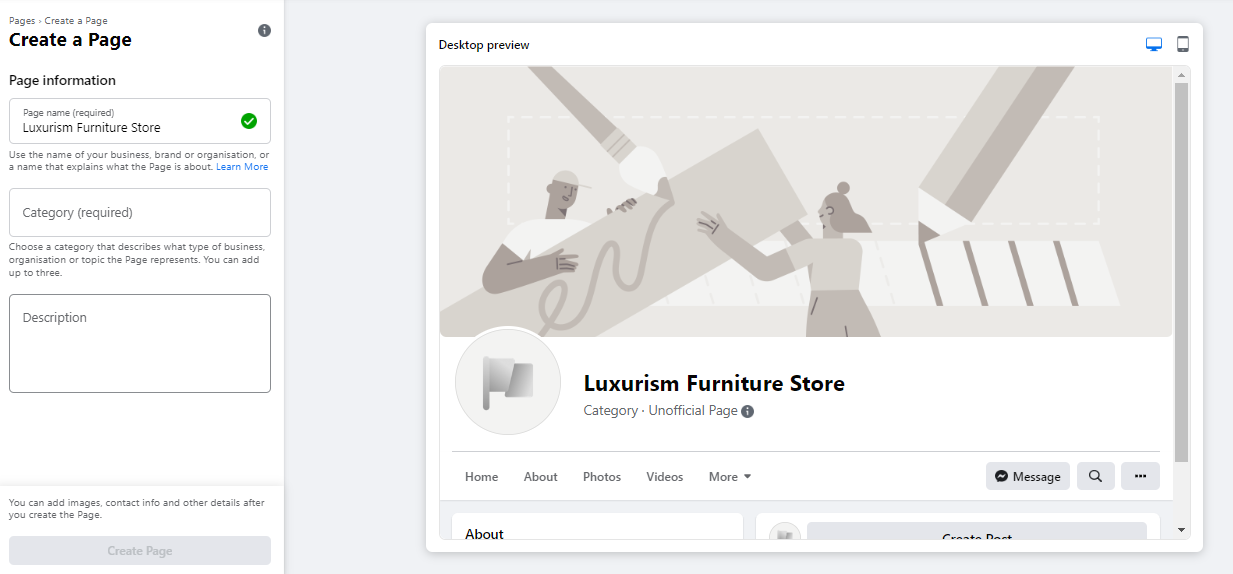
The initialization process begins at the dedicated Meta page creation portal. Administrators are prompted to input fundamental business metadata, which updates in real-time across a dynamic split-screen preview monitor.
- Page Naming Conventions: Experts recommend selecting either the official registered business name or the precise search term prospective clients are most likely to input into the platform’s search bar.
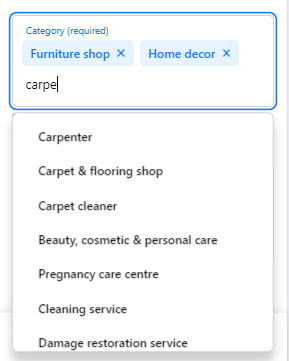
- Categorization: Businesses can select up to three categorical descriptors generated by Meta’s predictive algorithm. Proper categorization heavily influences organic search visibility within the platform ecosystem.
- Brand Summary: A concise overview restricted to 255 characters must be provided. This brief statement serves as the elevator pitch appearing directly within localized search result summaries.
2. Visual Branding and Identity Integration
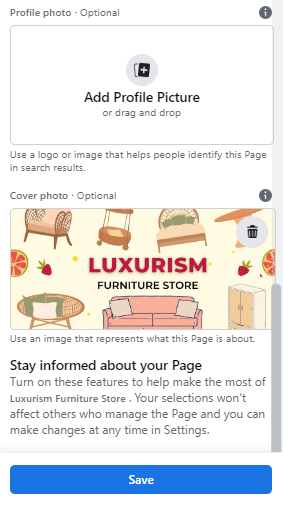
First impressions in digital spaces are predominantly visual. Following initial registration, administrators must upload high-resolution brand assets that immediately communicate corporate identity.
- Profile Imagery: Recommended at a standard 180×180 pixels, the profile graphic appears adjacent to all public commentary and search listings. Corporations typically deploy official vectorized logos, whereas public figures utilize clear headshots. Meta automatically crops this asset into a circular frame, necessitating careful centering of critical visual elements.
- Cover Photography: Spanning an optimal 1640×856 pixels, the cover banner represents the most prominent real estate on the page. It should visually encapsulate the enterprise’s core value proposition, primary product offerings, or brand ethos.
3. Communication Channels and Direct Messaging
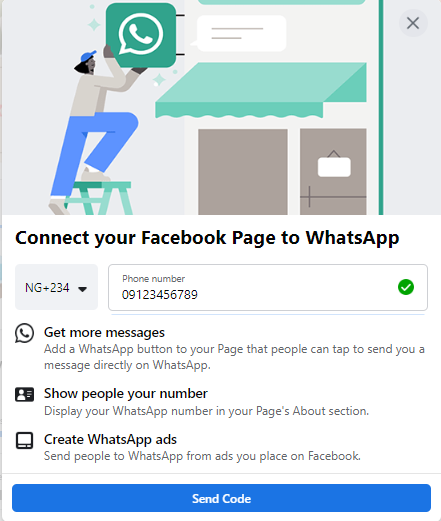
Modern consumers demand immediate responsiveness. During the setup sequence, platforms frequently prompt administrators to integrate third-party messaging services, most notably WhatsApp Business. Linking a validated WhatsApp account empowers organizations to deploy instantaneous customer service widgets directly onto their profile, bridging the gap between social discovery and transactional conversation.
4. Securing a Branded Vanity URL
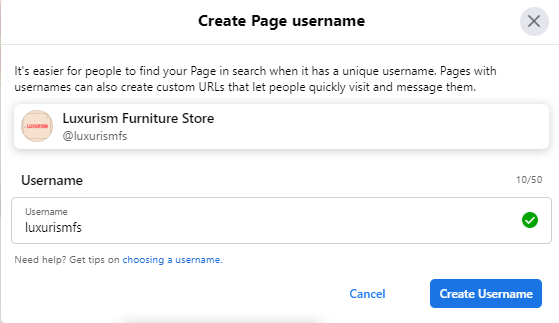
To solidify brand recognition and simplify offline-to-online marketing transitions, organizations must establish a custom username, frequently referred to as a vanity URL. Restricted to fifty characters, this unique identifier dictates the direct web address through which users access the page. Securing a concise, memorable handle directly matching the corporate identity significantly enhances cross-platform promotional efforts.
5. Comprehensive Data Population
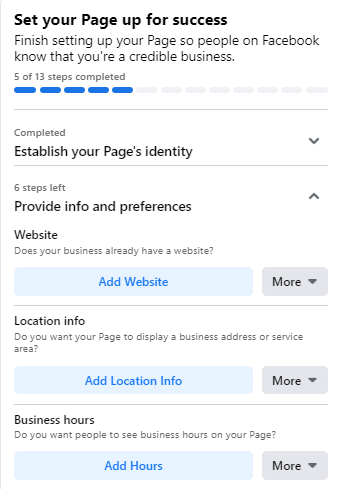
Industry specialists strongly advise against postponing the completion of the "About" section. Consumer behavior studies indicate that prospective buyers exhibit low tolerance for incomplete corporate profiles; missing physical addresses, ambiguous operating hours, or absent contact numbers routinely drive potential customers toward competing alternatives.

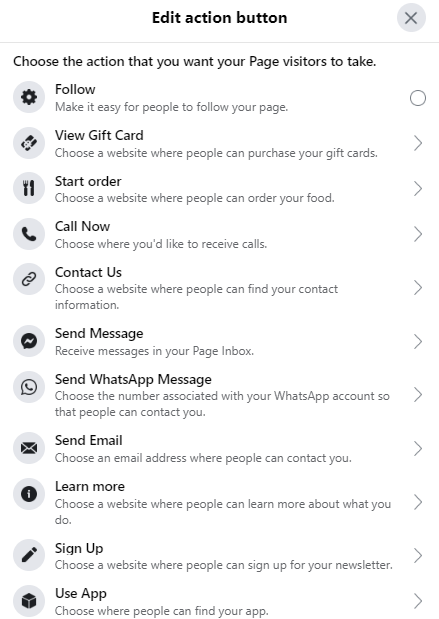
Furthermore, integrating a prominent Call-to-Action (CTA) button bridges user engagement with concrete business objectives. Whether prompting visitors to visit an external e-commerce portal, download whitepapers, or schedule consultation appointments, these interactive buttons streamline the consumer journey. For organizations requiring time to curate their digital storefront, Meta provides a temporary "Page Unpublished" toggle within general settings, allowing teams to finalize administrative details away from public scrutiny.
6. Curating Initial Content and Building an Audience
Launching an empty digital storefront yields negligible results. Prior to initiating public promotional campaigns or inviting personal networks to like the page, administrators must populate the feed with a baseline of valuable, industry-relevant content. Establishing this editorial foundation ensures that early organic visitors encounter an active, authoritative ecosystem rather than a vacant profile.
Audience acquisition begins systematically. Utilizing built-in platform prompts, administrators can invite existing personal connections to endorse the new page. Simultaneously, integrating digital badges, email signature hyperlinks, and cross-platform references across Twitter, LinkedIn, and corporate websites accelerates early community growth.
Phase Two: Advanced Optimization and Analytical Oversight
Once the fundamental infrastructure is established, transforming a standard page into a high-performing marketing engine requires continuous refinement and strategic oversight.
Leveraging Page Insights for Data-Driven Decisions
Sustainable social media growth relies on empirical analysis rather than intuition. Facebook Page Insights provides a granular dashboard detailing audience demographics, content reach, and engagement metrics. By evaluating which posts generate maximum interaction, marketing teams can dynamically adjust their social content calendars.
Moreover, behavioral tracking metrics monitor precisely how many users interact with specific conversion elements, such as website hyperlinks, telephone numbers, and designated CTA buttons. Segmented by age, geographic location, and hardware device, this data enables hyper-targeted messaging strategies.
Strategic Content Amplification: Pinned Posts and Templates
To guarantee that critical announcements, seasonal promotions, or flagship product launches receive maximum visibility, administrators utilize the "Pin to Top" functionality. This mechanism anchors priority content directly beneath the cover photograph, ensuring it remains the first piece of information encountered by incoming traffic.
Additionally, leveraging platform-specific templates reorganizes navigation tabs to align with specific industry verticals—such as retail, restaurants, or professional services—optimizing the user experience for specific consumer demographics.
Community Networking and Digital Ecosystems
Social media is inherently reciprocal. Establishing a robust corporate presence involves active participation within the broader digital community. By endorsing non-competing industry partners or local allied businesses "as your page," organizations foster collaborative digital ecosystems. Similarly, active engagement within relevant Facebook Groups establishes institutional authority and organic visibility.
Industry Implications and Future Outlook
As digital privacy regulations evolve and algorithmic distribution models shift, the reliance on owned media channels like Facebook Business Pages remains a critical anchor for corporate marketing strategies. Industry analysts emphasize that while paid acquisition models fluctuate in cost-per-acquisition efficiency, a rigorously maintained, optimized organic profile acts as a permanent trust signal for modern consumers.

Ultimately, enterprises that invest the necessary administrative rigor into establishing, securing, and continuously optimizing their social media architecture position themselves advantageously within an increasingly crowded digital economy. Through disciplined execution of foundational setup steps and continuous analytical refinement, brands can successfully convert passive platform scrollers into deeply engaged, loyal brand advocates.