Buffer Launches Insights to Revolutionize Social Media Analytics for Creators and Agencies

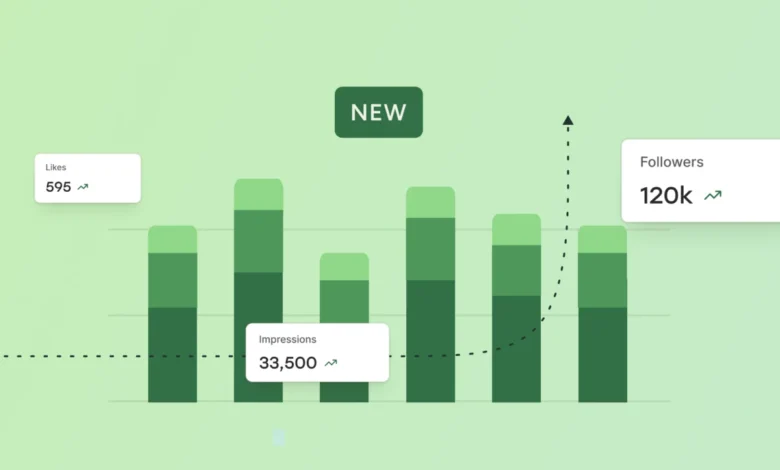
Buffer, a long-standing leader in the social media management software industry, has officially unveiled a comprehensive overhaul of its analytics infrastructure with the launch of "Insights." This new suite of tools represents a significant pivot for the company, moving away from traditional data reporting toward a philosophy of being "data-informed" rather than strictly "data-driven." By rebuilding its analytics engine from the ground up, Buffer aims to provide social media managers, solo creators, and digital agencies with a platform that prioritizes actionable strategy over raw metrics.
The launch of Insights comes at a critical juncture in the digital marketing landscape. As social media algorithms become increasingly complex and the volume of content reaches an all-time high, the industry is witnessing a shift in how professionals interact with performance data. Buffer’s new offering is designed to bridge the gap between creative intuition and statistical evidence, ensuring that users can refine their content strategies without stifling the originality that drives engagement.
The Strategic Shift: Data-Informed vs. Data-Driven
The core philosophy behind the development of Insights is the distinction between being data-driven and data-informed. In a data-driven model, decisions are often made strictly according to what the numbers dictate, which can lead to a homogenization of content as creators chase specific metrics. In contrast, a data-informed approach uses statistics as a compass to guide creative direction rather than a rigid set of rules.
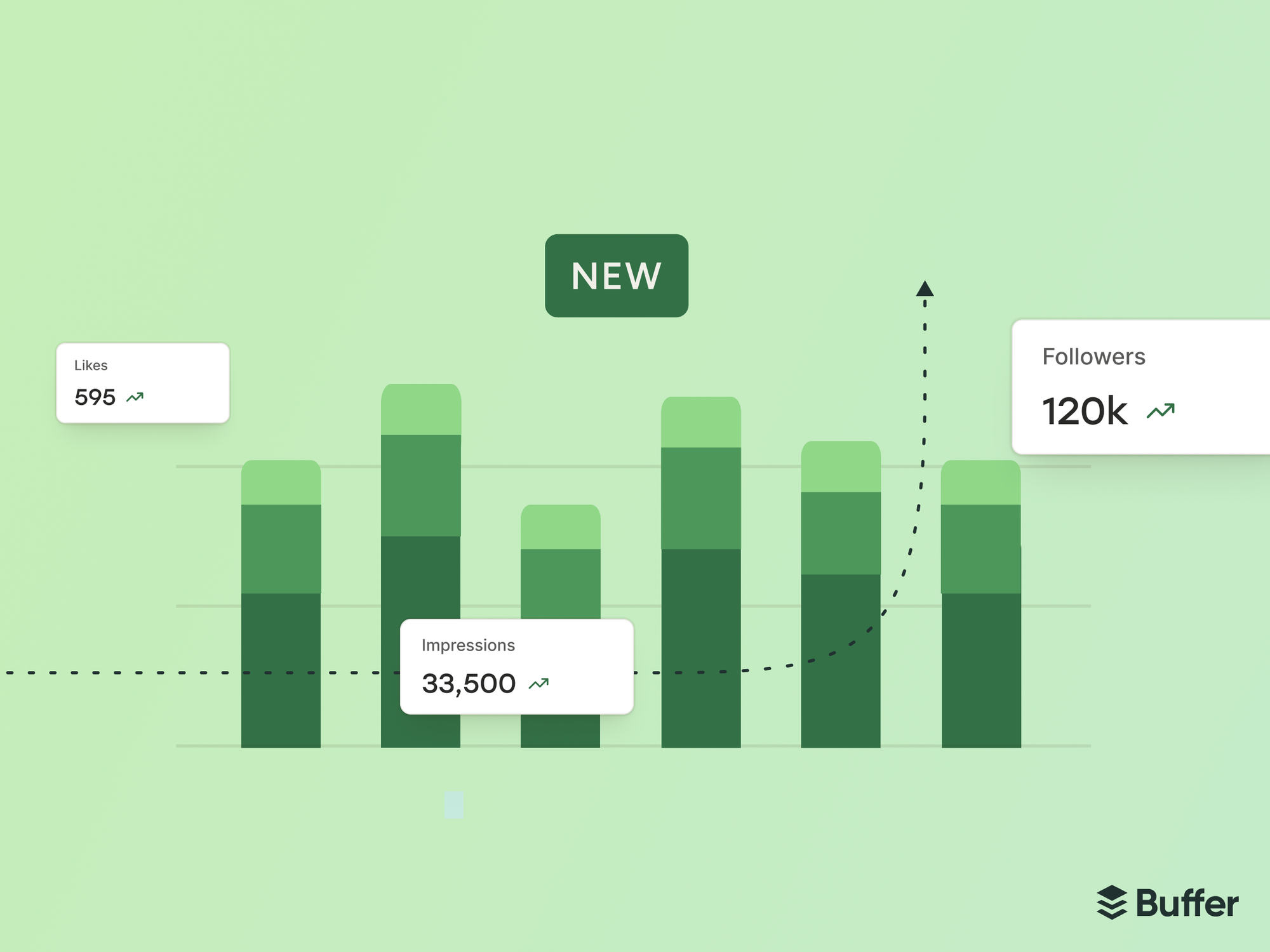
Buffer executives have noted that while data is essential, it cannot replace the human element of creativity and storytelling. The new Insights tool is designed to act as a catalyst for creative processes, helping users identify which directions are likely to yield the best results while leaving room for experimental and original content. This approach addresses a common pain point in the industry: the "analysis paralysis" that occurs when marketers are overwhelmed by data points that do not clearly indicate a next step.
Democratizing Analytics: A Tiered Accessibility Model
One of the most disruptive aspects of the Insights launch is its pricing and accessibility structure. Historically, social media analytics have been divided into two categories: basic, free tools provided by social platforms themselves, and high-cost enterprise platforms that offer deep dives but require significant financial investment.
Buffer’s Insights seeks to occupy the middle ground by offering a robust "Free" tier. This tier is specifically designed for solo creators and small businesses who require professional-grade insights but may not have the budget for enterprise software. For larger entities and agencies managing multiple client brands, Buffer offers paid plans that include deeper reporting capabilities and cross-channel comparisons.
This move is reflective of a broader trend in the software-as-a-service (SaaS) industry toward "prosumer" tools—products that offer professional-level power with the ease of use and accessibility of consumer apps. By providing actionable insights for free, Buffer is positioning itself as a primary partner for the burgeoning creator economy, which is estimated to be worth over $250 billion globally as of 2024.
Technical Infrastructure and the Role of AI
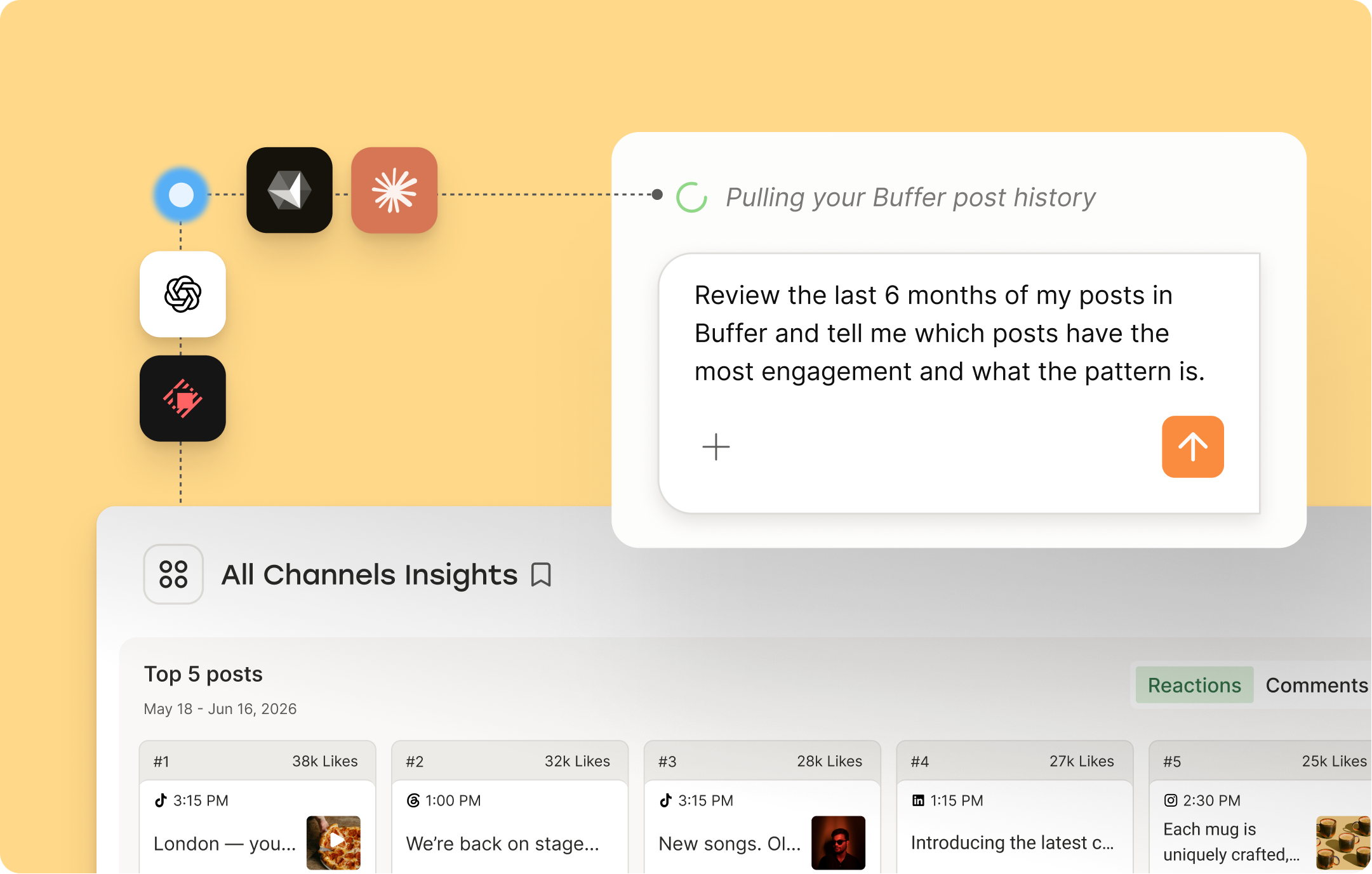
A standout feature of the new Insights platform is its integration with modern artificial intelligence and developer tools. Buffer has moved beyond the "walled garden" approach to data, launching a public API and a Model Context Protocol (MCP) server alongside Insights. This allows users to export their social media data directly into their own tech stacks or feed it into AI agents for automated analysis.
The inclusion of an MCP server is particularly noteworthy for the developer community. It enables seamless communication between Buffer’s data and large language models (LLMs), allowing users to query their performance data using natural language. For instance, a user could ask an AI agent, "Which of my LinkedIn posts from the last quarter generated the highest conversion rate among B2B audiences?" and receive a synthesized answer without manually combing through spreadsheets.
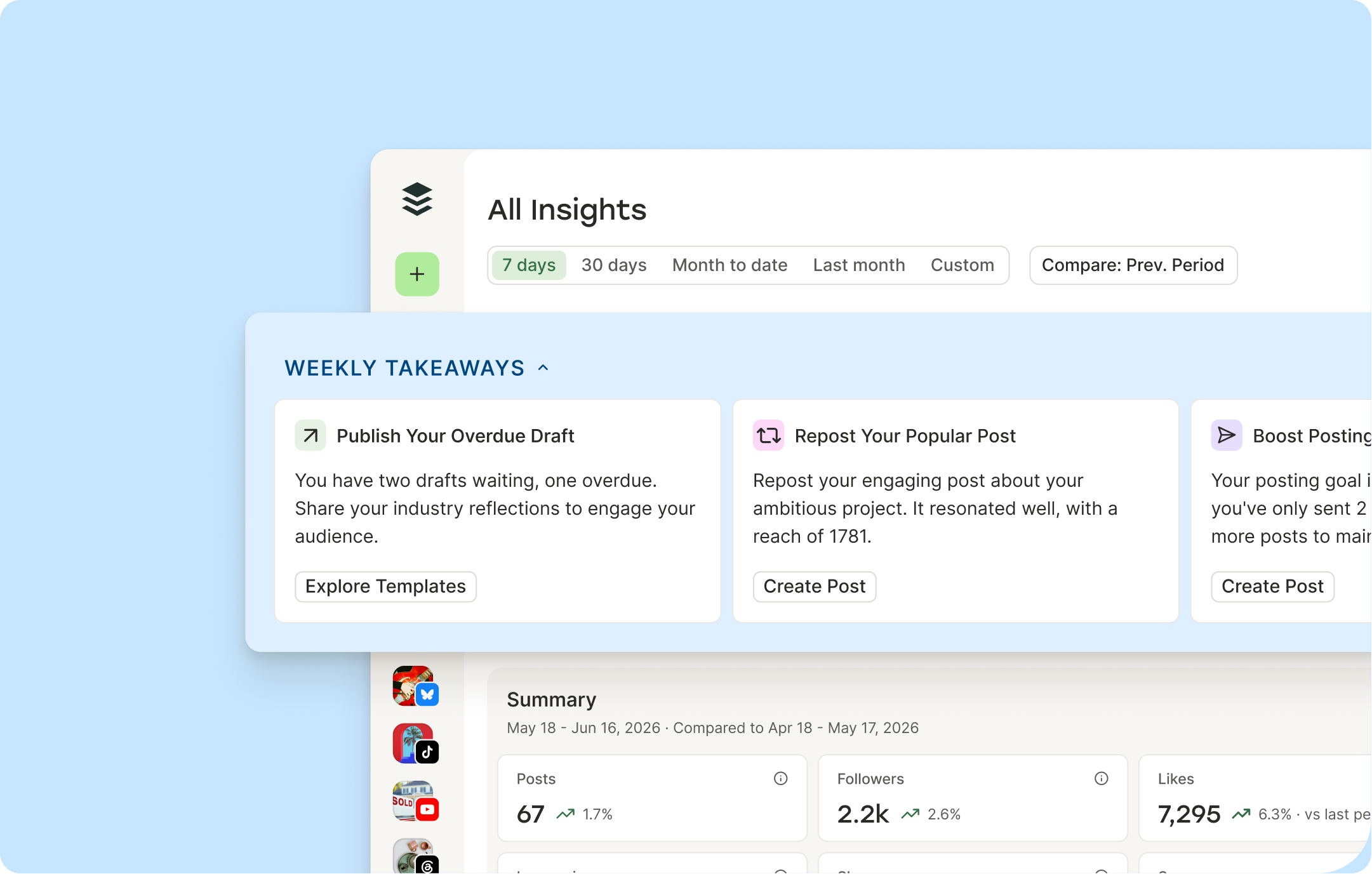
Furthermore, AI is integrated directly into the Insights dashboard. Operating in the background, the AI identifies patterns in high-performing content and provides "plain-language takeaways." These summaries are designed for creators who may not have a background in data science but need to understand why a specific post succeeded. This background AI does not attempt to generate content but rather points the user’s creativity toward proven themes and formats.
Chronology of Buffer’s Analytical Evolution
To understand the significance of the Insights launch, it is necessary to look at Buffer’s historical trajectory. Founded in 2010 as a simple scheduling tool for Twitter, Buffer has consistently evolved to meet the changing needs of the social media landscape.
- 2010–2014: Buffer established itself as a pioneer in social media scheduling, focusing on simplicity and ease of use.
- 2015–2019: The company introduced "Buffer Analyze," its first dedicated foray into deeper metrics. During this period, the platform expanded to support Instagram, Pinterest, and LinkedIn.
- 2020–2023: As the "Creator Economy" boomed, Buffer shifted its focus toward multi-channel creators, integrating features for TikTok, Mastodon, and YouTube Shorts.
- 2024–Present: Recognizing that legacy analytics were becoming outdated in the age of AI, the company began a total rebuild of its data architecture, culminating in the launch of Insights.
This chronology demonstrates a clear path from utility (scheduling) to intelligence (insights). The rebuild was reportedly motivated by internal needs; Buffer’s own marketing team required more actionable data to compete in an increasingly saturated digital market.
Supporting Data and Market Context
The launch of Insights is supported by industry data suggesting a high demand for simplified, actionable analytics. According to recent industry reports:
- Over 90% of marketers agree that social media data is a primary source of business intelligence, yet only 40% feel they are using that data effectively to drive strategy.
- 65% of small business owners report feeling "overwhelmed" by the amount of data provided by social platforms.
- The average social media manager now oversees 4 to 6 different platforms, making cross-channel comparison a critical necessity rather than a luxury.
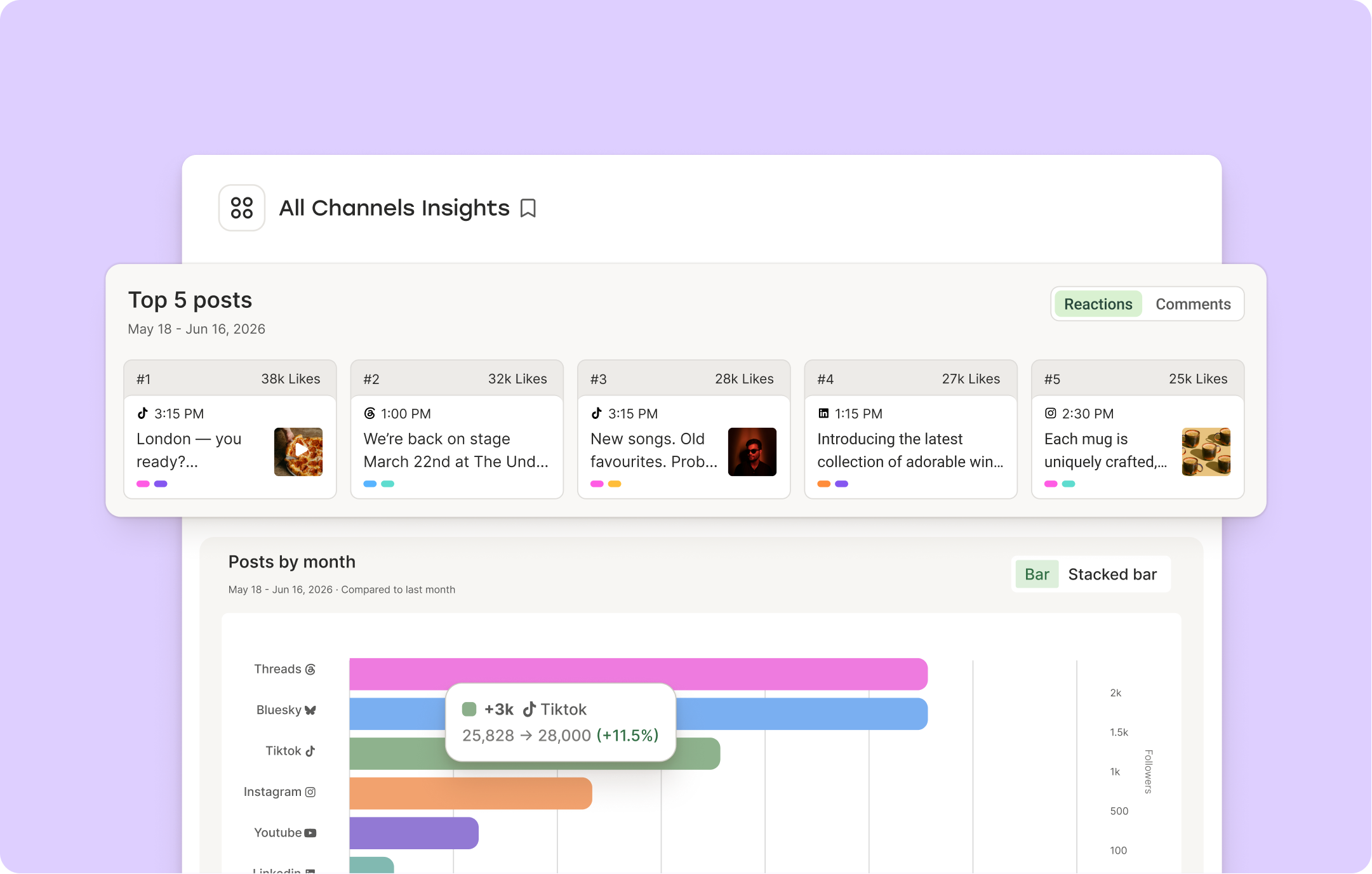
Buffer’s Insights addresses these statistics by offering a unified view of performance across Meta (Facebook and Instagram), LinkedIn, X (formerly Twitter), and other major networks. As an official partner to these platforms, Buffer ensures that its data collection methods are compliant with platform APIs, providing a layer of security and reliability that third-party "scrapers" cannot offer.
Implications for Agencies and Brand Managers
For digital marketing agencies, the new Insights tool offers specific features aimed at improving client communication. The "deeper reporting" available on paid plans allows agencies to generate white-label reports that highlight key performance indicators (KPIs) in a visually digestible format.
The ability to perform cross-channel comparisons is particularly valuable for brands trying to determine where to allocate their advertising and content budgets. By seeing how a specific campaign performed on LinkedIn versus Instagram within a single dashboard, brand managers can make more informed decisions about platform-specific ROI.
Security, Trust, and Platform Partnerships
In an era of heightened concerns regarding data privacy and platform stability, Buffer’s status as an official partner to major social networks is a significant selling point. This partnership ensures that as platforms like Meta or LinkedIn roll out new features—such as new video formats or engagement metrics—Insights is updated in real-time to reflect those changes.
Moreover, using an official partner tool mitigates the risk of account "shadowbanning" or suspension, which can occur when users employ unauthorized third-party apps to access platform data. For businesses and high-profile creators, this security is paramount to maintaining their digital presence.
Future Outlook: The AI-Driven Analytics Landscape
The launch of Insights is likely just the beginning of a broader trend toward "invisible AI" in marketing tools. Rather than featuring AI as a front-facing chatbot, Buffer’s implementation suggests a future where AI lives in the background of every tool, silently processing vast amounts of data to provide human users with simplified, high-level strategy recommendations.
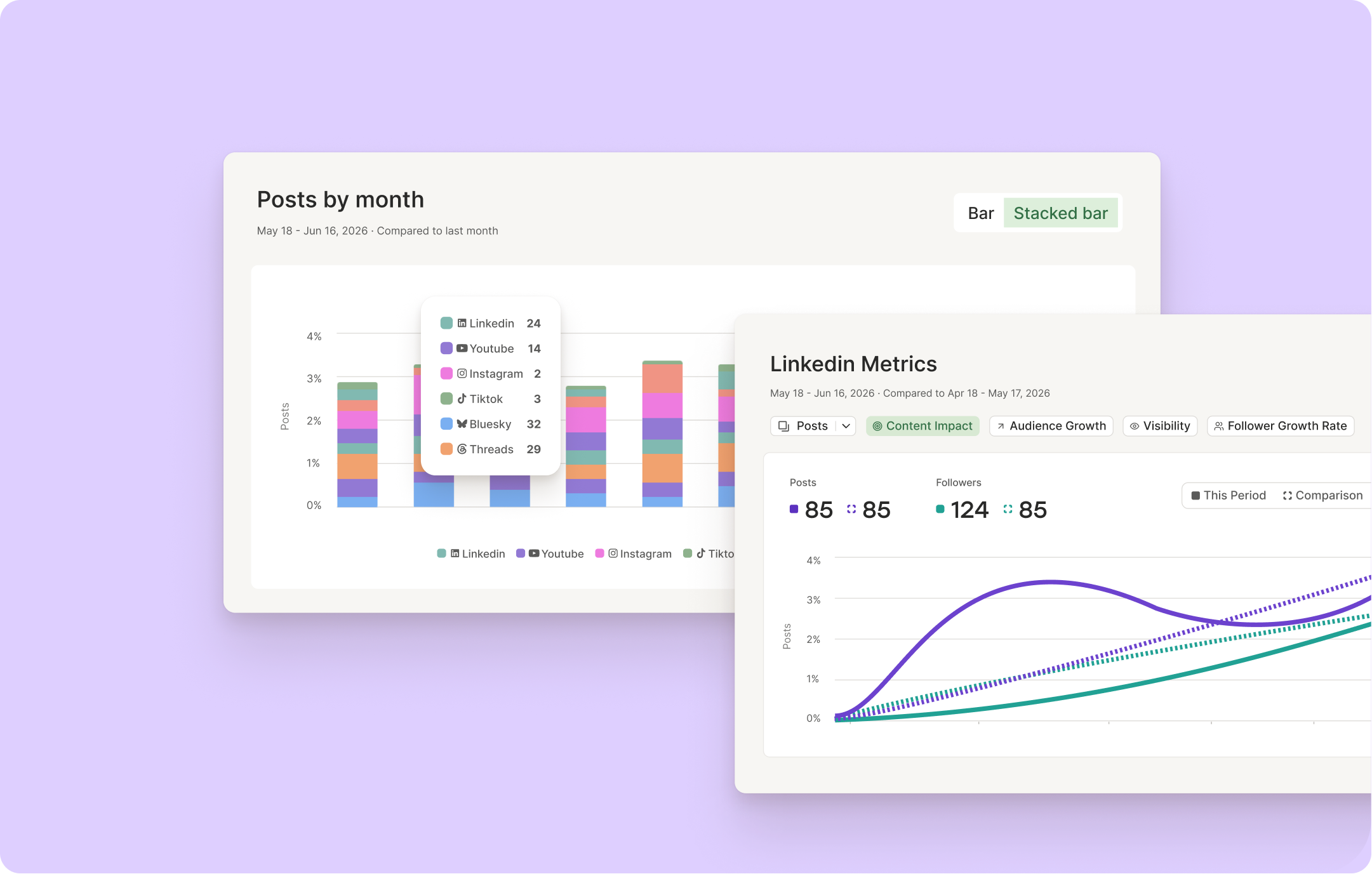
As the digital landscape continues to fragment into niche platforms and decentralized networks, the demand for centralized intelligence hubs like Insights is expected to grow. Buffer’s decision to open its data via API and MCP servers suggests the company is preparing for a future where marketing data is not just viewed on a dashboard but is integrated into a wider ecosystem of automated business tools.
The release of Insights marks a significant milestone for Buffer and the broader social media management industry. By prioritizing clarity over complexity and creativity over cold data, the platform is setting a new standard for how creators and businesses navigate the digital age. Insights is now live and available to all Buffer users, signaling a new chapter in the company’s mission to support the voices that shape the internet.