Meta Platforms 2022 Review: Comprehensive Advertising, Product, and Policy Updates Across Facebook and Instagram

The final quarter of 2022 marked a period of intensive transformation for Meta Platforms, as the technology giant rolled out a sweeping array of product updates, algorithmic adjustments, and strategic policy shifts across its ecosystem, encompassing Facebook, Instagram, Messenger, and its developing virtual reality initiatives. As digital marketers and enterprise advertisers prepared to transition into 2023, the platform infrastructure increasingly leaned toward automated systems, advanced machine learning capabilities, and a unified operational experience designed to maximize return on investment amid tightening digital privacy landscapes.
Throughout 2022, Meta contended with macroeconomic headwinds, fierce competition from short-form video competitors, and the profound structural adjustments necessitated by Apple’s AppTracking Transparency framework. In response, leadership directed engineering teams to prioritize high-engagement formats—most notably Reels—while simultaneously refining ad automation suites such as Advantage+ and expanding native monetization frameworks for creators. This retroactive analysis examines the critical milestones, platform updates, and policy revisions implemented by Meta during the latter half of 2022, providing a holistic view of the changes that shaped the digital marketing landscape heading into 2023.
Chronology of Major Platform Updates in 2022
The trajectory of Meta’s product releases across 2022 followed a deliberate roadmap aimed at consolidating ad technology, expanding short-form video monetization, and enhancing brand safety controls.
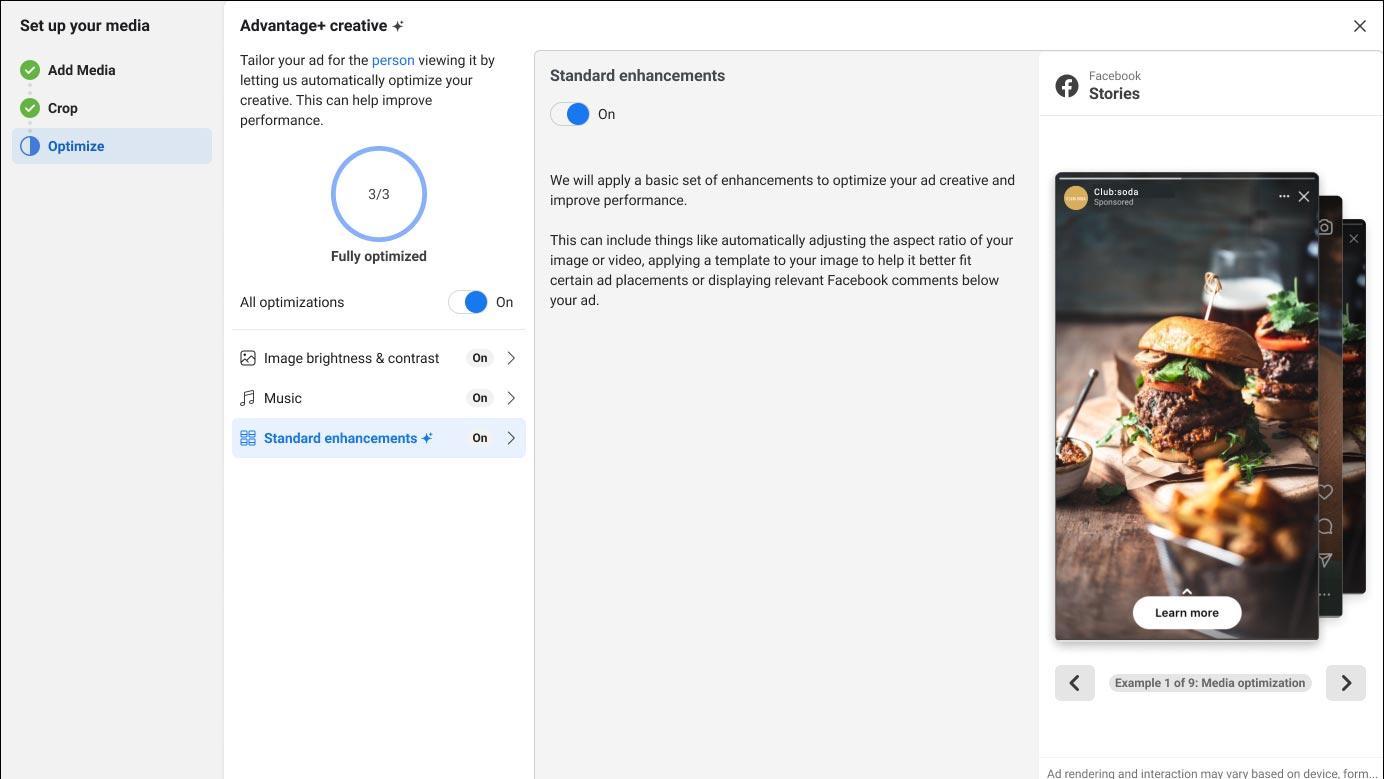
Early in the year, Meta consolidated its automated advertising solutions under the unified "Meta Advantage" suite, dividing tools into "Advantage" (targeted automation for specific campaign elements) and "Advantage+" (end-to-end campaign automation). This structural consolidation signaled a definitive shift away from manual, granular audience targeting toward algorithmic delivery models powered by machine learning.
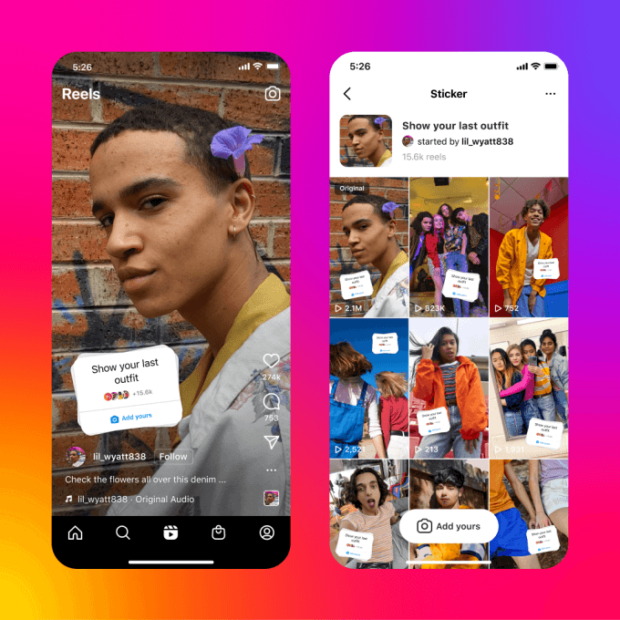
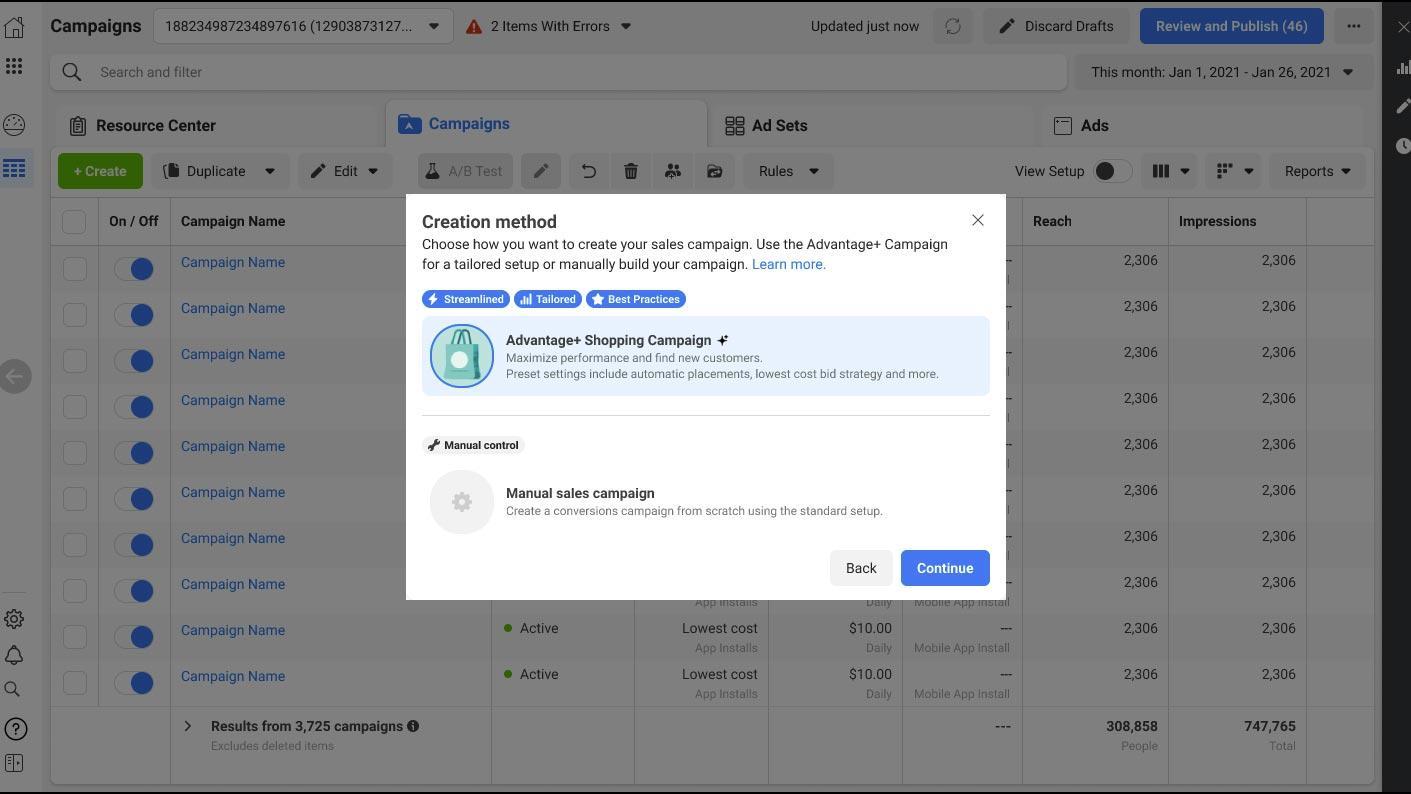
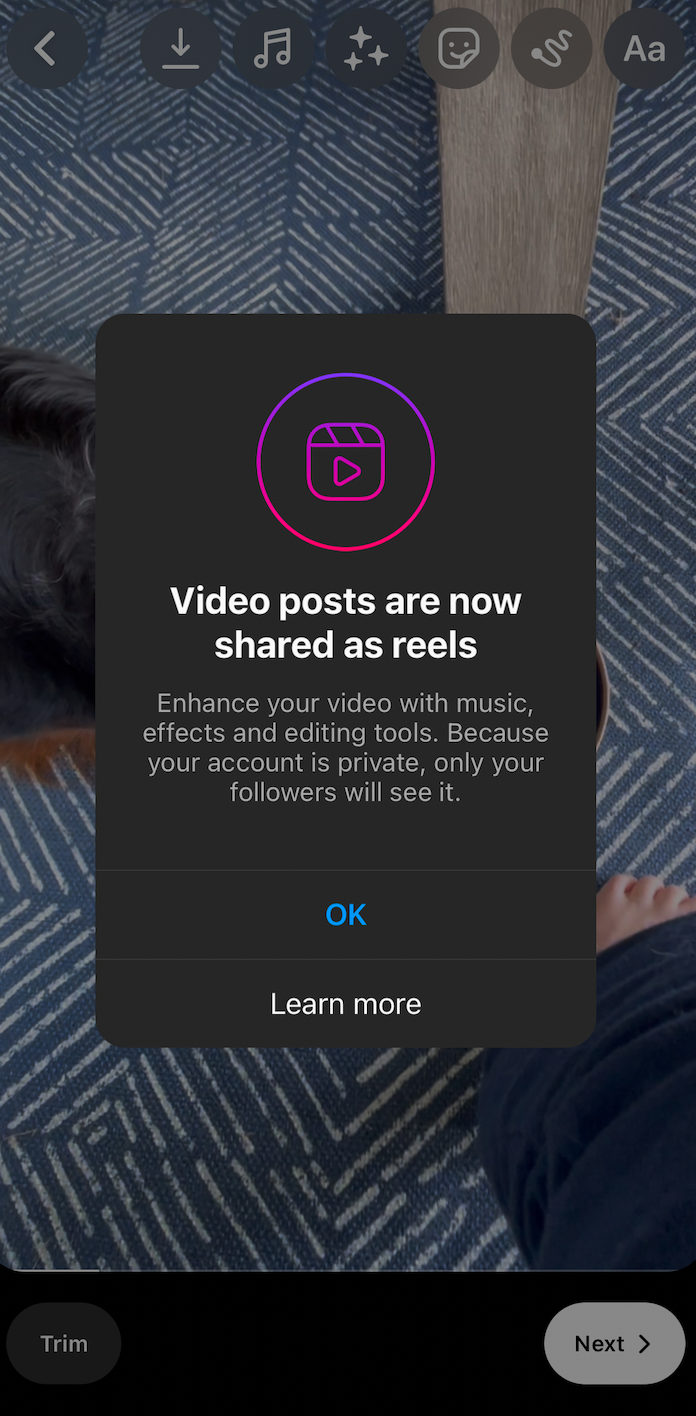
Simultaneously, the platform aggressively countered the rising dominance of competitor short-form video apps by prioritizing Reels. By mid-year, Instagram announced that all video posts under 15 minutes would automatically be shared as Reels, merging video and Reels profile tabs and granting standard video uploads access to advanced creative editing tools. By August 2022, Meta launched Advantage+ Shopping campaigns globally, demonstrating through internal A/B testing a 12% lower cost-per-purchase conversion compared to standard legacy ad setups.
Concurrently, the platform navigated complex regulatory environments by overhauling transparency tools for social, political, and electoral ads. By November 2022, Meta achieved a significant brand safety milestone when the Media Rating Council (MRC) granted accreditation for content-level brand safety on Facebook, validating the company’s content monetization policies and in-stream video controls.

Detailed Breakdown of Core Product Enhancements
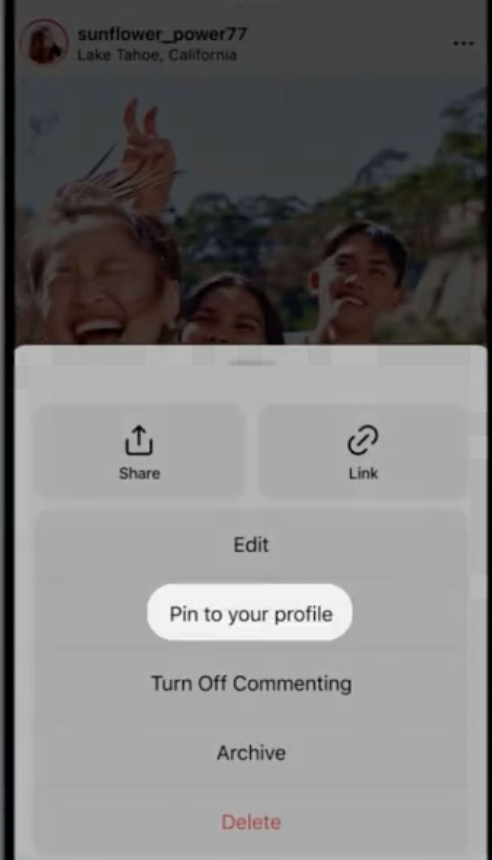
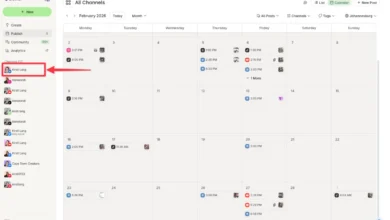
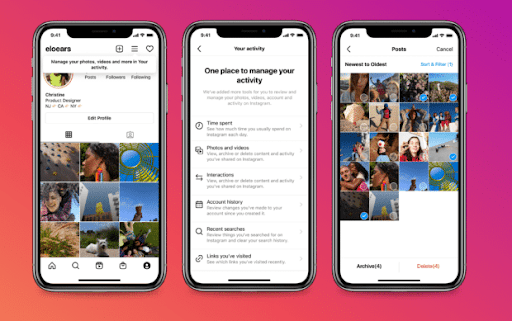
The implementation of native scheduling tools on Instagram in late 2022 addressed a long-standing workflow inefficiency for social media managers and creators. Previously, professional accounts relied on desktop platforms or third-party applications to schedule content in advance. The release of native in-app scheduling permitted Business and Creator accounts to queue Reels, photos, and carousel posts up to 75 days ahead of publication directly from the mobile application. While advanced features such as product tagging and cross-posting to Facebook remained restricted to live publishing workflows, the tool significantly streamlined organic content planning.

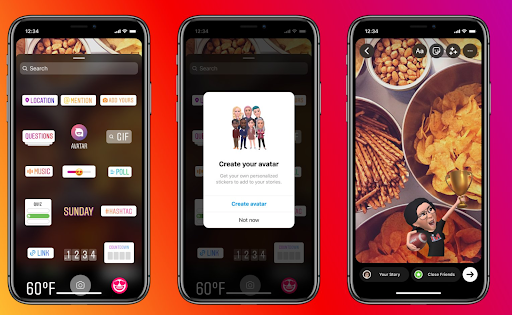
In the realm of audio integration, Instagram expanded its creative capabilities by allowing users to append up to 90 seconds of licensed music to in-feed photo posts. This feature bridged the experiential gap between static photography and dynamic video formats, giving brands new avenues to capture audience attention within the standard newsfeed.
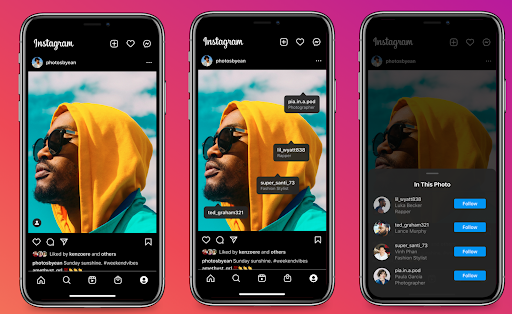
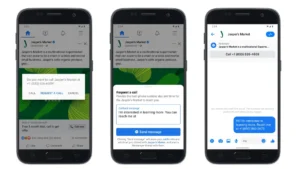
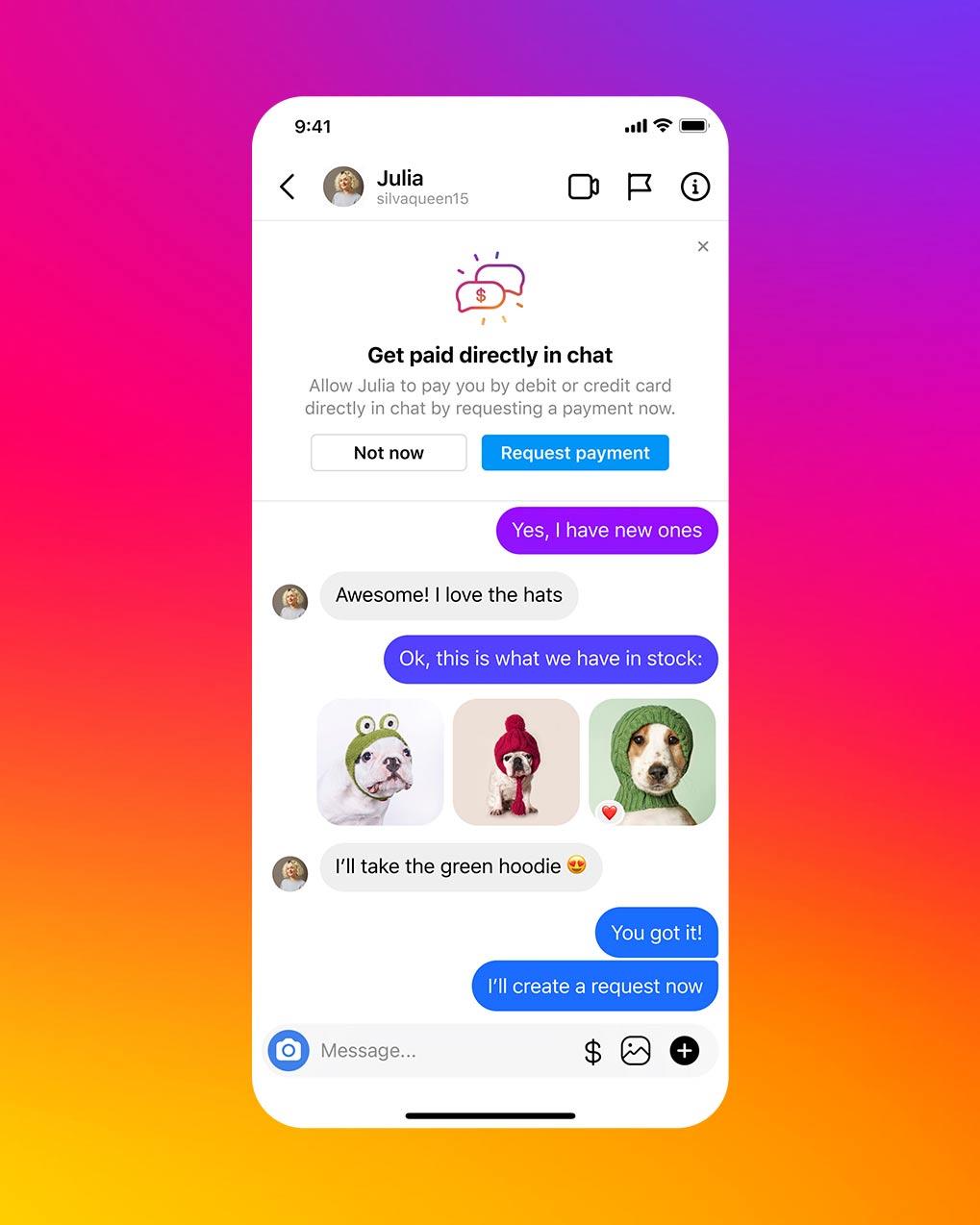
Simultaneously, Meta expanded its Direct Message payment infrastructure, allowing eligible professional accounts to process customer invoices and accept payments directly within Instagram DMs without redirecting users to external websites. Supported by secure integrations with Meta Pay, major credit cards, and PayPal, this feature eliminated friction in the social commerce funnel.
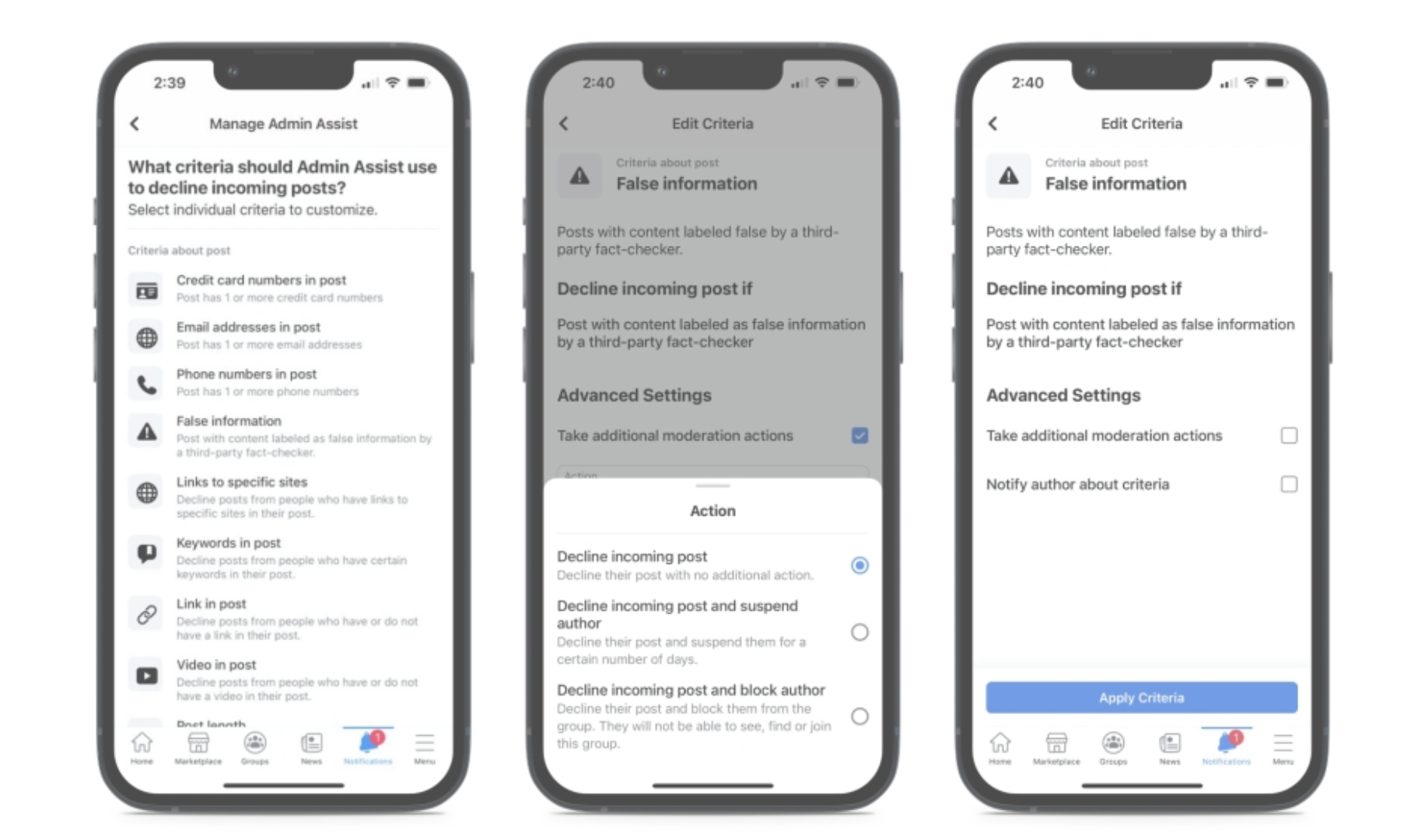
Advertising Infrastructure and Automation Implications
The broader deployment of Meta’s Advantage+ suite fundamentally altered the campaign architecture available to media buyers. Advantage+ Shopping campaigns automate up to 150 creative variations simultaneously, utilizing algorithmic delivery to serve tailored ad combinations to individual users based on real-time behavioral propensity.
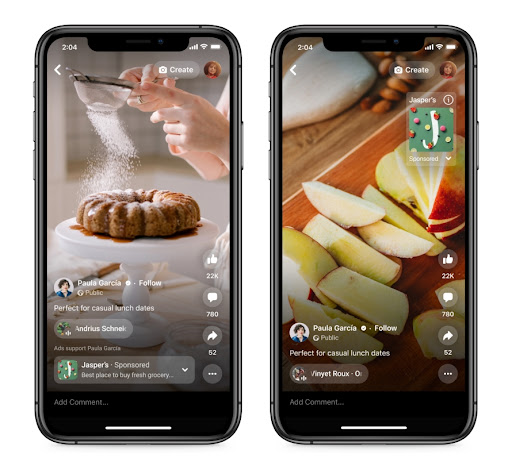
Furthermore, Meta introduced advanced B2B targeting parameters based on platform-specific job titles and professional interests, narrowing the historical performance gap between Meta and professional networking networks such as LinkedIn. However, these automation and targeting advancements occurred alongside stringent regulatory restrictions regarding minor safety. Meta enacted mandatory limitations preventing advertisers from targeting users under the age of 18 based on behavioral interests or cross-app activity, restricting parameters strictly to age, gender, and location.
Brand Safety, Intellectual Property, and Platform Integrity
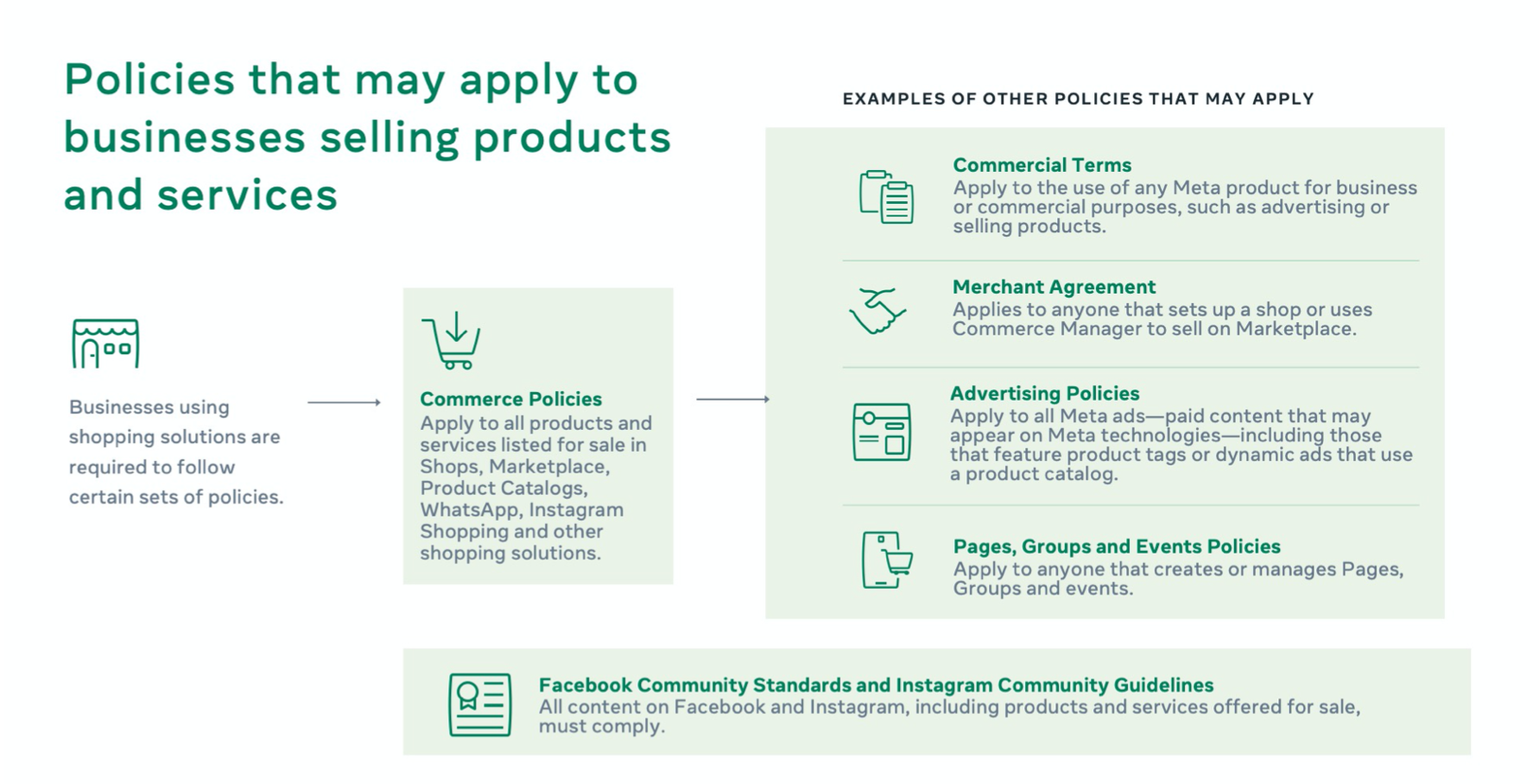
In response to ongoing scrutiny regarding content moderation and ad adjacency, Meta invested heavily in verification protocols. The MRC accreditation achieved in November 2022 provided independent validation of Meta’s content-level brand suitability controls across Instant Articles and In-Stream video. Additionally, the introduction of the Intellectual Property (IP) Reporting API and enhancements to Brand Rights Protection equipped rights holders with automated mechanisms to identify counterfeit merchandise, copyright infringements, and unauthorized impersonations via Business Manager integrations.
Strategic Outlook and Future Trajectory
Looking forward, Meta’s institutional commitments underscore a multi-pronged strategic vision. The sustained capital expenditure directed toward Mark Zuckerberg’s metaverse initiatives—surpassing $36 billion by late 2022—demonstrates long-term conviction in spatial computing, virtual reality hardware, and augmented reality infrastructure, despite near-term commercial friction.
Concurrently, the operational consolidation of Facebook and Instagram through unified dashboards like the Meta Business Suite and centralized messaging inboxes indicates that Meta views seamless, cross-channel utility as the primary retention driver for both individual consumers and enterprise advertisers. As automated machine learning models continue to supplant manual audience curation, brands operating within the Meta ecosystem must adapt their creative strategies to feed the algorithms dynamic, high-performing visual assets capable of converting in an increasingly automated digital marketplace.