The marketing landscape is currently undergoing a period of significant structural recalibration, as evidenced by the high-profile departure of Mark Weinstein from his role as Chief Marketing Officer and head of luxury brands at Hilton. This transition marks the end of a 16-year tenure that saw the hospitality giant evolve from a traditional hotel operator into a lifestyle-focused global brand. As organizations navigate an increasingly fragmented media environment and shifting consumer expectations, the movement of top-tier talent serves as a bellwether for broader corporate strategies. The week ending September 11 has proven particularly notable, underscoring a trend where long-tenured executives are stepping aside to make way for a new generation of leadership capable of navigating the complexities of digital transformation, loyalty program integration, and experiential marketing.
A Legacy of Brand Transformation
Mark Weinstein’s departure from Hilton concludes a transformative chapter for the hotel group. Joining the company in 2010 as a senior marketing director, Weinstein was instrumental in modernizing Hilton’s image during a time when the hospitality sector faced unprecedented disruption from the rise of short-term rental platforms and boutique competitors. His career path within the organization mirrored the company’s aggressive expansion into new market segments, specifically the luxury and lifestyle categories, which now command a premium in the post-pandemic travel economy.
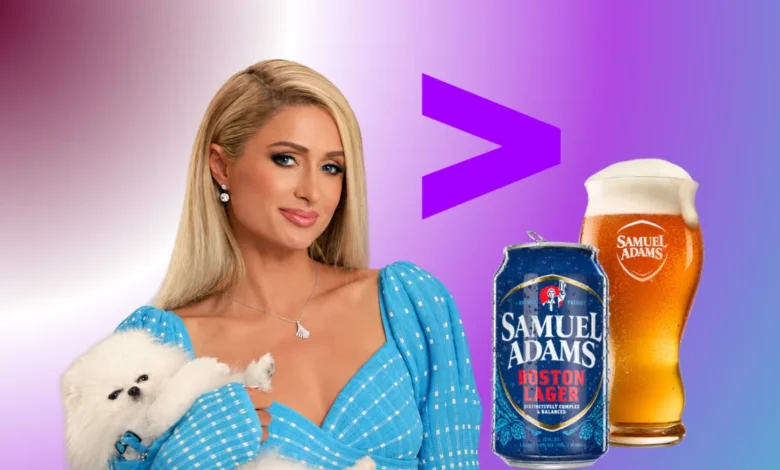
The most visible manifestation of Weinstein’s strategic vision was the launch of the "For the Stay" platform. This campaign represented a pivot away from purely functional advertising—which focused on amenities like beds and room service—toward a narrative centered on the psychological value of a hotel stay. By leveraging the star power of Paris Hilton, the campaign effectively bridged the gap between the brand’s storied legacy and the demands of younger, celebrity-conscious demographics. The campaign successfully humanized the Hilton portfolio, framing the hotel experience as the central pillar of the travel journey rather than merely a waypoint.
Chronology of an Evolving Marketing Strategy
The timeline of Weinstein’s tenure provides a clear view of how corporate marketing objectives have shifted over the last decade and a half.
- 2010: Weinstein joins Hilton as Senior Marketing Director. At this stage, the focus is on stabilizing the brand following the global financial crisis and standardizing the customer experience across a fragmented portfolio.
- 2014–2017: Under the guidance of internal marketing leadership, Hilton begins to invest heavily in its loyalty program, Hilton Honors, which becomes a core driver of direct bookings.
- 2019: Hilton intensifies its efforts to differentiate its luxury offerings, such as Waldorf Astoria and Conrad, from its mid-tier brands.
- 2022: The launch of the "For the Stay" campaign marks a departure from industry norms, utilizing high-production, high-energy creative to reach digital natives.
- September 2024: Weinstein steps down, leaving behind a streamlined marketing department and a brand identity that has successfully navigated a period of intense digital disruption.
This timeline reflects a strategic shift from operational marketing to brand-purpose marketing. As the hospitality industry moved toward data-driven personalization, the role of the CMO became less about traditional advertising spend and more about ecosystem management—integrating loyalty data, digital app experiences, and personalized guest communication into a unified brand promise.
The Data Behind the Hospitality Marketing Shift
To understand the weight of this departure, one must look at the broader context of the hospitality sector. According to recent industry reports, global marketing spend in the travel and tourism sector has grown by approximately 12% annually since 2021. This surge is driven by the necessity to capture the "revenge travel" market while simultaneously addressing high customer acquisition costs caused by changes in digital privacy regulations and the deprecation of third-party cookies.
Hilton’s own financial disclosures indicate that direct bookings—a key metric influenced by marketing—have reached record highs, with a significant portion of this growth attributed to the Hilton Honors app. The "For the Stay" platform, which Weinstein championed, was designed specifically to drive app adoption. Industry analysis suggests that brands that successfully convert guests to their proprietary digital ecosystems see a 20% to 30% increase in customer lifetime value compared to those relying on third-party booking sites. Weinstein’s exit, therefore, occurs at a time when the infrastructure he helped build is performing at its peak.
Official Responses and Industry Outlook
While specific statements regarding Weinstein’s immediate successor have not been finalized by Hilton leadership, industry insiders anticipate that the company will seek a candidate with deep experience in CRM (Customer Relationship Management) and AI-driven marketing. The goal for many global hotel brands is no longer just "awareness," but "intent capture."
In a broader sense, this exit highlights a wider industry trend. A recent survey of CMOs in the Fortune 500 revealed that the average tenure of a marketing chief has hovered between 30 and 40 months over the last three years. The fact that Weinstein remained for over 16 years is a rarity, suggesting that Hilton’s marketing strategy has enjoyed a degree of stability that few of its competitors can claim. As the company looks toward its next phase of growth, the challenge will be to maintain the "For the Stay" momentum while adapting to emerging technologies like generative AI, which is expected to fundamentally alter how travel itineraries are planned and booked.
Implications for the Future of Brand Management
The departure of a long-standing CMO is rarely an isolated event; it often signals a strategic pivot. For Hilton, the focus is likely to shift toward hyper-personalization. While Weinstein’s era was defined by creating a cohesive, broad-reaching brand narrative, the next era will likely focus on individualization. With the global travel market becoming increasingly crowded, the ability to predict guest preferences before they book is the new frontier of marketing excellence.
Furthermore, the luxury segment of the market, which Weinstein oversaw, is facing a unique set of challenges. As younger, affluent travelers (Gen Z and Millennials) enter their prime spending years, their definitions of luxury are diverging from traditional expectations. Sustainability, local integration, and unique, non-replicable experiences are now the primary drivers of luxury value. The next marketing leader at Hilton will be tasked with translating the brand’s heritage into these modern values without alienating the core, high-net-worth demographic that has sustained the luxury portfolio for decades.
The Competitive Landscape
The hospitality marketing sector remains a high-stakes arena. Marriott, Hyatt, and InterContinental Hotels Group are all aggressively pursuing similar strategies of direct-booking growth and loyalty program expansion. The competitive pressure to innovate is constant. For instance, the rise of "bleisure" (business and leisure) travel has forced marketing departments to rethink how they package room nights, shifting from Monday-to-Thursday business-focused campaigns to flexible, seven-day-a-week value propositions.
Weinstein’s legacy is a brand that is effectively positioned for this flexibility. By focusing on the concept of "the stay" rather than the hotel itself, he provided the brand with a malleable platform that can adapt to different consumer behaviors. However, the next leader will need to ensure that this narrative remains relevant as artificial intelligence begins to dominate the search and discovery phase of travel planning. If the search process is automated, the brand must ensure it remains the "default" choice in the consumer’s mind.
Conclusion: A Turning Point for Corporate Marketing
The resignation of Mark Weinstein serves as a significant milestone in the current cycle of executive leadership shifts. It underscores the reality that even the most successful brand platforms require periodic refreshment to keep pace with rapid technological and cultural change. As Hilton prepares for its next chapter, the industry will be watching to see if the company continues its trajectory of steady, loyalty-driven growth or if it pivots toward a more disruptive, technology-first marketing model.
For the marketing industry at large, the lesson is clear: brand success in the current climate requires a delicate balance of long-term vision and tactical agility. The executives who succeed in the coming years will be those who can harness the massive amounts of data at their disposal to create deeply personal connections, all while maintaining the massive, global-scale visibility that defined the Weinstein era. As we look ahead to the final quarter of the year and into 2025, the movement of top-tier talent will undoubtedly continue to reshape the competitive landscape, setting the stage for a new generation of marketing leadership.