The journey to appearing in ChatGPT results begins with a nuanced understanding of how these AI systems source information. Unlike traditional search engines that primarily present a list of web pages, AI answer engines synthesize information to provide direct responses. This synthesis draws from two primary mechanisms: extensive training data and real-time web searches.
Understanding ChatGPT’s Information Sourcing Mechanisms
ChatGPT’s foundation lies in its Large Language Model (LLM), which is trained on vast datasets compiled from publicly available internet sources, third-party partnerships, and, depending on user privacy settings, user-provided data. This training process enables the model to discern patterns, relationships between words, and conceptual connections, allowing it to generate coherent and contextually relevant text. It is crucial to understand that ChatGPT does not operate like a static library, retrieving pre-stored "books" of information. Instead, it functions more akin to a highly knowledgeable individual who has studied extensively and can formulate answers based on their learned understanding.
A critical aspect of the training data is the "knowledge cut-off date." This date signifies the last point at which the model’s training data was updated. For instance, if the current model, GPT-5.4, has a knowledge cut-off date of August 2025, it will not possess inherent knowledge of events or developments occurring after this period. This limitation directly leads to the second, equally vital, information-sourcing mechanism: live web search.
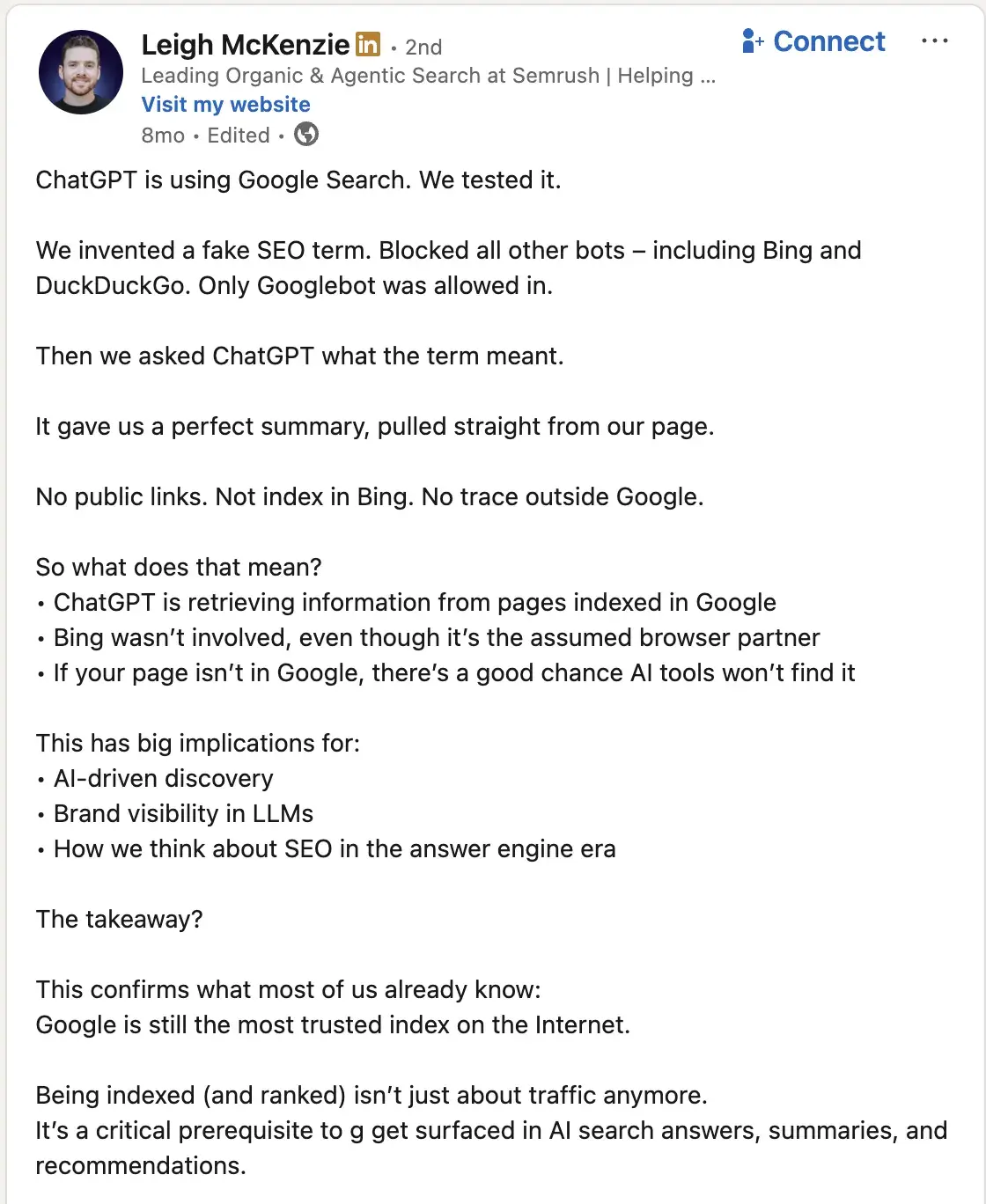
For information that is time-sensitive or falls beyond its knowledge cut-off date, ChatGPT can perform a live web search. This capability is particularly relevant for queries concerning current events, real-time pricing, or recent developments. OpenAI, the developer of ChatGPT, has explicitly stated that it utilizes third-party search engines, notably Bing, for this purpose. While Bing is primarily named, particularly for Enterprise and Edu customers, independent investigations by external parties, such as Backlinko, have indicated instances where Google Search is also leveraged. This dual reliance on traditional search engines underscores a significant implication for content creators: traditional SEO principles continue to hold relevance in the age of AI, as they indirectly influence ChatGPT’s ability to discover and cite web content.

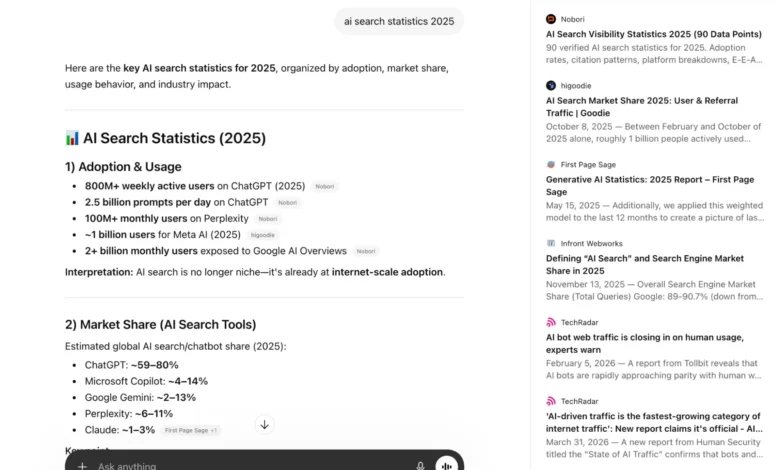
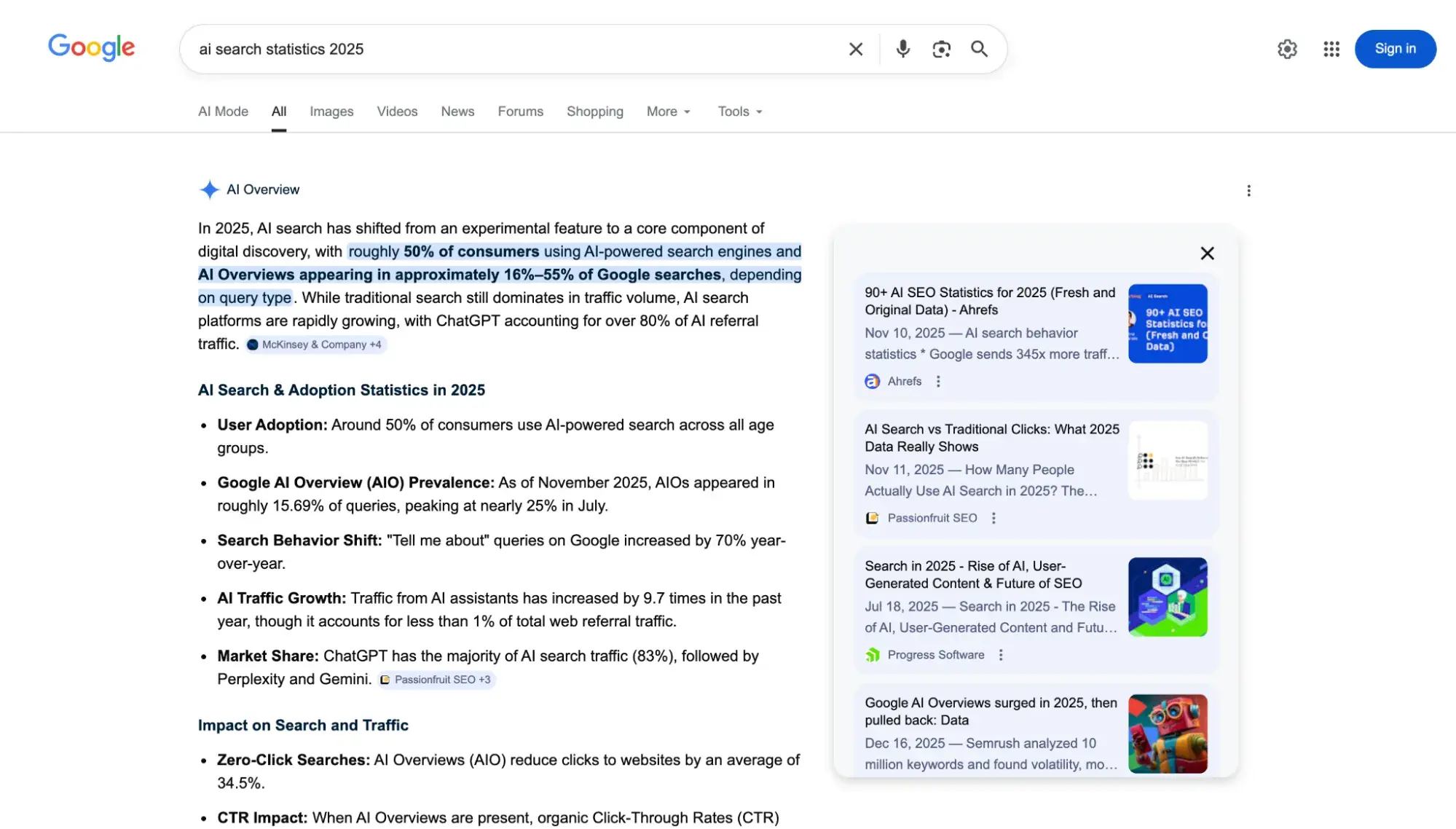
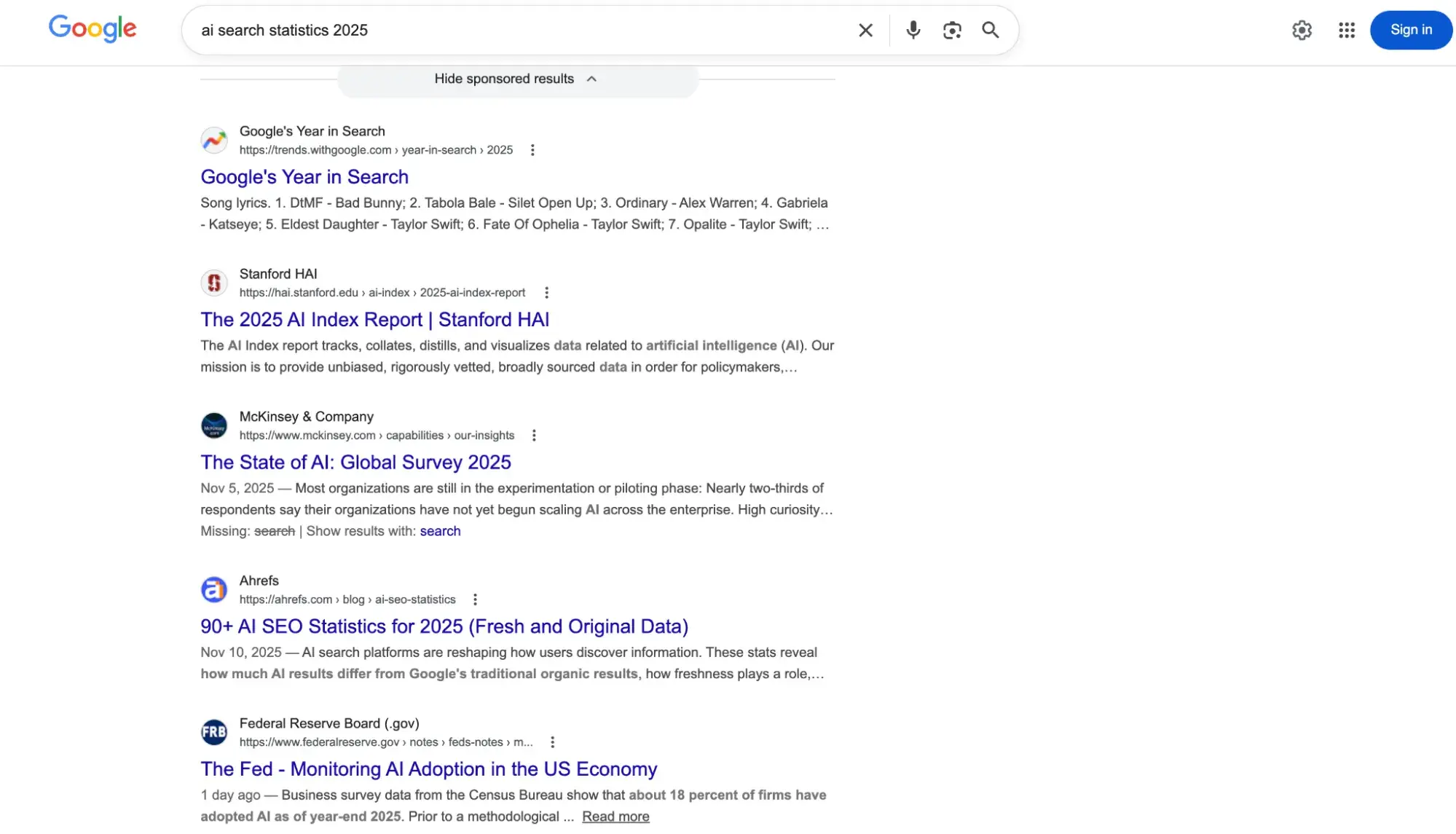
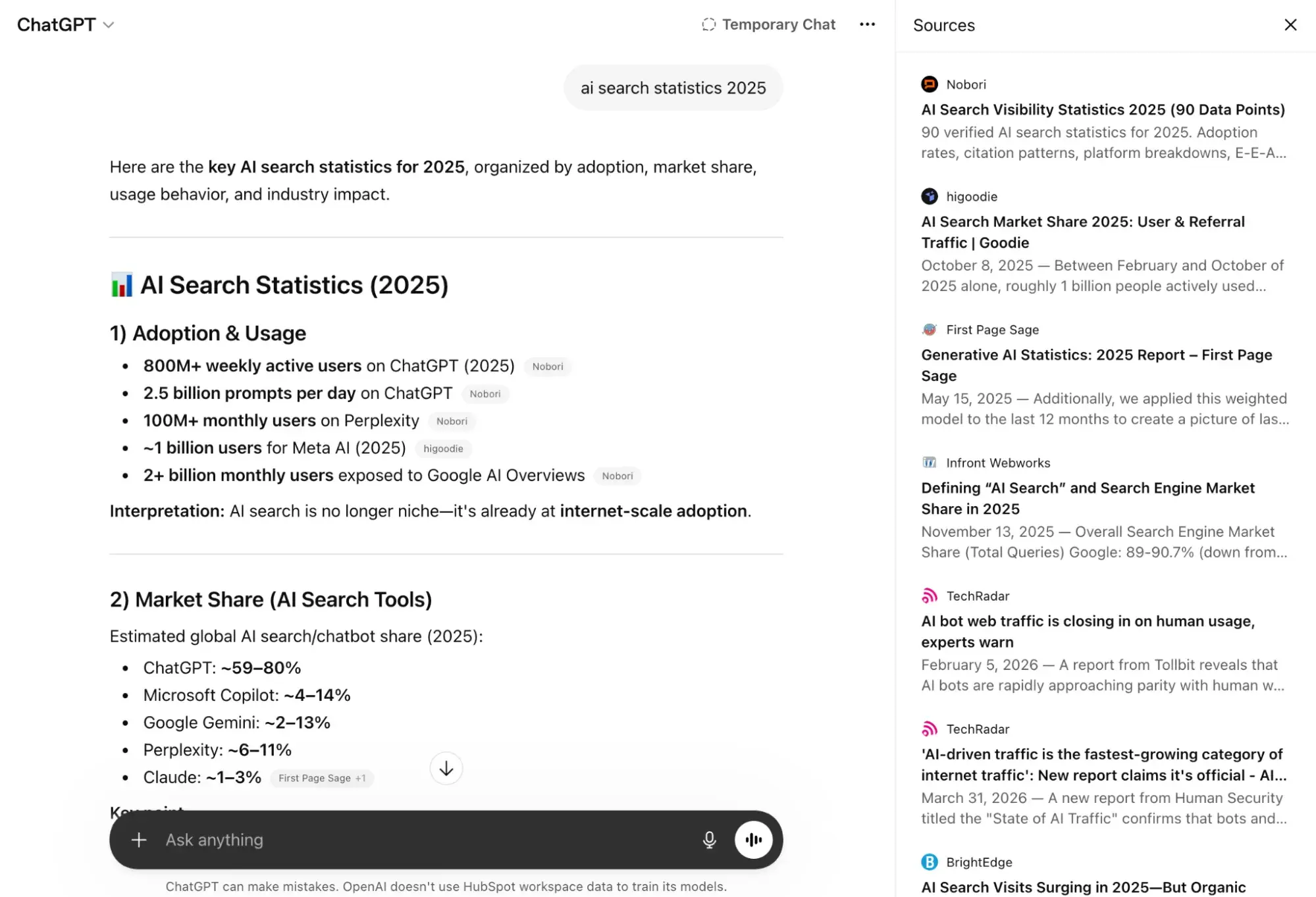
Interestingly, observations reveal that ChatGPT’s web search results often diverge from Google’s Search Engine Results Pages (SERP). For example, a search for "AI search statistics 2025" might yield entirely different top organic results on Google compared to the sources cited by ChatGPT’s web search. This disparity suggests that Google Search and ChatGPT employ distinct weighting algorithms or prioritization criteria for content, opening new avenues for Answer Engine Optimization. It implies that even if a website struggles to achieve top rankings in traditional Google searches, a well-executed AEO strategy could still enable it to gain significant visibility within AI-generated answers.
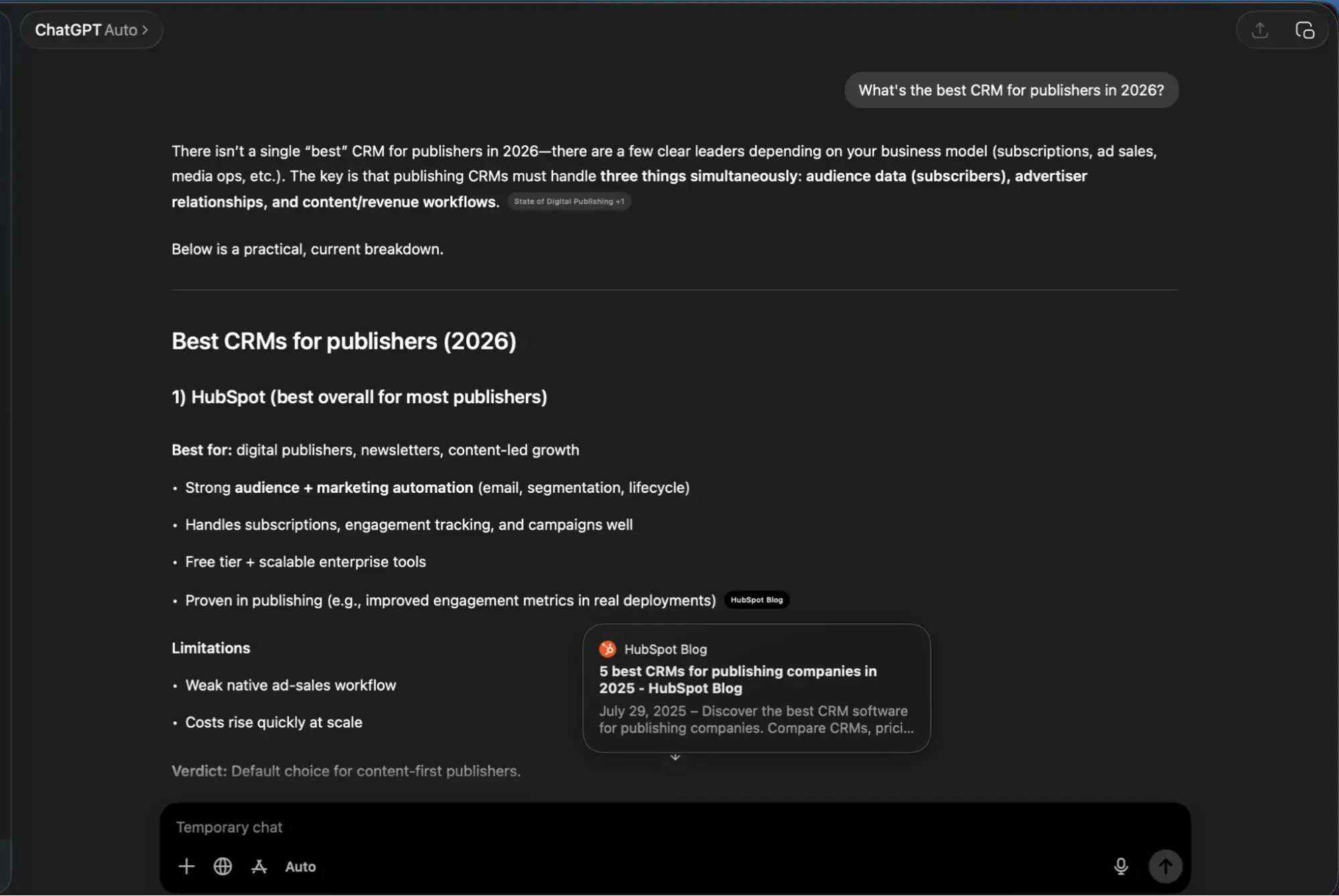
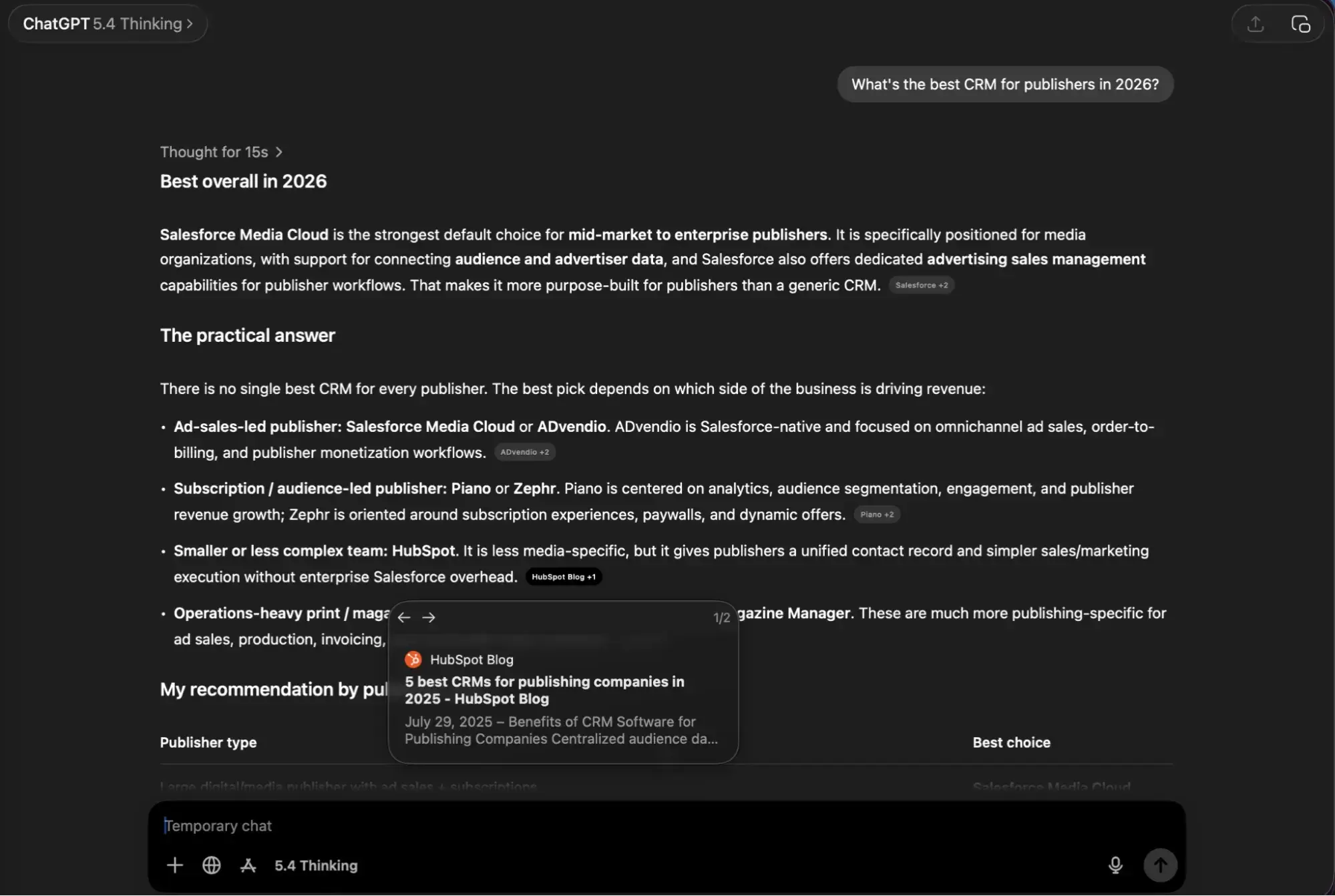
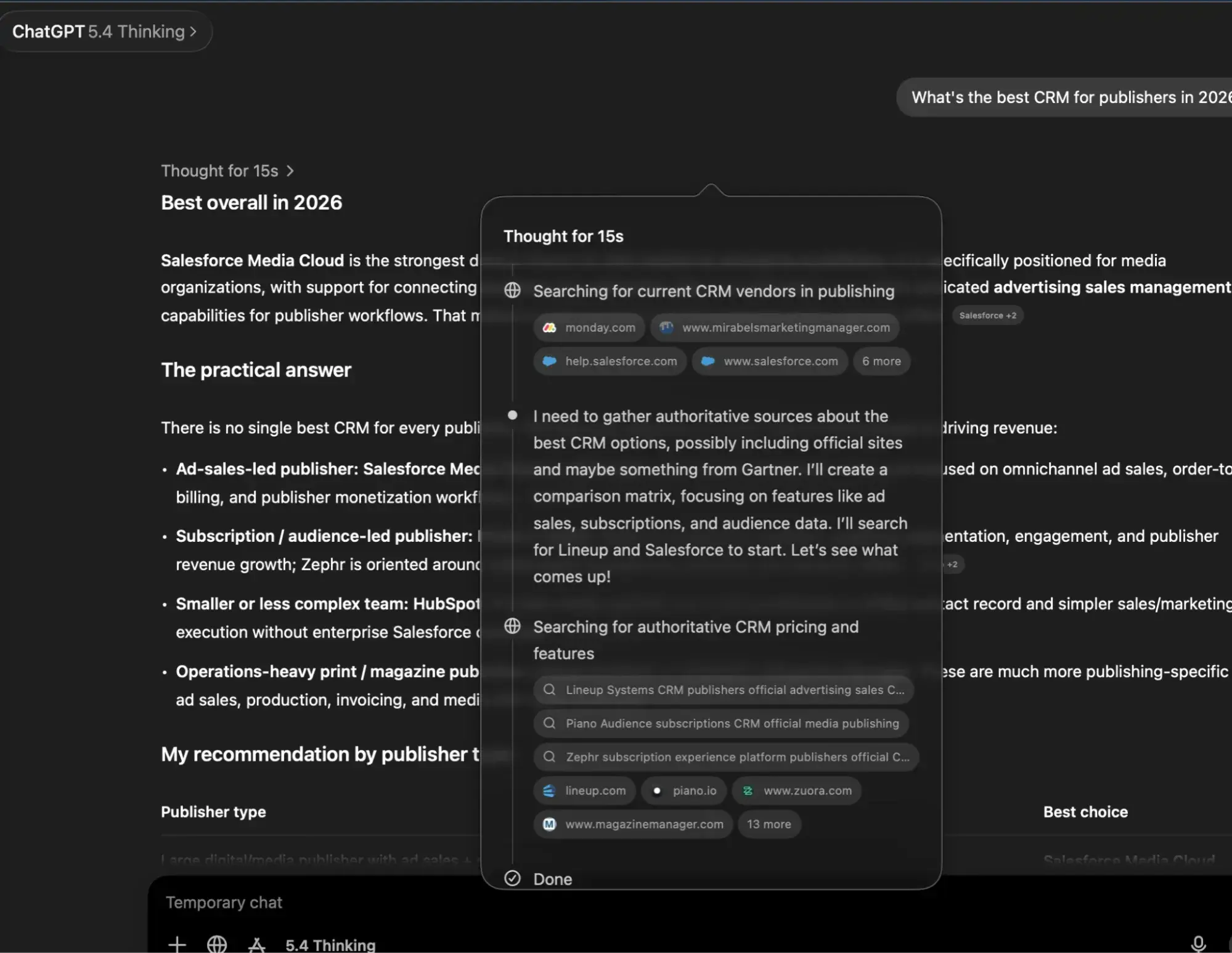
A practical demonstration illustrates this dynamic: when queried about "the best CRM for publishers in 2026," an AEO-optimized article from a practitioner’s blog was cited by ChatGPT as a primary source. This occurred both in "Auto" mode (where ChatGPT selects the model) and "Thinking" mode, which provides a partial glimpse into the AI’s processing. The "Thinking" mode reveals a crucial process known as query fan-out, where a single user prompt is broken down into multiple sub-queries. This mechanism highlights that the user’s initial prompt is not necessarily the sole determinant of content discovery, making comprehensive prompt research an indispensable component of AEO.
Tactics for Maximizing Visibility in ChatGPT
While OpenAI has not released detailed ranking guidelines for ChatGPT, successful strategies are emerging from internal and external experimentation by marketing professionals. OpenAI has broadly stated that "any public website can appear in ChatGPT search" and emphasizes the importance of ensuring crawlers are not blocked.
-
Ensure Proper Indexing and Crawler Access: This foundational step is non-negotiable. For content to be considered by ChatGPT’s live web search, it must first be indexed by traditional search engines like Google and Bing. Furthermore, OpenAI operates its own dedicated web crawlers:
- OAI-SearchBot: This bot is responsible for collecting data to enhance ChatGPT’s search capabilities, meaning content crawled by OAI-SearchBot is eligible to appear in AI-generated answers.
- GPTBot: This crawler collects data specifically for training future OpenAI models.
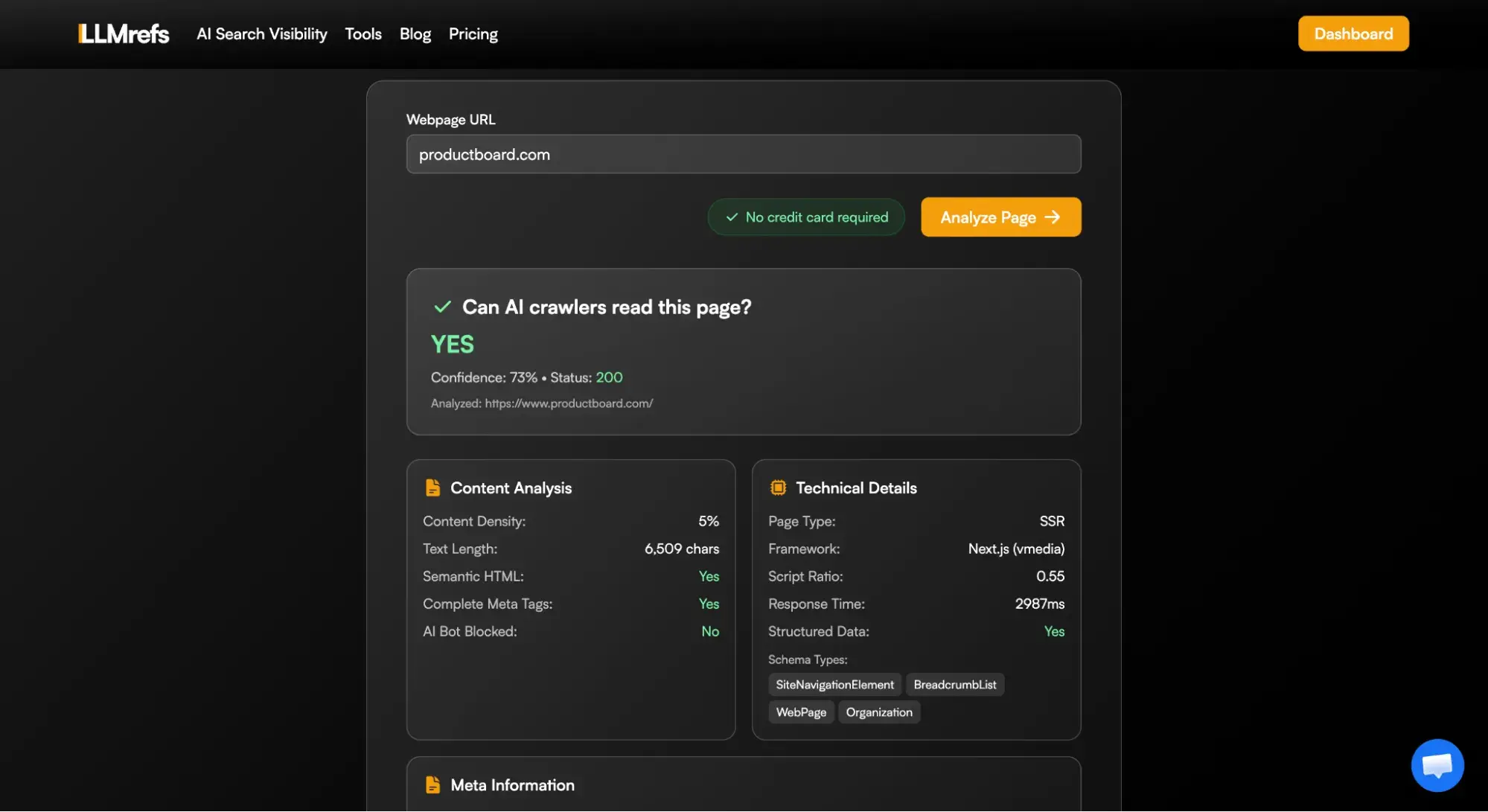
Content creators have granular control over these bots via theirrobots.txtfile. They can permit OAI-SearchBot to ensure visibility in search results while opting to block GPTBot from collecting data for model training, or vice versa. OpenAI states that changes torobots.txttypically reflect in their systems within 24 hours. A significant technical hurdle for these crawlers, and indeed for Googlebot, is JavaScript-heavy websites. If critical content is rendered client-side via JavaScript, crawlers may struggle to "see" and interpret it. Solutions like server-side rendering (SSR) or pre-rendering are vital to ensure content is present in the initial HTML response, making it accessible to AI crawlers. Tools like AI Crawlability Checkers can help diagnose these issues.
-
Adopt an Answer-First Content Strategy: A prominent trend in successful AI citations is the placement of key information at the very beginning of an article or paragraph. Studies, such as Kevin Indig’s February 2026 analysis of over 18,000 ChatGPT citations and a separate CXL analysis of Google AI Overviews, reveal that a significant proportion (44.2% and 55%, respectively) of citations originate from the top 30% of a page’s content. While these studies demonstrate correlation rather than direct causation, they strongly suggest that presenting direct answers upfront aligns with how AI models prioritize and extract information. This approach not only aids AI parsing but also significantly improves user experience, allowing readers to quickly grasp the core message. An "answer-first" approach means directly addressing the query in the opening sentence of a section before delving into explanatory details or supporting evidence.
-
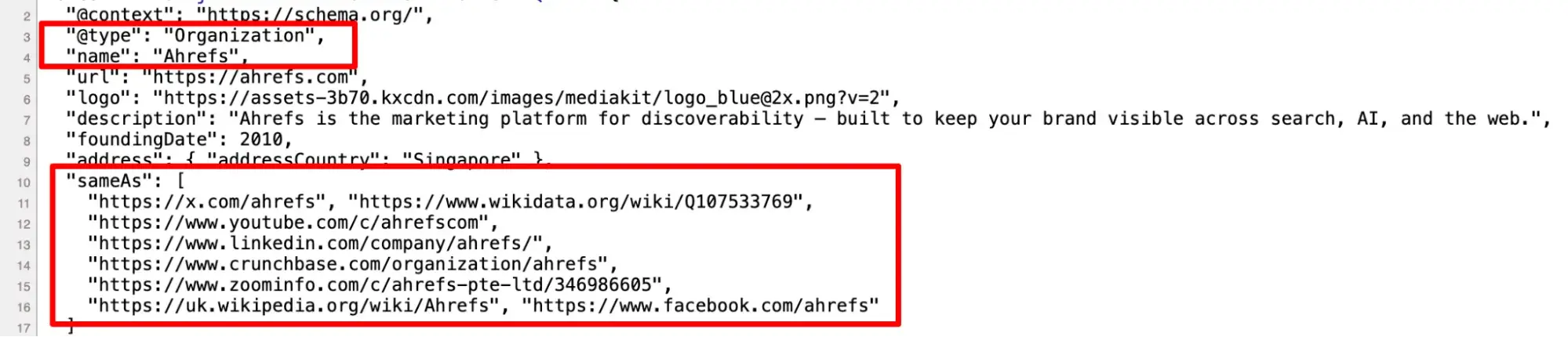
Implement Schema Markup: Schema markup, a form of structured data embedded in a website’s source code, acts as a bridge between human-readable content and AI models. It explicitly defines entities, content types, and relationships, enabling search and answer engines to better understand the context and meaning of a page. Although invisible to the end-user, schema markup helps reduce ambiguity for AI models, potentially increasing the likelihood of citation. Relevant schema types for AI visibility include:
- Organization Schema: Identifies your brand as a legitimate entity.
- Article Schema: Clarifies the nature of your content.
- FAQPage Schema: Directly provides question-and-answer pairs, a format highly conducive to AI answer generation.
- Product/Review/HowTo Schema: Offers structured data for commercial or instructional content.
While schema markup does not guarantee citation, it streamlines the AI’s ability to parse and trust content. It’s a low-cost, high-impact tactic that also benefits traditional SEO. Tools like Google’s Rich Results Test and Schema Markup Validator are essential for verifying correct implementation.
-
Cultivate External Brand Authority and Reputation: ChatGPT, much like Google’s E-E-A-T (Experience, Expertise, Authoritativeness, Trustworthiness) framework, evaluates external signals to determine the credibility and trustworthiness of a source. This means what other entities say about a brand online holds significant weight. A McKinsey analysis indicated that only 5-10% of Google AI Overview citations originate from a brand’s own website, emphasizing the importance of third-party validation.
- Strengthen Entity Through Third-Party Mentions: Entity strength refers to how clearly and consistently AI models recognize a brand as a distinct, verifiable real-world entity. Prioritizing mentions in reputable news outlets, industry publications, data aggregators (like Statista), and even Wikipedia can significantly bolster a brand’s perceived authority.
- Claim and Optimize Review Profiles and Directory Listings: Structured, platform-specific identity records on review sites (e.g., Google Business Profile, G2, Yelp) and business directories serve as strong verification signals for AI models. Research by SE Ranking in November 2025 found that domains with a presence on major review platforms earned triple the amount of ChatGPT citations compared to those without. Optimizing these profiles by ensuring completeness, accuracy, and actively managing reviews is crucial. For businesses, prioritizing a Bing Places listing is also advisable, given ChatGPT’s reliance on Bing’s index for live search.
Identifying and Addressing AI Visibility Gaps
Measuring AI visibility requires a departure from traditional keyword-centric SEO. Instead, marketers must engage in "prompt research" to understand how their target audience interacts with AI chatbots. This involves manually testing prompts in ChatGPT (preferably in a logged-out state or temporary chat to prevent personalization bias) and analyzing the sources cited in the responses.
-
Map Business-Relevant Prompts: Identify the critical questions prospective customers might ask ChatGPT before making a purchase decision. For a pest control company, this could range from "Why am I seeing more ants in my apartment in the summer?" to "What’s the best eco-friendly pest control company in Atlanta?" These prompts form the basis of an AEO tracking strategy.
-
Analyze Citation Patterns: For each mapped prompt, observe whether the brand’s content is cited. If not, critically examine the content and source types that are cited. Is it a competitor’s blog, an industry review site, or a forum discussion? This analysis provides direct insights into the winning content formats and authority signals for specific queries.
-
Implement Targeted Content and Authority Initiatives: The identified gaps dictate the next strategic moves. If a competitor’s comparison page is frequently cited and your brand lacks one, creating such content becomes a priority. Similarly, if a G2 category page featuring your brand is thinly populated, enhancing your profile there becomes a key review strategy. This data-driven approach allows for precise resource allocation to close visibility gaps effectively.
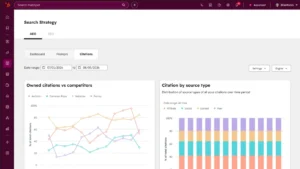
Measuring success in AEO extends beyond rankings and clicks to encompass zero-click metrics such as brand visibility, share of voice within AI answers, and direct citations. Specialized AEO tools, like HubSpot AEO, are emerging to streamline this complex workflow, offering dashboards for tracking visibility across multiple AI platforms (ChatGPT, Perplexity, Gemini), identifying competitor citations, and providing prioritized recommendations.
Common Missteps and Best Practices
Even with sound strategies, certain pitfalls can undermine AI visibility efforts:
-
Avoid Keyword Stuffing or System Gaming: AI models are designed to understand natural language and assess content quality. Excessive keyword repetition or manipulative tactics, which were penalized in traditional SEO, are equally detrimental in AEO. Content must be credible, verifiable, and directly answer user questions with evidence and concrete examples. Unsupported claims, such as declaring a product "the best" without substantiation, offer no value for citation.
-
Regularly Update Content: While freshness is a known signal in traditional SEO for certain queries, it is significantly amplified for AI platforms. An Ahrefs study found ChatGPT to be particularly sensitive to content recency among tested AI platforms. Prioritizing updates for top-performing pages every three to six months, focusing on current statistics, pricing, and new valuable details, is a strong best practice.
-
Beware of JavaScript-Only Sites: Reaffirming earlier points, sites heavily reliant on client-side JavaScript for rendering core content pose a significant barrier to AI crawlers. Implementing server-side rendering (SSR) or pre-rendering ensures that essential content is readily available in the initial HTML, making it accessible to OAI-SearchBot and GPTBot.
-
Do Not Rely Solely on Images for Important Information: AI crawlers, including ChatGPT’s, cannot "see" or interpret information embedded solely within images (e.g., infographics with pricing details). Critical data must be presented in plain, parsable text, such as bulleted lists or tables. A Writesonic study in March 2026 confirmed that ChatGPT, Claude, and Gemini primarily fetch raw HTML and extract text, lacking the ability to interpret graphics. Furthermore, for ChatGPT specifically, relying on image alt text to convey critical information is insufficient, as the model does not consistently receive or process alt text, unlike some other AI platforms.
Measuring Success in the AI-Powered Search Era
The shift to AEO necessitates a corresponding evolution in measurement metrics. Focus moves from traditional SEO metrics (rankings, organic traffic, conversions) to AI-specific indicators:
- Brand Visibility Score: The percentage of relevant prompts for which a brand is cited in an AI answer.
- Share of Voice (SoV): The proportion of citations a brand receives compared to its competitors for a defined set of prompts.
- Direct Citations: The explicit referencing of a brand’s website or content within an AI-generated answer.
- Qualified Leads/Conversions Attributed to AEO: Tracking the downstream business impact of increased AI visibility.
Beyond these quantitative metrics, citation analysis becomes a crucial strategic tool. By examining which domains, content types (e.g., listicles, how-to guides), and source categories (e.g., blogs, review sites, news articles) AI engines prefer for specific prompts, marketers can refine their content strategy. If listicles consistently dominate citations for key prompts, developing more listicle-style content becomes a strategic imperative.
Frequently Asked Questions Regarding AI Visibility
-
Fastest Way to Increase ChatGPT Visibility: The quickest path to citation in ChatGPT involves ensuring technical prerequisites are met: proper indexing in Google and Bing, allowing OAI-SearchBot in
robots.txt, and ensuring content is rendered in crawlable HTML. Concurrently, an answer-first content strategy and optimizing off-site review/directory profiles (especially Bing Places) can yield rapid results due to AI’s preference for direct answers and verified entity data. -
Necessity of Separate Content for AI: No, it is generally advised against creating separate content versions (e.g., markdown files or "AI-friendly" pages) specifically for AI search. Both Google and Bing have publicly discouraged this. A single, well-optimized, SEO- and AEO-friendly version of content is sufficient.
-
Timeframe for ChatGPT Recognition: While OpenAI has not provided official timelines, practitioner studies suggest that new information can appear in ChatGPT’s live web search results within hours to a day. Gus Pelogia’s test, where a new blog post was cited by ChatGPT within six hours, supports this. This rapid indexing is often facilitated by platforms like IndexNow and aligns with observations that ChatGPT crawls pages significantly more frequently than Google (Conductor’s research). However, visibility for prompts relying solely on ChatGPT’s training data depends on future model updates, which typically occur a few times per year.
-
Value of
llms.txtand Schema for Small Teams: Schema markup is a worthwhile investment for small teams. It is generally simple to implement, free, beneficial for traditional SEO, and potentially valuable for AI engines, even without explicit confirmation from OpenAI regarding its direct impact on ChatGPT. It helps disambiguate content for any parsing system. Conversely, the proposedllms.txtstandard, intended as an AI sitemap, currently lacks strong empirical evidence of its effectiveness. A November 2025 SE Ranking analysis of nearly 300,000 domains found no correlation between having anllms.txtfile and being cited by answer engines. Furthermore, major platforms have not confirmed its use. Therefore, for small teams with limited resources, prioritizing schema, answer-first content, and off-site authority building is a more evidence-backed approach than investing time inllms.txt. -
Prioritizing Prompts for an Industry: Prompt prioritization should align with the customer journey, working backward from the purchase decision. Prompts indicative of solution-awareness (e.g., "best HR software for mid-size companies") or comparison (e.g., "BambooHR vs. Rippling") should take precedence over broader problem-aware queries, as they are closer to conversion. Analyzing competitor citations for specific prompts further refines prioritization, highlighting immediate visibility gaps to address. Tools like HubSpot AEO can leverage CRM data to suggest prompts relevant to customer segments, industries, and competitors, ensuring strategic alignment with business objectives.
The evolving landscape of AI-driven search necessitates a proactive and adaptive approach from content creators and marketers. By understanding AI’s information sourcing, implementing technical and content best practices, building external authority, and adopting new measurement paradigms, brands can effectively navigate the complexities of Answer Engine Optimization and secure a prominent position in the future of digital discovery.
Related posts: