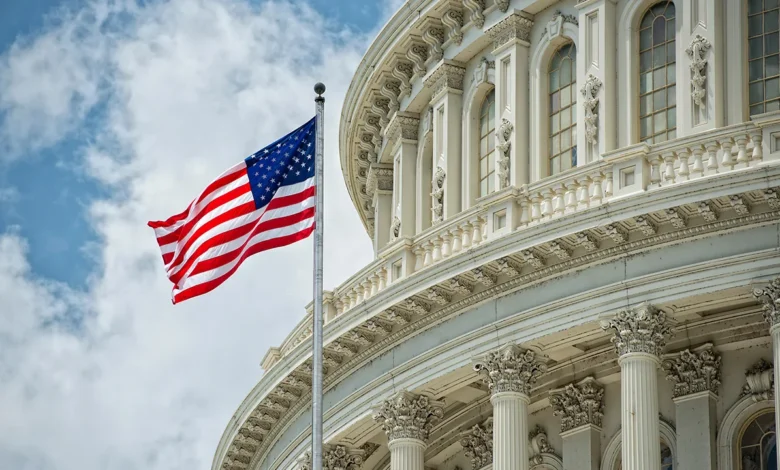
The legislative defeat, which occurred earlier this month, has effectively halted the most promising effort to date to codify rules for crypto-assets. As industry leaders and Capitol Hill insiders analyze the wreckage of the failed bill, the prevailing sentiment is one of frustration, with many pointing toward a lack of internal consensus as the primary culprit for the stalled progress.
A Chronology of Legislative Stagnation
The trajectory of the Clarity Act was marked by intense, high-stakes negotiations that spanned from the aftermath of the 2024 general election through the autumn of 2026. Following the election, there was a palpable sense of optimism among industry advocates that a new administration and a fresh legislative session would provide the necessary political capital to pass comprehensive digital asset legislation.
By January 2026, momentum had reached a fever pitch. Lobbying efforts were at an all-time high, with major industry players coordinating with key committee members in the House and Senate. However, the cohesion that characterized the early months of the year began to erode by mid-spring. As the legislative calendar became increasingly crowded with competing priorities—including the geopolitical fallout of the Iran war, persistent inflationary pressures, and the urgent need for a regulatory framework for artificial intelligence—the window for the Clarity Act began to narrow.
By late summer 2026, the bill had lost its initial steam. The final vote in the Senate served as a terminal point for months of deteriorating negotiations. The inability of the industry to present a unified front proved fatal, as lawmakers grew wary of the conflicting signals being sent by various crypto-interest groups and their corporate representatives.
The Central Role of Coinbase and Brian Armstrong
At the epicenter of the fallout is Brian Armstrong, the CEO of Coinbase. Armstrong’s influence during the legislative process was undeniable, characterized by an unprecedented level of engagement. Sources indicate that Armstrong made 13 separate trips to Washington between the 2024 election and the final vote, personally overseeing the strategy of his firm’s lobbying team.
Industry insiders have described Armstrong’s approach as "hands-on to a fault." While his direct involvement signaled the importance of the bill to the largest U.S.-based exchange, it also created significant friction. Reports suggest that Armstrong frequently utilized his influence to veto specific provisions he deemed unfavorable to Coinbase’s business model. This level of intervention reportedly frustrated other industry participants, who felt that the desire for a "perfect" bill was compromising the chance to achieve a "good" bill that could actually pass into law.
The tension reached a breaking point in January when Coinbase publicly withdrew its support for certain iterations of the Clarity Act. While Coinbase maintains that this decision was a strategic move to protect the industry from long-term regulatory pitfalls, others view it as the moment the coalition fractured. Brad Garlinghouse, CEO of Ripple, encapsulated this sentiment in recent commentary, noting that the industry had squandered its momentum through internal disputes and a failure to compromise.
The Role of Political Sentiment and External Pressures
Beyond the internal squabbling of the crypto sector, the legislative environment was further complicated by broader political realities. Congressional Democrats expressed significant concern regarding the perceived ethics of President Donald Trump’s ties to the crypto industry. These concerns, which were amplified by critics of the legislation, created a partisan divide that made it difficult for the bill to gain the necessary bipartisan support to survive in the Senate.
Furthermore, the external economic climate played a decisive role. The escalation of global conflict, coupled with the domestic struggle to manage inflation, shifted the legislative focus away from financial innovation and toward traditional economic stability. For many lawmakers, the complexities of decentralized finance became a lower priority than securing the stability of the dollar and managing the workforce disruptions caused by the rapid integration of artificial intelligence.
Implications for the Digital Asset Ecosystem
The failure of the Clarity Act does not signify the end of digital asset activity in the United States, but it does signal a strategic pivot. With the prospect of a comprehensive "Clarity" bill dead for the foreseeable future, the industry is recalibrating its approach.
Analysts have observed that the vacuum left by the legislation is being filled by a shift toward stablecoin-focused development. Stablecoins, which are pegged to fiat currencies, are increasingly viewed by both regulators and industry players as the most viable path forward for digital asset integration. Unlike the broader crypto-asset market, which often seeks to operate outside the traditional financial architecture, stablecoins are increasingly being designed to operate within it.
Recent developments underscore this trend:
- The SEC and Tokenization: The Securities and Exchange Commission has continued its interest in tokenized securities, viewing them as a way to modernize settlement processes within existing legal frameworks.
- Institutional Adoption: Major financial entities, such as Mastercard, are heavily investing in stablecoin capabilities. These initiatives are not aimed at replacing traditional finance but rather at enhancing its efficiency.
- Infrastructure for Machine Commerce: Circle’s recent launch of blockchain infrastructure aimed at "agentic commerce" represents a move to provide utility for machines and automated systems, further embedding blockchain technology into the backbone of standard corporate operations.
Analysis: A Shift Toward Integration
The "direction of travel" for the digital asset industry is now clearly moving toward an inverse of its original intent. The original ethos of the crypto movement, which prioritized the creation of a financial system independent of traditional institutions, is being supplanted by a strategy of integration. By embedding stablecoins and tokenized assets into established banking and payment rails, firms are achieving a level of adoption that the pure "crypto-first" approach failed to secure.
However, this transition is not without its risks. As the industry moves closer to traditional finance, it faces the prospect of increased scrutiny and oversight—the very things many in the sector once sought to avoid. While this may provide the legitimacy needed for long-term growth, it also requires the industry to abandon its adversarial posture toward regulators.
The "blame game" currently dominating the conversation among executives is a symptom of a maturing, albeit wounded, industry. The lesson of the Clarity Act is that political influence in Washington requires more than just capital and visibility; it requires the capacity for collective action and the willingness to accept compromises. Until the sector can reconcile its internal differences and align with the pragmatic realities of the U.S. political system, it is likely to remain in a state of regulatory limbo.
As the industry moves forward, the focus will likely remain on the incremental adoption of stablecoins and the slow integration of blockchain technology into the existing financial fabric. The dream of a standalone regulatory framework for all digital assets may have faded for now, but the fundamental technology continues to find its way into the daily operations of the global economy, albeit in a form far more conventional than its early advocates once imagined.