OutBound 2026: Navigating the Future of Sales Prospecting and Leadership in an Era of Buyer Resistance

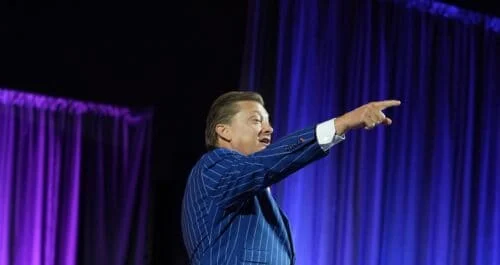
The landscape of modern sales has undergone a seismic shift, driven by a combination of technological saturation, the rise of artificial intelligence, and a fundamental change in buyer behavior. As organizations prepare for the 2027 fiscal year, the pressure to secure new business has never been higher, yet the traditional methods of outreach are increasingly meeting with skepticism and avoidance. Addressing this industry-wide challenge, OutBound 2026, a premier sales training and leadership conference, is scheduled to take place from November 9–12 at the Red Rock Resort & Spa in Las Vegas, Nevada. The event, which strictly limits attendance to 400 participants, serves as a high-intensity forum designed to equip sales professionals with tactical, actionable strategies to overcome contemporary buyer resistance.
The genesis of the OutBound conference dates back to 2016, when industry veterans Anthony Iannarino, Mark Hunter, Mike Weinberg, and Jeb Blount identified a significant gap in the professional development market. While numerous sales conferences existed, few focused specifically on the complexities of outbound prospecting—the critical process of initiating contact with potential clients. The inaugural event, held in April 2017 in Atlanta, established the conference’s core philosophy: a commitment to practical training over motivational rhetoric, delivered by practitioners who have actively managed sales teams or carried individual quotas.
As the industry approaches the 2026 gathering, the challenges facing sales teams have evolved. Data suggests that buyer behavior is currently characterized by high levels of caution. Modern prospects utilize sophisticated screening methods, including AI-driven gatekeeping tools, to filter unsolicited communications. For the average sales representative, this results in increased rates of "ghosting," where prospects cease communication mid-cycle, and a general decline in the efficacy of traditional cold-calling and email outreach. The primary objective of OutBound 2026 is to provide a corrective to these trends by focusing on methodologies that prioritize value-based engagement over high-volume, low-conversion tactics.
The conference structure is divided into distinct segments, beginning with the VIP Mastermind sessions on November 9, followed by the Main Event on November 10 and 11, and concluding with the Leadership Summit on November 12. Unlike many industry gatherings that utilize keynote slots as platforms for vendor product demonstrations, OutBound maintains a strict "no-pitch" policy. This policy ensures that the instructional content remains focused entirely on pedagogical development. The hand-picked faculty, which includes notable figures such as Victor Antonio, Colleen Stanley, Amy Franko, Daniel Disney, and Helen Fanucci, are tasked with delivering sessions that focus on specific, high-friction areas of the sales cycle. These include managing stalled negotiations, addressing price sensitivity, and navigating the complexities of multi-stakeholder decision-making.
The choice to cap attendance at 400 delegates is a deliberate strategic decision aimed at fostering high-density networking and direct access to instructors. By limiting the room size, the organizers facilitate a workshop environment where attendees can engage in real-time problem-solving. This design choice is intended to replicate the collaborative atmosphere of an internal corporate training session but with the benefit of cross-industry perspectives. According to the organizers, approximately 50 percent of the attendee demographic consists of sales leadership—VPs, directors, and managers—while the remaining 50 percent are comprised of individual contributors, including Account Executives and Sales Development Representatives (SDRs). This balance is viewed as a vital component of the event, as it allows for an open dialogue between those who set strategy and those who execute it on the front lines.
The November 12 Leadership Summit serves as a specialized track for those in management roles, with an emphasis on performance management in the age of AI. As organizations increasingly integrate AI into their tech stacks, the role of the sales manager has moved toward ensuring that technology enhances, rather than replaces, human connection. The summit curriculum addresses the nuances of high-impact one-on-one coaching, the recruitment and retention of top-tier talent, and the application of emotional intelligence in high-pressure environments. By providing a framework for leaders to manage the human-AI intersection, the summit aims to provide a sustainable, long-term playbook for hitting revenue targets.
The economic implications for attendees are significant. By providing attendees with 12 months of access to session replays, the conference seeks to extend the shelf life of the information provided beyond the four-day event. This approach acknowledges the reality that complex sales methodologies are rarely mastered in a single weekend. The inclusion of these resources is intended to provide a reference point for teams as they navigate the challenges of the subsequent fiscal year.
Furthermore, the logistical choice of the Red Rock Resort & Spa reflects the event’s focus on concentration and professional focus. Situated 20 minutes from the Las Vegas Strip, the location provides a venue that allows for immersion in the training curriculum without the typical distractions associated with central Las Vegas. This environment is particularly conducive to the "Coffee’s for Closers" networking events, which are integrated into the agenda to encourage the development of professional relationships that serve as a support network for sales professionals long after the conference concludes.
From a broader industry perspective, the success of the OutBound model highlights a growing demand for specialized, high-tier professional education. As the barrier to entry for sales roles decreases due to the proliferation of automated outreach tools, the market is placing a higher premium on the skills that automation cannot replicate: empathy, strategic negotiation, and the ability to navigate complex organizational politics. The focus of the 2026 conference—breaking through buyer resistance—speaks to a fundamental truth in the current market: success is no longer a matter of volume, but a matter of precision and trust-building.
For organizations looking to send teams to the event, the "train together" approach is frequently cited as a key benefit. When leaders and their direct reports undergo the same training simultaneously, it eliminates the "translation gap" that often occurs when a single representative attends a conference and attempts to disseminate new methodologies back to the team. By aligning on terminology, strategy, and tactics, teams are better positioned to execute a unified sales playbook immediately upon their return to the office.
As the industry moves toward 2027, the stakes for sales teams remain high. Market volatility and changing buyer expectations require a shift from the reactive strategies of the past to a more proactive, skill-based approach. The 2026 OutBound conference provides a microcosm of this transition. By bringing together practitioners, leaders, and subject matter experts in a structured, non-commercial environment, the event offers a platform for addressing the fundamental shifts in how products and services are sold in the modern era.
Prospective attendees are encouraged to review the full agenda and ticket options, which range from individual Main Event passes to comprehensive Executive Elite and VIP packages. With the event approaching its capacity, the emphasis remains on the practical application of the skills acquired. The organizers maintain that the true return on investment for the conference is measured not in the duration of the event itself, but in the number of stalled deals saved and the increased efficiency of the sales process in the months that follow. As the sales profession continues to evolve, the ability to adapt to buyer resistance will likely remain the defining factor between high-performing organizations and those that struggle to keep pace with the demands of the modern market.