The Evolution of Digital Retail: How Social Commerce is Redefining Global Ecommerce and Consumer Behavior


The global digital economy continues to expand at an unprecedented pace, with worldwide ecommerce sales projected to hit $5.5 trillion. As online retail solidifies its position as a dominant business model, merchants and digital platforms are looking beyond traditional websites, standalone storefronts, and third-party marketplaces. The next major frontier in retail is happening directly inside the apps where consumers spend the majority of their digital time. This shift has given rise to social commerce—a streamlined retail model where product discovery, customer engagement, and final financial transactions occur entirely within social media ecosystems.
Understanding the Mechanics of Social Commerce

To appreciate the rapid growth of social commerce, industry analysts emphasize the distinction between traditional ecommerce, social selling, and social commerce proper. Traditional ecommerce typically relies on a multi-step customer journey: a consumer discovers a product through an advertisement, navigates away from their current application to a separate web browser, visits an online store, populates a shopping cart, manually inputs billing and shipping information, and finally completes a transaction. Each step in this traditional funnel introduces friction, resulting in high rates of cart abandonment.
Social selling, by contrast, is a relationship-driven sales strategy where sales representatives and brands use social networks to connect with prospects, build trust, and nurture leads before steering them toward traditional sales channels.
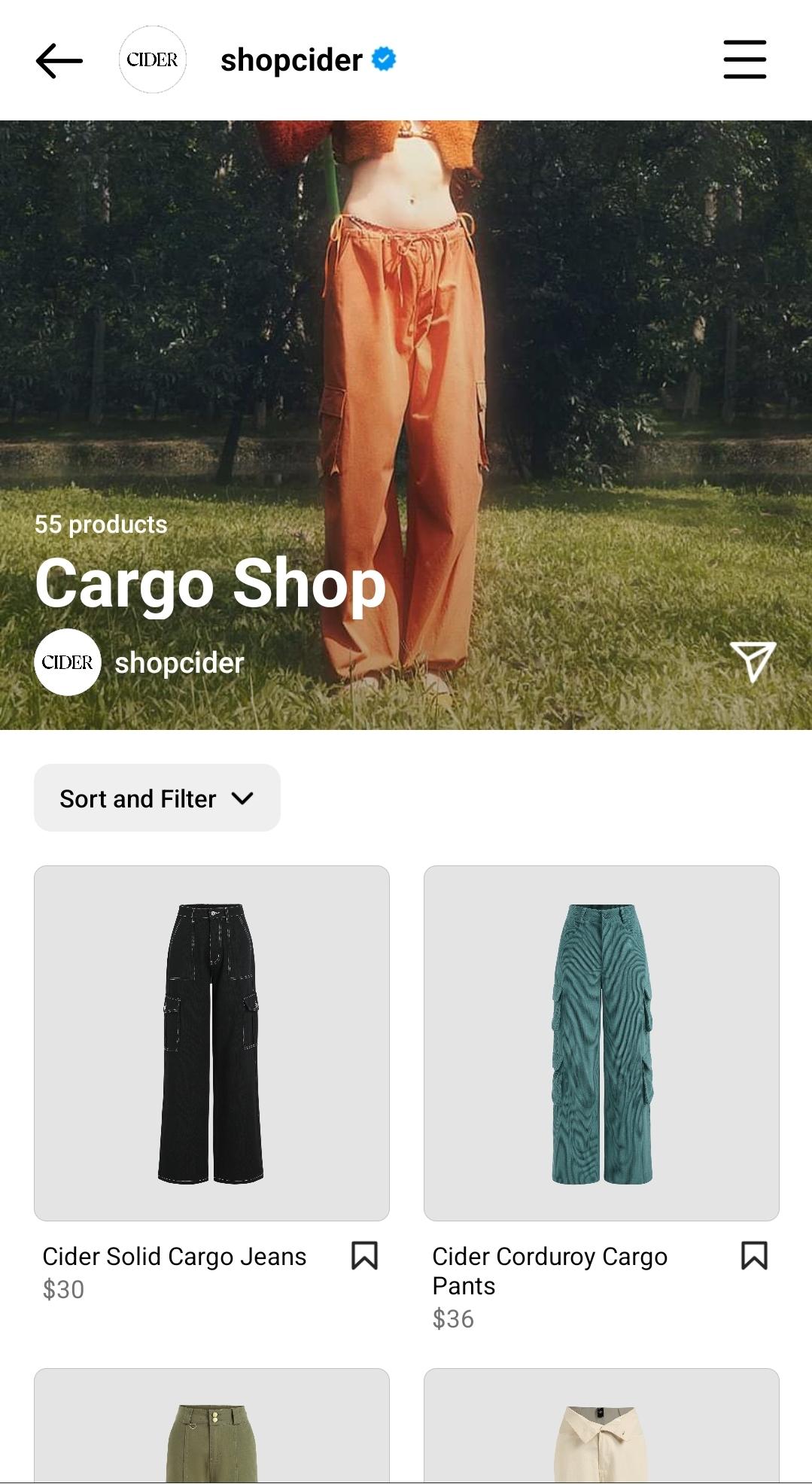
Social commerce eliminates these traditional hurdles entirely. It empowers social network users to discover, evaluate, and purchase goods or services without ever leaving their preferred application. A consumer scrolling through a social media feed can tap on an embedded product tag, view comprehensive product details, select variations such as size and color, and execute a secure checkout natively. The entire transaction concludes within seconds, allowing the user to resume browsing without interruption.

Macroeconomic Drivers and Demographic Shifts
The explosive adoption of social commerce is largely propelled by shifting consumer preferences, particularly among younger demographics. According to comprehensive market research data from Statista, approximately 62 percent of consumers within the 18-to-34 age bracket—encompassing Millennials and Generation Z—have completed a purchase directly influenced by branded social media posts or content shared by digital creators and influencers.
This demographic cohort values immediacy, authenticity, and frictionless user experiences. Traditional desktop shopping experiences often fail to meet the expectations of mobile-first consumers. By integrating checkout capabilities directly into social feeds, retailers effectively meet target audiences in digital environments where they already congregate. Furthermore, the interactive nature of social networks transforms passive shopping into a communal experience. Consumers can instantly tag friends, share product links in direct messages, consult peer groups for real-time validation, and leave public reviews that shape brand perception.

Key Platforms Spearheading the Movement
Major technology companies have aggressively invested in native infrastructure to capture market share in the burgeoning social commerce sector. Leading the charge are established platforms equipped with robust enterprise tools designed to facilitate end-to-end shopping.
Facebook introduced Facebook Shops to provide merchants with a customizable, free-to-setup storefront that syncs seamlessly with existing inventory systems. Retailers can import product catalogs directly from major ecommerce partners or upload inventory via spreadsheets. These shops integrate across Facebook Business Pages, Instagram profiles, targeted shopping advertisements, and Stories, offering flexible conversion paths including in-app checkout, external website redirection, and direct customer communication via Messenger.

Instagram leverages its visual-first architecture to drive high-intent purchases through shoppable posts, Reels, and Stories. The platform recently expanded its capabilities to allow direct consumer-to-brand purchases through direct messages, capitalizing on the high engagement rates associated with creator-led marketing campaigns.
Pinterest, historically recognized as a visual search engine, bridges inspiration and purchase intent through Product Pins. While international implementations often redirect users to external web properties for final checkout, the platform’s high user intent—with roughly 89 percent of users utilizing the platform specifically for purchase inspiration—makes it an indispensable channel for lifestyle, home decor, and fashion brands.
TikTok has fundamentally altered product discovery through viral content paradigms. The user-generated hashtag #TikTokMadeMeBuyIt has accumulated billions of views, demonstrating the platform’s unmatched capacity to drive consumer demand. Through the rollout of TikTok Shop and integrated affiliate programs, the platform enables creators and merchants to monetize short-form video content instantly. Although regional deployment strategies have experienced strategic shifts, TikTok remains a cornerstone of modern digital marketing strategies, particularly within the United Kingdom and Asian markets.

Operational Challenges and Technological Solutions
While social commerce presents lucrative revenue opportunities, commercial adoption introduces distinct operational challenges. Managing inventory synchronization, fulfilling orders efficiently, and maintaining responsive customer service across multiple social channels can easily overwhelm lean business teams.
When a brand successfully scales its social storefront, comment sections and direct message inboxes frequently flood with repetitive inquiries regarding shipping statuses, product availability, sizing, and pricing. Delayed responses in these digital spaces frequently result in lost sales and customer dissatisfaction.
To mitigate these operational bottlenecks, modern retailers increasingly rely on artificial intelligence and conversational commerce tools. Advanced AI-powered chatbots and customer service automation platforms, such as Hootsuite’s Heyday, integrate directly with social media inboxes to handle up to 80 percent of routine customer inquiries autonomously. These systems can provide real-time tracking information, recommend products based on user queries, and trigger automated alerts for back-in-stock items or price drops. Crucially, these conversational agents are programmed to detect complex consumer issues and seamlessly route them to human support representatives, ensuring a balance between automated efficiency and personalized care.
Strategic Best Practices for Merchants
Industry experts and digital marketing strategists recommend a structured approach for businesses seeking to maximize ROI through social commerce channels:

-
Prioritize Social Listening: Brands must actively monitor brand mentions, hashtag performance, and audience sentiment across all connected social channels. Utilizing social listening dashboards helps organizations stay attuned to shifting consumer expectations, emerging industry trends, and product feedback.
-
Cultivate Authentic Engagement: Successful social commerce requires active participation rather than passive catalog broadcasting. Brands must humanize their presence by responding to comments, sharing behind-the-scenes content, and delivering genuine entertainment and value through their organic posting strategy.
-
Leverage Social Proof: With modern consumers heavily reliant on peer validation—studies indicate that an overwhelming majority of online shoppers consult reviews prior to making a purchase—merchants must systematically collect and display testimonials, user-generated content, and ratings directly within their social feeds and product pages.

-
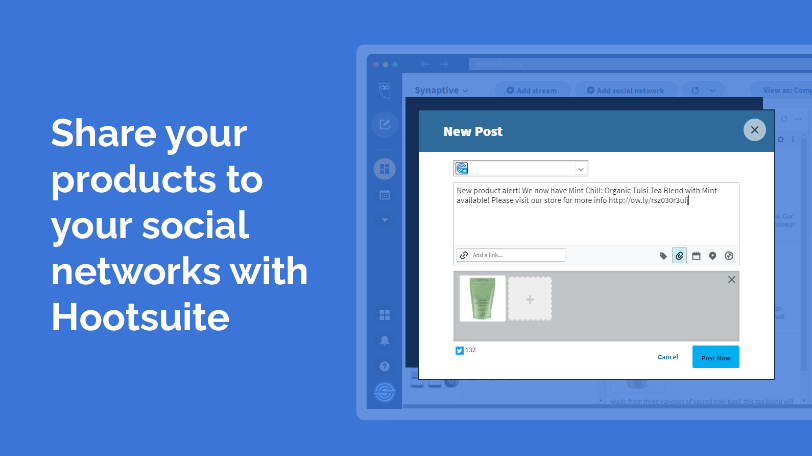
Implement Omnichannel Synchronization: Retailers should utilize specialized management tools to synchronize their primary ecommerce inventories (such as Shopify, WooCommerce, or Magento) with their social storefronts, ensuring accurate stock levels and consistent pricing across all touchpoints.
-
Adopt Conversational AI: Integrating intelligent chatbots ensures round-the-clock responsiveness, transforming social media channels into proactive revenue-generating engines rather than static customer service burdens.
Broader Industry Implications and Future Outlook
The maturation of social commerce signals a permanent structural change in the global retail landscape. The traditional boundaries separating entertainment, social interaction, and commercial transactions continue to dissolve. For brands, maintaining a passive digital footprint is no longer sufficient; capturing consumer attention requires embedding transactional capabilities directly into the fabric of daily digital consumption.
As underlying technologies mature, industry analysts anticipate further integration of augmented reality (AR) try-on features, voice-activated commerce, and hyper-personalized algorithmic recommendations within social platforms. Retailers that adapt early to these frictionless shopping environments are well-positioned to capture heightened market share, cultivate brand loyalty, and drive sustainable revenue growth in an increasingly competitive global economy.