The Ultimate Step-by-Step Guide to Creating and Optimizing a Facebook Business Page in 2024

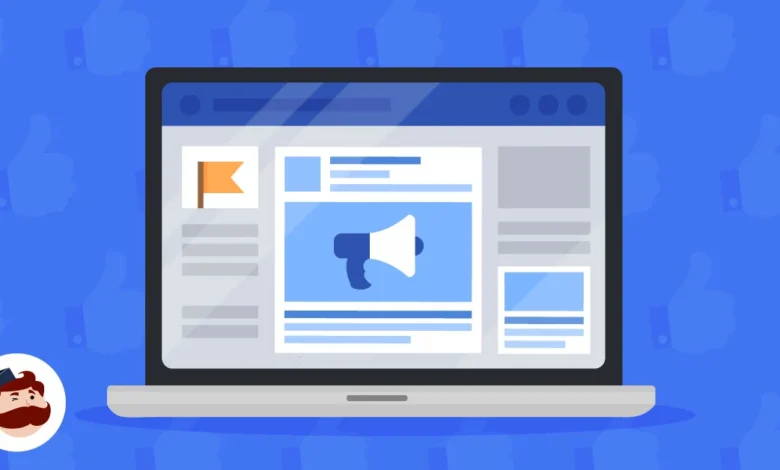
With nearly two billion daily active users navigating the platform globally, Meta’s Facebook remains an indispensable cornerstone for commercial entities seeking direct consumer engagement, targeted outreach, and scalable digital expansion. Statistical data indicates that more than 200 million enterprises currently leverage Facebook’s suite of complimentary tools, ranging from foundational Facebook Business Pages to integrated commerce solutions. For modern organizations, establishing a polished, highly optimized digital storefront on social media is no longer an optional luxury—it is an essential operational requirement for driving brand awareness, cultivating customer loyalty, and maximizing conversion metrics.
Setting up a professional presence requires bridging personal profiles with public commercial assets. Every operational Facebook Page must be tethered to at least one personal user profile to serve as an administrative anchor. However, strict platform privacy protocols ensure that personal information remains completely decoupled from public-facing commercial content. This dual-layered architecture guarantees administrative security while enabling seamless integration with advanced advertising ecosystems and Facebook Shops.
Foundational Setup and Initial Configuration
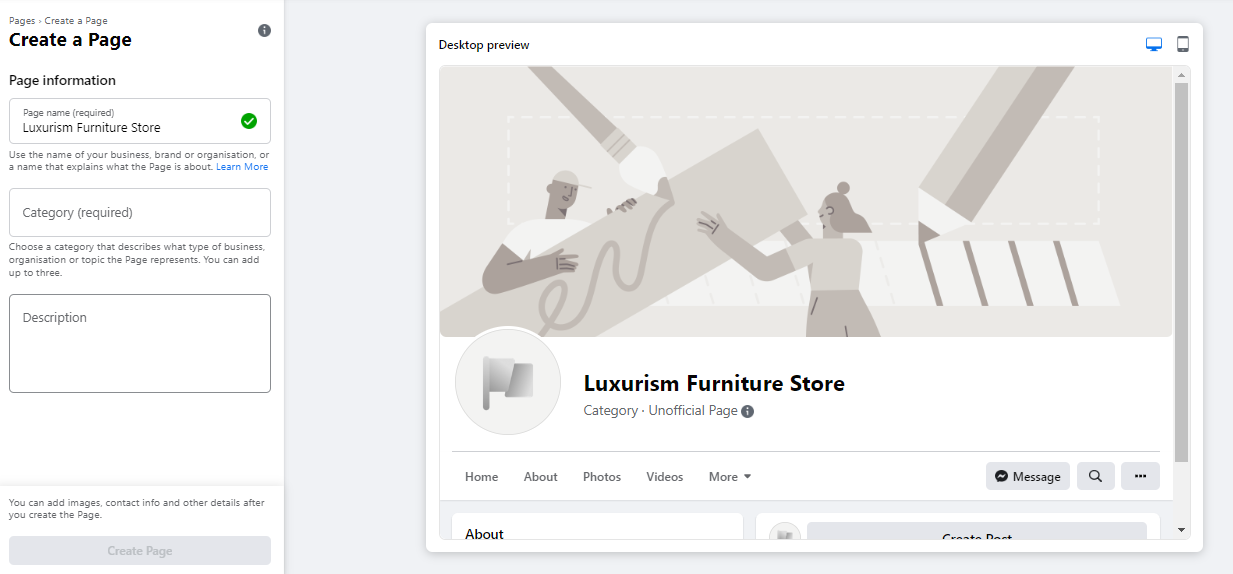
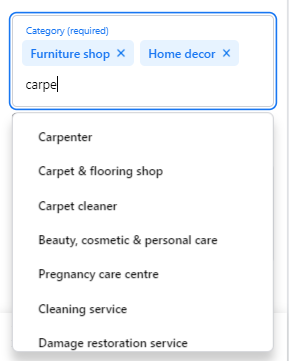
The creation process begins at the dedicated registration portal, where administrators input foundational commercial data. Selecting the appropriate Page Name is critical; businesses must utilize their official legal name or a heavily optimized search term that prospective clients are likely to input into the platform’s search bar. Following this, page creators must designate up to three relevant categories and draft a concise, compelling business description restricted to a maximum of 255 characters. This description directly influences search engine indexing within the platform, making clarity and keyword optimization vital.
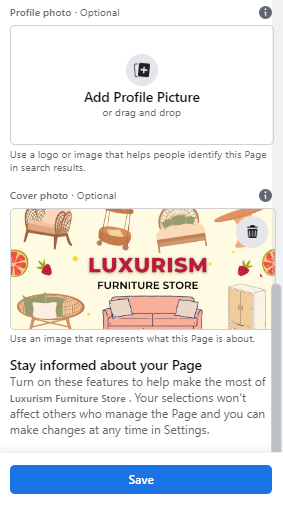
Visual branding represents the next critical milestone. High-resolution imagery significantly elevates user trust and brand retention. The profile picture—rendered ideally at 180 by 180 pixels—should feature a clear company logo, high-end product offering, or professional headshot for public figures. Because the platform crops this asset into a circular frame, essential visual elements must remain centered. Complementing this is the cover photo, recommended at 1640 by 856 pixels, which acts as a virtual billboard displaying brand personality, core services, or promotional campaigns. Administrators can preview how these assets render across both desktop and mobile viewports before committing changes to the live environment.
Enhancing Connectivity and Accessibility
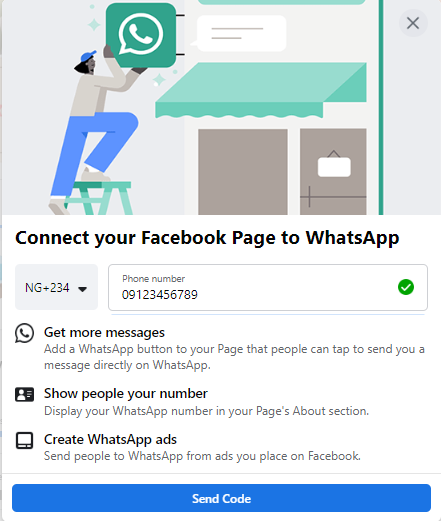
To streamline consumer communication, platforms increasingly encourage direct messaging integrations. During the setup phase, administrators are prompted to connect their Business Pages directly to WhatsApp Business accounts. While optional, establishing this link allows companies to deploy direct-action messaging buttons and route high-intent traffic seamlessly from paid Facebook advertisements straight into private chat streams.
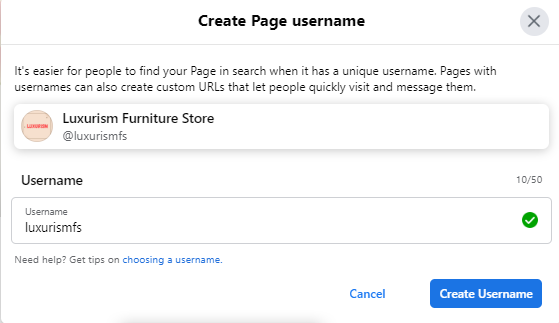
Establishing a recognizable vanity URL—or username—further solidifies a brand’s digital footprint. Restricted to 50 characters, this custom link provides a clean, memorable web address that businesses can embed across external marketing collateral, physical packaging, and email signatures.
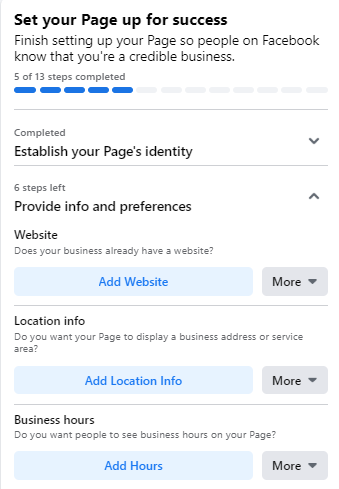
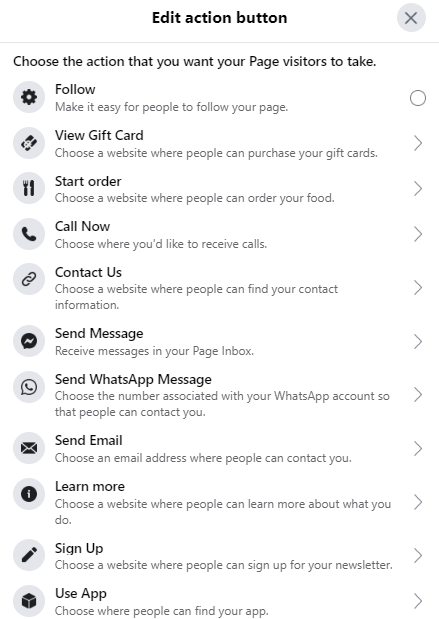
Completing the About section is vital for reducing consumer friction. Industry analysts note that contemporary consumers expect immediate access to operational details, physical store addresses, contact phone numbers, and operating hours. Omitting these details frequently prompts prospective buyers to abandon a brand’s digital ecosystem in favor of more transparent competitors. Furthermore, configuring a primary Call-to-Action (CTA) button—such as "Book Now," "Shop Online," or "Send Message"—directs immediate user intent toward profitable conversions.

Content Strategy and Audience Acquisition
A newly minted business page requires substantive content before public promotion can effectively begin. Deploying a series of value-driven posts, industry insights, or multimedia assets ensures that early visitors encounter an active, credible community rather than a vacant digital shell. Businesses can leverage native scheduling tools to populate their content calendar systematically.
Audience acquisition should begin organically. Administrators can utilize native invitation features to invite existing personal connections, provided those networks align with the brand’s target demographic. Cross-channel promotion—including embedding follow links within corporate newsletters, website footers, and auxiliary social media channels—accelerates initial follower acquisition.
Advanced Optimization and Performance Analytics
Long-term viability on social media necessitates rigorous performance tracking and continuous algorithmic adaptation. Facebook Page Insights serves as an enterprise-grade analytics engine, delivering granular data regarding audience demographics, content reach, engagement rates, and user actions. By evaluating metrics such as website clicks, button interactions, and peak engagement windows, marketing teams can refine their content calendars to focus exclusively on high-performing topics.
Strategic content management also involves utilizing pinned posts. By anchoring critical announcements, seasonal promotions, or upcoming corporate events to the absolute top of the timeline, brands guarantee that high-visibility content captures every incoming visitor’s attention. Similarly, establishing strategic alliances through liking and interacting with non-competing industry pages helps foster a collaborative digital community, boosting cross-pollination of audiences.
Broader Economic Implications and Corporate Integration
The integration of robust social media infrastructure into small and medium-sized enterprise (SME) operations carries profound economic implications. By democratizing access to enterprise-grade analytics, targeted advertising, and direct-to-consumer sales channels, platforms like Facebook level the playing field between localized boutiques and multinational corporations. However, this accessibility requires dedicated human capital and strategic oversight to manage consumer expectations, moderate public feedback, and protect brand reputation in real-time.
As corporate requirements expand, organizations frequently transition from basic page administration to centralized management frameworks, such as Meta Business Suite or enterprise tools like Hootsuite. These platforms allow multi-layered teams, external marketing agencies, and remote freelancers to collaborate securely without compromising core asset security. Ultimately, a well-executed Facebook Business Page functions not merely as a digital billboard, but as a dynamic, interactive hub that drives customer acquisition, nurtures brand loyalty, and accelerates digital commerce.