Google Integrates Local Services Ads into Performance Max Campaigns to Streamline Lead Generation for Service Businesses


Google has officially announced a significant structural overhaul of its Local Services Ads (LSAs) ecosystem, marking a pivotal shift in how service-based businesses reach local customers. Since their inception in 2016, LSAs have operated as a specialized advertising tool, distinct from the primary Google Ads interface, offering a pay-per-lead model that prioritized trust through the "Google Guaranteed" and "Google Screened" badges. Under the new directive, Google is migrating the management of these ads directly into the Google Ads platform, integrating them into Performance Max (PMax) campaigns. This transition represents a broader effort by the technology giant to centralize its advertising products and leverage advanced machine learning to optimize lead generation for small and medium-sized businesses (SMBs).
The Evolution of Local Services Ads and the Shift to Performance Max
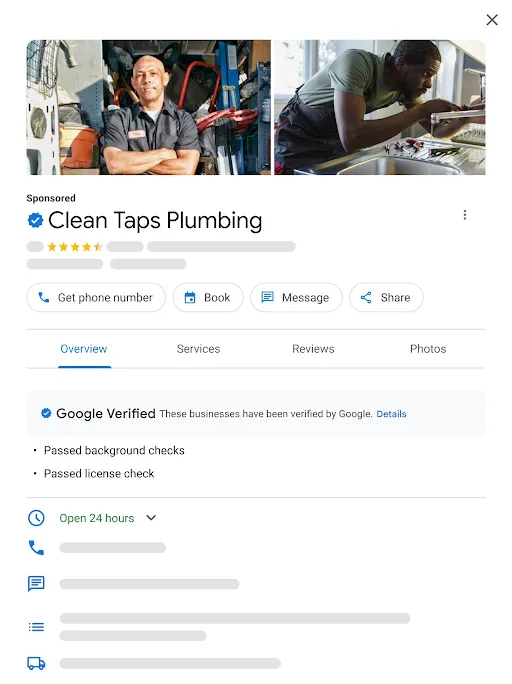
For nearly a decade, LSAs have been the cornerstone of digital marketing for industries ranging from plumbing and HVAC to legal services and real estate. The primary appeal of LSAs has been their placement at the very top of the Google Search Results Page (SERP), appearing even above traditional PPC (pay-per-click) ads. Unlike standard search campaigns, where advertisers pay for every click regardless of the outcome, LSAs operate on a pay-per-lead basis. This means businesses are only charged when a potential customer calls, messages, or books a service directly through the ad.

The move to integrate LSAs into Performance Max campaigns is a strategic consolidation. Performance Max is Google’s goal-based campaign type that allows advertisers to access all of their Google Ads inventory from a single campaign. By introducing a specific "pay-per-lead" goal within PMax, Google is attempting to provide the benefits of its automated bidding and targeting technology while maintaining the unique billing structure that LSA users have come to rely on.
This change is not merely cosmetic. While the ads will continue to appear in their traditional spots—Google Search and Google Maps—the backend infrastructure will now be powered by the same algorithms that drive Google’s most advanced advertising products. This allows for a more unified reporting experience, as advertisers will no longer need to toggle between the separate LSA dashboard and the main Google Ads interface.
Detailed Timeline and Migration Protocol
Google has outlined a phased rollout for this migration to minimize service interruptions for the thousands of businesses that currently depend on LSAs. The transition is expected to occur over an extended period, with the first wave of migrations beginning for specific industries in early August 2026. The company anticipates that the entire global transition will be finalized by the end of 2027, at which point the legacy Local Services Ads dashboard will be fully decommissioned.
The migration process is designed to be automated. Google’s internal systems will handle the transfer of existing campaign settings, including:
- Geographic targeting and service areas.
- Specific service types and business categories (from over 80 available choices).
- Daily and monthly budget limits.
- Ad scheduling and operational hours.
- Business photos and verified profile details.
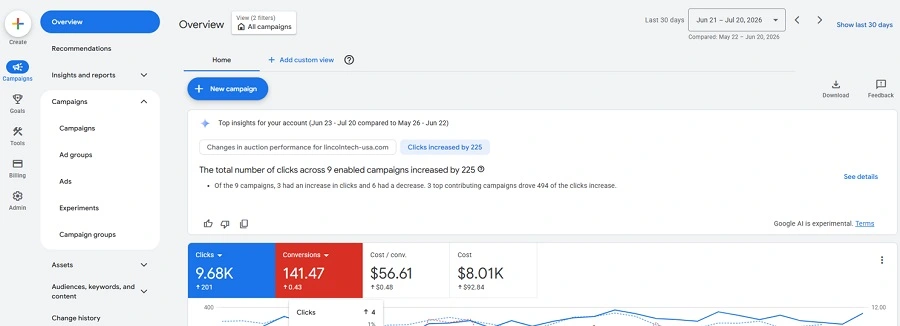
Business owners and account administrators will receive an email notification approximately 14 days before their specific account is scheduled for migration. During this two-week window, advertisers are encouraged to audit their current LSA profiles and ensure all business information is up to date. Once the migration occurs, the legacy dashboard will become inaccessible, and users will be redirected to the Google Ads "Campaigns" overview page. Google has noted that while ads should continue to run without interruption, it may take up to two weeks for performance to stabilize as the PMax algorithms calibrate to the business’s specific lead generation goals.
Core Changes vs. Structural Continuity
To maintain the trust of the service community, Google has clarified which elements of the LSA experience will remain unchanged. Most importantly, the pay-per-lead model remains intact. Advertisers will not be forced into a pay-per-click model for these specific local placements. Furthermore, the rigorous verification process—which includes background checks, license verification, and insurance reviews—will still be a prerequisite. The "Google Guaranteed" and "Google Screened" badges will continue to be displayed on ads, serving as a critical trust signal for consumers.
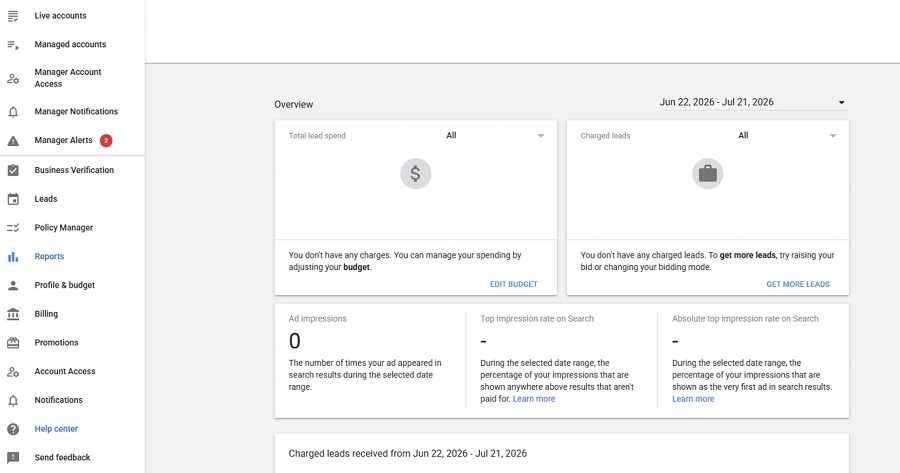
However, the management experience will undergo several changes:
- Unified Interface: All campaign management, from keyword exclusions to budget adjustments, will happen within the Google Ads UI.
- Lead Management: While the LSA dashboard is sunsetting, lead history and recordings will be moved to the "Lead Manager" interface within Google Ads.
- Reporting Integration: LSA performance data will now be viewable alongside other campaign types, such as Search, Display, and YouTube ads, allowing for a more holistic view of marketing ROI.
- Bidding Logic: While the goal is pay-per-lead, the underlying bidding logic will now benefit from PMax’s "Smart Bidding," which uses signals like time of day, user location, and search intent to optimize the likelihood of a high-quality lead.
Official Responses and Industry Analysis
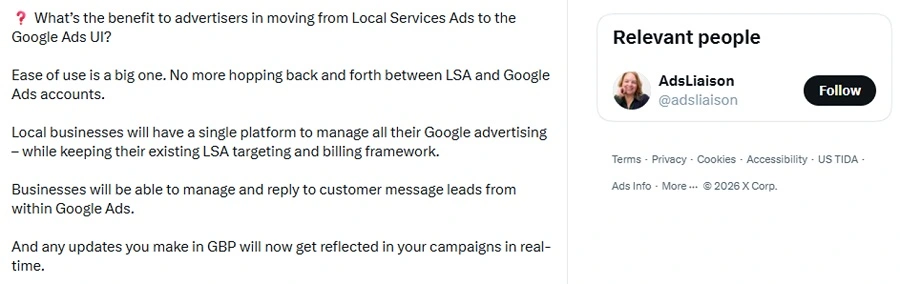
The announcement has garnered a mix of reactions from digital marketing experts and industry leaders. Ginny Marvin, Google Ads Product Liaison, addressed the update on social media, emphasizing the efficiency gains. "No more hopping back and forth between LSA and Google Ads accounts," Marvin stated, highlighting that the consolidation is a direct response to advertiser feedback requesting a more streamlined workflow.
From a strategic standpoint, industry analysts suggest that this move is part of Google’s broader "AI-first" transition. By moving LSAs into PMax, Google can better utilize its vast data sets to match service providers with the most relevant local queries. However, some practitioners have expressed concerns regarding the "black box" nature of Performance Max. Traditional LSAs offered a high degree of transparency regarding which services triggered which leads; there is a lingering apprehension that the automation inherent in PMax might reduce the granular control small business owners currently enjoy.
"For the local plumber or locksmith, the simplicity of the LSA dashboard was a feature, not a bug," noted one digital agency director. "While the integration into Google Ads offers more powerful tools for advanced users, there will be a learning curve for the ‘do-it-yourself’ business owner who is used to a more straightforward interface."
Data Preservation and Preparation Requirements
A critical component of this transition is the preservation of historical data. Google has confirmed that while lead contact details and call recordings will transfer to the new Lead Manager, comprehensive historical performance reports from the old dashboard will not be indefinitely available. The legacy system is scheduled for a total sunset by 2027.
Consequently, Google is advising all LSA advertisers to manually download their historical reports. This data is vital for year-over-year performance analysis and for understanding long-term trends in lead costs and conversion rates. The steps for manual data retrieval involve navigating to the "Reports" tab in the current LSA dashboard and exporting the data into a CSV or PDF format.
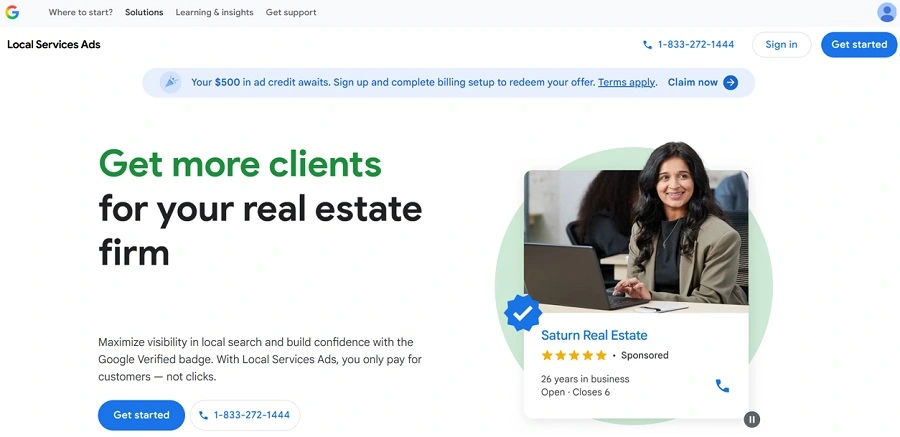
For businesses not currently running LSAs but looking to start, the process remains unchanged for the time being. New accounts should still be initiated through the dedicated Local Services portal (g.co/localservices). Google has indicated that the ability to create new pay-per-lead PMax campaigns directly within the main Google Ads interface will be introduced at a later date, once the migration of existing accounts is well underway.
Broader Implications for the Local Advertising Landscape
The integration of LSAs into the Performance Max framework signals a new era for local search. It suggests that the boundary between "organic" local presence (via Google Business Profiles) and paid local presence is becoming increasingly porous. As Google Business Profile (GBP) data will be the primary source of information for these new PMax campaigns, the importance of maintaining an optimized, highly-rated organic profile has never been higher.
Furthermore, this update may increase competition in the local space. By making LSAs more accessible to those already familiar with the Google Ads interface, a new influx of advertisers may enter the auction. For established service providers, this means that simply having a verified badge may no longer be enough; they will need to engage more deeply with Google Ads’ optimization tools—such as audience signals and creative assets—to maintain their top-of-page visibility.
Ultimately, the transition represents Google’s commitment to a unified advertising product suite. By bringing Local Services Ads into the fold of its most advanced campaign type, Google is betting that the combination of pay-per-lead security and AI-driven optimization will provide a more robust solution for the service industry in an increasingly competitive digital marketplace. Advertisers are encouraged to stay vigilant, monitor their emails for migration notices, and begin the process of data archiving to ensure a seamless transition into the new era of local search advertising.