Why Apple Intelligence Has Become the Primary Catalyst for Hardware Refresh Cycles

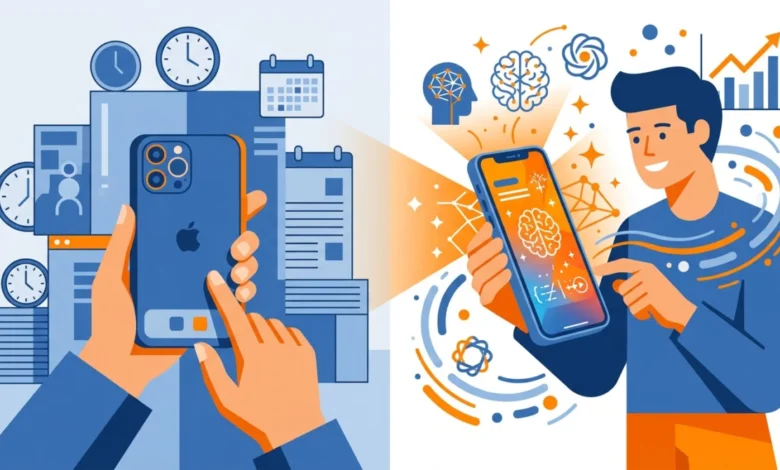
For years, the consumer electronics industry operated on a predictable, linear model of hardware depreciation. Users held onto devices like the iPhone 12 Pro or legacy iPad models long after their official support cycles began to wane, driven by the logic that as long as core applications—web browsers, messaging platforms, and email clients—remained functional, an upgrade was unnecessary. However, the introduction of integrated, on-device artificial intelligence has fundamentally altered this behavioral pattern. The emergence of Apple Intelligence has transformed hardware from a passive vessel for software into an active, prerequisite architecture for modern computational tasks.
The Shift in Hardware Lifecycle Drivers
Historically, smartphone upgrade cycles were dictated by incremental gains: better camera sensors, improved battery chemistry, or aesthetic chassis refinements. According to recent market analysis from firms like Counterpoint Research, the average smartphone replacement cycle in mature markets had stretched to nearly 36 months by 2023. This trend was largely attributed to the plateauing of year-over-year performance gains in mobile processors.
The current integration of Large Language Models (LLMs) and generative AI into mobile operating systems has reversed this stagnation. Unlike standard software updates, which can often be optimized for older hardware, Apple Intelligence requires the Neural Engine capacity found in the A17 Pro chip and later iterations. This hardware dependency has created a "functional obsolescence" for millions of users who previously felt no pressure to upgrade. For consumers and enterprises alike, the decision to refresh a device is no longer based on whether the device "works," but whether the hardware is capable of executing the next generation of AI-driven productivity tools.
The AltaVista Phase of Artificial Intelligence
Industry analysts frequently compare the current state of generative AI to the nascent web of the mid-1990s. During the era of AltaVista and Geocities, the internet was a deliberate, manual destination. Users were required to navigate to specific portals, execute precise queries, and manually transport data between environments. This mirrors the current user experience with many third-party AI tools: the "copy-paste" workflow.
This period of "clumsy integration" is expected to be short-lived. Just as the web evolved from a destination to an ambient layer of the digital experience, AI is currently transitioning from a standalone, prompt-based tool into a seamless component of the operating system. Over the next 24 to 36 months, experts anticipate that the need for explicit, manual prompts will diminish as systems become increasingly contextual and ambient. The current friction—the need for users to manually move text from a document into a chatbot—is widely considered an indicator of a nascent technology that is currently undergoing rapid maturation.
Privacy Protocols and Data Sanitization
As AI tools become more deeply embedded in professional workflows, the intersection of privacy and utility has become a primary point of contention. The risk of proprietary data being ingested into public-facing Large Language Models has necessitated the adoption of rigorous data-anonymization protocols. Industry best practices now mandate that professionals treat every cloud-based interaction as a potential contribution to a public training set, regardless of privacy policies.
To mitigate these risks, organizations are increasingly adopting a "Sanitize-Before-Paste" framework. This involves four critical steps:
- Role Substitution: Replacing specific names of individuals with generalized roles to maintain the context of a situation while obscuring identities.
- Contact Scrubbing: Removing direct email addresses and phone numbers that could serve as identifiers.
- Assumptive Privacy: Operating under the assumption that all data transmitted to a cloud-based AI service is stored and utilized for future model training.
- Final Auditing: Performing a secondary review to ensure no residual identifying information remains that could lead to the de-anonymization of the content.
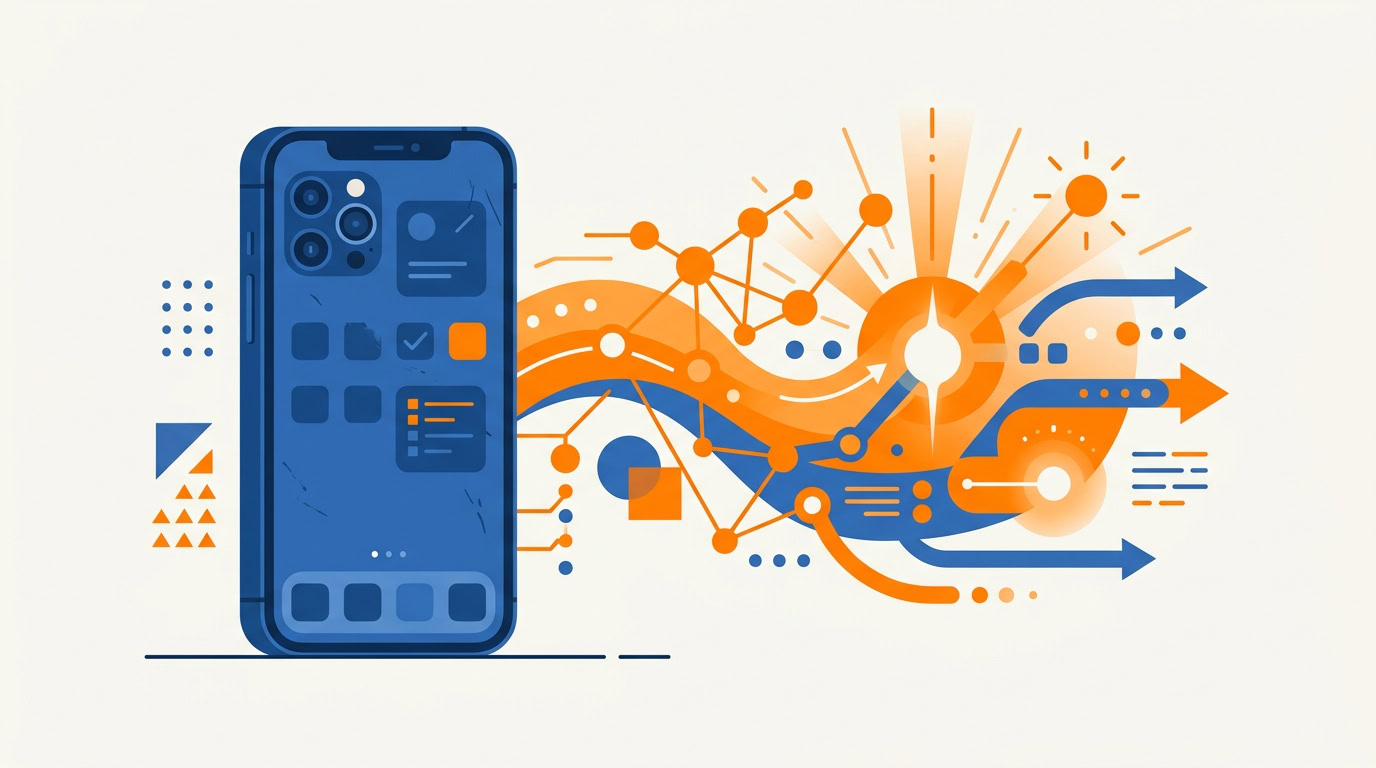
Apple’s stated strategy for Apple Intelligence, which emphasizes on-device processing and "Private Cloud Compute," is a direct response to these professional concerns. By keeping personal data—such as calendar entries, photos, and messages—on the device, Apple seeks to provide AI functionality without exposing sensitive information to third-party servers.
The Personal LLM and Localized Computation
A pivotal development in this landscape is the concept of the "Personal LLM." Unlike general-purpose cloud models, which are trained on vast, non-specific internet datasets, a Personal LLM leverages the specific, unique data already residing on a user’s device. By processing notes, app history, and behavioral routines locally, the device can provide highly accurate, contextual automation that cloud models cannot replicate.
This localized approach offers significant advantages in professional environments where data residency is a concern. When AI operates on-device, it maintains a persistent understanding of a user’s habits—such as preferred communication styles or recurring meeting cadences—without the privacy risks associated with uploading that data to a third-party server. This "privacy-first" path is increasingly becoming the preferred method for integrating AI into workflows involving sensitive intellectual property.
Native Integration vs. The "Round-Trip" Workflow
The transition from external AI tools to native operating system integration marks a significant leap in productivity. By embedding features such as automated summarization, text rewriting, and smart inbox triage directly into native applications like Mail, Notes, and Photos, developers are effectively eliminating the "round-trip" friction of copying and pasting.
For example, current iterations of Apple Mail utilize on-device intelligence to provide summaries of email threads within the inbox list, allowing users to prioritize communication without opening individual messages. Similarly, the integration of generative tools into office suites allows for real-time document drafting that remains contained within the application’s ecosystem. This shift is not merely cosmetic; it represents a move toward "ambient assistance," where the software anticipates the user’s needs based on the context of the work currently being performed.
Broader Implications for Enterprise and Desktop Management
The impact of this technological shift extends beyond mobile devices. With the release of macOS Sequoia, Apple has introduced native window-tiling capabilities, effectively incorporating functionality that was previously the domain of third-party utility applications like Moom or BetterSnapTool. This indicates a broader strategy to consolidate essential productivity features into the core OS, reducing the reliance on third-party software that may not meet modern security or privacy standards in corporate environments.
Furthermore, the automation of communication—such as the scheduling of messages via iOS—is beginning to change how professionals plan their outreach. By utilizing weekly planning blocks to draft and schedule messages, users can maintain a high level of responsiveness without sacrificing the quality of their interactions or the sanctity of their time.
Conclusion: Evaluating the Next Refresh Cycle
For the modern professional, the question of whether to upgrade hardware is no longer a matter of simple performance metrics. It is a strategic assessment of whether one’s current toolset supports the necessary infrastructure for AI-driven productivity. As the industry shifts toward on-device processing, privacy-conscious data handling, and native AI integration, the "it works fine" argument for keeping older hardware is becoming increasingly obsolete.
The path forward for users is to move away from over-analyzing technical specifications and toward active experimentation. By selecting one or two ordinary, high-friction tasks—such as inbox triage, document summarization, or message scheduling—and running them through native AI workflows, users can begin to quantify the productivity gains offered by these new systems. In an era where AI is becoming the primary driver of hardware innovation, the most significant productivity tool is no longer the processor itself, but the user’s ability to integrate these capabilities into a secure, efficient, and intentional daily routine.