
For any ecommerce enterprise reliant on recurring revenue models, subscription churn serves as the primary metric for gauging long-term health and customer satisfaction. While initial acquisition figures often dominate marketing discussions, the true profitability of a subscription-based business is anchored in the ability to retain customers over extended periods. Managing churn is not merely an exercise in damage control; it is a sophisticated method of strengthening customer relationships and optimizing the lifetime value of every subscriber. By categorizing churn into actionable segments and applying systematic recovery protocols, merchants can move from reactive mitigation to proactive growth.
The current landscape of ecommerce subscriptions has evolved significantly over the past decade. As market saturation increases across various sectors—from subscription boxes to SaaS-based product refills—the cost of acquiring a new customer has risen by approximately 60% since 2013. Consequently, the fiscal responsibility of a merchant has shifted toward maximizing the duration of existing subscriptions. When recurring revenue metrics fluctuate, data-driven analysis becomes the most reliable tool for identifying whether the issue lies in product-market fit, fulfillment logistics, or billing friction.

Understanding the Dual Metrics of Churn
To effectively manage a subscription business, one must distinguish between subscriber churn and revenue churn. Subscriber churn measures the raw percentage of users who opt out of a service within a specific timeframe. Revenue churn, conversely, measures the actual loss of recurring income associated with those departures.
These two metrics rarely mirror each other. If a merchant operates a tiered pricing model—for instance, plans at $29, $49, and $99—a departure of 50 subscribers on the premium tier results in a significantly higher revenue impact than the same number of departures from the entry-level tier. For example, if 1,000 subscribers generate $50,000 in monthly recurring revenue (MRR), the loss of 50 premium subscribers represents a 5% loss in total customers but nearly 10% of total revenue. This discrepancy is a vital diagnostic signal: when revenue churn significantly outpaces subscriber churn, it indicates that the business is losing its most valuable, high-intent customers, necessitating an immediate investigation into the value proposition of the premium offering.
Chronology of a Subscription Lifecycle
The subscription journey typically follows a predictable cadence, and intervention points should be mapped accordingly. The process generally begins at the point of signup, followed by the initial fulfillment, subsequent renewals, and eventual potential churn.

- Onboarding (0-30 days): This phase is critical for establishing habits. High churn here often points to a mismatch between marketing promises and the actual product experience.
- Growth (30-90 days): As the subscriber moves through the first three cycles, the focus shifts to operational efficiency and billing reliability.
- Retention (90+ days): By this stage, the customer has integrated the product into their lifestyle. Churn here is often caused by external factors or life-stage changes, requiring different intervention strategies.
By segmenting customers based on where they fall in this chronology, merchants can determine whether a cancellation is a "failure to launch" or a "natural expiration."
Categorizing the Drivers of Churn
To resolve churn, merchants must identify the underlying cause. Industry analysts typically classify these into four distinct categories, each requiring a tailored response strategy.
1. Payment Recovery
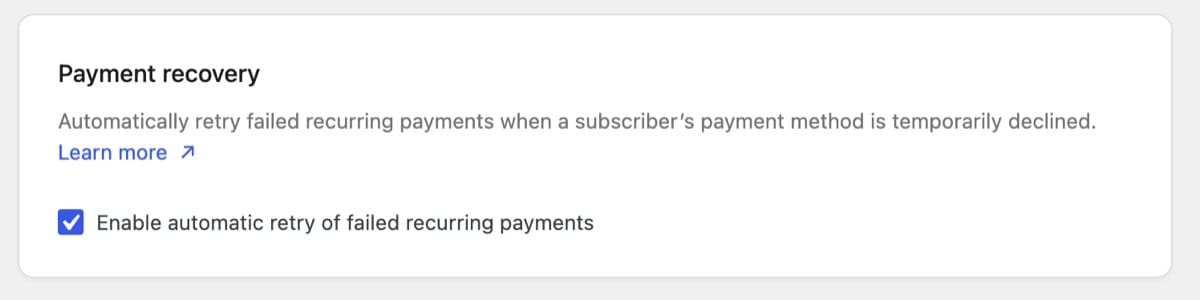
Often referred to as "involuntary churn," this occurs when a payment method fails due to expired cards, insufficient funds, or technical banking errors. Research indicates that up to 25% of all subscription cancellations are technically avoidable, as the user did not intend to end the service. Merchants are increasingly utilizing automated retry logic and, in the case of platforms like WooCommerce Subscriptions, integrating automated notifications that alert users to update their credentials without interrupting service.
2. Plan or Product Mismatch
This category captures customers who value the brand but find the current parameters of their subscription restrictive. They may be receiving too much product, requiring a lower frequency of delivery, or seeking a different price point. Flexible self-service portals that allow users to pause, skip a delivery, or switch plans are essential. Providing these options acts as a safety valve, preventing a permanent exit when a temporary adjustment would have sufficed.
3. Subscription Experience Failures
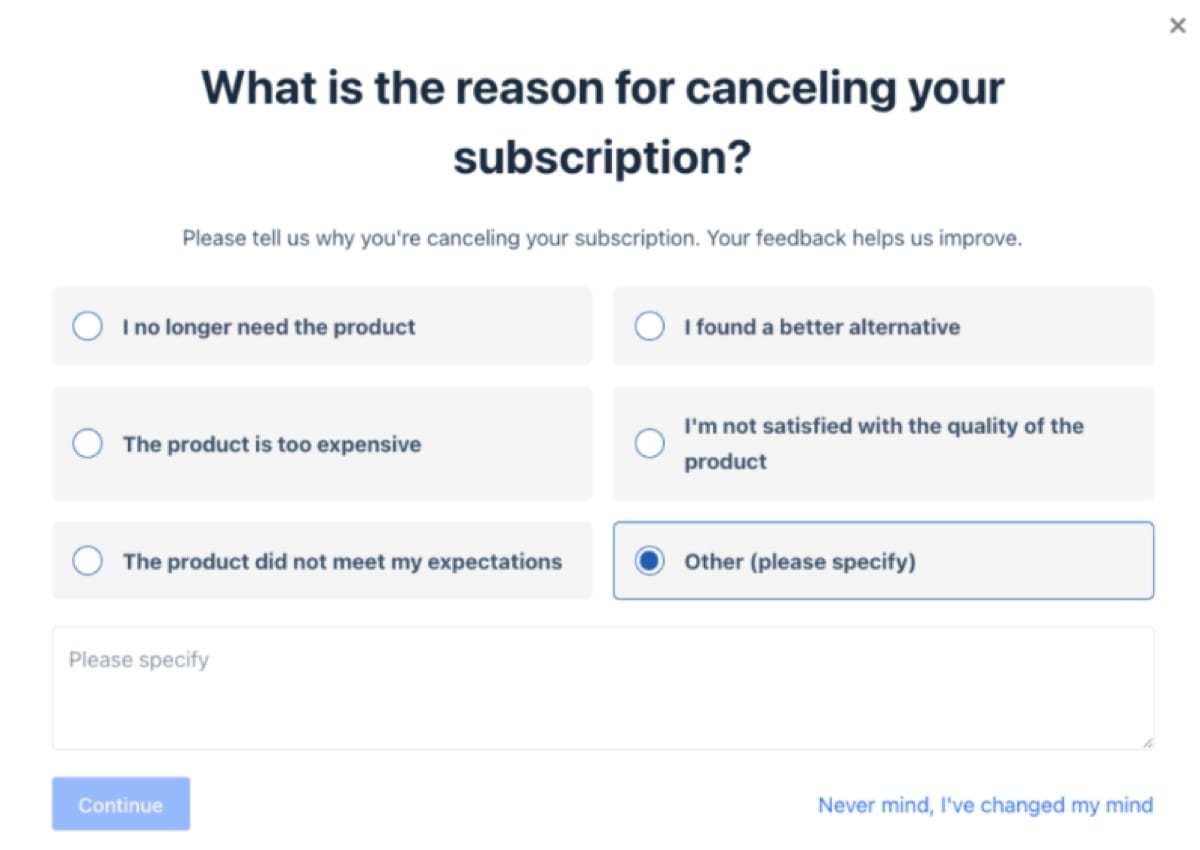
These instances are rooted in tangible shortcomings: damaged shipments, poor customer support interactions, or stock shortages. Unlike payment issues, these are operational failures that require deep-dive analysis into fulfillment workflows. By implementing cancellation surveys, merchants can gather qualitative data to isolate which warehouses, carriers, or products are underperforming.
4. Natural Cancellations
Not all churn is preventable. A customer who outgrows a specific product—such as a parent whose child has moved past a specific diaper size—is a natural churn event. In these instances, the goal is not to force a retention attempt that will likely fail, but to preserve the brand relationship for future re-engagement. "Win-back" campaigns, triggered by CRM systems like AutomateWoo, can be timed to reach out to these customers months or years later, when their needs may have shifted back into alignment with the company’s offerings.
The Role of Advanced Analytics and AI
Modern ecommerce platforms are increasingly incorporating data-driven tools to assist in churn mitigation. The process begins with a quarterly audit of all subscription exits. By extracting transaction logs and sorting them by renewal number, product type, and cancellation reason, merchants can visualize the "leaks" in their revenue funnel.
The emergence of AI-driven analysis has further accelerated this process. Merchants can now feed anonymized, cleaned datasets into AI models to identify high-level trends—such as a specific cohort of users who consistently cancel after the fourth renewal. When utilizing AI for this purpose, it is imperative to adhere to strict data privacy standards, ensuring that no personally identifiable information (PII) is uploaded to third-party platforms.
The Strategic Path Forward
Reducing churn is an iterative process, not a singular project. The most effective approach is to select one specific area of the funnel—for instance, improving the success rate of failed payment retries—and implementing a targeted change. Once that metric improves, the merchant can pivot to the next highest-impact issue.

This strategy requires a departure from the "one-size-fits-all" retention mindset. Instead, businesses must view the customer relationship as a fluid, ongoing dialogue. By providing customers with agency—the ability to pause, modify, or provide feedback—merchants create a more resilient business model.
In conclusion, while total elimination of churn is impossible in any recurring revenue model, the goal is to differentiate between the customers who are fundamentally dissatisfied and those who simply require more flexibility. By leveraging modern tools to diagnose the specific cause of departures and taking decisive, targeted action, businesses can effectively protect their recurring revenue streams and build a more sustainable, long-term foundation for growth. As the digital economy continues to prioritize customer lifetime value over rapid, short-term acquisition, the merchants who excel at retention will be the ones who define the future of ecommerce.