Mastering Digital Minimalism and AI-Driven Productivity in the Modern Workplace


The contemporary professional landscape is undergoing a profound transformation as individuals and corporations alike grapple with the dual challenges of digital distraction and the rapid integration of artificial intelligence. While the "dumb phone" movement has gained traction as a reactionary measure to smartphone saturation, evidence suggests that systemic behavioral adjustments and the strategic adoption of outcome-oriented AI tools offer a more sustainable path toward operational efficiency. By reevaluating the relationship between human intent and technological infrastructure, professionals are discovering that productivity is less about hardware restriction and more about the deliberate design of digital ecosystems.
The Feedback Loop: Measuring Digital Consumption
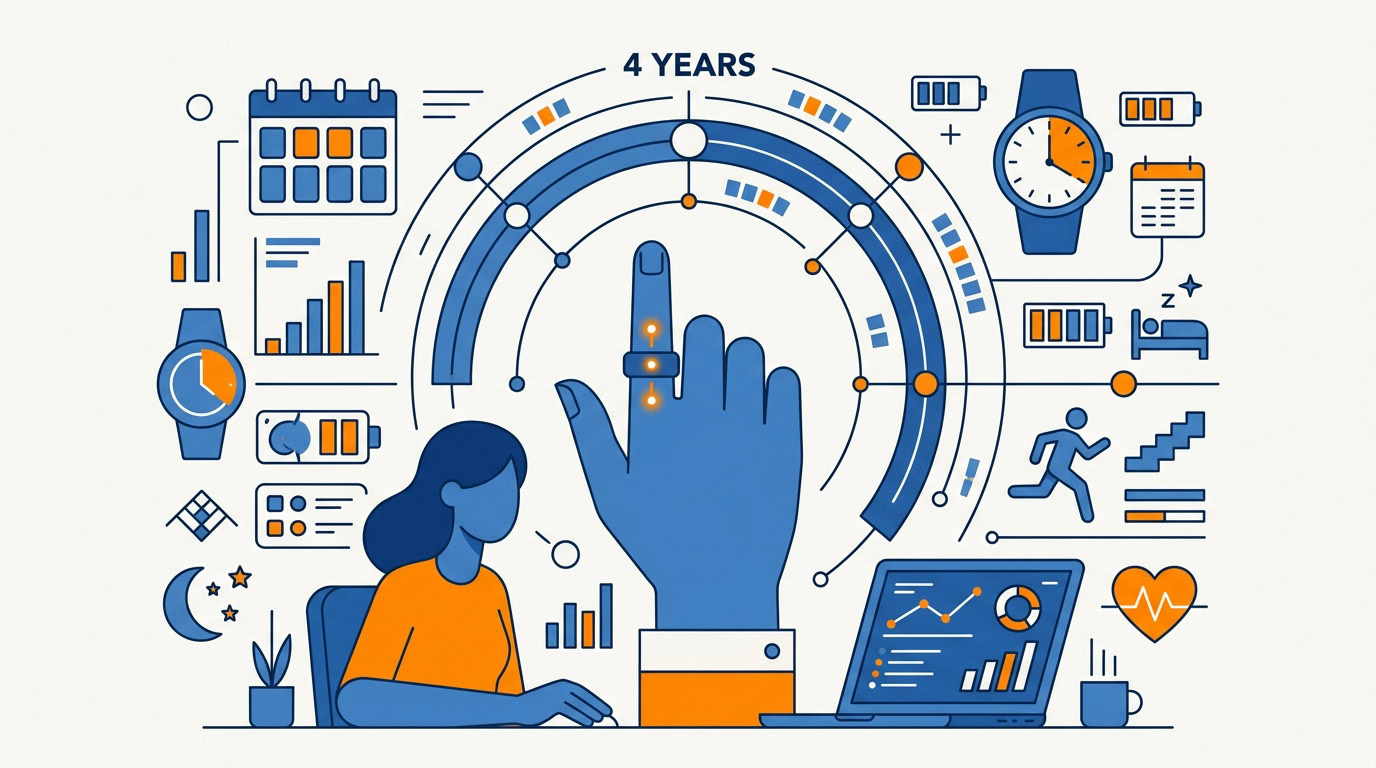
Data analysis from the past four years confirms that passive awareness of digital habits is insufficient to drive behavioral change. Much like health metrics—such as those tracked by biometric wearables like the Oura Ring—digital screen time data only becomes actionable when subjected to consistent, long-term observation. A single day of data provides an outlier, but a seven-day audit establishes a baseline.
Research from behavioral science indicates that the "feedback loop" is the primary driver of habit formation. When users monitor their screen time—specifically the time spent on non-essential applications like social media—without the immediate pressure of judgment, they naturally begin to align their behavior with their intended goals. This process mirrors the "Time Audit" methodology, where professionals track their hours to identify discrepancies between their stated priorities and their actual time allocation. By merely observing usage patterns for one week, individuals often report a spontaneous decline in screen time as the conscious mind begins to regulate unconscious consumption habits.
Compartmentalization: The Device-Role Framework
The core strategy for regaining focus involves assigning a specific "job" to each piece of technology. This methodology, rooted in the principles of environmental design, posits that our brains associate specific devices with specific states of mind.
The framework suggests a tiered approach to device utility:
- The Entertainment Hub: Tablets and secondary devices should be restricted to passive consumption, such as streaming services or media reading, and stripped of all work-related communication tools.
- The Communication Conduit: Smartphones, while necessary for modern logistics—such as two-factor authentication, digital mapping, and building access—should be treated as communication-only tools. By removing email, Slack, and news applications, the device ceases to be a source of constant cognitive interruption.
- The Deep Work Station: Computers remain the primary interface for intensive, value-added labor. By centralizing high-cognitive-load tasks, such as email management and project execution, to the computer, users create a "geographic" boundary for their productivity.
Reimagining the "Dumb Phone" Movement
The trend toward analog flip phones is increasingly viewed as a technical overcorrection. While these devices eliminate distraction, they also remove critical utility required for modern professional life. A recent analysis of productivity infrastructure suggests that maintaining a standard smartphone while stripping away the "distraction layer" yields 90% of the benefits of a dumb phone without the operational friction.
Key steps for this digital recalibration include:
- Spatial Friction: Physically placing devices in separate rooms during designated deep-work blocks to prevent reflexive usage.
- App Minimalism: Performing an aggressive audit to delete any application that does not serve a core utility function, such as navigation, security, or essential communication.
- Notification Management: Restricting push notifications to a bare minimum, ensuring that the device only demands attention for urgent, time-sensitive matters.
Corporate Incentives and the Performance Paradox
Beyond individual habits, the structural failures within large organizations often stem from misaligned incentives. Organizational experts have noted a trend of "performative productivity," particularly in the technology sector, where the metrics for managerial success are often tied to headcount rather than output. When managers are rewarded for expanding the size of their teams, they may inadvertently foster a culture where employees are tasked with low-impact projects solely to justify the existence of their department.
This creates a "busy-work" cycle where the appearance of productivity is prioritized over the creation of genuine value. When an organization’s primary incentive is to "look busy," the resulting culture inevitably struggles with inefficiency. Addressing this requires a top-down evaluation of key performance indicators (KPIs) to ensure that output is measured by objective value creation rather than hours logged or the complexity of internal reporting.
The Shift from Tool Access to Outcome Delivery
The evolution of Software-as-a-Service (SaaS) is entering a new phase: "Software-Provides-a-Service." In the traditional model, a user pays for a license to access a tool—such as an audio editor—and must then perform the manual labor required to reach an outcome. The current shift toward AI-integrated platforms allows the software to deliver the finished outcome directly.
This change is most visible in content creation and data synthesis. For example, rather than utilizing editing software to manually remove filler words from a podcast, modern AI applications perform this task automatically. This transition represents a shift in value from the utility of the tool to the efficiency of the result. Professionals who recognize this shift can significantly reduce the "time-to-outcome" ratio, effectively automating repetitive tasks that previously consumed the majority of the workday.
The Future of Data-Driven Strategy
The integration of AI into corporate strategy offers a potential solution to the "Hippo Bias"—the tendency for organizations to defer to the "Highest Paid Person’s Opinion" rather than objective data. By leveraging internal data sets—including CRM records, project management wikis, and historical performance metrics—AI systems can suggest strategic directions and quarterly goals based on historical reality rather than subjective intuition.
As AI tools become increasingly invisible and ubiquitous, the competitive advantage will go to those who treat these systems as a core component of their professional infrastructure. The learning curve for these tools is flattening, and experts suggest that dedicating as little as one hour per week to understanding new AI capabilities can provide a significant edge.
Implications and Conclusion
The intersection of digital minimalism and AI integration points toward a future where human cognitive resources are preserved for high-level decision-making, while the "noise" of digital existence is minimized. The shift requires a transition from reactive consumption to intentional design.
As corporations and individuals alike navigate this transition, the imperative remains the same: audit the tools, clarify the incentives, and prioritize outcomes over access. By turning on the screen time dashboard tonight, one does not merely engage in an act of monitoring; they begin the process of reclaiming agency in an age of constant digital stimulation. The goal is not the total abandonment of technology, but rather the creation of a system where technology serves the user’s objectives, not the other way around. Through the deliberate application of these principles, the modern professional can achieve a higher degree of focus, improved work-life integration, and a more robust, data-driven approach to their daily output.