Navigating Long-Term Recovery and Maintaining Productivity During Health Setbacks


When a recovery timeline in front of you looks long, it is worth researching how to support it along the way; you have to change how you work on low-energy days. The intersection of physical rehabilitation and professional productivity represents a significant challenge for the modern workforce, particularly as the prevalence of burnout and physical injury continues to rise in sedentary, desk-bound environments. Chronic or acute health setbacks often disrupt established professional workflows, necessitating a pivot from standard operating procedures to adaptive, energy-conscious methodologies.
The Anatomy of a Recovery Setback
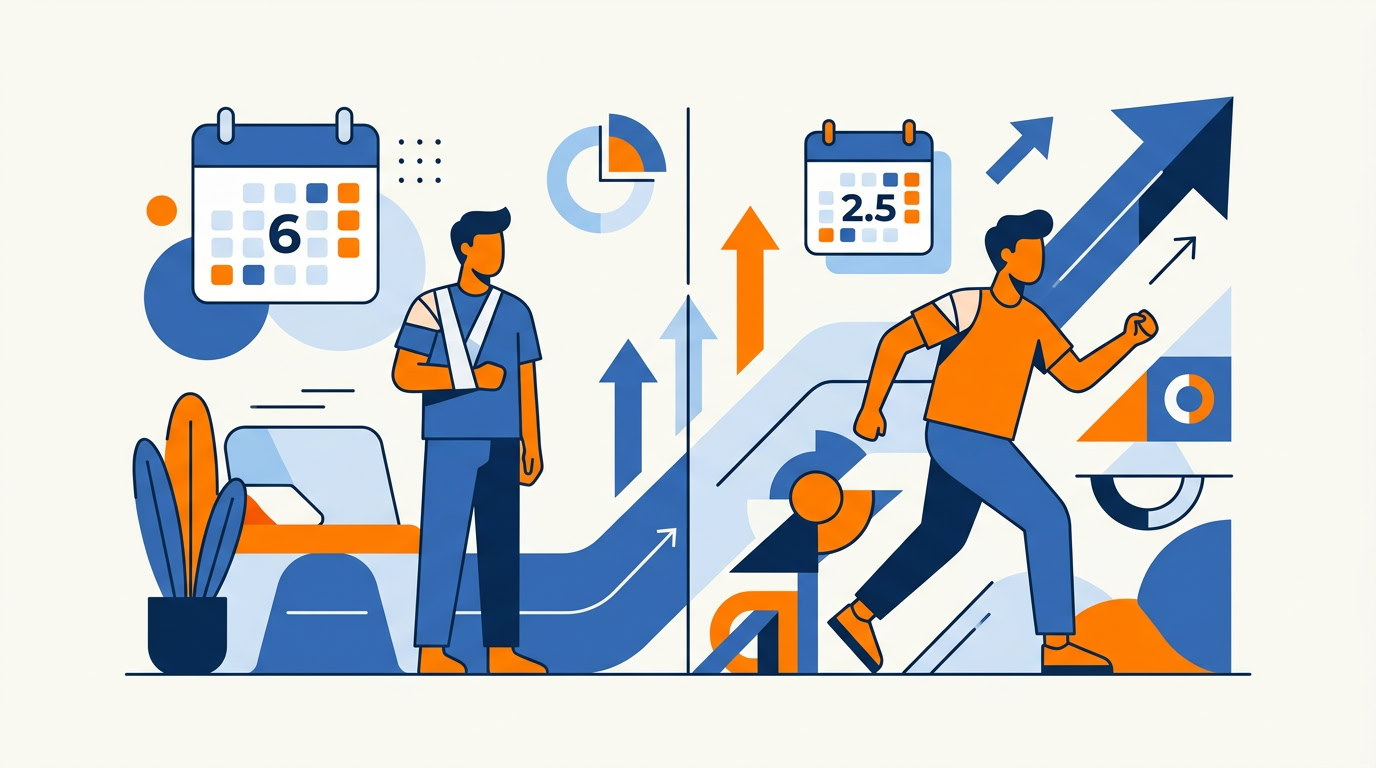
A recovery timeline, whether surgical or injury-related, is rarely a linear trajectory. Data from orthopedic rehabilitation studies suggest that the psychological burden of recovery—often termed "rehab fatigue"—can be as debilitating as the physical limitation itself. Patients who experience prolonged immobilization often report a significant decrease in cognitive bandwidth, as the body redirects metabolic resources toward tissue repair.
For many professionals, the initial response to injury is an attempt to maintain pre-injury productivity levels. However, medical experts argue this approach is counterproductive. By attempting to force high-output performance during a recovery phase, individuals risk extending the duration of their injury. A strategic approach involves acknowledging that physical limitations act as a temporary state, not a permanent professional baseline. This shift in mindset, which emphasizes the temporal nature of setbacks, has been shown to reduce cortisol levels and improve recovery adherence.
Evidence-Based Approaches to Circulation and Healing
Modern recovery protocols have evolved significantly beyond simple rest. Emerging research into blood flow stimulation highlights the role of localized oxygenation in accelerating the healing of musculoskeletal tissues. For patients confined by casts or mobility aids, maintaining blood flow to the affected area is a primary clinical goal.
Technological interventions such as Transcutaneous Electrical Nerve Stimulation (TENS) units and electromagnetic muscle stimulation devices (such as PowerDot) have entered the mainstream as tools for home-based physical therapy. These devices generate micro-contractions in muscle tissue, which clinical studies indicate can assist in mitigating muscle atrophy and promoting venous return. Furthermore, low-level laser therapy, commonly referred to as red light therapy, has been evaluated in various clinical settings for its potential to stimulate cellular mitochondrial function, potentially reducing inflammation and pain levels.
However, medical professionals caution that these interventions are not universal. Any application of electrical stimulation or light therapy should be subject to a formal review by an attending physician or a licensed physical therapist to ensure the stimulation does not exacerbate the underlying trauma.
The "Ambidextrous Advantage" and Skill Acquisition
Periods of forced physical downtime provide a unique, if involuntary, opportunity for professional diversification. When a dominant limb is immobilized or a physical routine is disrupted, individuals are often forced to engage in "compensatory skill building." This phenomenon, dubbed the "ambidextrous advantage," allows professionals to develop secondary proficiencies that were previously neglected due to the convenience of established habits.
For instance, an individual unable to utilize their dominant hand may, out of necessity, refine their keyboard shortcuts, voice-to-text dictation capabilities, or administrative delegation processes. These secondary skills often remain in the professional toolkit long after the initial injury has resolved, ultimately enhancing overall workplace efficiency. By consciously choosing to train these neglected areas during recovery, the individual transforms a limitation into a period of intentional skill development.
Adjusting Workflow Systems for Low-Energy States
The cognitive load required for traditional task management—such as the Eisenhower Matrix—can become overwhelming during periods of physical trauma. The effort required to categorize, prioritize, and re-sort a backlog of tasks often exceeds the available energy of an individual currently fighting an immune response or managing pain.
A more effective framework during recovery is the "Injury-Adjusted ABC Method." In this model, the volume of high-priority (A) tasks is strictly capped, often to a limit of one or two items per day. This approach prevents the "scattered effort" phenomenon, where a high volume of low-quality work is performed, leading to cognitive exhaustion and subsequent burnout. By focusing on a single, high-quality objective, the individual respects their physiological constraints while maintaining a sense of progress.
Logistics and Behavioral Optimization
Physical constraints require a re-evaluation of basic movement patterns. The energy cost of frequent standing, walking, or transitioning between seated and standing positions is often underestimated. To mitigate this, a "batching" strategy for daily logistics is highly recommended.
By grouping essential tasks—such as hydration breaks, nutritional intake, and administrative errands—into a single block, individuals can reduce the total number of physical transitions throughout the workday. This conservation of physical energy is critical for maintaining cognitive focus for the remainder of the day.
Furthermore, the integration of generative AI into personal fitness planning has provided a significant advantage for those with mobility restrictions. By inputting specific movement constraints into an AI model, users can generate a customized 5-day training program that works around their injury. This minimizes the time spent on manual research and allows for a safer, more structured approach to maintaining physical fitness without risking re-injury.
Prevention as the Primary Strategy
While recovery management is essential, the long-term goal for the high-performing professional is the establishment of "health backups." Similar to data redundancy in computing, health backups include consistent sleep hygiene, optimized nutrition, and a regular, non-negotiable movement routine.
The economic and professional costs of recovery are substantially higher than the costs of preventative maintenance. Data indicates that professionals who prioritize proactive health measures—such as regular diagnostic screenings, ergonomic assessments, and consistent strength conditioning—report fewer "lost days" to injury over the course of their careers.
Broader Implications for the Future of Work
The shift toward flexible, adaptive work environments suggests that the future of productivity will be defined by the ability to manage personal constraints. Organizations that normalize the need for "recovery-adjusted" workflows see higher retention rates and reduced burnout. As the workforce ages, the ability to adapt to temporary health limitations without sacrificing professional output will become a critical leadership competency.
Ultimately, a setback is not a pause button on one’s career, but a forced recalibration of one’s system. By treating the body with the same rigorous, analytical oversight applied to professional projects, individuals can transform periods of vulnerability into opportunities for systems optimization. The evidence is clear: the most resilient professionals are those who have already documented their past successes and are prepared to apply that same analytical rigor to their current limitations. When a challenge feels endless, the act of listing three previously overcome obstacles serves as both a psychological anchor and a tactical reminder of one’s capacity for resolution. Through intentional adjustment, physical recovery can exist alongside, and even inform, sustained professional excellence.