The Philosophy of One Tweak a Week: Sustainable Productivity Through Incremental Change

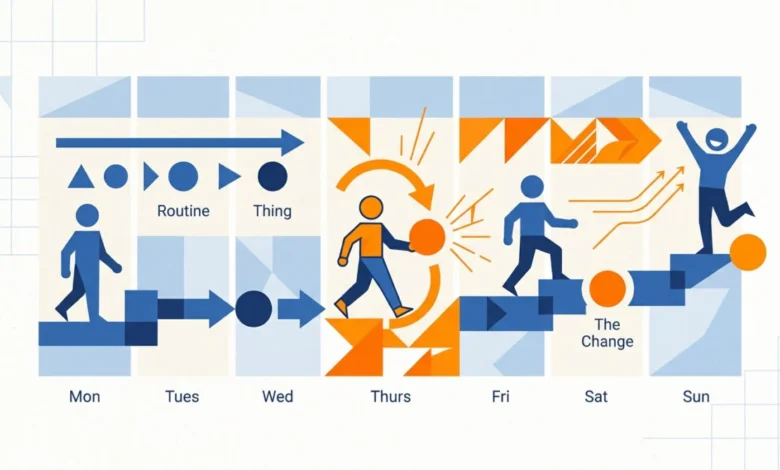
The modern professional landscape is frequently defined by the desire for immediate, total transformation. Productivity enthusiasts often attempt to overhaul their entire operating systems over a single weekend, installing a suite of new applications, adopting rigorous morning routines, and restructuring their digital environments simultaneously. However, behavioral psychologists and productivity experts at Asian Efficiency argue that this "all-at-once" approach is inherently flawed. The friction generated by sudden, radical shifts in behavior often leads to high failure rates, as the brain struggles to adapt to multiple stressors simultaneously. Instead, the "One Tweak a Week" methodology advocates for the implementation of a single, small, and sustainable change per week. By minimizing friction, these incremental adjustments compound over time, leading to significant, lasting improvements in personal efficiency without the burnout associated with comprehensive system overhauls.
The Psychology of Behavior Change and Cognitive Load
Behavioral science indicates that willpower is a finite resource. When individuals attempt to modify multiple habits at once, they experience "decision fatigue," which depletes the cognitive energy required to sustain those changes. The One Tweak a Week philosophy is rooted in the concept of lowering the threshold of entry for new habits. By focusing on a single, manageable adjustment, an individual can successfully navigate a demanding work week without abandoning their new system.
Data from the productivity sector suggests that habit formation is most successful when the complexity of the task is inversely proportional to the frequency of the behavior. When a task is simple—such as using a physical tool to track time or automating a single digital routine—the likelihood of long-term adherence increases significantly. This strategy effectively bypasses the psychological resistance that typically follows the initial enthusiasm of a "new start."
The Physical Anchor Principle: Tactile Feedback in a Digital World
A core component of this incremental approach is the "Physical Anchor" principle. In an era where work is almost entirely digitized, the reliance on intangible software solutions can create a sense of detachment and "digital anxiety." The constant checking of digital notifications and internal system clocks can inadvertently increase cognitive load.
Research into human-computer interaction suggests that tactile feedback provides a grounding effect that digital interfaces often lack. For instance, replacing a digital timer with a physical hourglass during a Pomodoro focus session provides a visual, moving representation of time that is non-intrusive. Unlike a digital countdown that may trigger an alarm or demand attention, the movement of sand serves as a passive, soothing indicator of elapsed time.
Similarly, the use of physical wall calendars for high-level planning serves as a strategic tool to reduce mental clutter. By offloading major milestones—such as travel dates, quarterly deliverables, and holidays—to a visible, physical surface, professionals can maintain a broad perspective of their year without the constant toggling between digital apps. This practice ensures that daily planning remains within the digital workspace while long-term strategy remains anchored to the environment, preventing the "app-switching" fatigue that characterizes many modern workflows.
Automating the Workflow: The Macro-Pad Revolution
The cost of context-switching is a significant, often overlooked drain on professional productivity. Each time a worker manually opens an application, repositions windows, or adjusts microphone settings for a meeting, they expend a small but cumulative amount of mental energy. This "setup tax" is the primary source of friction in daily operations.
Recent trends in office hardware have seen a rise in the use of physical macro-pads, such as the Elgato Stream Deck, to mitigate this tax. By mapping complex, multi-step routines to a single physical button, users can transition between "work modes" instantly. For example, a "Morning Setup" button can trigger the simultaneous opening of email, task managers, and project boards, while a "Meeting Mode" button can manage audio and screen-sharing configurations.
Industry analysts observe that such automation is no longer reserved for software engineers or specialized media creators; it has become a standard productivity lever for anyone managing a complex digital stack. By reducing the manual labor of starting the day, individuals can preserve their focus for the tasks that actually generate value, rather than the administration of the workstation itself.
Environmental Optimization: Sleep and Physical Recovery
True productivity is not merely a function of time management, but of biological capacity. The integration of "productivity tools" into the physical environment—specifically regarding sleep and recovery—is a growing trend among high-performance professionals.
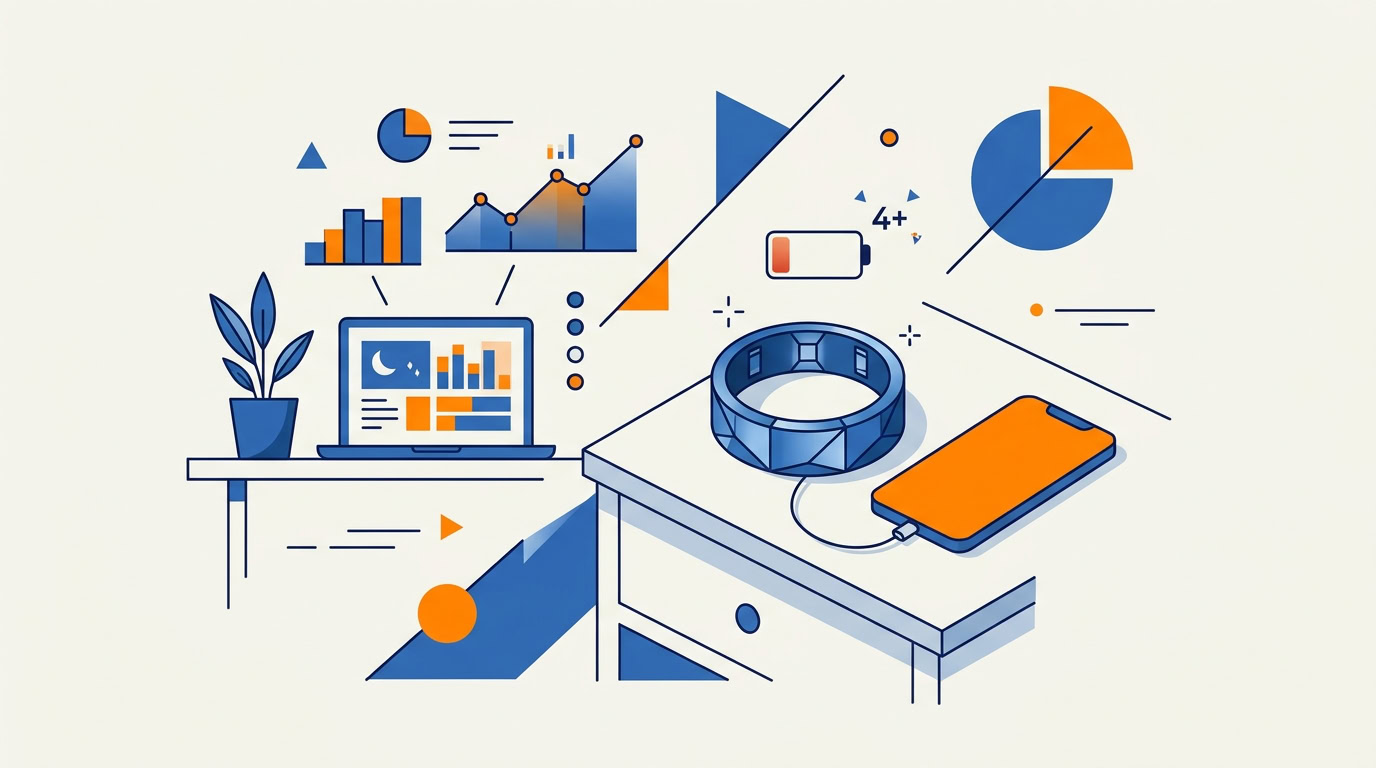
The adoption of temperature-controlled sleep systems, such as the Eight Sleep Pod, represents a pivot toward optimizing biological hardware. Clinical research has long established the link between core body temperature and the onset of REM sleep. Systems that dynamically adjust temperature to facilitate deep sleep and assist in the arousal process can yield significant improvements in cognitive function and daytime energy levels. When viewed as an investment in "human capital," the return on investment for such hardware is high, as it directly impacts the baseline energy available for the following day’s work.
Furthermore, the concept of "active recovery" is gaining traction. The use of recovery-focused footwear, such as OOFOS slides, after physical activity is increasingly categorized as a productivity habit. By prioritizing the physical health of the "machine"—the body—professionals are finding that they can sustain higher output levels over longer periods. This holistic view of productivity acknowledges that cognitive output is inextricably linked to physical health and systemic recovery.
Nutritional Efficiency: Managing the Afternoon Slump
Dietary habits represent a final frontier in personal productivity. The "afternoon slump," often fueled by high-sugar, low-protein snacks, is a common occurrence in office environments. Experts at Asian Efficiency suggest that by replacing traditional, calorie-dense, low-nutrient snacks with high-protein alternatives—such as homemade protein ice cream—individuals can stabilize their blood sugar levels.
The shift toward homemade, protein-rich alternatives is not merely a health preference; it is a tactical choice to prevent the post-lunch energy crash. By ensuring that dietary choices support, rather than hinder, mental clarity, professionals can maintain a more consistent level of performance throughout the later hours of the workday.
The Strategic Audit: AirTags and Asset Management
Beyond personal performance, the management of physical assets is a frequent source of cognitive load. The loss or misplacement of essential items—keys, luggage, or equipment—triggers a disproportionate amount of stress and lost time. The deployment of tracking technology, such as Apple AirTags, acts as an externalized memory.
An audit of "lost-item pain points" allows individuals to proactively secure the items that most frequently cause disruption. The ability to share location data with third parties, such as airline staff or family members, turns a potentially catastrophic loss into a manageable, data-driven event. This is a quintessential example of the "One Tweak" methodology: a small, one-time investment that prevents future, high-friction disruptions.
Conclusion: The Compounding Effect of Small Wins
The philosophy of One Tweak a Week is not an endorsement of mediocrity or slow progress; rather, it is a strategic approach to behavioral consistency. By focusing on one small, manageable change at a time, professionals can avoid the systemic failure that often accompanies the desire for instant perfection. Whether it is the installation of a physical timer, the automation of a daily startup routine, or the optimization of sleep and recovery, these tweaks are designed to compound over time.
The cumulative impact of these small adjustments is, in the long term, more significant than the results of any single, grand, but ultimately unsustainable system overhaul. As the professional world continues to increase in complexity, the ability to maintain simplicity through incremental, high-ROI changes will likely remain the most reliable path to sustained productivity. By committing to one change per week and maintaining it, individuals can build a robust, efficient personal operating system that is resilient enough to withstand the inevitable challenges of the modern workplace.
Related posts: