The transition from academic computing environments to enterprise-level software engineering represents one of the most significant hurdles for emerging technology professionals. For graduates emerging from premier technical institutions such as the International Institute of Information Technology, Bangalore (IIITB), campus placement drives serve as the formal gateway into the global technology sector. However, securing a role at a multinational communications technology enterprise like RingCentral introduces an immediate shift in scale, accountability, and technical complexity. Recent milestones achieved by engineering talent within RingCentral’s India operations highlight the evolving pathways through which modern enterprises onboard, evaluate, and transition high-potential interns into full-time Software Development Engineers (SDE 1). This comprehensive analysis examines the progression from academic coding to production-level deployment, the integration of artificial intelligence in corporate onboarding, and the broader implications of structured mentorship models in the tech industry.
The Academic Bubble Versus Enterprise Realities
In contemporary computer science curricula, student projects typically operate within controlled, predictable environments. Codebases are intentionally scoped for singular academic modules, testing occurs against curated sample datasets, and deployments culminate in static evaluations by faculty members. This pedagogical framework, while essential for mastering foundational computer science theory, rarely prepares students for the systemic ambiguities of enterprise-grade software development.
When software development interns enter production environments, they encounter massive, distributed codebases designed for high availability, fault tolerance, and global scale. The primary challenge shifts from writing logically correct code to understanding how localized changes impact interconnected microservices, database schemas, and continuous integration and continuous deployment (CI/CD) pipelines. At RingCentral, onboarding programs are structured to bridge this divide rapidly. Rather than relegating interns to peripheral documentation tasks or isolated bug fixes, the corporate strategy emphasizes immediate, supervised immersion into core product development cycles. This philosophy exposes junior developers to architectural decision-making, performance optimization, and the rigorous demands of maintaining reliable communications infrastructure for millions of global users.
Chronology of a Technical Transformation
The journey from initial placement to full-time engineering responsibility follows a carefully calibrated timeline designed to measure technical competence, cultural alignment, and systemic ownership.
January: Onboarding and Cultural Integration
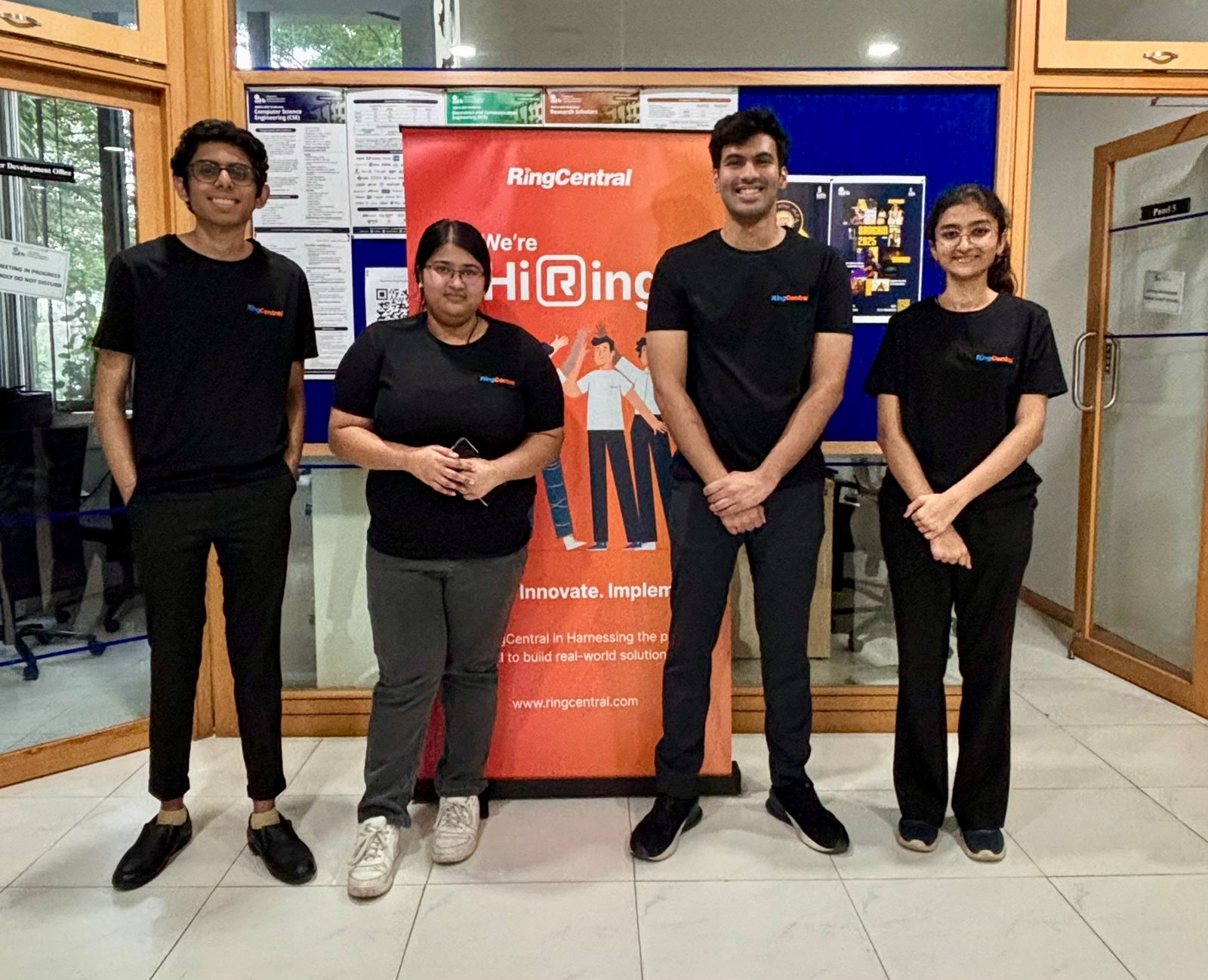
The professional trajectory typically commences in early January, marked by comprehensive technical orientations. During this phase, new engineering hires familiarize themselves with internal tech stacks, security protocols, and collaborative development workflows. Initial apprehension—frequently described by newcomers as impostor syndrome—is systematically addressed through paired programming and structured code reviews led by senior engineering staff.
Mid-Year Evaluation and Milestone Reflection
By late June, interns reach the conclusion of their preliminary six-month evaluation periods. This milestone serves as a critical juncture for self-reflection, portfolio review, and performance assessment. Engineers utilize this period to consolidate their technical gains, adapt to production-level workflows, and demonstrate their capacity to deliver resilient features under enterprise deadlines.
July: Formal Transition to SDE 1
The formal transition to a full-time Software Development Engineer (SDE 1) position occurs mid-July. Securing a permanent full-time offer represents the institutional validation of an engineer’s technical contributions over the preceding six months. Upon stepping into the SDE 1 role, the scope of responsibility expands dramatically. Engineers transition from executing assigned sub-tasks under close supervision to taking end-to-end ownership of new feature modules, diagnosing complex production anomalies, and participating directly in incident response and remediation.
Mentorship Frameworks and Cultural Engagement
The success of technical transitions within modern engineering organizations heavily relies on structured mentorship. In traditional corporate environments, junior staff often hesitate to seek guidance from senior colleagues out of concern for interrupting critical workflows. RingCentral’s engineering culture actively dismantles this barrier by fostering an open-door policy where questioning design rationale is encouraged as a core learning mechanism. Mentors do not merely provide solutions; they impart system-design thinking, explaining the historical context of architectural choices and the trade-offs inherent in distributed systems engineering.
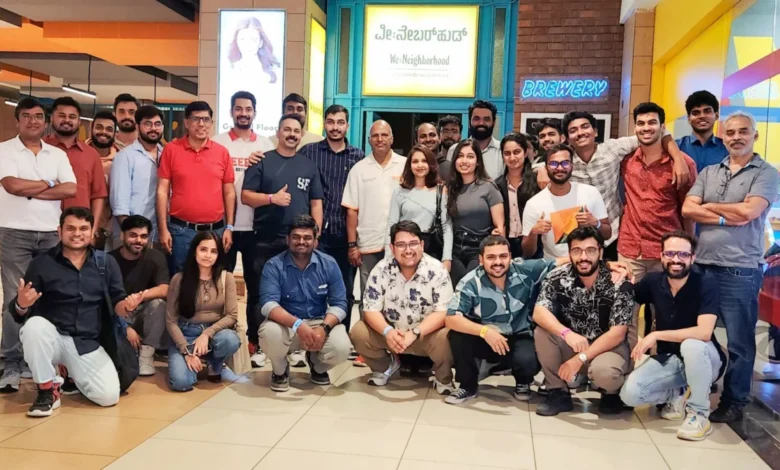
Beyond technical acumen, contemporary workplace integration increasingly emphasizes holistic professional well-being and cultural participation. Corporate milestones, such as the fifth-anniversary celebrations of RingCentral’s India office, demonstrate an institutional commitment to employee engagement. Allowing staff to showcase non-technical talents—ranging from choreographed performances to creative arts—strengthens organizational cohesion and reinforces the concept that sustainable productivity relies on a supportive, inclusive workplace culture.
The Integration of Artificial Intelligence in Enterprise Workflows
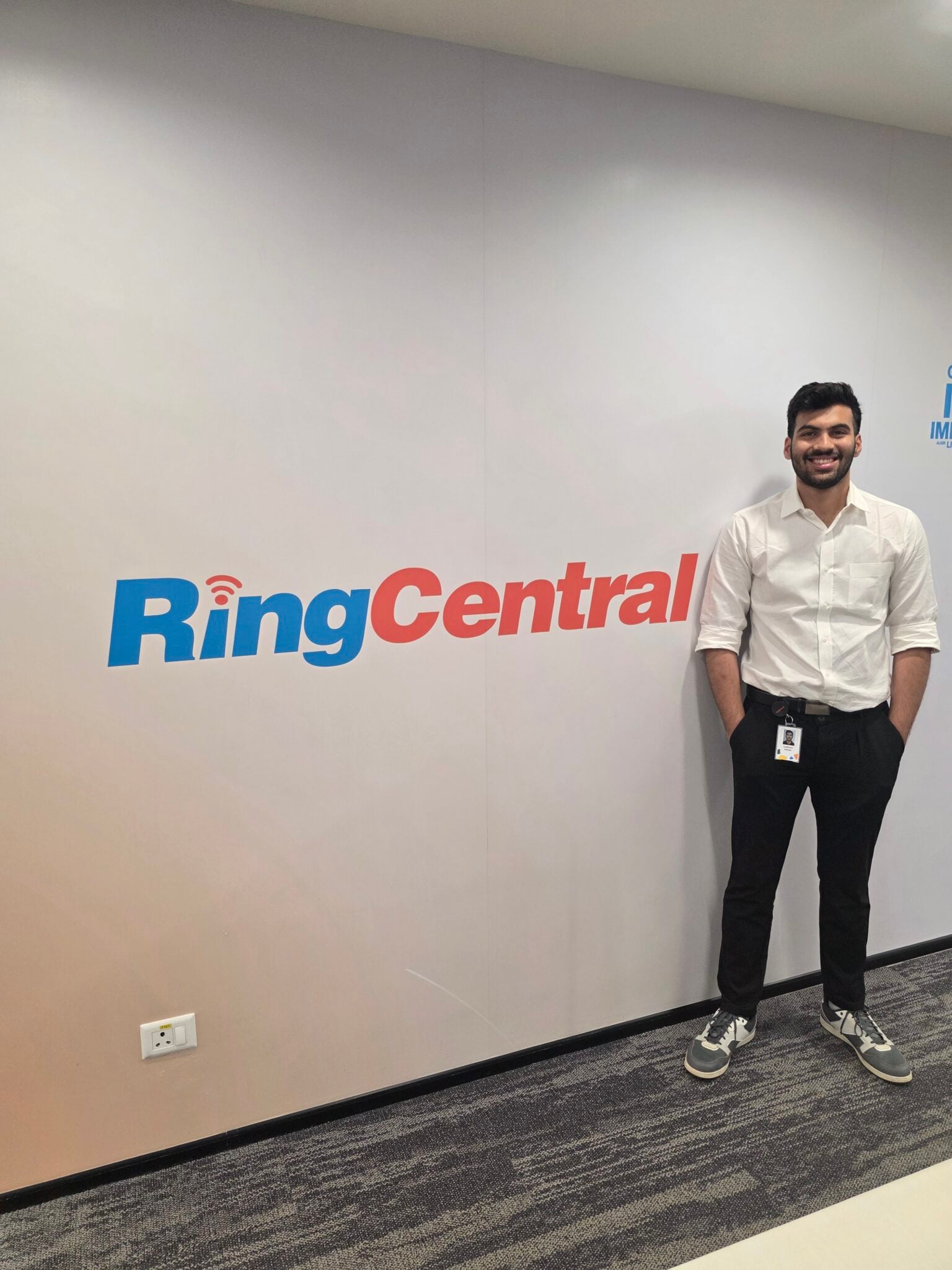
The rapid evolution of generative artificial intelligence and large language models has fundamentally transformed how software engineering teams operate. At RingCentral, the intentional push toward becoming an AI-native workplace has redefined the daily routines of incoming developers. From the first day of employment, AI tools serve as cognitive assistants designed to lower the barrier to entry for complex, legacy codebases.
For junior engineers, deciphering baffling segments of legacy code, mapping implementation roadmaps for new features, and conceptualizing end-to-end system flows are traditionally time-consuming endeavors. AI-driven development environments assist engineers by automatically generating test plans—historically regarded as a labor-intensive aspect of software development—and verifying logic against predefined parameters. By embedding AI into daily activities, the organization not only accelerates productivity but also standardizes code quality across distributed development teams. This technological integration ensures that new hires can achieve operational velocity much faster than was previously possible in traditional enterprise environments.
Broader Industry Implications and Future Outlook
The structured onboarding and rapid conversion model observed at RingCentral offers broader insights for the global technology sector. As the demand for specialized engineering talent intensifies, companies can no longer rely on passive recruitment strategies. Bridging the gap between academic theory and industrial practice requires deliberate investments in mentorship infrastructure, psychological safety, and cutting-edge productivity tooling.
The progression from writing isolated scripts in university laboratories to deploying mission-critical updates into live production environments demands a fundamental evolution in mindset. Engineers must learn to prioritize long-term system maintainability, performance optimization, and cross-functional collaboration over mere functional correctness. As organizations continue to adopt AI-native methodologies and scale their global research and development hubs, the frameworks established for nurturing early-career talent will serve as a definitive benchmark for industry success. The continued evolution of these programs ensures a steady pipeline of competent, adaptable software engineers equipped to tackle the next generation of digital communication challenges.
Related posts: