Trump Administration Imposes 50% Tariffs on Canadian Imports Under Historic Section 338 Invocation

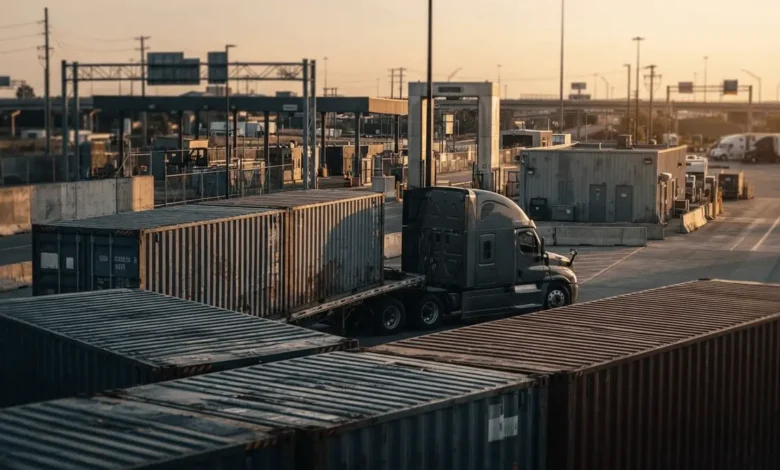
President Donald Trump’s decision to sign three executive proclamations imposing an aggressive 50% tariff on selected Canadian imports marks a dramatic escalation in North American trade relations. Utilizing Section 338 of the Tariff Act of 1930—a dormant legal mechanism dating back to the Smoot-Hawley era—the administration has targeted roughly $20 billion worth of Canadian goods. Scheduled to take effect at 12:01 a.m. Eastern Time on August 19, 2026, the sweeping measures have triggered urgent supply chain reviews, corporate contingency planning, and immediate diplomatic pushback from Ottawa.
The impending duties leave businesses on both sides of the Northern border with less than a month to evaluate financial exposure, audit existing contracts, and determine whether to rush shipments before the new levies apply. While the White House frames the move as a necessary corrective action to address persistent trade imbalances and regulatory disadvantages, Canadian leadership and commercial organizations are scrambling to navigate the sudden disruption to deeply integrated continental supply chains.
Chronology and Scope of the Section 338 Action
The timeline leading up to the August 19 implementation date is remarkably compressed, leaving importers with a narrow window to adjust logistics strategies. On July 20, 2026, President Trump officially signed the triad of proclamations, invoking presidential powers under Section 338 for the first time in modern economic history.
According to the Office of the United States Trade Representative (USTR), headed by Jamieson Greer, the 50% ad valorem duty applies to a wide spectrum of Canadian commodities and manufactured goods. The targeted items span diverse industrial and consumer sectors, officially covering products such as wine, construction cement, and hockey sticks, alongside various alcohol and dairy-adjacent items.
Crucially, the administration’s directives carve out specific exemptions. Energy products, potash, fish, critical minerals, and goods already subjected to Section 232 national security tariffs are spared from the new 50% levy. Furthermore, the White House confirmed that the new duties will supersede standard preferential treatment under the Canada-United States-Mexico Agreement (CUSMA/USMCA). This means that goods normally qualifying for zero-tariff status under the regional trade pact will still be subject to the full 50% surcharge if they fall within the targeted categories, introducing significant legal and operational complexity for customs brokers and importers of record.
Official Rationales and Government Justifications
The primary catalysts for the White House action center on three core grievances regarding Canadian trade policies. First, U.S. officials pointed to longstanding Canadian restrictions impacting American alcoholic beverage exports. Second, the administration expressed acute frustration over dairy market access terms that Washington contends favor European Union agricultural exporters over American producers. Third, the USTR cited regulatory limits and structural barriers affecting U.S. vehicle exports, particularly those stemming from companies that have recently reshored automotive manufacturing capacity back to the United States.
Administration officials argue that these domestic policies discriminate against American commerce, thereby meeting the statutory threshold required to trigger Section 338. Enacted during the height of the Great Depression, the statutory provision grants the executive branch sweeping authority to levy retaliatory duties of up to 50% on goods from nations found to discriminate against U.S. products. By invoking the maximum statutory rate, the Trump administration has signaled an uncompromising approach to bilateral trade disputes.
Canadian Response and Diplomatic Maneuvering
Canadian Prime Minister Mark Carney swiftly condemned the proclamations, categorizing the unilateral duties as a direct violation of CUSMA/USMCA obligations and a breach of international trading norms. Speaking from Ottawa, Carney emphasized that Canada is prepared to engage in intense, high-level diplomatic negotiations to resolve the dispute rather than immediately enacting a disproportionate or comprehensive retaliation package.
Despite the preference for dialogue, domestic political pressures within Canada are mounting. High-profile provincial leaders, notably Ontario Premier Doug Ford, have publicly advocated for a robust and uncompromising retaliatory response to protect Canadian manufacturing and agricultural interests. The dual pressure—balancing the desire for negotiated relief against the political necessity of defending provincial economies—places Prime Minister Carney’s administration in a delicate diplomatic position.
Trade analysts note that while formal dispute settlement panels under the USMCA remain an option, the protracted timeline of international legal arbitration makes immediate diplomatic channels the primary avenue for de-escalation before the August 19 deadline.
Financial Implications and Corporate Vulnerability
The direct economic mechanism of a 50% ad valorem duty is severe. By inflating the dutiable value of an imported product by half before factoring in standard freight charges, customs broker fees, financing costs, and inventory holding expenses, the tariffs threaten to compress operating margins across numerous retail and manufacturing sectors.
For example, a mid-sized American retail business importing $200,000 worth of covered Canadian goods faces an immediate cash-flow exposure of up to $100,000 in additional duties if the entire inventory falls under the targeted HTS (Harmonized Tariff Schedule) classifications.
The capacity to absorb these financial shocks varies starkly by corporate size. Large multinational enterprises possess distinct structural advantages: they frequently utilize tariff escalation clauses, employ dedicated customs legal counsel, maintain diversified global sourcing networks, and hold sufficient market leverage to either negotiate price concessions with Canadian vendors or pass increased costs onto end consumers.
Conversely, small and medium-sized enterprises (SMEs) face disproportionate risks. Operating with narrower product lines, shorter-term supply contracts, and tighter cash reserves, small businesses often lack the administrative infrastructure required to rapidly reconfigure supply chains. Research tracking small business resilience amid shifting tariff landscapes indicates that disruptions per dollar of tariff exposure are magnified for smaller firms, which frequently struggle to absorb sudden capital demands without sacrificing growth or employment.
Supply Chain Realignment and Strategic Uncertainty
Beyond the immediate import-side cost pressures, the Section 338 duties introduce profound strategic uncertainty for integrated North American manufacturing. Many businesses operate on cross-border models where raw materials or sub-components are sourced from Canada, assembled in the United States, and occasionally re-exported. If retaliatory measures eventually materialize from Ottawa, these firms could face dual cost pressures on both sides of the border.
Furthermore, the broader trade backdrop across North America remains fluid. While U.S.-Canada tensions have escalated, the administration continues to navigate parallel trade discussions with Mexico. Industry observers suggest that prolonged friction in the North American trade corridor could prompt capital flight and supply chain migrations toward alternative jurisdictions or prompt firms to accelerate domestic manufacturing investments to insulate themselves from recurring tariff volatility.
Operational Hurdles: Customs Guidance and Legal Scrutiny
As the August 19 deadline approaches, the business community continues to seek clarity on crucial operational details. As of late July 2026, neither Customs and Border Protection (CBP) nor the USTR had released a comprehensive, plain-language list of specific HTS codes subject to the levy, nor had they established an administrative product exclusion process. In previous tariff implementations—such as those executed under Section 232 or Section 301—formal exclusion mechanisms allowed companies to petition for relief if domestic supply was unavailable. The absence of a parallel framework under the initial Section 338 announcements has heightened anxiety among supply chain managers.
Compounding this uncertainty is the novel legal landscape surrounding Section 338. Because the statute has remained largely dormant for nearly a century, its application in the modern global trade architecture is virtually untested. Legal scholars and trade associations are actively evaluating potential challenges in federal court, questioning whether the executive branch possesses the unilateral authority to apply such steep duties in contravention of existing regional trade agreements. Should legal advocacy groups file injunctions seeking to block implementation, importers may find themselves forced to weigh whether the tariffs represent an imminent cash-flow certainty or a temporary, litigated contingency.
Outlook for Importers and Industry Stakeholders
With the implementation clock ticking down to mid-August, logistics experts advise American businesses to conduct exhaustive supply chain audits immediately. Importers must verify the exact classification of goods currently in transit or held in bonded warehouses, consult licensed customs brokers regarding entry timing rules, and review commercial contracts for force majeure or tariff-sharing clauses.
Whether the Section 338 tariffs serve as a temporary leverage tool to force Canadian policy concessions or metastasize into a prolonged structural realignment of North American trade remains to be seen. For now, corporations must prepare for the operational reality of a 50% duty regime while monitoring ongoing bilateral negotiations and potential legal interventions that could alter the trajectory of continental commerce before the end of the summer.