From Kitchen Counter Innovation to Billion Dollar Acquisitions The Evolution of the Ellsworth Entrepreneurial Blueprint

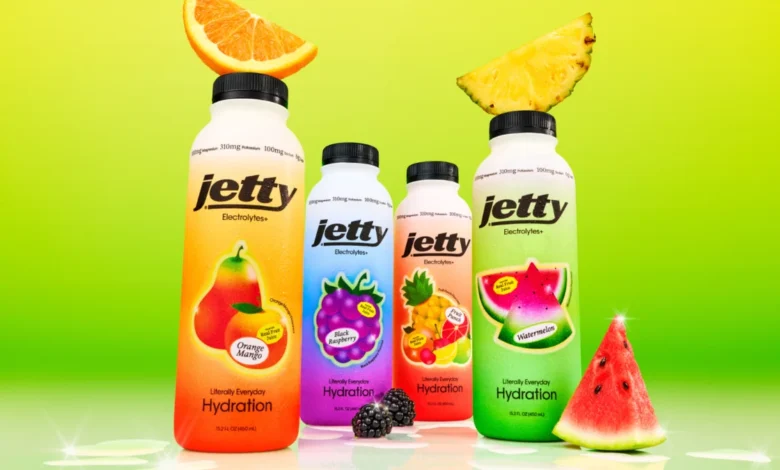
The journey of Allison and Stephen Ellsworth from domestic experimentation to the helm of a multi-billion-dollar beverage enterprise serves as a definitive case study in modern consumer goods disruption. Following the landmark $1.95 billion acquisition of their flagship probiotic soda brand, Poppi, by PepsiCo last year, the husband-and-wife duo has officially launched their next venture, a hydration platform dubbed Jetty. This transition marks more than just a change in product category; it represents the maturation of an entrepreneurial methodology that prioritizes functional wellness, accessible branding, and a keen understanding of the shifting preferences of the post-pandemic consumer.
The Genesis of a Beverage Empire
The origin story of the Ellsworths’ success is rooted in the mundane realities of daily life. As a mother of three active boys, Allison Ellsworth faced the common challenge of maintaining adequate hydration, a task frequently hindered by the inconvenience of existing market solutions. The traditional route—tearing open single-use electrolyte powder packets—proved to be an inefficient and messy endeavor, often creating unnecessary waste and kitchen clutter.
Stephen Ellsworth, seeking a more seamless solution for his spouse, began experimenting with homemade formulations. What started as a casual domestic favor eventually evolved into a disciplined process of trial and error, focusing on ingredient efficacy and flavor profiles that could bridge the gap between medicinal hydration and palatable refreshment. This iterative process, which the couple has famously characterized with a sense of weary recognition—"Oh my god, we’re doing this again, aren’t we?"—is the foundational DNA of their business model. It is a strategy built on identifying "friction points" in the consumer experience and applying a scalable, wellness-oriented solution.
From Poppi to Global Markets: A Chronology
The trajectory of the Ellsworths’ first venture, Poppi, provides critical context for their current move into the hydration space.
- 2015: The Ellsworths begin experimenting with apple cider vinegar (ACV) in their home kitchen, seeking a way to improve digestive health without the harsh taste of traditional ACV products.
- 2016–2017: The brand is formally established as "Mother Beverage." Initial testing occurs at local farmers’ markets in Texas, allowing for direct feedback loops with consumers.
- 2018: The brand undergoes a strategic rebranding to "Poppi." This change is pivotal, as it shifts the product’s identity from a niche health tonic to a mainstream "prebiotic soda," aligning with the growing consumer demand for functional beverages.
- 2020: The brand gains national attention, including a significant boost from viral marketing on social media platforms, specifically TikTok, which propelled the brand into the consciousness of Gen Z and Millennial demographics.
- 2023–2024: Following a period of aggressive retail expansion and a high-profile Super Bowl advertising campaign, the brand secures a position as a dominant player in the functional soda category.
- 2024: PepsiCo announces the acquisition of Poppi for $1.95 billion, citing the brand’s unique ability to capture the intersection of health and indulgence.
Jetty and the Future of Functional Hydration
With the launch of Jetty, the Ellsworths are entering a market segment that has become increasingly crowded but remains highly lucrative. The global hydration drink market, which includes sports drinks, enhanced waters, and electrolyte solutions, is projected to reach significant growth milestones by 2030, driven by an aging population and a younger demographic that views hydration as a lifestyle necessity rather than an athletic luxury.
Jetty distinguishes itself by positioning hydration as an essential daily habit, moving away from the high-sugar formulations that historically defined the category. By focusing on ingredient transparency and the "clean label" movement, the Ellsworths are targeting the same health-conscious consumers who propelled Poppi to its billion-dollar valuation. Industry analysts suggest that the strategy here is to replicate the success of Poppi by capturing "share of throat" in a consumer’s daily routine, replacing traditional soda or coffee with a beverage that provides physiological benefits.
Industry Data and Market Context
The success of the Ellsworths’ model is reflective of broader trends in the food and beverage industry. According to data from the Beverage Marketing Corporation, the functional beverage category has consistently outperformed the broader soft drink market for five consecutive years. Consumers are increasingly willing to pay a premium for beverages that promise specific health outcomes, such as improved gut health, enhanced focus, or sustained energy.
Furthermore, the acquisition of Poppi by a major conglomerate like PepsiCo underscores a wider industry trend: the "buy versus build" dilemma. Rather than developing internal innovations from scratch, major players like PepsiCo, Coca-Cola, and Keurig Dr Pepper are increasingly opting to acquire high-growth, mission-driven brands that have already achieved significant "brand equity" and consumer loyalty. This strategy allows these giants to pivot quickly toward emerging trends without the risks associated with internal R&D.
Official Perspectives and Market Analysis
While the Ellsworths have kept the specifics of their business plan for Jetty guarded, industry observers note that the move is timed perfectly with the current shift in consumer sentiment.
"The Ellsworths have mastered the art of the ‘better-for-you’ product," says Sarah Jenkins, an analyst at a leading consumer goods research firm. "They understand that today’s consumer wants a product that doesn’t just taste good, but feels like an investment in their long-term health. By applying the same marketing rigor and supply-chain efficiency they developed during the Poppi years, they are positioning Jetty to be a disruptive force in the hydration space."
There is, however, significant pressure on the couple to replicate their previous success. Investors and competitors alike are watching to see if the lightning-in-a-bottle momentum of Poppi was a result of specific market conditions—such as the rapid rise of social media-driven commerce—or if the Ellsworths possess a repeatable system for identifying and scaling consumer needs.
Broader Implications for the Entrepreneurial Landscape
The transition to Jetty highlights a shift in how modern entrepreneurs approach business life cycles. The "serial entrepreneur" model, once rare in the consumer goods space, is becoming the standard. Founders like the Ellsworths are moving away from the idea of "building to last" in the traditional sense, toward "building to scale and exit." This approach creates a cycle of innovation where successful founders are incentivized to continuously solve problems, monetize those solutions through acquisition, and return to the R&D phase.
However, this trend also raises questions about the long-term impact on brand identity. As major conglomerates continue to consolidate the market, there is a legitimate concern among consumers regarding the potential dilution of the "indie" values that made these brands successful in the first place. Whether Jetty can maintain the authentic, kitchen-born spirit of its predecessor while navigating the complexities of a competitive national launch remains the defining question for the brand’s future.
Challenges and Looking Ahead
As Jetty begins its public rollout, the Ellsworths face a far more challenging landscape than they did in 2016. The barrier to entry for beverage brands has increased, with retail shelf space becoming a finite and expensive commodity. Furthermore, the "functional beverage" space is currently experiencing a period of saturation, with dozens of startups competing for the same shelf space in major retailers like Target, Whole Foods, and Walmart.
To succeed, Jetty must navigate the fine line between innovation and mass-market appeal. The brand must prove that its formulation offers a genuine improvement over the electrolyte solutions currently on the market, many of which are backed by decades of clinical research and deep marketing budgets from established players like Gatorade or Liquid I.V.
Ultimately, the Ellsworths’ ability to navigate this next chapter will hinge on their capacity to balance their iterative, "home-grown" methodology with the demands of a global distribution model. If history is any indicator, the couple’s ability to turn a personal frustration into a billion-dollar solution is a skill set that cannot be overlooked. Whether Jetty reaches the heights of Poppi will depend on the brand’s ability to connect with the next generation of consumers who, much like Allison Ellsworth in her own kitchen, are simply looking for a better way to hydrate.