The Children’s Place Inc. Files for Chapter 11 Bankruptcy and Initiates Comprehensive Asset Sale

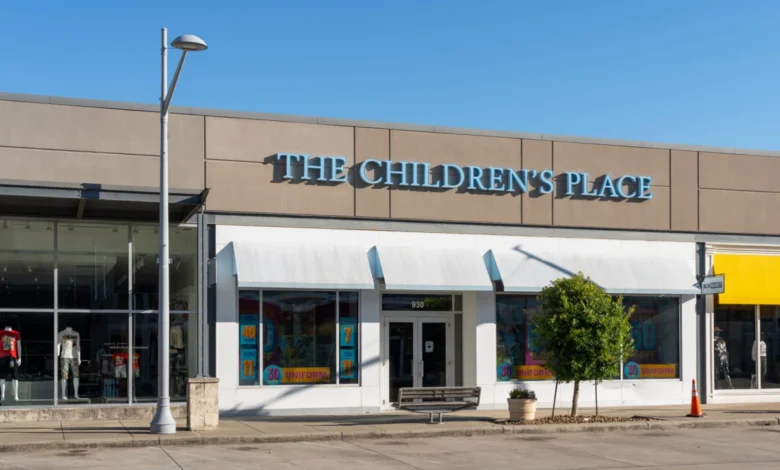
The Children’s Place Inc., a long-standing titan of the American children’s apparel retail sector, has officially filed for Chapter 11 bankruptcy protection. The filing, dated November 8, serves as a formal pivot for the nearly 60-year-old company as it seeks to stabilize its finances through a court-supervised restructuring process. The retailer, which maintains a significant presence in both the physical retail landscape and the digital marketplace, has announced its intention to divest "substantially all of its assets" to ensure its survival and long-term viability. As the organization prepares for this transition, it has confirmed that both its e-commerce platforms and brick-and-mortar retail locations will continue to operate, aiming to maintain continuity for its customer base throughout the legal proceedings.
A Chronology of Financial Decline
The trajectory leading to this bankruptcy filing has been characterized by consistent headwinds that have plagued the specialty retail sector for several years. The Children’s Place, which holds a notable position as No. 199 in the Digital Commerce 360 Top 1000 Database—an index tracking North America’s largest online retailers—has struggled to pivot effectively in an increasingly digital-first economy.
The most recent evidence of the company’s precarious financial position was unveiled in its fiscal second-quarter report, which concluded on August 1. During this period, the retailer reported a significant 18.9% decline in net sales compared to the previous year, with total revenue dropping to $241.8 million. Perhaps more concerning to investors and creditors was the company’s bottom-line performance: a net loss of $31.0 million. These figures underscored the mounting pressure from high operating costs, shifting consumer habits toward discount competitors, and the persistent challenges of maintaining a large physical store footprint in an era of waning mall traffic.
The atmosphere of uncertainty was further compounded by a massive exodus of corporate leadership. On November 4, merely days before the bankruptcy filing, U.S. Securities and Exchange Commission (SEC) filings revealed the departure of four high-level executives. This internal vacuum was addressed by the temporary appointment of John Szczepanski, who stepped into the role of acting president to guide the company through the immediate transition.
The Mechanics of the Restructuring
The bankruptcy process is designed to provide the company with the breathing room necessary to renegotiate debt and restructure its operations. By filing for Chapter 11, The Children’s Place is protected from aggressive creditor action while it conducts a controlled sale of its assets. The retailer has set a rigorous timeline for this process, with initial bids for its assets expected by December 9.
The company has expressed its intent to complete the court-supervised sale by the end of 2026. This extended window suggests that the retailer is not seeking a rapid liquidation but rather a strategic acquisition or reorganization that could potentially keep the brand alive under new ownership or a restructured corporate entity. Rudy Morando, co-chief restructuring officer, has emphasized that the goal is to secure the "best path forward" for the brand, which has provided clothing for millions of families since its founding in 1969.
Market Context and Industry Implications
The plight of The Children’s Place is not an isolated incident but rather a microcosm of the broader shifts occurring in the specialty apparel industry. Over the past decade, the "middle-market" retailer has been squeezed between luxury brands and ultra-fast-fashion e-commerce competitors. Additionally, the rise of AI-driven commerce has set a new standard for inventory management and personalized marketing, areas where legacy retailers have struggled to match the agility of digital-native competitors.
Data from the Digital Commerce 360 and ReFiBuy AI Commerce Rankings, where The Children’s Place is ranked No. 753, highlights the company’s attempt to modernize its digital presence. However, the adoption of AI tools and data analytics requires significant capital expenditure—a luxury that became increasingly difficult to justify as quarterly losses mounted.
Industry analysts suggest that the company’s reliance on physical retail in traditional shopping malls has become a liability. With foot traffic in many U.S. malls failing to return to pre-pandemic levels, the overhead costs associated with maintaining hundreds of storefronts have weighed heavily on the company’s balance sheet. The Chapter 11 filing provides a legal mechanism for the company to reject unfavorable lease agreements, potentially allowing it to shutter underperforming locations while focusing resources on its most profitable outlets and its e-commerce business.
Official Responses and Future Outlook
The corporate messaging from The Children’s Place has remained focused on stability and operational continuity. In a statement released shortly after the filing, Rudy Morando acknowledged the gravity of the situation. "We recognize the significance of this development for our employees, customers, vendors, and other partners, and we are committed to conducting an efficient and transparent sale process," Morando stated. He further emphasized that the brand remains dedicated to serving the families that have relied on its products for generations.
For the company’s vendors and supply chain partners, the bankruptcy filing introduces a period of credit scrutiny. Suppliers will be looking for reassurances that their invoices will be honored, a task that often falls to the Chief Restructuring Officer to navigate during the bankruptcy proceedings. The transparency mentioned by Morando is essential to maintaining the supply chain integrity necessary to keep store shelves stocked during the upcoming holiday season.
The Broader Impact on Retail
The bankruptcy of a company with the legacy and market footprint of The Children’s Place carries significant implications for the retail sector. Firstly, it signals that even established brands with strong historical brand recognition are not immune to the pressures of the current macroeconomic environment, characterized by persistent inflation, rising interest rates, and changing consumer spending patterns.
Secondly, the sale process will likely attract interest from private equity firms and retail conglomerates that specialize in "distressed asset" acquisitions. These entities often look to strip out inefficient operational costs and pivot the brand toward a more streamlined, lean model. Whether The Children’s Place emerges from this process as a leaner, stronger entity or is absorbed into a larger retail portfolio remains to be seen.
Furthermore, the departure of senior leadership at such a critical juncture reflects a broader trend of instability within the C-suite of retail companies facing financial crisis. When leadership teams exit during a bankruptcy process, it can sometimes indicate a fundamental disagreement regarding the future strategy of the firm or a lack of confidence in the turnaround plan.
Looking Ahead
As the December 9 bid deadline approaches, all eyes will be on the level of interest generated by the assets of The Children’s Place. The retail industry will be monitoring whether the company can successfully navigate the complexities of a court-supervised sale without triggering a broader collapse of its brand value.
For consumers, the immediate impact is likely to be minimal, as the company has maintained its commitment to keep its e-commerce sites and retail stores operational. However, the long-term identity of the brand is in flux. The company’s ability to survive will depend on finding a partner or a capital structure that addresses its fundamental revenue issues while leveraging its digital footprint.
The saga of The Children’s Place serves as a cautionary tale for legacy retailers. It highlights the necessity of early adoption of technological efficiencies and the constant evaluation of physical footprint against shifting consumer demographics. As the company enters this final phase of restructuring, the focus for all stakeholders—from shareholders to employees—will be on the transparency and efficacy of the court-supervised sale. Whether the brand enters a new chapter of growth or faces a more permanent dissolution, the proceedings of the next few months will be a defining moment in the history of North American apparel retail.
The company’s role as a major player in the Top 1000 database underscores its importance to the ecosystem. Should it fail to secure a sustainable future, the vacancy it leaves in the market will undoubtedly be filled by competitors, marking yet another shift in the evolving landscape of children’s retail. For now, the process continues, with the firm, its creditors, and the retail industry awaiting the outcomes of the impending bid cycle.