The seminar, hosted via the platform myLawCLE, features a panel of experts including Amy Epstein Gluck and David Renner, partners at the law firm Pierson Ferdinand LLP, alongside Alok Nadig of Sanford Heisler, who brings the perspective of employee representation. The program is offered free of charge to registrants using the promotional code ADARecord26, reflecting an effort to broaden access to essential compliance training.
The Problem of Documentation in ADA Litigation
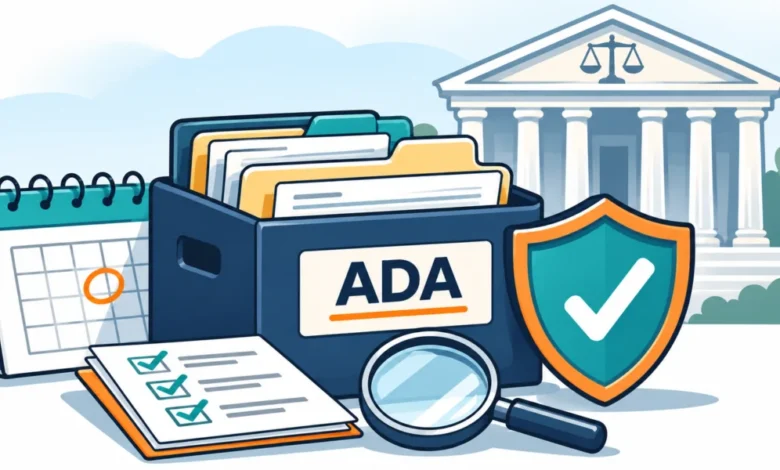
Under the Americans with Disabilities Act, employers are legally obligated to engage in an "interactive process" with employees who request reasonable accommodations for a disability. While the legal standard for this process is well-established, the practical execution often falters, particularly in the creation of a contemporaneous record.
Legal analysts have long identified the "documentation gap" as a primary vulnerability for employers in disability discrimination litigation. Frequently, employers may engage in a good-faith effort to accommodate an employee, yet fail to memorialize the steps taken, the logic behind rejected alternatives, or the specific communications exchanged during the process. When litigation arises—often months or years after the initial request—the absence of a clear, objective paper trail forces organizations to rely on the subjective memories of supervisors and HR staff.
In the modern workplace, where high turnover rates among management and the evolution of digital communication platforms complicate record-keeping, these memory-based defenses are increasingly ineffective. Jurors and judges are frequently skeptical of testimony provided years after an event, leading to a higher likelihood of case survival through the summary judgment phase, which inevitably increases legal costs and settlement pressures for defendants.
Chronology of an Accommodation Request
The seminar will break down the lifecycle of an ADA accommodation request into distinct, actionable phases. The typical chronology of an accommodation request involves:
- Notice: The employee makes a request, triggering the employer’s obligation to engage.
- The Interactive Process: A back-and-forth dialogue intended to identify the employee’s functional limitations and the potential reasonable accommodations.
- Determination: The employer decides on an accommodation or determines that a specific request creates an "undue hardship."
- Implementation: The agreed-upon accommodation is put into practice.
- Monitoring: The employer periodically assesses whether the accommodation remains effective.
Each of these stages provides an opportunity for the employer to solidify their defense. The panel will explore how to document these stages without inadvertently creating evidence that could be used against the employer. This includes the appropriate use of internal memoranda, follow-up emails, and the maintenance of confidential medical records separate from personnel files.
Supporting Data and Legal Context
The necessity for such training is underscored by the volume of ADA-related litigation in federal courts. According to data provided by the Equal Employment Opportunity Commission (EEOC), disability-based discrimination claims consistently remain one of the most frequent charges filed against employers nationwide.
A significant portion of these charges revolves around a "failure to accommodate." The evidentiary burden often hinges on whether the employer can demonstrate that they acted in good faith during the interactive process. Research suggests that employers who maintain structured, timestamped documentation of their efforts are significantly more likely to succeed in motions for summary judgment. Summary judgment is a procedural tool that allows a court to rule in favor of a party without a trial, provided there is no genuine dispute of material fact. In the context of the ADA, if the employer can produce a robust, undisputed record of the interactive process, the case may be dismissed before it ever reaches a jury.

Perspectives from the Defense and Plaintiff Bar
A unique aspect of the November 13 seminar is the inclusion of Alok Nadig, who represents employees in litigation. By bridging the divide between defense counsel and the plaintiff bar, the program offers a 360-degree view of how evidence is viewed in the courtroom.
From the perspective of employee advocates, documentation is the primary tool to prove that an employer failed to engage in the process or acted with discriminatory intent. When an employer’s records are incomplete, inconsistent, or non-existent, it often allows plaintiffs to argue that the employer’s stated reasons for denying an accommodation were pretextual. By understanding how the opposition scrutinizes these files, employers and their counsel can better anticipate potential challenges during the discovery phase of litigation.
Broader Implications for Human Resources Management
The implications of this seminar extend beyond legal circles into the core of human resources policy. Effective documentation is not merely a legal defense; it is a management tool that fosters transparency and trust between employees and employers.
Modern workplace compliance requires a high degree of precision. As remote and hybrid work models become the standard, the interactive process often occurs across digital mediums—Zoom calls, instant messaging, and email threads. Ensuring that these disparate communication channels are effectively captured in a centralized compliance system is a modern challenge that the seminar aims to address.
Furthermore, as the definition of "disability" under the ADA has expanded through legislative amendments—most notably the ADA Amendments Act of 2008—the threshold for what constitutes a covered request has lowered. Employers are now fielding a wider array of accommodation requests than in previous decades, ranging from mental health adjustments to complex ergonomic needs. Consequently, the volume of documentation that HR departments must manage has increased, making standardized procedures more vital than ever.
Seminar Details and Registration
The program, Building the ADA Accommodation Record: From the Interactive Process to Summary Judgment, is designed to be highly practical. Attendees will receive guidance on:
- Drafting effective communications that satisfy legal requirements.
- Identifying the appropriate time to transition from informal dialogue to formal record-keeping.
- Navigating the nuances of "undue hardship" and "essential job functions."
- Preparing for the eventual scrutiny of personnel files during legal discovery.
The session is open to a broad audience, including general counsel, in-house employment attorneys, human resources directors, and compliance officers. Given the unlimited availability of the registration code, the organizers encourage firms and corporate departments to utilize this as a training opportunity for their entire staff involved in disability compliance.
Registration for the event can be completed through the myLawCLE portal. By leveraging this training, organizations can work to mitigate the risks associated with the high-stakes environment of employment litigation, ensuring that when the time comes to explain a personnel decision, they have the evidence necessary to stand behind their process.
In an era where workplace disputes are increasingly settled on the strength of the paper trail, proactive documentation remains the most effective hedge against litigation risk. This seminar provides the technical roadmap for employers to achieve that level of preparedness.