HR Dive Weekly News Roundup: IRS Auto-Enrollment Mandate, DOL Contractor Rules, and the Hidden Toll of Monday Morning Meetings

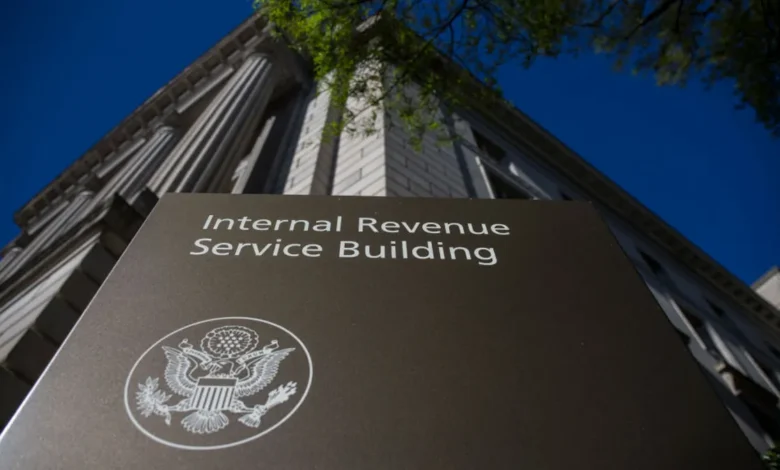
The shifting landscape of human resources, employment law, and workplace culture underwent significant transformations as regulatory bodies introduced pivotal mandates while corporate transparency faced renewed scrutiny. At the forefront of last week’s developments is a landmark regulatory announcement from the Internal Revenue Service (IRS), setting the stage for sweeping changes in how American workers save for retirement. Alongside new federal guidelines regarding worker classification and emerging data on the psychological toll of early-week status meetings, employers are navigating an increasingly complex operational ecosystem. This comprehensive roundup examines the primary regulatory shifts, labor data, and workplace trends shaping the modern organization.
IRS Finalizes Mandatory 401(k) and 403(b) Auto-Enrollment Rules Set for 2028
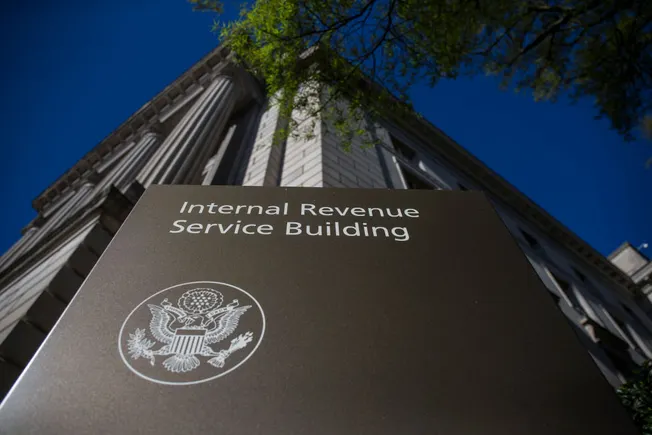
In what stands as the most-clicked and widely discussed regulatory story of the week, the Internal Revenue Service officially revealed its final rule requiring employers who sponsor certain 401(k) and 403(b) retirement benefit plans to automatically enroll eligible employees. Beginning with plan years that commence after December 31, 2027, companies falling under this mandate must set the baseline automatic contribution rate at a minimum of 3% of an employee’s eligible compensation.
The policy transition, initially outlined under provisions from previous legislative packages aimed at bolstering American retirement readiness, seeks to leverage behavioral economics to bridge the national savings gap. According to economic projections released by the U.S. Treasury Department, this mandated expansion of automatic enrollment is anticipated to generate an average of $4.2 billion in new retirement savings annually through the year 2032.
For decades, voluntary participation models left a significant percentage of the workforce—particularly lower-income earners and younger employees—opting out of employer-sponsored retirement plans simply due to the friction of initial enrollment paperwork. By shifting the default option from non-participation to active saving, regulators hope to establish a firmer financial foundation for millions of households. However, the rule also places a heightened administrative burden on human resources and payroll departments, which must upgrade their systems, revise summary plan descriptions, and manage opt-out requests within strict compliance windows leading up to the 2028 enforcement date.
Department of Labor Clarifies Independent Contractor Classification Standards
Federal labor policy also saw crucial updates last week as the U.S. Department of Labor (DOL) issued its finalized rule regarding worker classification, specifically addressing the criteria used to determine whether a worker is an independent contractor or a W-2 employee. The final rule pivots heavily around two core factors designed to evaluate the economic reality of the working relationship: the nature and degree of control exercised over the performance of the work, and the worker’s opportunity for profit or loss based on managerial skill.
In addition to these two primary pillars, the DOL framework allows for the consideration of several "less probative" secondary factors to provide a holistic view of the engagement. This structured approach closely mirrors the proposed rule introduced in February and bears a strong resemblance to frameworks finalized during the previous Trump administration.
The classification of workers remains a battleground issue across multiple industries, particularly the gig economy, logistics, and freelance sectors. Misclassification lawsuits carry severe financial and legal penalties, making the DOL’s streamlined two-core-factor test a vital benchmark for corporate legal and compliance teams. While business advocacy groups have generally welcomed the clarity provided by structured economic reality tests, labor advocates continue to scrutinize any regulatory adjustments that might weaken protections or pave the way for widespread misclassification, arguing that workers deserve standard benefits, minimum wage guarantees, and overtime protections.
The Sunday Scaries: Do Monday Morning Check-Ins Disrupt Employee Rest?
Moving beyond federal compliance, workplace culture and employee well-being took center stage last week following data highlighting the psychological footprint of routine status updates. A comprehensive survey conducted by JobAssist—capturing insights from 4,920 employed adults across the United States, the United Kingdom, Canada, and Australia—revealed a stark correlation between early-week accountability measures and off-hours stress.

According to the findings, workers who are required to attend a Monday morning status meeting are substantially more likely to use their Sunday personal time to prepare answers regarding their productivity compared to employees who do not face such meetings. The demographic surveyed consisted exclusively of individuals who maintain a standard Monday-through-Friday schedule and are not officially scheduled to work on Sundays.
"A manager does not necessarily need to request weekend preparation for an employee to consider it worthwhile," JobAssist researchers noted in the report. "The expectation of explaining unfinished tasks can provide its own incentive to review what remains outstanding."
The data underscores the silent, psychological pressure embedded in organizational check-in rituals. While reviewing lingering tasks does not invariably translate into heavy operational labor, the mental burden of anticipation can effectively erode an employee’s right to disconnect. JobAssist noted that while workers facing Monday check-ins may operate under different baseline workloads and organizational expectations, the anxiety generated by impending accountability should serve as a warning sign for leadership. Organizations striving to promote mental health and combat burnout are increasingly urged to evaluate whether traditional accountability rituals inadvertently incentivize employees to sacrifice their personal rest and recovery time.
Bridging the Pay Transparency Gap Through Data and Analytics
Corporate reward strategies and employee sentiment formed another critical pillar of last week’s HR discourse. A recent report published by Marsh shed light on a growing crisis of confidence within the modern workforce: employees are increasingly cynical about whether they are being compensated fairly.
Gord Frost, global rewards solution leader at Marsh, pointed out that this widespread skepticism is fueled by a dual engine of rising macroeconomic costs of living and a persistent lack of pay transparency from employers. In an era where employees demand clear insights into compensation bands, progression frameworks, and equity metrics, opaque compensation structures are no longer tenable.

"If you don’t have good data and good analytics, you’re just guessing," Frost emphasized, capturing the sentiment of the week’s quote of note.
To rebuild trust and successfully navigate emerging pay transparency legislation across various states and municipalities, organizations must first audit and organize their compensation data. Frost noted that artificial intelligence and advanced analytics tools have increasingly become indispensable allies for human resources departments aiming to model pay equity, eliminate unexplained wage gaps, and equip managerial leaders with the data necessary to conduct transparent, empathetic compensation conversations with their teams. Without these technological interventions, employers risk alienating their top talent in an increasingly competitive labor market.
Looking Ahead: Implications for Human Resources and Compliance Leaders
As the business world digests these developments, the overarching takeaway for executive leadership, HR professionals, and compliance officers is clear: operational adaptability is paramount. The impending 2028 deadline for automatic 401(k) and 403(b) enrollment requires long-term strategic planning today, from software integration to employee communication campaigns. Similarly, navigating the nuances of the DOL’s independent contractor guidelines demands continuous oversight of workforce classifications to mitigate litigation risks.
Simultaneously, internal cultural metrics—such as the unintended consequences of Monday morning check-ins—remind leaders that operational cadence directly impacts employee retention and mental well-being. Coupled with the pressing demand for data-backed pay transparency, organizations face an environment where regulatory rigor and employee expectations converge. Navigating this dynamic successfully will require a balanced investment in legal compliance, technological infrastructure, and a deeply empathetic approach to workforce management.
Related posts: