Navigating Your Professional Development Journey: An In-Depth Look at the Corporate Finance Institute Student Onboarding Framework

The modern landscape of financial education has undergone a profound transformation over the past two decades, shifting rapidly from traditional brick-and-mortar university lecture halls to sophisticated, self-paced digital learning ecosystems. At the forefront of this evolution is the Corporate Finance Institute (CFI), a globally recognized credentialing and training organization that equips aspiring and seasoned finance professionals with the practical skills demanded by top-tier investment banks, private equity firms, and corporate finance departments worldwide. For newly enrolled candidates, the transition into this digital academy represents a critical juncture in their career trajectory. To facilitate a seamless integration into the platform, CFI has established a standardized onboarding protocol designed to familiarize students with navigating the student dashboard, accessing comprehensive course materials, completing rigorous qualified assessments, and ultimately securing industry-recognized certificates of completion.
Background Context of the Digital Finance Education Boom
The proliferation of online professional development platforms is not an isolated phenomenon; rather, it is the direct result of a structural shift in the global labor market. Following the 2008 financial crisis, the financial services sector experienced massive restructuring, leading to leaner corporate teams and a heightened demand for plug-and-play analysts who required zero foundational training upon hiring. Traditional academic curricula, often criticized for being overly theoretical, struggled to keep pace with the real-world technical proficiencies required in financial modeling, valuation, Excel-based data analysis, and mergers and acquisitions (M&A) accounting.
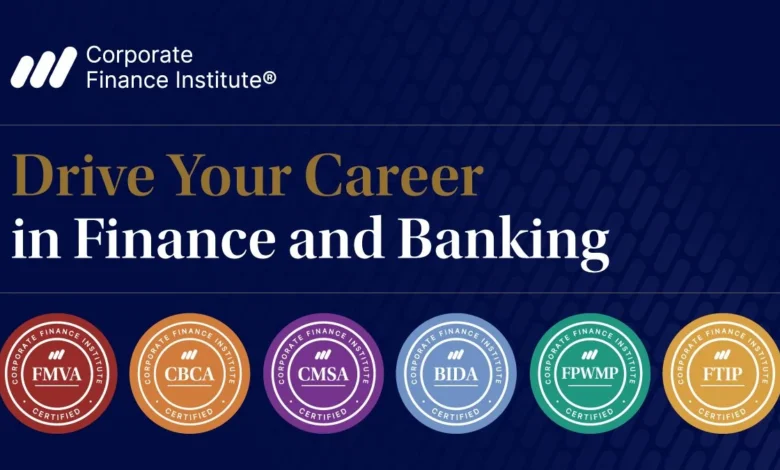
Recognizing this critical skills gap, industry practitioners founded organizations like the Corporate Finance Institute to bridge the divide between academia and corporate reality. CFI’s flagship credential, the Financial Modeling and Valuation Analyst (FMVA) program, along with specialized designations such as the Capital Markets & Securities Analyst (CMSA) and the Business Intelligence & Data Analyst (BIDA), quickly gained international traction. As enrollment numbers surged into the hundreds of thousands across more than 170 countries, the administrative and instructional challenge of onboarding a globally dispersed student body became paramount. The institution realized that intuitive user experience, structured video tutorials, and comprehensive written documentation were not merely convenience features, but rather foundational prerequisites to ensure student retention, course completion, and high-standard professional output.
The Anatomy of the CFI Onboarding Framework
To address the diverse technical proficiency levels of its global student base—ranging from undergraduate finance majors to veteran accountants pivoting into investment banking—CFI engineered a multi-layered orientation protocol. At the core of this system is the student dashboard, a centralized digital hub designed to aggregate all enrolled courses, track progress percentages, store examination records, and manage official certification credentials.
The onboarding process officially begins the moment a student completes their enrollment transaction. They are immediately directed to a welcome portal that features both visual and textual guidance. The primary instructional asset provided to incoming learners is a detailed orientation video, complemented by the official CFI Getting Started Guide. This documentation systematically outlines the mechanics of the platform, ensuring that technical friction does not impede academic progress.
Chronology of a Student’s Initial Integration Phase
Understanding how a student transitions from a novice user to an active participant in the CFI ecosystem requires examining the chronological phases of the onboarding experience:
-
Account Activation and Authentication (Day 1): Upon purchase or subscription registration, users receive secure login credentials via email. The initial login prompts students to authenticate their accounts, secure their passwords, and complete their baseline user profile information, which includes setting up professional designations and time zone preferences.
-
Dashboard Navigation and Resource Acquisition (Day 1 to Day 3): Once inside the student dashboard, learners are introduced to the structural layout of their curriculum. During this phase, students are strongly encouraged to download the CFI Getting Started Guide. This document provides step-by-step instructions on accessing course modules, utilizing downloadable Excel templates, and synchronizing learning schedules with personal calendars.
-
Engaging with the Professional Community (Day 3 to Week 1): A critical component of the modern professional development lifecycle is networking. CFI integrates its student body with external professional networks, specifically guiding learners on how to showcase their ongoing education and eventual certifications on platforms like LinkedIn. This integration helps students signal their expanding skill set to recruiters and hiring managers globally.
-
Commencing Coursework and Technical Setup (Week 1): Before diving into complex financial modeling modules, students ensure their software environments—primarily Microsoft Excel and complementary data analytics tools—are properly configured. The introductory video tutorials walk learners through necessary Excel add-ins, keyboard shortcut packages, and workspace customization settings.
-
Assessment Execution and Certification (Ongoing): As students progress through individual modules, they encounter formative quizzes and summative qualified assessments. The onboarding materials explicitly detail the grading rubrics, passing thresholds, and retake policies associated with these examinations, ensuring transparency and academic integrity. Upon successful completion of all required coursework and final exams, secure digital certificates are generated, complete with verifiable credential identification numbers.
Data and Metrics Surrounding Online Professional Certification
The demand for digital-first financial credentials has expanded exponentially over the past ten years. Industry analysis reports indicate that the global corporate training market, valued at over $350 billion prior to 2020, has experienced an accelerated migration toward digital-first micro-credentials and specialized certifications.
Data compiled from major online learning providers highlights several key trends:
- Completion Rate Disparities: While traditional massive open online courses (MOOCs) often suffer from completion rates hovering between 5% and 15%, structured professional certification programs with clear dashboard tracking and career-incentivized outcomes—such as those offered by CFI—frequently report significantly higher completion rates among paid subscribers, often exceeding 40% to 50% for career-track programs.
- Employer Recognition: Human resources data from top financial hubs (New York, London, Singapore, and Hong Kong) indicates a growing preference for candidates who supplement traditional degrees with verified technical competencies in financial modeling and data visualization.
- Global Reach: Digital education platforms have democratized access to elite-level financial training. Statistics from international professional bodies show that over 60% of modern financial analysts operating in emerging markets utilize digital certification platforms to bridge the knowledge gap historically dominated by elite Western universities.
Institutional Responses and Pedagogical Philosophy
From an institutional perspective, the design of the onboarding process reflects a broader pedagogical philosophy rooted in learner autonomy and practical applicability. Leadership at institutions specializing in professional finance education emphasize that the primary barrier to adult online learning is not intellectual difficulty, but rather organizational friction and unclear pathways to completion.
By standardizing the introduction process through multi-modal resources—combining dynamic video walkthroughs hosted on platforms like YouTube with static, downloadable PDF guides—CFI ensures accessibility for users across varying broadband capabilities and technical literacy levels. Furthermore, the deliberate integration of professional social networks into the early stages of onboarding underscores the institution’s focus on career outcomes rather than mere theoretical knowledge accumulation. Students are taught from day one that the value of a certification lies not only in the knowledge acquired, but in its marketability and visibility to prospective employers.
Broader Economic Impact and Industry Implications
The implications of streamlined digital onboarding frameworks extend far beyond individual student convenience; they play a vital role in shaping the agility and competence of the global financial workforce. As corporations face rapid technological disruption—driven by artificial intelligence, advanced data analytics, and shifting regulatory frameworks—the half-life of professional skills has shortened considerably.
Traditional educational institutions, constrained by bureaucratic curriculum update cycles, often struggle to deliver training that aligns with the day-to-day realities of modern corporate finance departments. In contrast, agile digital training institutions can update their course offerings, modeling templates, and assessment criteria in real-time to reflect new accounting standards, macroeconomic shifts, or emerging software tools.
When onboarding processes are executed efficiently, as demonstrated by CFI’s structural framework, students spend less time deciphering software interfaces and administrative requirements, and more time mastering critical financial concepts such as discounted cash flow (DCF) modeling, leveraged buyout (LBO) analysis, debt sizing, and corporate valuation. This efficiency directly contributes to a more competent, confident, and job-ready talent pool entering the global financial markets.
Conclusion
The initial onboarding experience within a professional development ecosystem serves as the foundation for a candidate’s entire educational journey. Through a meticulous combination of video instruction, comprehensive written documentation, dashboard navigation tutorials, and community integration protocols, institutions like the Corporate Finance Institute have redefined how financial professionals acquire and validate their expertise. As the demand for specialized, digitally delivered financial education continues to grow, the optimization of student onboarding will remain a critical benchmark for institutional success, ultimately empowering analysts around the world to navigate their careers with precision, confidence, and technical mastery.