Starbucks Agrees to $1 Million Settlement With Florida Over Alleged Race-Based DEI Practices

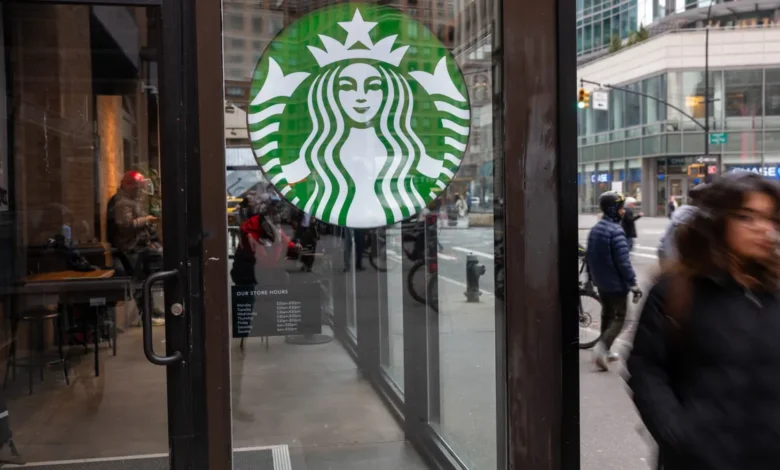
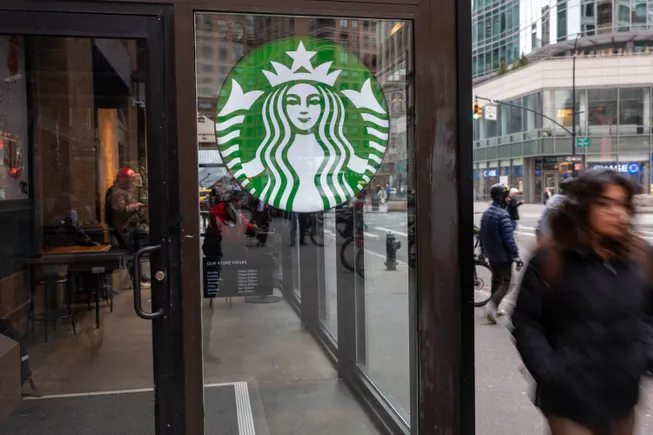
Starbucks Corp. has agreed to pay $1 million to resolve a high-profile lawsuit brought by Florida Attorney General James Uthmeier, which accused the global coffee giant of maintaining illegal race-based employment, hiring, and advancement practices. The voluntary resolution marks a significant milestone in the rapidly evolving legal landscape surrounding corporate Diversity, Equity, and Inclusion (DEI) initiatives.
The lawsuit, initially filed by the Florida Attorney General’s office late last year, alleged that Starbucks systematically excluded or disfavored nonminority candidates and employees across several operational programs. While the coffee titan has agreed to strict compliance measures moving forward, the settlement explicitly notes that Starbucks admits to no legal wrongdoing or liability.
The agreement underscores a broader, aggressive wave of state and federal enforcement actions targeting corporate diversity frameworks, signaling a shifting paradigm for human resources departments, corporate governance, and legal compliance teams nationwide.
Core Allegations and State Contentions
The legal action brought by Florida Attorney General James Uthmeier focused heavily on public-facing and internal corporate documents in which Starbucks outlined explicit demographic targets for its workforce. According to the state’s complaint, these initiatives crossed the line from aspirational diversity goals into unlawful quotas and preferential treatment based strictly on race.
Key allegations highlighted in the state’s filing included:
- Hiring Quotas: Florida cited a 2020 corporate report in which Starbucks publicly stated its intention to achieve a workforce composition where 40% of its retail and distribution center roles, and 30% of corporate roles, were filled by people of color.
- Executive Compensation Incentives: The lawsuit pointed to a 2024 regulatory filing revealing that 7.5% of an executive’s annual cash bonus was directly tied to their service as a mentor to employees who identified as Black, Indigenous, or People of Color (BIPOC).
- Restricted Opportunities: The state claimed that mentorship, networking, and professional development programs systematically excluded individuals belonging to disfavored racial demographics.
- Wage Disparities: The complaint alleged instances where compensation structures varied based on racial classifications.
Under the terms of the newly announced settlement, Starbucks has agreed to strictly adhere to the Florida Civil Rights Act, which prohibits employment discrimination based on race, color, religion, sex, and national origin. Furthermore, the company has pledged not to participate in external organizations that require the implementation of racial diversity mandates for corporate boards. To ensure absolute adherence, Starbucks’ chief legal officer is required to submit annual compliance certifications to the state over a mandatory four-year monitoring period.
Chronology of the Legal Battle
The resolution is the culmination of a multi-year friction point between conservative state officials and major U.S. corporations championing progressive workplace policies.
- September 2020: Starbucks publicly releases its comprehensive representation goals, aiming for significant increases in BIPOC representation across all corporate and retail tiers by 2025.
- December 2025: Florida Attorney General James Uthmeier officially files the civil lawsuit against Starbucks, alleging systemic discrimination against nonminority workers through race-conscious hiring, retention, and promotion policies.
- January 2024–August 2026: Federal regulatory agencies ramp up scrutiny on corporate DEI initiatives, issuing clear guidance that certain targeted programs violate Title VII of the Civil Rights Act of 1964. Multi-million-dollar federal settlements involving major consultancy and financial institutions set a hostile precedent for corporate diversity programs.
- September 2026: Starbucks and the Florida Attorney General’s office reach a $1 million voluntary resolution, bringing a close to the state-level litigation while imposing a four-year reporting requirement.
Official Responses and Corporate Stance
Despite agreeing to financial penalties and substantial operational adjustments, Starbucks maintains that its core mission remains rooted in creating inclusive spaces and equitable career paths for its workforce, commonly referred to as "partners."
Pilar Ramos, executive vice president and chief legal officer at Starbucks, issued a formal statement addressing the resolution. Ramos emphasized that the settlement does not constitute an admission of guilt or wrongdoing by the corporation.

"We will continue to focus on offering great jobs and career opportunities to our partners who wear the green apron, while making a positive impact on the communities we serve in Florida and around the world," Ramos stated.
From the state’s perspective, Attorney General Uthmeier championed the resolution as a decisive victory for equal protection under the law. Uthmeier’s office argued that employment decisions should be strictly merit-based, asserting that corporate America must not bypass civil rights statutes in pursuit of demographic quotas or political objectives.
Broader Federal Context and Parallel Enforcement
The legal pressure on Starbucks did not occur in a vacuum. Uthmeier’s enforcement action closely mirrors a coordinated, multi-year federal campaign spearheaded by the administration to dismantle corporate DEI structures deemed discriminatory against nonminorities.
Federal agencies, including the U.S. Equal Employment Opportunity Commission (EEOC) and the U.S. Department of Justice (DOJ), have aggressively reinterpreted federal civil rights laws. Both agencies have published extensive compliance guidance warning employers that programs exclusively targeting specific racial or gender demographics for hiring, mentorship, or promotion violate federal statutes.
This federal posture has materialized in massive financial penalties for major corporations:

- Accenture Settlement: In late summer 2026, the DOJ announced a staggering $25 million settlement with professional services giant Accenture over allegations that the firm factored race and sex into hiring and promotion decisions to satisfy internal demographic targets.
- Deloitte Agreement: Just weeks prior, Deloitte inked a $21.5 million settlement with the DOJ to resolve claims that its staffing, hiring, and promotion protocols unlawfully favored certain demographic groups over others.
- Northwestern Mutual Subpoena Enforcement: The EEOC has actively utilized federal courts to compel corporate compliance with investigative subpoenas. In July, a federal judge ordered financial services firm Northwestern Mutual to comply with an extensive EEOC probe into its internal diversity, equity, and inclusion policies—a decision legal analysts view as a green light for aggressive federal oversight.
Implications for Corporate America and Human Resources
The Starbucks settlement, paired with the recent wave of multi-million-dollar federal penalties, marks a fundamental turning point for corporate governance. For years following the social justice movements of 2020, Fortune 500 companies rapidly implemented race- and gender-conscious recruitment metrics, supplier diversity programs, and executive compensation incentives tied to demographic milestones.
Now, legal experts advise corporate boards and human resources executives to conduct comprehensive audits of their existing DEI frameworks. Practices that explicitly tie financial compensation to demographic benchmarks, restrict professional development programs by race, or establish fixed hiring percentages are facing unprecedented legal vulnerability from both state attorneys general and federal regulators.
As companies navigate this volatile legal terrain, the emphasis is rapidly shifting from race-conscious initiatives toward "broad-based inclusion"—focusing outreach on socioeconomic status, veterans, first-generation college students, and regional community investments. These alternative pathways allow companies to foster diverse talent pipelines without triggering the legal landmines associated with race-exclusive programs.
The $1 million penalty paid by Starbucks may be a modest sum for a global coffee empire, but the four-year compliance oversight and the chilling effect it casts on corporate boardrooms signify that the era of aggressive, metric-driven corporate DEI is facing a formidable, legally enforced retreat.