Beyond the Policies: How Human Resources Professionals Shape Long-Term Organizational Legacies

The modern human resources (HR) professional is frequently caught in a relentless cycle of operational demands, navigating everything from complex project management frameworks and dynamic employee engagement initiatives to executive coaching and crisis management. Yet, beneath the daily flurry of compliance audits, compensation reviews, and strategic revisions lies a fundamental question that few practitioners pause to answer: When the dust settles and years of organizational planning have run their course, what tangible and intangible footprint does HR actually leave behind?
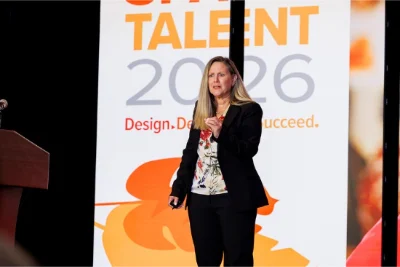
This overarching theme took center stage during a recent professional development conference session led by Joan Peterson, Vice President, Master Facilitator, and Leadership Coach at Bluepoint Leadership. Peterson’s presentation sought to reframe how HR leaders view their professional contributions, moving beyond the conventional metrics of turnover rates and time-to-hire to examine the lasting human and cultural imprint these leaders impart on their organizations over the course of their careers.
The Multifaceted Role of Modern HR Leadership
To understand the weight of an HR leader’s legacy, one must first examine the sheer breadth of responsibilities modern practitioners shoulder. Historically viewed primarily as administrative or personnel departments, human resources has evolved into a strategic pillar of the C-suite. Today’s HR leaders are expected to act as change agents, data analysts, cultural architects, legal compliance officers, and trusted confidants to executive leadership.
This convergence of operational and strategic duties often leaves HR professionals feeling stretched thin. According to recent workplace studies, over 65% of HR leaders report feeling moderate to high levels of burnout, driven largely by the competing demands of employee advocacy and corporate profitability. Despite these hurdles, the impact of effective HR leadership resonates deeply throughout an organization’s lifecycle. From the implementation of hybrid work policies that improve overall quality of life to the establishment of transparent feedback loops that foster psychological safety, the decisions made by HR departments fundamentally shape the daily experiences of the workforce.
Peterson’s session directly addressed this dynamic, offering attendees a moment of reflection and validation—what she colloquially referred to as giving HR professionals "their flowers" for the invisible and heavy labor they perform daily. Rather than focusing solely on tactical execution, Peterson urged participants to look at the broader horizon of their professional journeys.
Telling Your Story: The Six-Word Memoir Exercise
At the heart of Peterson’s presentation was an interactive exercise adapted from Smith Magazine’s famous six-word memoir trend. By challenging attendees to distill their professional philosophy and intended legacy into precisely six words, the session forced a transition from vague aspirations to concise, intentional statements of purpose.
"What imprint do you want to leave?" Peterson asked the audience during the session. "What is it that you want to leave behind you? It could be programs, it could be measurement, it could be metrics. It could be that someone felt seen by you. I do believe that if we start thinking about the imprint we want to leave, we’ll show up differently today."
The exercise yielded a diverse array of responses from the participating HR leaders. Some focused on authenticity, emphasizing the importance of staying true to oneself amidst corporate pressures. Others highlighted the cultivation of specific behavioral standards, noting that leaders must embody the cultural values they wish to see reflected in their teams. A third category of responses centered on institutional resilience—building robust, supportive structures designed to offer long-term stability and security to colleagues and future employees who have not yet even been hired.
These diverse reflections underscore a central tenet of modern organizational psychology: true leadership legacy is rarely defined solely by the bottom line or the successful rollout of a new software platform. Instead, it is defined by the cultivation of trust, dignity, and psychological safety within the workplace.
The Evolution of HR Metrics and Cultural Impact
Historically, human resources has struggled with the quantification of its value. For decades, the department was evaluated primarily through administrative efficiency metrics: cost per hire, payroll accuracy, and benefits administration speed. However, as organizations increasingly recognize human capital as their primary competitive advantage, the scope of HR evaluation has shifted dramatically.
In the contemporary business landscape, the legacy of an HR leader is increasingly measured by qualitative outcomes alongside quantitative data. Employee Net Promoter Scores (eNPS), retention rates of high-potential talent, diversity, equity, and inclusion (DEI) milestones, and organizational agility during periods of macroeconomic uncertainty have become the new yardsticks of success.
Furthermore, Peterson’s emphasis on self-reflection touches upon a critical vulnerability in the profession: the tendency for HR practitioners to neglect their own well-being while managing the emotional and professional needs of others. By advocating for self-respect and the deliberate acknowledgment of the profession’s importance, Peterson highlighted a foundational prerequisite for sustainable leadership.
"When you think about your role," Peterson explained, "you set the stage for people to be themselves, and building that trust requires us to show up as ourselves as well."
This concept of authentic presence aligns with contemporary management theory, which suggests that transformational leadership cannot occur in the absence of genuine vulnerability and emotional intelligence. When HR leaders model authenticity, they grant permission for the broader workforce to do the same, thereby dismantling corporate armor and fostering deeper organizational trust.
Broader Implications and Industry Analysis
The discussions catalyzed by Peterson’s session point to a broader evolution occurring within the human resources sector globally. As organizations grapple with complex socioeconomic shifts—including generational workforce transitions, rapid advancements in artificial intelligence, and evolving expectations around work-life integration—the role of HR is undergoing a profound metamorphosis.
Industry analysts suggest that the next decade of human resources leadership will be defined by the ability to balance technological efficiency with radical human-centricity. As automation and AI streamline routine administrative tasks, HR professionals are uniquely positioned to reclaim hours previously lost to paperwork and redirect them toward strategic talent development, culture-building, and leadership coaching.
However, this transition requires a deliberate shift in mindset. If HR leaders continue to view themselves primarily as reactive problem-solvers rather than proactive architects of corporate legacy, they risk remaining trapped in cycles of operational burnout. Conversely, adopting the forward-looking perspective championed by Peterson—where daily actions are viewed through the lens of a long-term professional imprint—can profoundly transform both individual job satisfaction and organizational health.
Moreover, the emphasis on legacy-building has significant implications for executive retention and succession planning within human resources itself. Organizations that encourage their HR teams to reflect on their long-term impact tend to experience higher levels of engagement and lower turnover within the department. When practitioners feel that their work is recognized not merely as a series of administrative transactions, but as a lasting contribution to human development, their commitment to the organization deepens correspondingly.
Conclusion: Redefining the HR Footprint
The challenges facing modern human resources are unlikely to abate. Economic fluctuations, technological disruptions, and shifting workforce demographics will continue to test the resilience and adaptability of HR leaders. Yet, amidst the myriad policies, procedures, and strategic plans, the core mission of human resources remains fundamentally human.
Joan Peterson’s insights serve as a timely reminder that the true measure of an HR career extends far beyond annual reports and compliance checklists. By intentionally considering the six-word legacy they wish to leave behind, human resources professionals can alter their daily trajectories, foster deeper trust, and build organizational cultures that endure long after their tenure has concluded.
Ultimately, the legacy of an exceptional HR leader is not found in the binders of archived policies, but in the confidence of the employees they empowered, the resilience of the teams they supported, and the enduring human spirit they helped cultivate within the workplace.
Related posts: