The Evolution and Economic Impact of the Global Ecommerce Industry in the Twenty-First Century

Electronic commerce, commonly known as ecommerce, has transitioned from a niche technological experiment in the late twentieth century to the foundational pillar of the modern global economy. Defined as a digital platform and business model that facilitates the buying and selling of products and services over the internet, ecommerce encompasses a vast spectrum of activities ranging from retail sales on platforms like Amazon to online banking, software-as-a-service (SaaS) providers, and remote consulting. While the term is frequently used to describe the digital equivalent of physical retail stores, its technical scope includes any transaction conducted via electronic networks. As digital connectivity becomes a near-universal utility, the distinction between traditional commerce and ecommerce continues to blur, signaling a fundamental shift in how value is exchanged globally.
The Definitional Ambiguity of a Digital Frontier
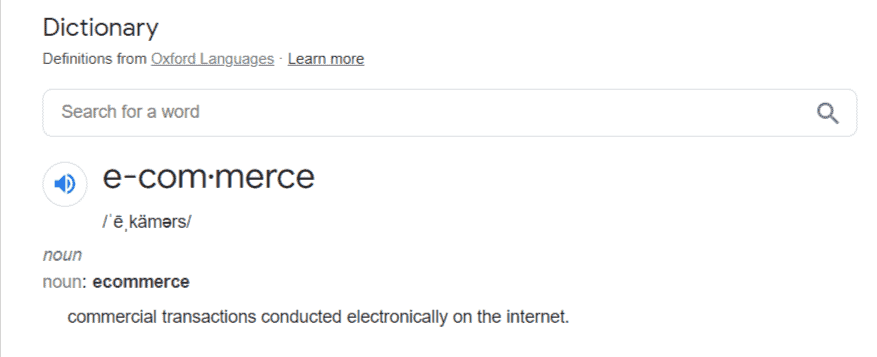
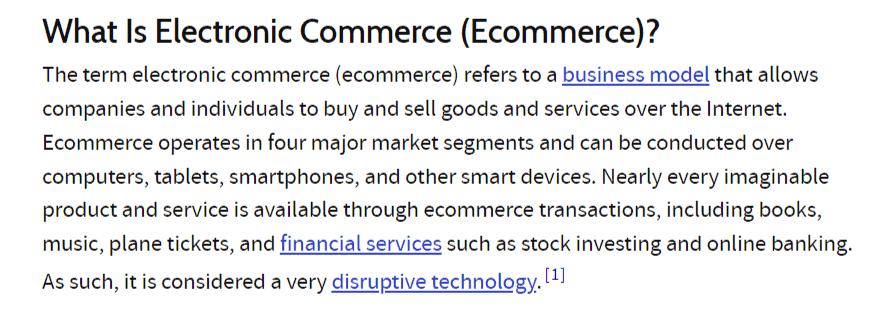
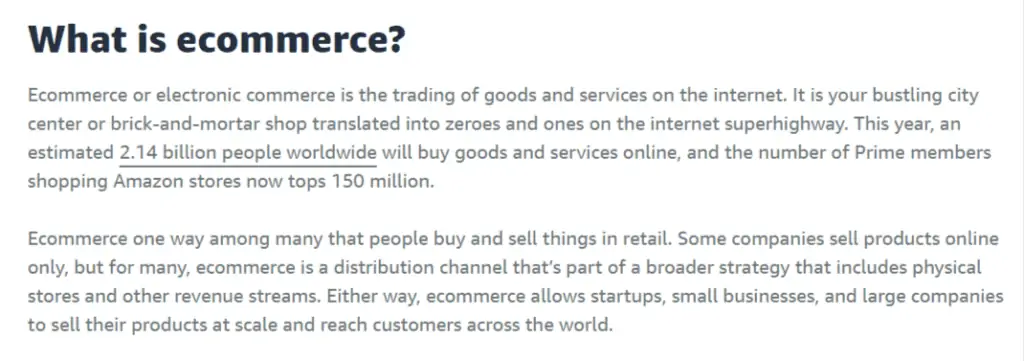
Despite its ubiquity, a singular, universally accepted definition of ecommerce remains elusive. Various industry leaders and financial institutions characterize the sector based on their specific operational focus. Google defines ecommerce broadly as any transaction made on the internet, emphasizing the act of the exchange. Conversely, Investopedia views it through the lens of a "business model," focusing on the ability of firms to conduct sales across various devices. Amazon, the world’s largest online retailer, describes it as the transformation of brick-and-mortar storefronts into online distribution channels, highlighting the industry’s role in expanding a brand’s reach to a global audience.
Industry experts Alexander Graf and Holger Schneider, authors of "The E-Commerce Book," suggest that this lack of consensus is a byproduct of the industry’s rapid integration into every facet of professional life. They argue that as ecommerce becomes embedded in every corporate process and tool, it becomes harder to isolate as a separate entity. Graf and Schneider also express skepticism toward modern buzzwords such as "omnichannel" or "multichannel ecommerce," which they often view as linguistic attempts to mask failing traditional strategies. For the purpose of economic analysis, the industry is best understood as a subset of "e-business," where ecommerce specifically refers to the transaction of goods and services, while e-business covers the broader spectrum of online operations, including internal management, sales calls, and digital contract execution.
A Chronology of the Digital Marketplace
The history of ecommerce is marked by several pivotal technological milestones that paved the way for the current $5 trillion global market.
- 1984: The Pre-Internet Pioneer. In May 1984, Jane Snowball, a 72-year-old resident of the United Kingdom, used a television-based system called Videotex to order groceries from a local Tesco. This event is often cited by historians as the earliest form of domestic "teleshopping."
- 1994: The Birth of Secure Transactions. The modern era of ecommerce officially began in 1994 when Phil Brandenberger purchased Sting’s "Ten Summoner’s Tales" CD for $12.48 using his Mastercard. This transaction was revolutionary because it utilized encryption technology for the first time, proving that the internet could be a secure environment for financial data.
- The Mid-1990s: The Rise of the Giants. The mid-1990s saw the founding of Amazon (1994) and eBay (1995) in the United States, alongside the emergence of Alibaba (1999) in China. These companies capitalized on increasing internet penetration and the digitalization of financial systems to challenge the dominance of physical retail.
- The 2000s: Search and Social Integration. The growth of Google introduced performance-based marketing and Search Engine Optimization (SEO), allowing businesses to target consumers based on intent. Later, the rise of social media platforms added a layer of interactivity, turning the online shopping experience into a social activity.
- 2010–Present: The Mobile and Social Revolution. The proliferation of smartphones has shifted the majority of ecommerce traffic to mobile devices. Today, the industry is moving toward "social commerce," where transactions occur directly within apps like Instagram and TikTok, further shortening the customer journey.
Statistical Overview of Industry Growth
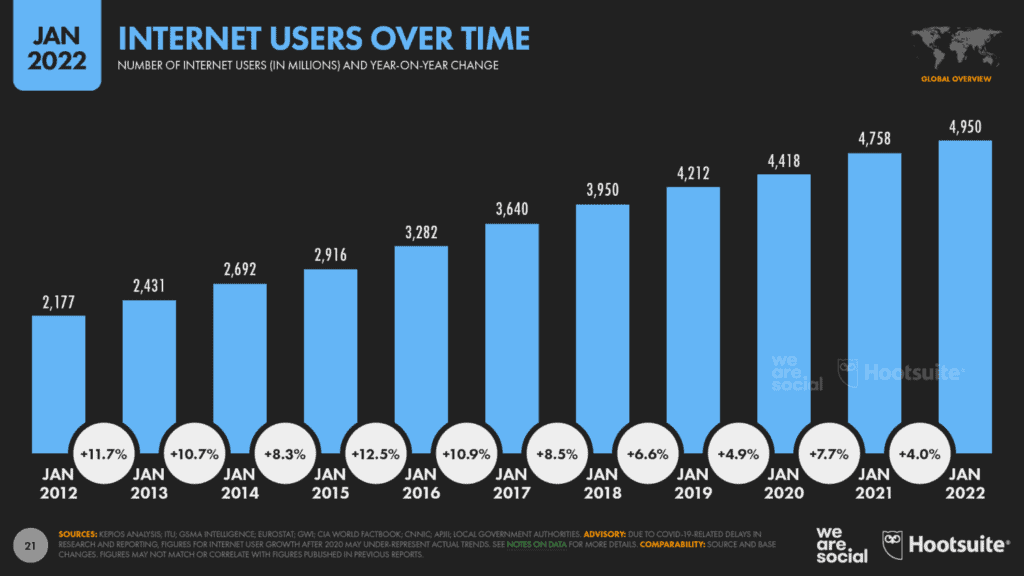
The economic impact of ecommerce is supported by staggering data regarding internet usage and consumer behavior. According to recent global overview reports, there are now more people with access to a smartphone than there are residents in urban centers. In 2021 alone, Amazon reported a revenue of $469.8 billion, driven by over 200 million Prime members who spend an average of $1,400 annually on the platform.
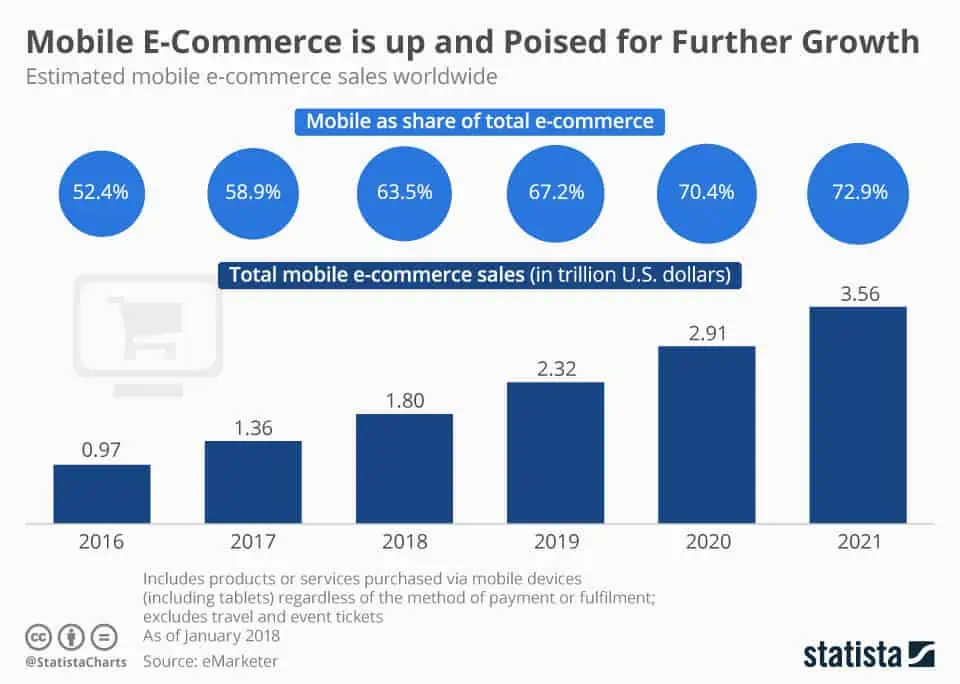
The workforce has also seen a massive shift. Data from the U.S. Bureau of Labor Statistics (BLS) indicates that employment in the ecommerce sector grew by 80% between 1997 and 2016. As of 2022, the industry employs nearly 800,000 individuals in the United States alone. This growth has come at the expense of traditional retail, which has seen a steady decline in market share as consumers prioritize the convenience and price transparency offered by digital storefronts.

Classification of Ecommerce Business Models
To understand the diversity of the industry, analysts categorize ecommerce based on the parties involved in the transaction:

Business to Consumer (B2C)
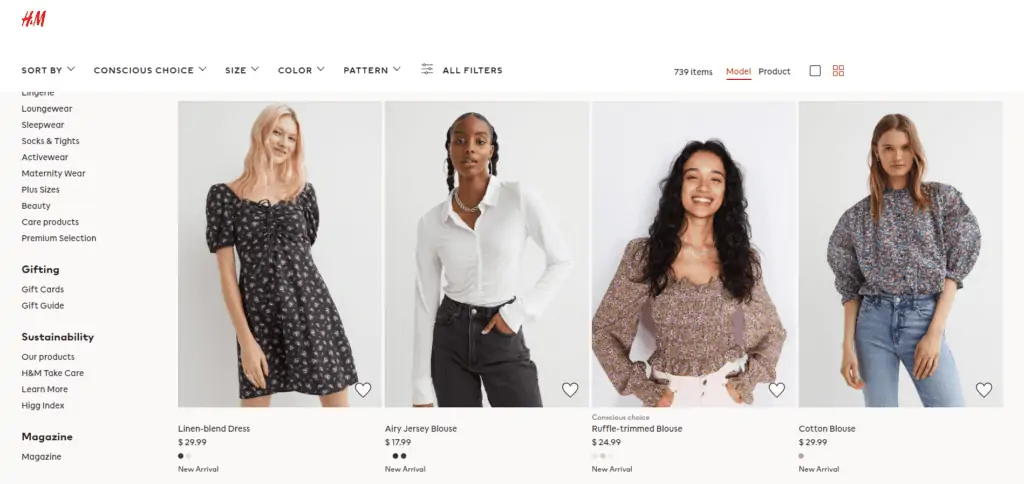
This is the most visible form of ecommerce, where companies sell products directly to individuals. Brands like H&M or Cocokind utilize sophisticated digital storefronts to manage the entire customer experience, from discovery to post-purchase support.

Direct to Consumer (D2C)
A subset of B2C, D2C brands like Allbirds or Warby Parker bypass traditional intermediaries like department stores or third-party retailers. By owning the distribution channel, these brands build deeper relationships with their audience and retain higher profit margins.

Business to Business (B2B)
B2B ecommerce involves transactions between companies and is often more complex than B2C. These platforms, such as Avery Dennison’s online store, must handle bulk orders, multi-user approvals, and complex payment terms. The B2B digital market is currently larger in total transaction value than the B2C market.
Consumer to Consumer (C2C) and Consumer to Business (C2B)
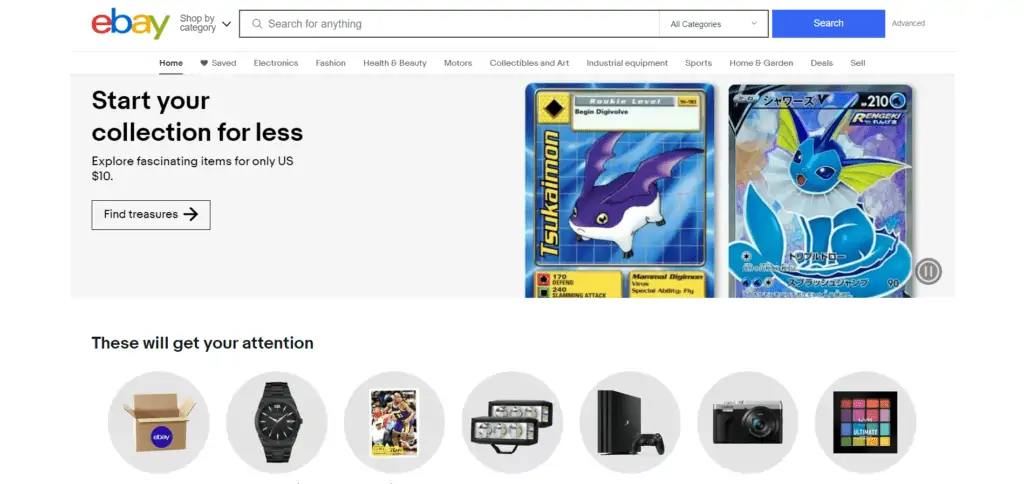
C2C platforms like eBay and Depop allow individuals to trade with each other, creating a global "garage sale" economy. C2B is less common but involves individuals selling services or assets to companies, such as photographers selling royalty-free images to businesses via Shutterstock.
Operational Strategies and Service Models
The "what" and "how" of ecommerce are as varied as the "who." Beyond traditional retail, several specialized models have emerged:
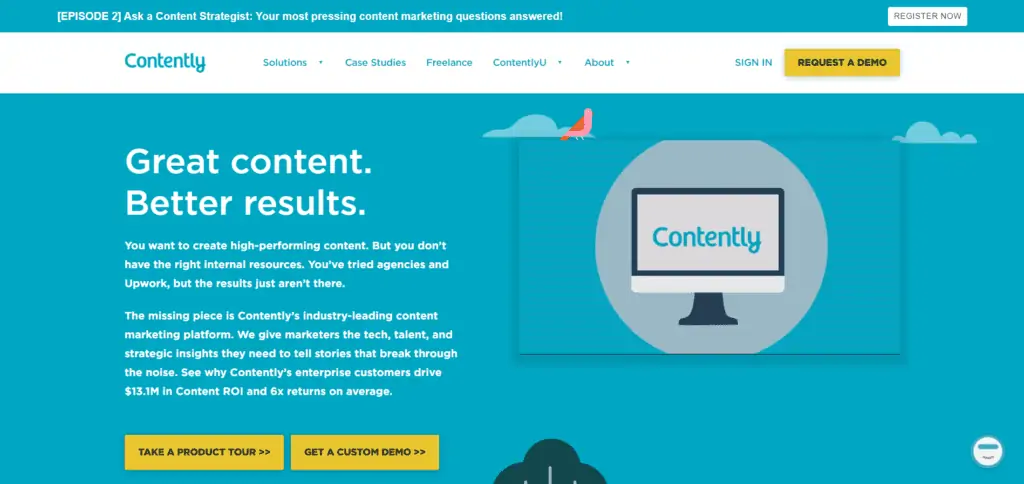
- SaaS and Subscriptions: Companies like HubSpot or Netflix "rent" access to software or content. This model provides businesses with recurring revenue and consumers with lower entry costs.
- Dropshipping: A low-risk entry point for entrepreneurs where the retailer sells products that are shipped directly from the supplier. Apps like Oberlo and platforms like AliExpress have democratized this model.
- Digital Products: This includes ebooks, online courses (Skillshare), and virtual goods. These products have zero marginal cost of reproduction, making them highly scalable.
- Crowdfunding: Platforms like Kickstarter allow businesses to raise capital directly from consumers before a product is manufactured, effectively turning customers into early-stage investors.
The Infrastructure: Platforms and Marketplaces
The growth of ecommerce has been facilitated by a robust infrastructure of platforms that allow businesses to launch online stores without technical expertise.

- Shopify: Currently powering over 3.7 million websites, Shopify holds a 32% market share in the U.S. ecommerce platform space. It is favored by small to medium businesses for its "all-in-one" hosted solution.
- WooCommerce: As an open-source plugin for WordPress, WooCommerce powers over 5 million live sites, offering unparalleled customization for those with basic technical knowledge.
- Magento (Adobe Commerce): Targeted at enterprise-level clients, Magento offers deep customization and scalability for large corporations with complex requirements.
- The Marketplace Ecosystem: Amazon, eBay, and Etsy represent the "malls" of the internet. While they offer massive traffic, they also demand high fees and provide less control over branding than independent websites.
Future Implications: Web3 and Decentralized Commerce
The next phase of ecommerce is expected to be defined by decentralization. The development of blockchain technology and the "Web3" movement seeks to put users in control of their data and transactions. Projects like the Boson Protocol and Origin Protocol are exploring decentralized marketplaces that operate without a central authority, potentially reducing transaction fees and increasing transparency.

Furthermore, as augmented reality (AR) and the metaverse continue to evolve, the "offline" shopping experience is expected to integrate more digital layers. Experts predict that the term "ecommerce" may eventually be retired, as all commerce will inherently involve a digital component. For businesses, the implication is clear: digital integration is no longer an optional strategy but a requirement for survival. The transition from physical to digital is not merely a change in medium, but a total reimagining of the relationship between brand and consumer in a borderless, 24/7 marketplace.