Taylor Swift’s Sourdough Obsession Offers Surprising Lessons for Workplace Performance Management

The cultural phenomenon surrounding Taylor Swift extends far beyond sold-out stadiums, record-breaking album sales, and cinematic concert releases. In recent months, the global superstar’s domestic pursuits—most notably her culinary foray into artisanal sourdough baking—have inadvertently captured the attention of an entirely different demographic: human resources professionals and corporate executives. While pop culture observers analyze song lyrics and fashion choices, workplace management experts are examining the unexpected parallels between cultivating a successful sourdough starter and implementing an effective Employee Performance Improvement Plan (PIP).
Although the comparison at first glance may seem unconventional, labor and employment attorneys note that the foundational principles governing both processes share a striking mechanical similarity. According to legal and management specialists, achieving sustainable results in either baking or employee retention requires precise foundational ingredients, deliberate multi-step execution, measured patience, and a definitive evaluation phase. As organizations navigate increasingly complex labor markets, shifting remote-work dynamics, and persistent productivity challenges, industry analysts are looking to unconventional metaphors to reframe how management approaches underperforming staff.
The Intersection of Artisan Baking and Human Resources Management
The culinary trend of sourdough baking experienced a massive resurgence during global lockdowns, but its recent adoption by high-profile cultural figures like Swift has brought the craft back into mainstream public consciousness. Baking a traditional loaf of sourdough requires time, scientific precision, and consistent maintenance. If a baker neglects the starter, fails to regulate ambient temperature, or rushes the fermentation process, the final product is invariably dense, unpalatable, or ruined.
Similarly, workplace human resources consultants argue that corporate performance management frequently fails due to rushed execution and inadequate preparation. According to workplace data compiled by various human resources associations, poorly handled performance management systems are a leading driver of voluntary employee turnover and, conversely, costly wrongful termination litigation. When a manager initiates a PIP only as a punitive precursor to firing an employee, the process often mirrors a ruined baking cycle: flawed from inception and destined for failure.
To bridge this conceptual gap, management experts have outlined a structured, five-phase framework that draws direct inspiration from the art of bread-making. This methodology emphasizes proactive leadership, continuous feedback, and constructive development over reactionary discipline.
Phase One: Feeding the Starter and Setting Clear Expectations
In sourdough baking, an inactive or starving starter will never produce a rise. The yeast requires consistent nourishment through precise measurements of flour and water to reach an active state before it can be introduced to a larger dough mixture.
In an employment context, this translates to the foundational responsibilities of leadership: onboarding, training, providing necessary tools, and establishing crystal-clear performance expectations. Labor attorneys emphasize that a formal Performance Improvement Plan should never serve as an employee’s first notification that their work is substandard. Comprehensive performance management requires ongoing dialogue, routine one-on-one meetings, and immediate resource allocation long before formal corrective measures become necessary.
Before placing an underperforming staff member on a PIP, management must internally audit whether the employee was given adequate resources, sufficient training, and a realistic understanding of role requirements. If an organization fails to provide these foundational elements, implementing a punitive improvement plan is legally and ethically indefensible, akin to blaming the yeast for starving in an empty jar.
Phase Two: The Multi-Step Process of Stretch-and-Fold
Once a sourdough starter is active, the bread-making process transitions into a labor-intensive cycle known as bulk fermentation, which frequently incorporates a "stretch-and-fold" technique. Rather than mixing the dough once and abandoning it in a bowl, bakers periodically stretch and fold the dough at specific intervals. Each iteration strengthens the gluten matrix, increasing the elasticity and structural integrity of the final loaf.
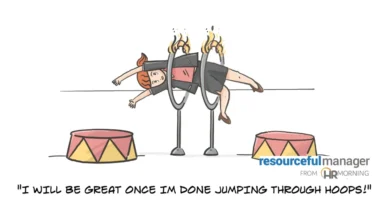
This iterative development process mirrors how an effective PIP should function within a corporate environment. Handing an employee a performance plan and walking away until a distant deadline arrives is a recipe for failure. Instead, management must establish a structured cadence of regular check-ins, targeted feedback sessions, and direct observation of daily work products.
During these interim reviews, supervisors must actively evaluate whether the employee understands the corrective trajectory, identify operational obstacles impeding progress, and refine goals as necessary. Much like kneading dough, consistent, supportive engagement strengthens the professional capabilities of the employee, transforming weak performance into structural competence.
Phase Three: The Critical Role of Patience and Realistic Timelines
Perhaps the most universally acknowledged challenge in both artisan baking and personnel management is the element of patience. Sourdough bulk fermentation cannot be artificially compressed without severely compromising the crumb structure and flavor profile of the bread. Yeast requires biological time to consume sugars and produce carbon dioxide; rushing this timeline yields a subpar product.
In the workplace, employees require a reasonable, good-faith window of opportunity to internalize constructive feedback, learn new operational workflows, and demonstrate consistent behavioral modification. The appropriate duration of a PIP necessarily varies depending on the complexity of the role and the severity of the performance deficiency. However, labor experts caution against establishing arbitrary, compressed deadlines or dynamically shifting performance metrics once a plan has officially commenced.
Unrealistic timelines demoralize workers, signal management’s bad faith, and expose the organization to legal liabilities associated with pretextual terminations. A well-constructed timeline ensures that both employer and employee have sufficient operational runway to accurately evaluate genuine capability and improvement.
Phase Four: Applying the Heat and Evaluating Real-World Performance
In baking, all preparation, feeding, and patience culminate in a single, definitive test: placing the shaped loaf into a blazing hot oven. The heat acts as the ultimate evaluator, revealing whether the gluten structure was properly developed, whether the fermentation was executed correctly, and whether the baker’s craft was successful.
For corporate leadership, "applying the heat" translates to evaluating whether an employee’s documented improvements hold up under normal, unassisted operating pressures once the formal PIP has concluded. Supervisors must conduct a rigorous, objective assessment of post-PIP output. Key performance indicators during this evaluation window include consistency in meeting operational deadlines, a measurable reduction in recurring errors, strict adherence to established compliance procedures, and the ability to autonomously execute core responsibilities under standard workplace stress.
Phase Five: The Ultimate Goal—A Better Loaf and Retained Talent
A common misconception among poorly trained managers is that a Performance Improvement Plan is merely a mandatory administrative formality designed to legally justify a termination. Industry analysts argue that this mindset fundamentally undermines the purpose of human capital investment.
If the sole objective of baking sourdough were to discard the finished product into the waste bin, the entire multi-day process of feeding starters, mixing dough, monitoring fermentation, and baking would be entirely irrational. The fundamental goal of baking is to produce a nourishing, high-quality loaf of bread.
Similarly, the primary objective of a well-administered PIP should be successful rehabilitation and retention. When executed correctly, a performance plan provides an underperforming worker with a transparent diagnostic of their shortcomings, a structured roadmap for correction, and an authentic opportunity to succeed. Simultaneously, it offers corporate leadership a defensible, objective framework to evaluate performance outcomes fairly.
Broader Implications for Modern Human Resources Strategies
As modern corporations grapple with evolving workplace expectations, employee engagement metrics, and retention pressures, legal and management professionals continue to stress the importance of structured, empathetic, and communicative leadership styles. The intersection of pop culture trends—such as celebrity culinary hobbies—and corporate governance highlights an ongoing shift toward accessible, relatable paradigms in professional development.
By viewing performance management through the lens of patience, foundational support, and iterative development, organizations can reduce costly turnover, mitigate legal exposure, and foster a culture of continuous improvement. Ultimately, whether baking artisan bread in a domestic kitchen or managing complex teams in a corporate boardroom, the underlying formula for sustainable success remains remarkably consistent: preparation, patience, ongoing engagement, and a commitment to positive outcomes.