The Best Time to Post on YouTube and YouTube Shorts in 2025: A Data-Driven Analysis of Engagement Patterns and Algorithm Optimization

The digital landscape of video content has undergone a significant transformation as 2025 approaches, with new data revealing a dramatic shift in how audiences consume both long-form and short-form content. According to an extensive analysis of 1.8 million videos conducted by social media management platform Buffer, the optimal window for publishing content on YouTube has moved away from traditional mid-week slots toward weekend mornings for long-form videos and late-week evenings for YouTube Shorts. This comprehensive study, which tracked median engagement across every hour of the week, provides a technical roadmap for creators and marketers seeking to maximize the algorithmic reach of their content.
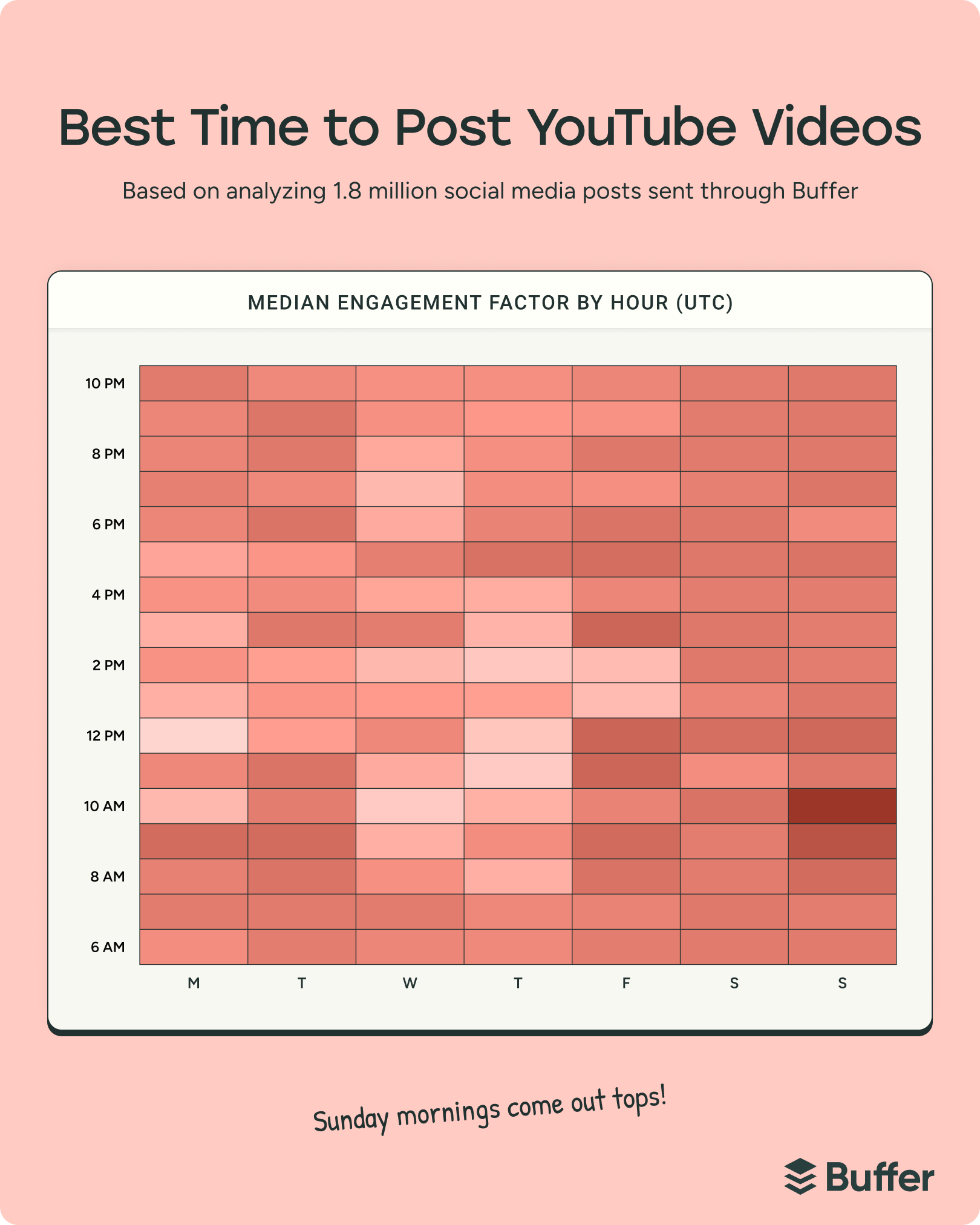
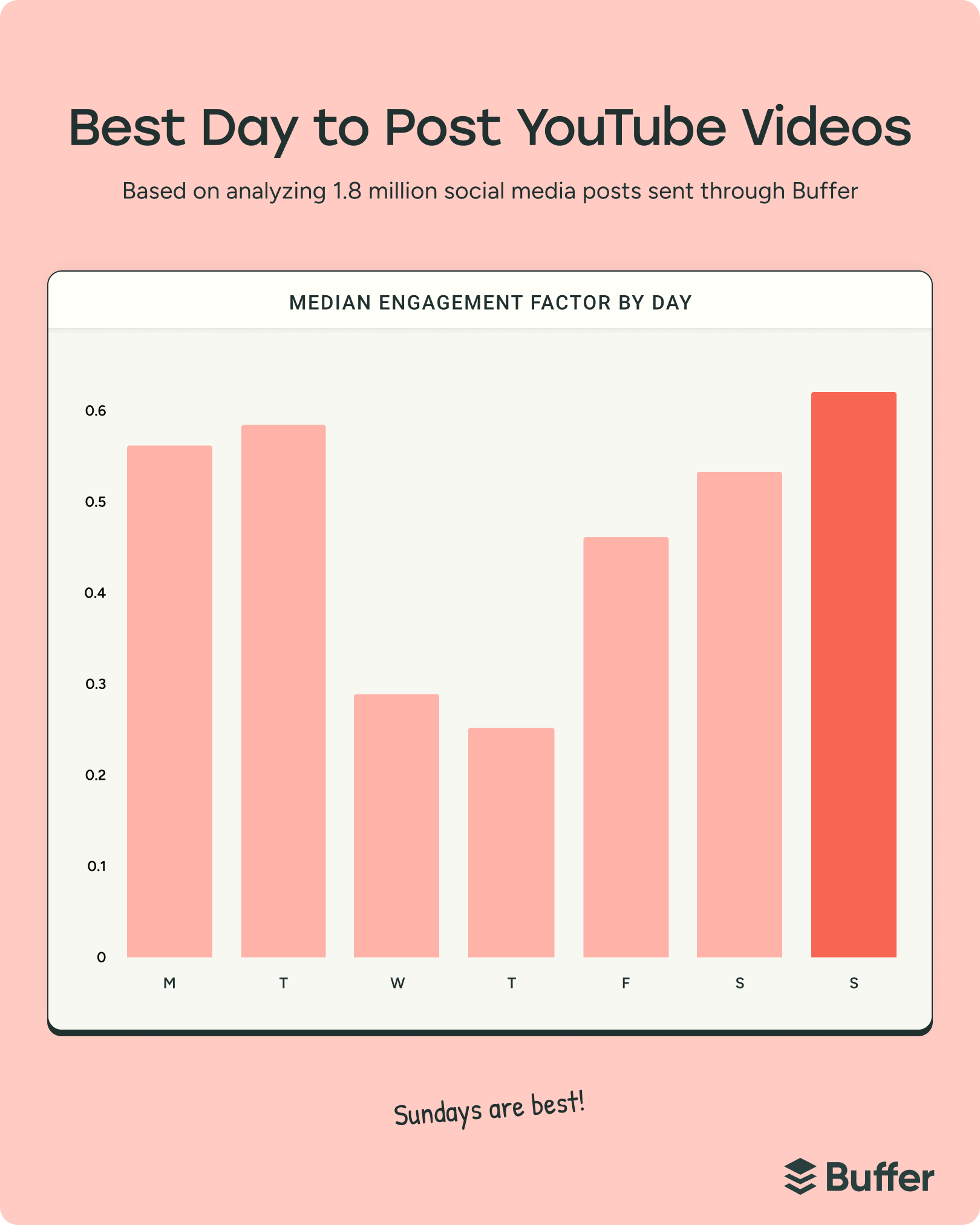
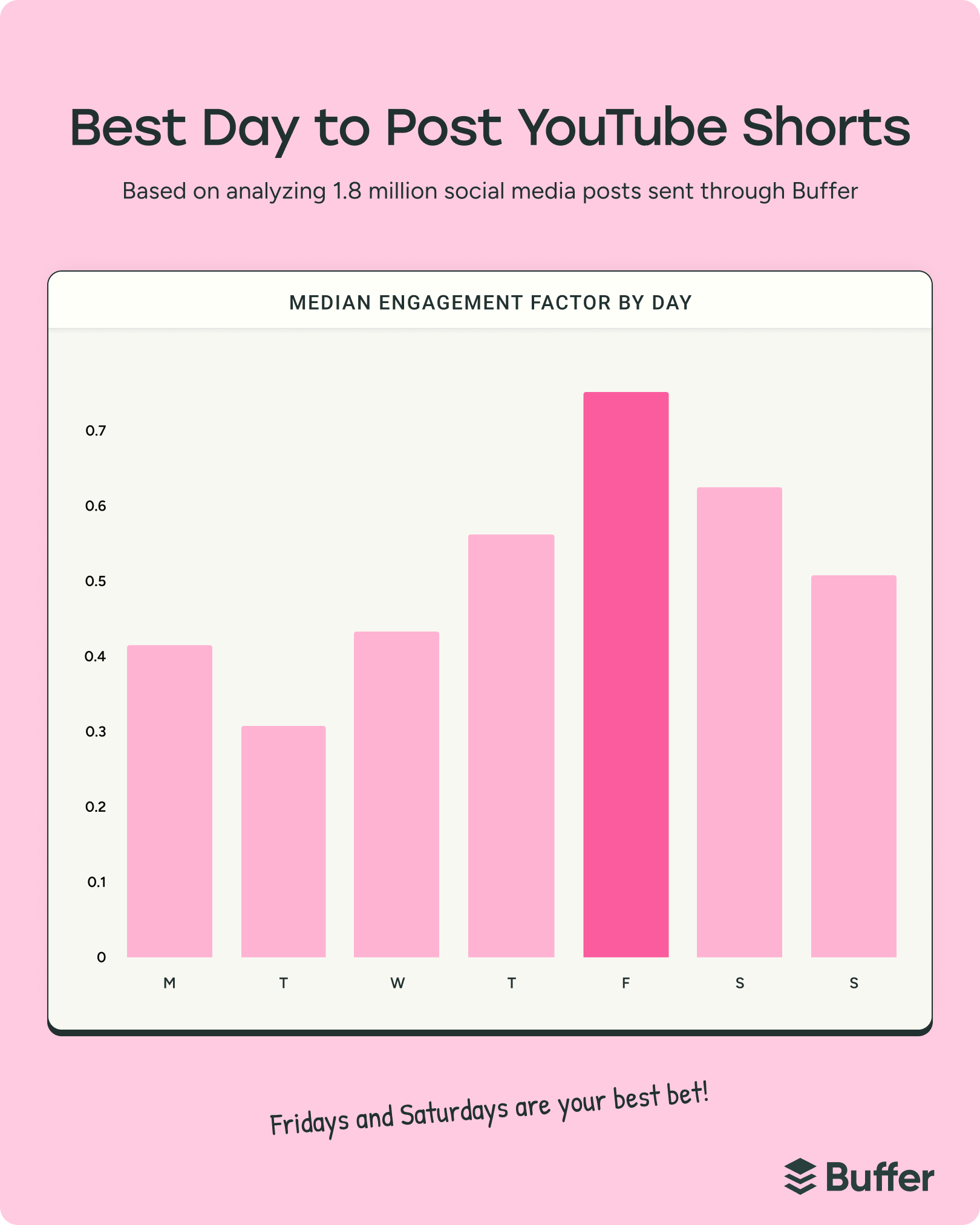
The core findings of the report indicate that the single best time to post long-form YouTube videos is Sunday at 10 a.m. local time. Conversely, the environment for YouTube Shorts is entirely different, with Friday emerging as the dominant day, specifically during the evening blocks of 4 p.m., 6 p.m., and 7 p.m. These findings underscore a growing divergence in how the YouTube algorithm treats different formats and how user psychology varies between leaned-back long-form viewing and high-frequency short-form scrolling.
The Evolution of the YouTube Algorithm and the Importance of Timing
While YouTube’s recommendation engine has become increasingly sophisticated, moving toward a "satisfaction-based" model rather than purely view-based metrics, the timing of an upload remains a critical "hygiene factor." When a video is published during peak audience activity, it is more likely to accumulate immediate engagement signals, such as high click-through rates (CTR), early likes, and sustained watch time. The algorithm interprets these early signals as a proof of quality, subsequently pushing the video to a broader "seed audience" and eventually the "Home" and "Suggested" feeds.
Historically, the consensus among digital marketers favored mid-week afternoons, typically Tuesday through Thursday between 2 p.m. and 4 p.m., to catch viewers as they finished work or school. However, the 2025 data suggests a "weekend-heavy" shift. This change is attributed to the rise of Connected TV (CTV) viewing, where families and individuals treat YouTube as a primary entertainment source on weekend mornings, mirroring traditional Saturday morning broadcast patterns.
Detailed Chronology: The Long-Form Performance Spectrum
The analysis categorizes engagement levels into "strong," "moderate," and "weak" zones. For long-form content, the data reveals a clear preference for morning uploads across the early part of the week.
The Strong Zone: Sunday, Monday, and Tuesday
Sunday at 10 a.m. achieved the highest engagement factor of the entire study, scoring a 0.95. This is followed by a secondary peak on Sunday at 9 a.m. (0.80). Monday and Tuesday also remain high-performing days, particularly at 9 a.m. On Mondays, a secondary engagement window appears late at night, around 10 p.m., suggesting a segment of the audience uses long-form content to decompress after the first workday of the week. Tuesday is identified as the strongest weekday overall, with a consistent high-performance window between 8 a.m. and 11 a.m.
The Moderate Zone: Friday and Saturday
Friday and Saturday represent a transitional phase. Friday at 12 p.m. is a standout performer with an engagement factor of 0.70, making it the only weekday where the noon hour outperforms the morning. Saturday engagement is characterized by stability rather than sharp peaks, with 12 p.m. and 10 a.m. serving as the most reliable slots.
The Weak Zone: Wednesday and Thursday
In a reversal of previous years’ trends, Wednesday and Thursday have plummeted to the bottom of the engagement rankings. Thursday at 2 p.m. was identified as one of the lowest points of the week, yielding an engagement factor of only 0.11. Industry analysts suggest this "mid-week slump" may be due to content saturation and viewers prioritizing professional or academic commitments before the weekend approach.
YouTube Shorts: A Distinct Behavioral Pattern
The study highlights that YouTube Shorts operate on a fundamentally different algorithmic logic than long-form videos. Shorts are often resurfaced by the "Shorts Feed" recommendation engine over days or weeks, making the initial upload time less volatile than long-form content. However, the data still shows a concentrated peak of user activity that creators can exploit.
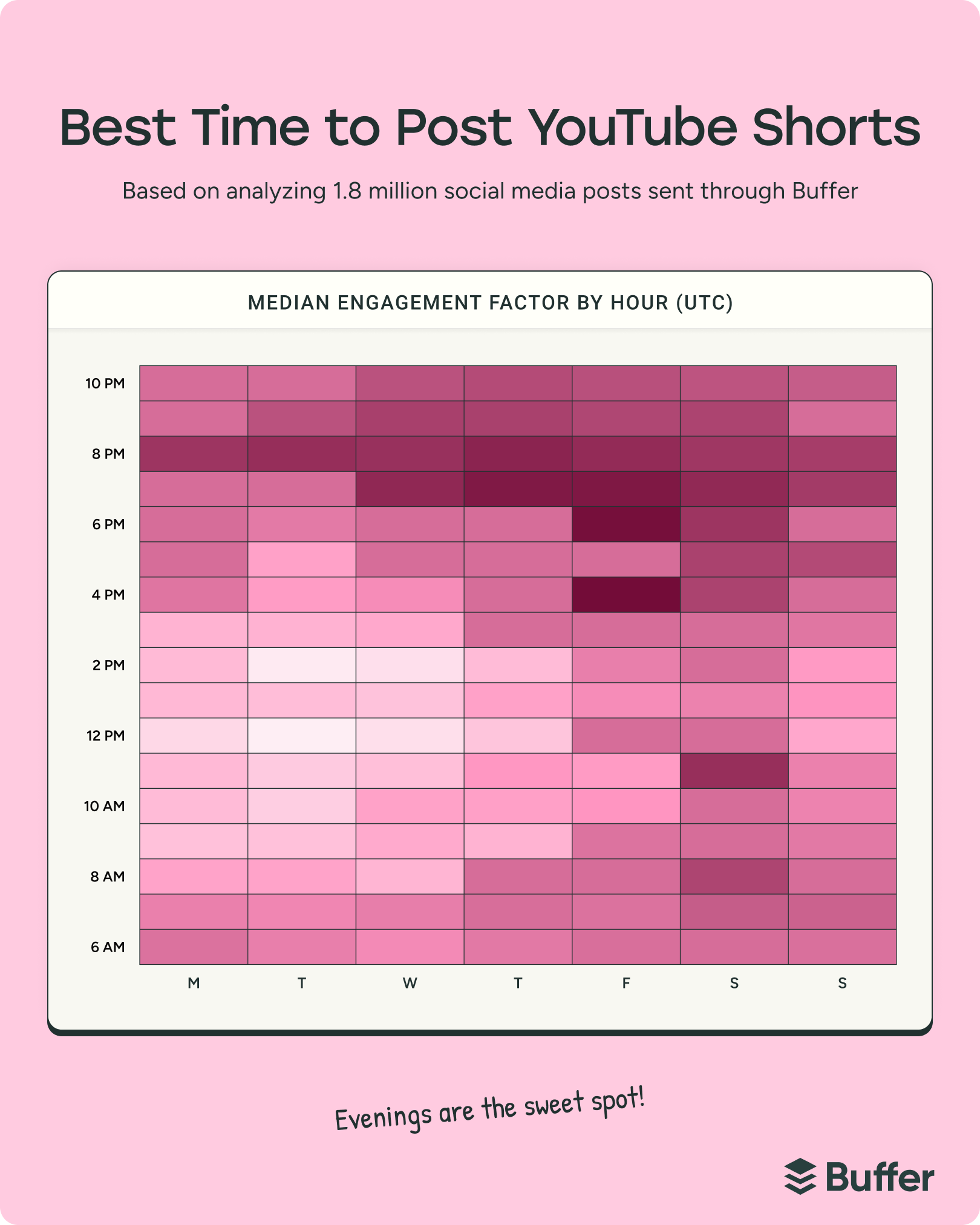
The "Friday Peak" for Shorts is the most distinct pattern in the report. The hours of 4 p.m., 6 p.m., and 7 p.m. on Friday occupy the top three engagement slots of the week. This suggests that short-form consumption is a primary "unwinding" activity as the work week concludes. Overall, the best days for Shorts are Friday, Saturday, and Thursday, while the worst days are Tuesday and Monday—the exact opposite of the long-form trend.
Short-form engagement generally peaks in the late evening, between 6 p.m. and 11 p.m. This aligns with the "lean-forward" nature of mobile scrolling, which typically increases when users are in transit or relaxing at home in the evening.
Supporting Data: Indexing and Processing Lead Times
A critical technical consideration for creators is the "indexing lead time." YouTube requires time to process high-definition (HD) and 4K versions of a video, as well as to "read" the content via automated transcription to determine its category and suitable audience.
Data suggests that publishing a video approximately one to two hours before the peak activity window allows the platform to complete its backend processing. For a 10 a.m. Sunday peak, a "Scheduled" publish time of 8 a.m. or 9 a.m. ensures that the video is fully indexed and available in the highest resolution the moment the audience arrives.
Official Responses and Industry Best Practices
While YouTube’s official creator liaisons often state that "the algorithm follows the audience," they emphasize that creators should use the specific data found in the YouTube Studio "Audience" tab. This tab provides a personalized heatmap titled "When your viewers are on YouTube."
Digital marketing experts argue that while global data provides a baseline, niche-specific behavior can vary. For example, gaming channels may see peaks later at night, while educational or "how-to" channels may see higher traffic during weekday mornings. The consensus among top-tier creators is to use the 2025 Buffer data as a starting point for A/B testing, then refining based on first-party analytics.
Broader Impact and Implications for the Creator Economy
The shift toward weekend morning peaks for long-form content has significant implications for creator workflows and burnout. To hit a Sunday 10 a.m. deadline, many creators must shift their production cycles to earlier in the week, utilizing scheduling tools to avoid working through their own weekends.
Furthermore, the divergence between Shorts and long-form timing suggests that a "hybrid" content strategy requires two distinct posting schedules. A creator who publishes a long-form video on Sunday morning and a supporting Short on Friday evening is statistically more likely to maintain a consistent presence in the subscriber feed without cannibalizing their own views.
From a brand perspective, these findings suggest a reallocation of ad spend. If engagement is highest on Sunday mornings and Friday evenings, "Top View" or "First Impression" ad placements should be weighted toward these windows to maximize return on investment.
Conclusion: Data as a Competitive Advantage
In an era of "content shock," where more video is uploaded to YouTube every minute than a single person could watch in a lifetime, timing serves as a critical differentiator. The 2025 analysis proves that the "when" is becoming as specialized as the "what." By aligning upload schedules with the Sunday morning long-form ritual and the Friday evening Shorts surge, creators can ensure their content receives the initial momentum necessary to survive and thrive within the YouTube ecosystem.
As the platform continues to evolve, the integration of AI-driven recommendations and the continued growth of CTV will likely further refine these windows. For now, the data is clear: the weekend is no longer a "dead zone" for digital content; it is the new prime time.