The Best Social Media Management Tools for 2026: A Comprehensive Guide to Streamlining Digital Presence


Managing a cohesive social media presence across multiple platforms has evolved from a simple task into a complex operational requirement for creators, small businesses, and large-scale enterprises alike. As the digital landscape fragments into an increasing number of networks—including emerging platforms like Threads, Bluesky, and Substack Notes—the administrative burden of manual posting, engagement, and analytics has grown exponentially. Consequently, social media management tools have transitioned from optional conveniences to essential infrastructure, designed to centralize content workflows and provide actionable data-driven insights.

The Evolution of Social Media Management Infrastructure
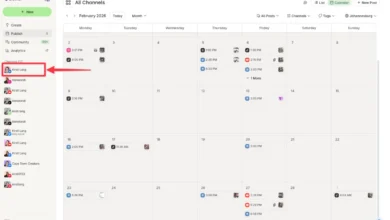
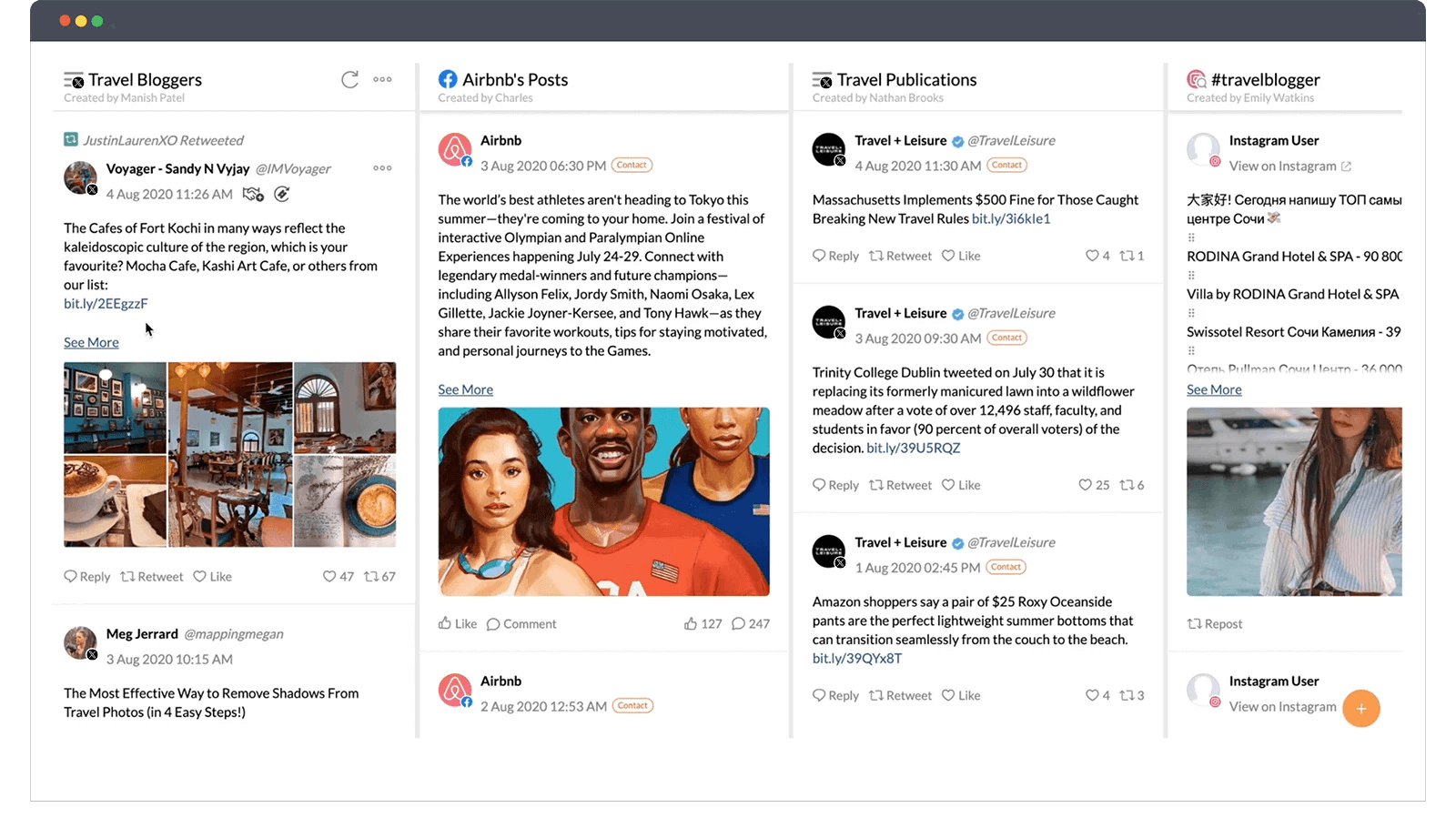
In the early years of social media, digital marketing was often a fragmented process. Brands and individuals logged into separate native applications to post content, leading to inefficiencies and a lack of unified performance tracking. By 2020, the rise of the creator economy and the professionalization of business accounts necessitated a shift toward "all-in-one" dashboards. These tools allow users to schedule posts, manage community engagement through a unified inbox, and generate analytics reports from a single interface.
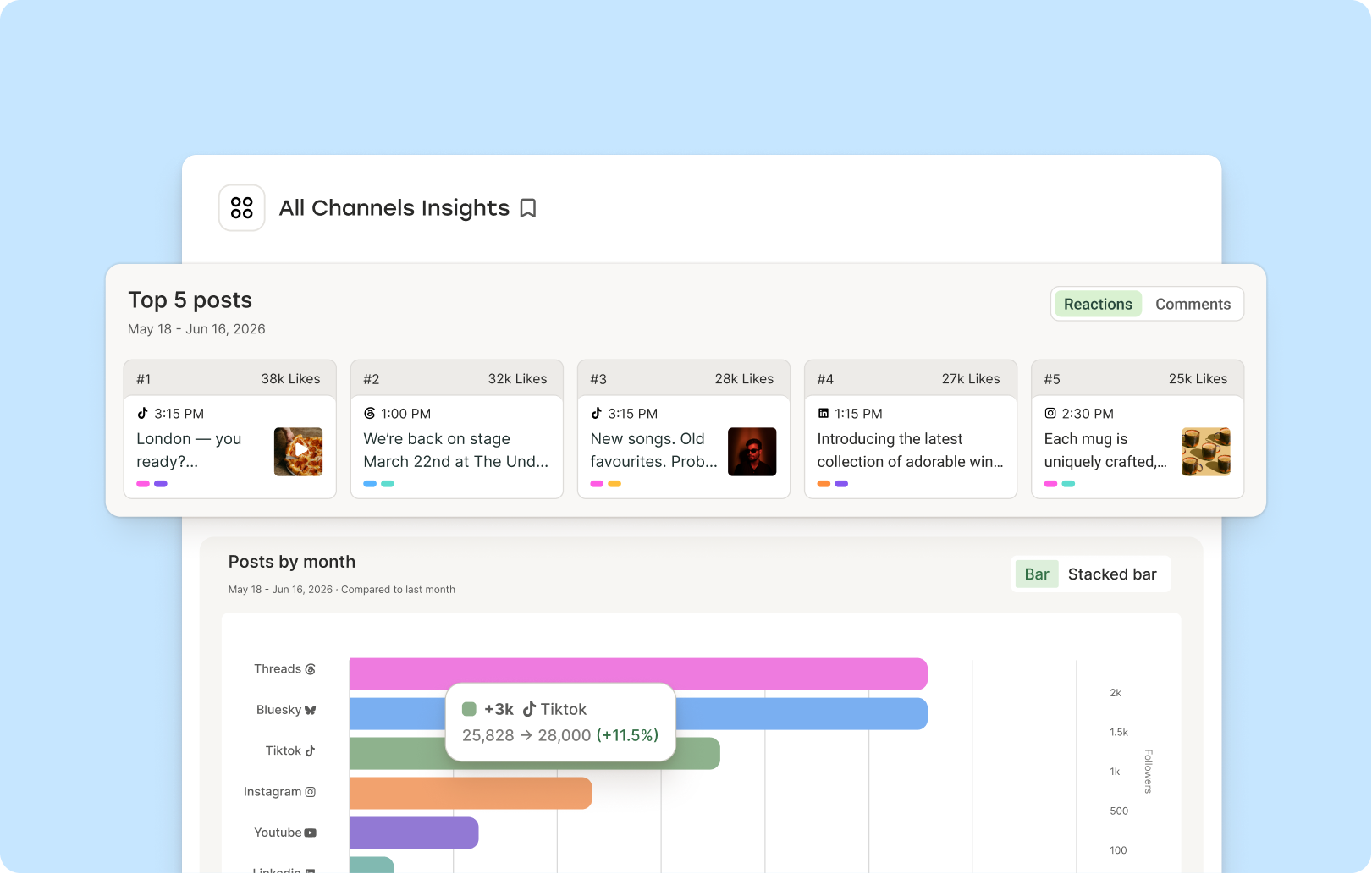
The current market is bifurcated between two primary segments: lightweight, agile tools tailored for creators and small-to-medium enterprises (SMEs), and comprehensive, enterprise-grade suites designed for complex team hierarchies, multi-level approval workflows, and sophisticated social listening.

Comparative Analysis of Leading Management Platforms
As of August 2026, the marketplace features several dominant solutions, each catering to distinct operational requirements.
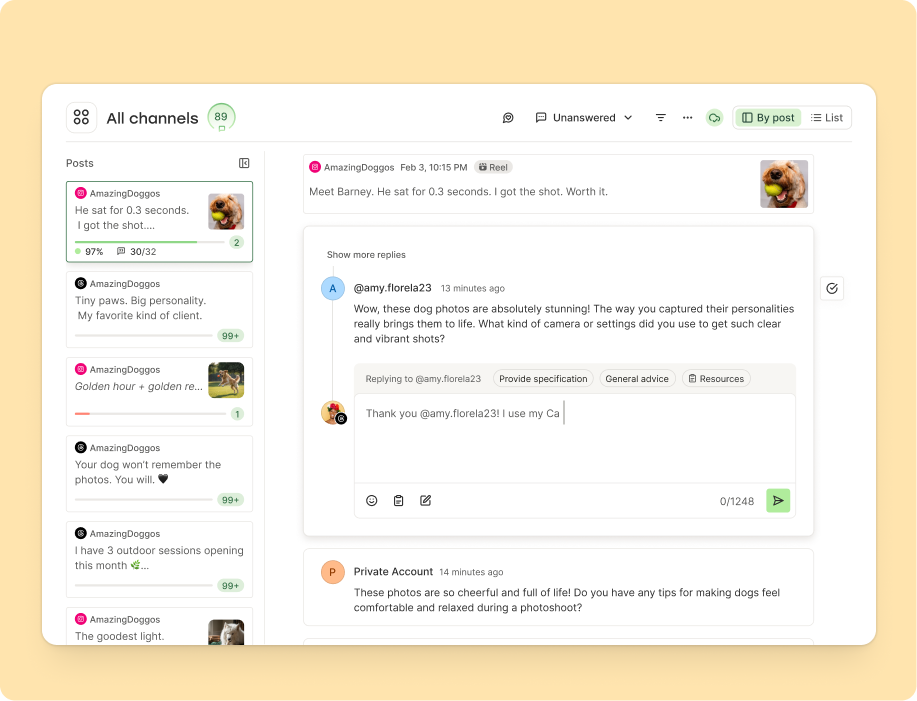
| Tool | Primary Focus | Notable Capability | Entry-Level Strategy |
|---|---|---|---|
| Buffer | Creators/SMEs | Per-channel scalability | Free tier available |
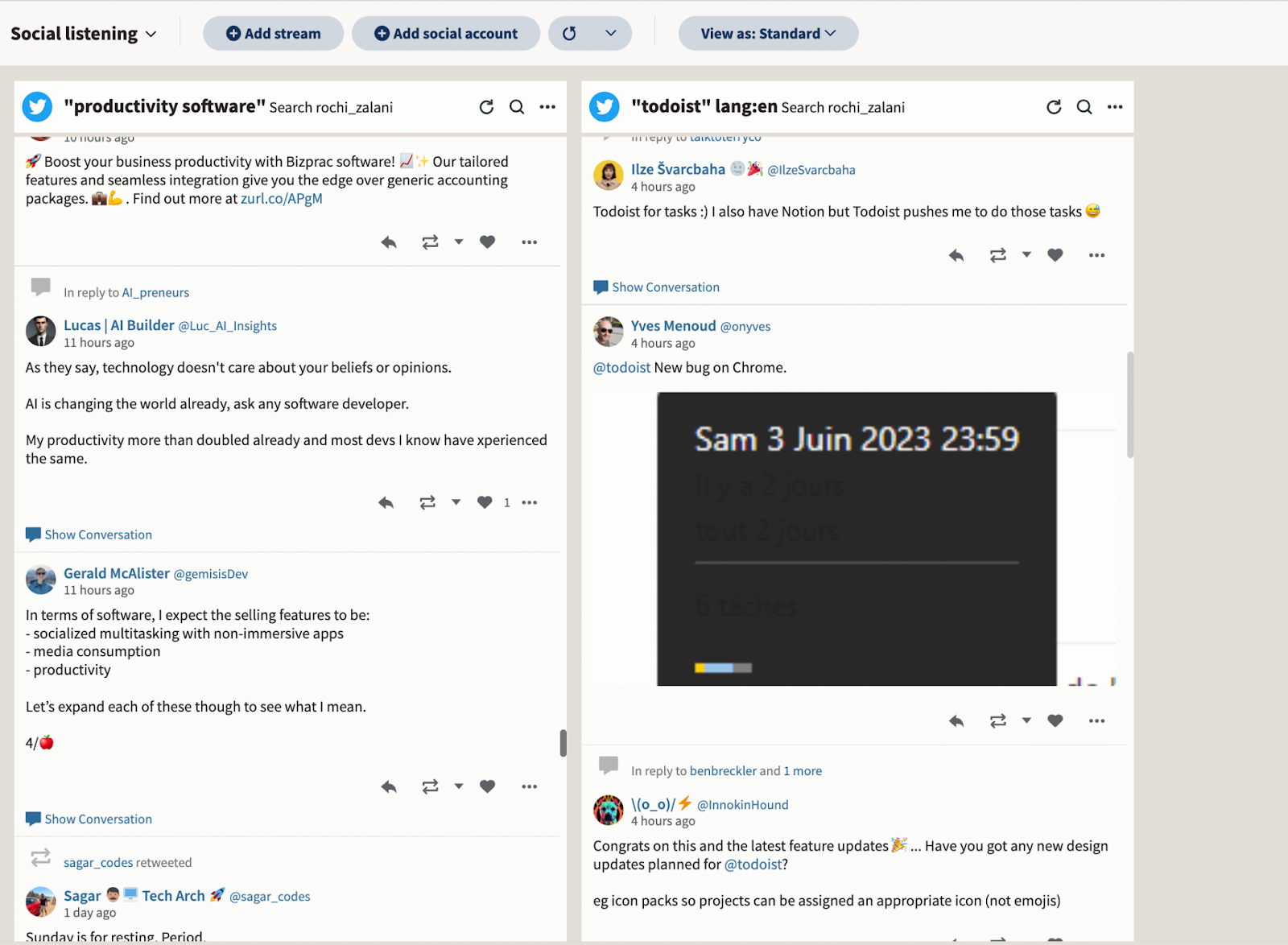
| Hootsuite | Large Teams | Talkwalker-powered listening | Paid tiers ($199/mo) |
| Tailwind | Visual Platforms | Pinterest design/scheduling | Free tier available |
| SocialPilot | Agencies | White-label client reporting | Paid tiers ($30/mo) |
| Zoho Social | Zoho Ecosystem | CRM/Desk integration | Paid tiers ($15/mo) |
| Sprout Social | Enterprises | Influencer/Advocacy management | Paid tiers ($199/mo) |
| Oktopost | B2B Sales | Buyer-journey tracking | Custom pricing |
| Later | Influencer Marketing | Creator discovery tools | Paid tiers ($25/mo) |
| Socialinsider | Analytics | Competitor benchmarking | Paid tiers ($99/mo) |
| Manychat | Chat Automation | 24/7 DM workflows | Free/Paid tiers |
| Sprinklr | Global Enterprises | AI-driven CX governance | Custom pricing |
Strategic Implementation and Operational Impact
The selection of a management tool carries significant implications for a brand’s digital ROI. For organizations operating at scale, the primary concern is governance. Tools like Sprinklr and Sprout Social address this by implementing granular permission settings, which ensure that only authorized personnel can publish content, thereby mitigating the risk of public relations crises caused by erroneous posts.
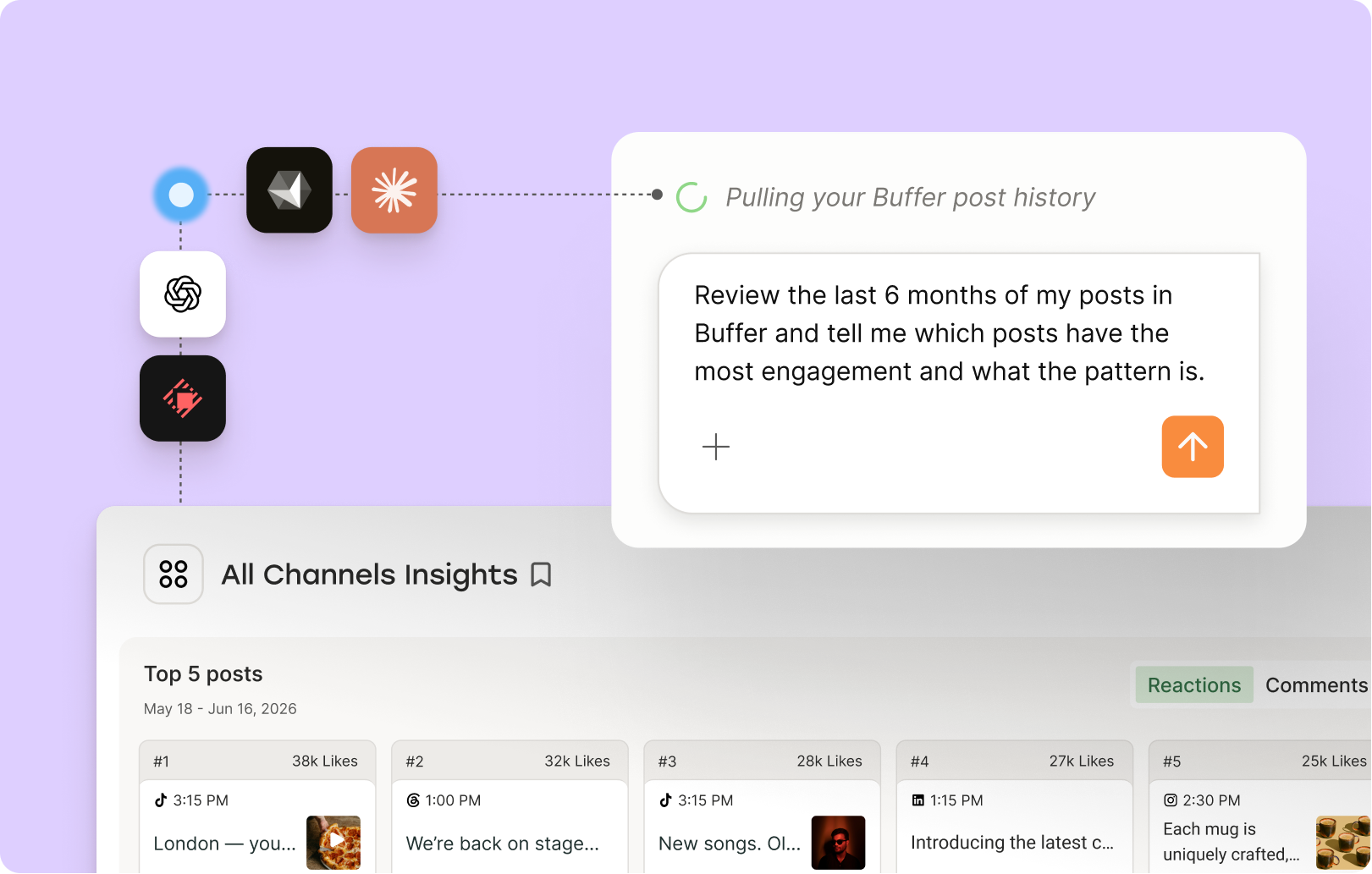
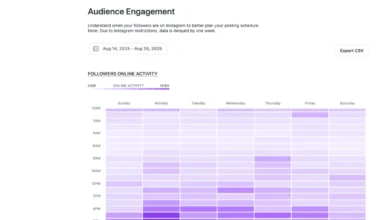
Conversely, for independent creators, the emphasis is on efficiency and consistency. The integration of artificial intelligence into platforms like Buffer has enabled creators to generate content ideas, repurpose long-form text into social captions, and optimize posting schedules based on peak audience activity. Data indicates that consistent posting schedules can increase organic reach by up to 30%, a metric that is difficult to sustain without automated scheduling tools.
Key Criteria for Tool Selection
When evaluating which software to integrate into a digital stack, organizations and individuals should prioritize five specific criteria:

- Platform Breadth: As user demographics shift between platforms, the ability of a tool to integrate emerging networks is vital. A tool that fails to support new channels quickly can lead to a siloed strategy.
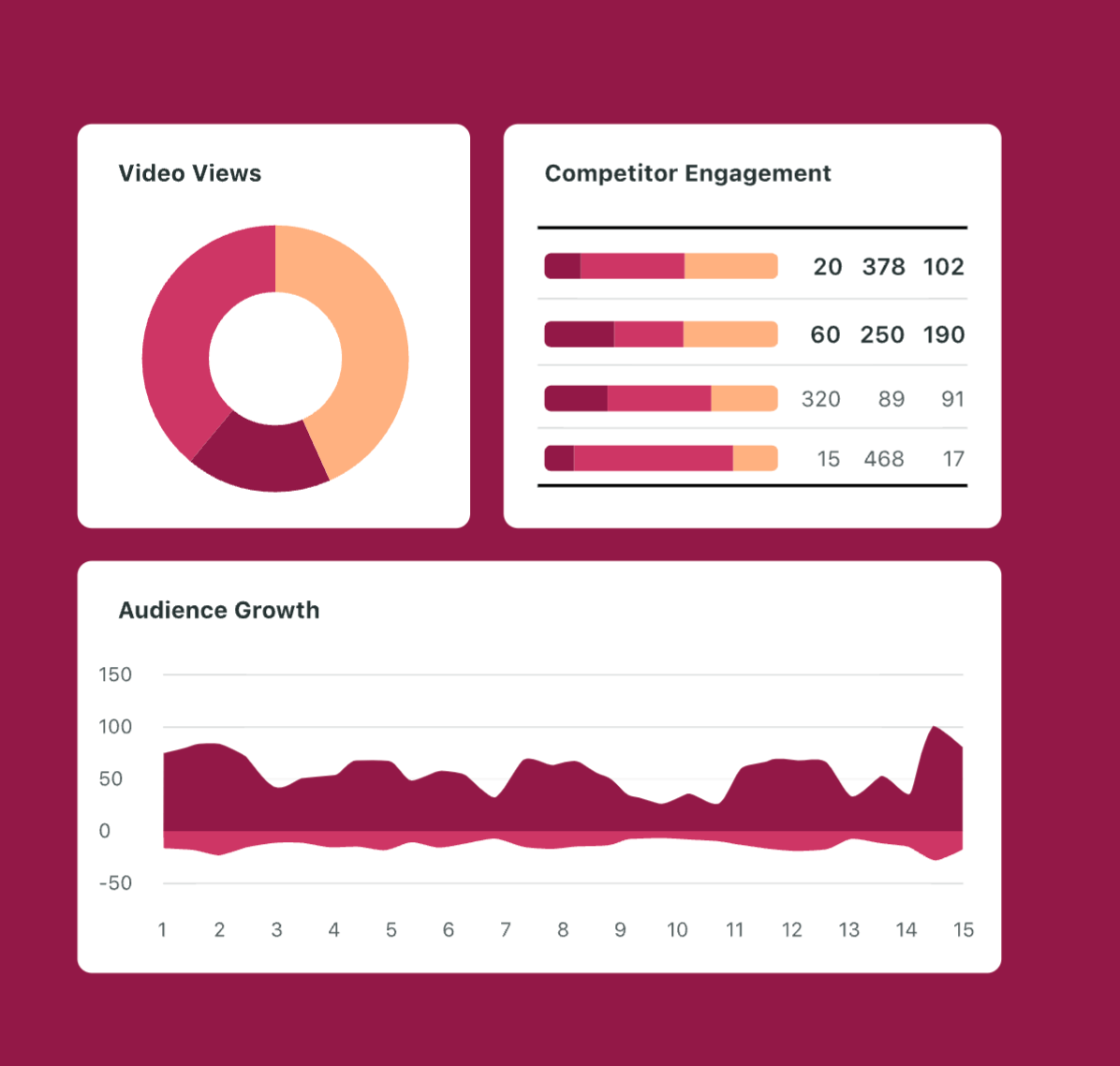
- Reporting and Analytics Depth: Beyond vanity metrics such as follower counts, sophisticated users require data on conversion rates, sentiment analysis, and the impact of social efforts on the bottom line.
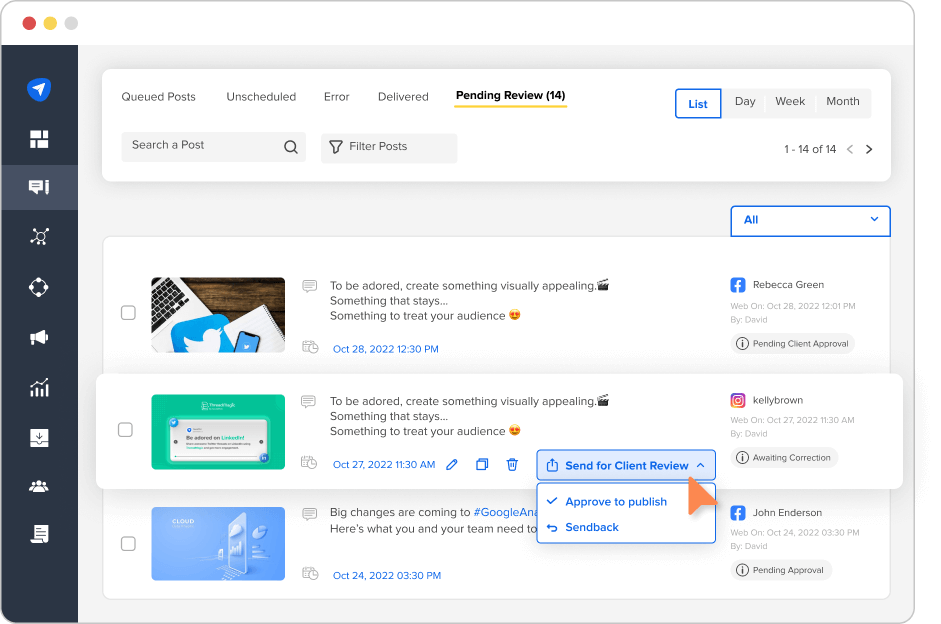
- Collaboration and Approval Workflows: For teams larger than two people, the ability to leave internal comments on drafts and require manager approval is a prerequisite for brand safety.
- Scalability of Pricing: Many platforms utilize a "per-seat" or "per-channel" pricing model. It is essential to forecast costs over a 12-to-24-month horizon to ensure that the tool remains financially viable as the social footprint grows.
- Specialized Functionality: Some tools offer unique value propositions, such as Manychat’s focus on direct message (DM) automation or Tailwind’s deep integration with Pinterest’s visual discovery engine.
The Role of Automation and AI
The most significant shift in the social media management landscape over the last 24 months has been the rapid adoption of AI-driven automation. Manychat represents a segment of the industry that has moved beyond simple scheduling to conversational commerce. By automating DM replies, brands can guide users through sales funnels without human intervention, effectively turning social platforms into lead-generation engines.
However, industry experts caution against over-automation. While AI can draft captions and suggest optimal posting times, the loss of human nuance in community engagement can negatively impact brand affinity. Consequently, the most effective strategy involves using automation for administrative tasks while reserving human resources for high-value community interaction.
Broader Market Implications
The proliferation of these tools reflects a broader trend in digital marketing: the move toward "MarTech" (Marketing Technology) consolidation. As businesses seek to prove the ROI of their social media efforts, they are increasingly favoring tools that offer native integrations with their existing Customer Relationship Management (CRM) software, such as Salesforce or Zoho. This allows for a "closed-loop" reporting structure where a social media engagement can be tracked all the way to a closed sale.
Furthermore, the rising cost of enterprise-level platforms suggests that the market is maturing. Companies are no longer willing to pay for "feature bloat." Instead, they are demanding specialized tools that solve specific problems—whether that is influencer discovery, B2B social listening, or high-volume customer service.

Conclusion: Selecting the Right Path
The choice of a management tool is not merely a technical decision but a strategic one. A small business owner who requires simplicity and low overhead will find the per-channel, user-friendly interface of Buffer or the specialized utility of Tailwind more effective than the complex, high-cost enterprise suites. Conversely, a global brand managing multiple regions and dozens of social profiles must prioritize the governance and analytical depth offered by platforms like Sprinklr or Hootsuite.

Before committing to a subscription, it is recommended that stakeholders utilize the free trials provided by most vendors. Testing the interface against a real-world content calendar is the only way to determine if the software effectively reduces the friction of daily social media operations. In an era where digital consistency is a competitive advantage, the right tool acts not just as a scheduler, but as a force multiplier for a brand’s total digital strategy.