OSHA Issues New Workplace Safety Guidance for Opioid Overdose Preparedness Under the Great American Recovery Initiative

The Occupational Safety and Health Administration (OSHA), operating under the directives of the Department of Labor, has released comprehensive new workplace safety guidance aimed at helping employers and employees recognize and respond to opioid overdoses. Published on September 25, 2026, this directive represents a critical component of the Trump Administration’s broader public health and safety crusade known as the Great American Recovery Initiative.
As synthetic opioids like illicitly manufactured fentanyl continue to infiltrate communities nationwide, the federal government is shifting a portion of its harm-reduction strategy directly into the commercial and industrial sectors. The newly minted OSHA guidelines outline concrete steps organizations can take to transform standard first-aid protocols into active, overdose-ready environments. By urging businesses to keep life-saving reversal agents on hand—alongside providing clear instructions on symptom recognition and safe administration—federal regulators hope to mitigate preventable fatalities on the clock.
Background Context of the Initiative and the Fentanyl Crisis
The introduction of OSHA’s latest workplace advisory does not happen in a vacuum; it is part of a coordinated multi-agency framework launched under the Great American Recovery Initiative. This federal push prioritizes addiction prevention, robust treatment access, and emergency intervention strategies across all levels of American society.
For years, the public health conversation surrounding the opioid epidemic was largely confined to community spaces, emergency rooms, and public streets. However, shifting demographic realities and the widespread proliferation of potent synthetic opioids have erased the traditional boundaries between personal lives and professional spaces. Fentanyl, a synthetic opioid up to 50 times stronger than heroin and 100 times stronger than morphine, has fundamentally altered the illicit drug landscape. Because minute quantities can be lethal, exposure risks have evolved beyond traditional drug use, occasionally threatening emergency responders, bystanders, and workers in various operational environments.
Recognizing these compounding risks, the administration has elevated workplace safety regarding substance abuse from a purely human resources or disciplinary issue to an urgent public health and safety imperative. Federal officials emphasize that equipping workers with the tools to reverse an overdose is functionally no different from maintaining a fire extinguisher or a standard first-aid kit.
Official Statements and Government Reactions
The release of the OSHA guidelines has drawn strong support from key federal figures spearheading the administration’s anti-addiction campaigns.
"Because fentanyl has infiltrated the illicit drug landscape and acts as a chemical weapon against our people, it is critically important that the American workforce is familiar with drug overdose recognition and reversal," White House Drug Czar Sara Carter stated in an official release accompanying the rollout. Carter praised the Department of Labor for taking proactive steps to educate commercial entities and their workforces on the practical applications of life-saving interventions, specifically highlighting medications like naloxone and nalmefene.
Labor and safety experts point out that this guidance bridges a crucial gap between emergency medical services and on-site corporate response teams. In many industrial or isolated work environments, waiting for emergency medical services to arrive can mean the difference between life and death during an acute overdose. By integrating reversal agents directly into corporate first-aid frameworks, the federal government aims to shrink response times down to the critical first few minutes.
Key Preparedness Strategies Outlined in the OSHA Fact Sheet
The newly published fact sheet provides a structured roadmap for employers striving to adapt their safety protocols to modern public health realities. Rather than imposing rigid, one-size-fits-all mandates, the guidance offers flexible, actionable preparedness strategies designed to fit diverse workplace environments, ranging from corporate offices to bustling warehouses and healthcare facilities.
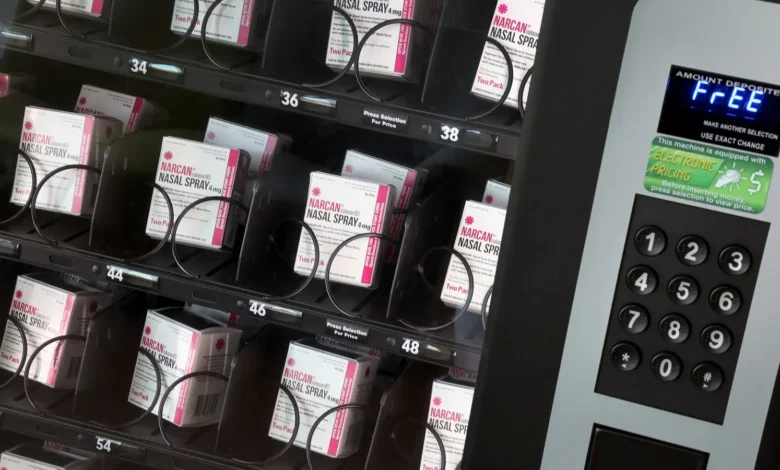
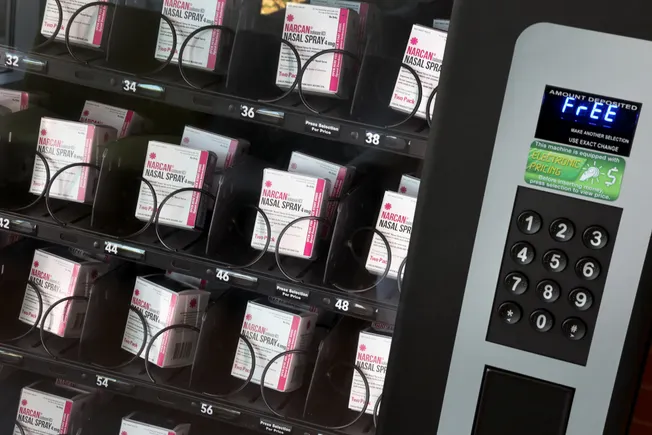
Chief among these recommendations is the stocking of reversal medications. The guidance specifically highlights naloxone—commonly recognized by brand names such as Narcan—and nalmefene as vital additions to standard workplace safety inventories. These medications function as opioid antagonists, quickly binding to opioid receptors and reversing the dangerous respiratory depression that characterizes a fatal overdose.

Furthermore, the document advises companies to treat these reversal kits identically to traditional first-aid equipment. This means storing them in clearly marked, highly visible, and easily accessible locations rather than locking them away in remote management offices where valuable seconds could be lost during an emergency.
Education and training form the final pillars of the OSHA advisory. Employers are encouraged to conduct regular awareness programs that teach workers how to accurately identify the physical and behavioral symptoms of an opioid overdose—such as pinpoint pupils, slow or shallow breathing, unresponsiveness, and blue-tinged lips or fingertips. Coupled with symptom recognition, workers should receive hands-on training regarding the safe and effective administration of nasal sprays or auto-injectors, ensuring that hesitation does not compromise the response effort.
Workforce Drug Trends: Data Supporting the Federal Response
The urgency behind OSHA’s guidance is underscored by comprehensive data tracking substance presence within the American labor force. A prominent July report published by clinical laboratory giant Quest Diagnostics revealed that nearly 1 in 5 workers tested positive for drug use based on hair analysis data collected throughout 2025.
Quest Diagnostics utilized its extensive U.S. workforce data repository, which incorporates both hair and urine testing methodologies to screen for a broad spectrum of substances, including marijuana, cocaine, opiates, amphetamines, and methamphetamine. While multi-drug use patterns varied across sectors, the data highlighted notable vulnerabilities within specific industries. Most notably, the report indicated that opiate use occurrences were highest among healthcare workers—a sobering statistic given this demographic’s professional proximity to pharmaceuticals and medical response tools.
This widespread prevalence of substance use across diverse occupations reinforces the rationale behind federal safety interventions. Employers can no longer assume that their specific workforce is entirely insulated from the broader societal impacts of addiction. Whether substances are consumed recreationally, managed through self-medication, or tied to active dependency disorders, the statistical reality is that potential overdose incidents can manifest anywhere.
Navigating Legal Boundaries: Compliance and Employee Protections

While implementing overdose preparedness measures is becoming a cornerstone of progressive workplace safety, employers must carefully navigate complex legal frameworks when dealing with employee substance use and addiction. Historical precedents and federal anti-discrimination laws dictate strict boundaries regarding how companies can manage workers dealing with substance dependency.
A prominent cautionary tale in corporate human resources involves a federal disability discrimination lawsuit settled by the U.S. Equal Employment Opportunity Commission (EEOC). In that case, a software company agreed to pay $80,000 to resolve allegations that it violated the Americans with Disabilities Act (ADA) by terminating an employee who requested and took medical leave to undergo inpatient treatment for opioid addiction.
According to the EEOC, the affected worker had a documented history of opiate addiction and was actively participating in a physician-supervised, medication-assisted treatment program. The regulatory agency determined that the company fired the employee simply because he was regarded as disabled due to his condition—a direct violation of federal protections. This case serves as a stark reminder to the corporate community that while safety and emergency response must be prioritized, punitive or discriminatory actions against workers seeking legitimate medical help for substance use disorders carry severe legal consequences.
Implications for Employers and the Future of Workplace Safety
The intersection of OSHA’s new guidance, shifting drug data, and stringent employment laws creates a multifaceted landscape for modern business leaders. Organizations are now tasked with maintaining a delicate balance: fostering a secure, emergency-ready physical environment while upholding inclusive, legally compliant personnel policies.
Looking forward, human resources and safety professionals anticipate that proactive overdose preparedness will transition from an optional recommendation to an expected standard of corporate citizenship. As public health campaigns like the Great American Recovery Initiative continue to gain momentum, companies that integrate reversal protocols into their corporate safety culture will likely see improved emergency outcomes and a more resilient workforce.
Ultimately, the federal push acknowledges a grim reality: the opioid crisis is no longer confined to the margins of society. By bringing life-saving tools into the workplace, the federal government is shifting the responsibility of harm reduction into the hands of employers, transforming offices and industrial floors into the latest frontline of public health defense.